


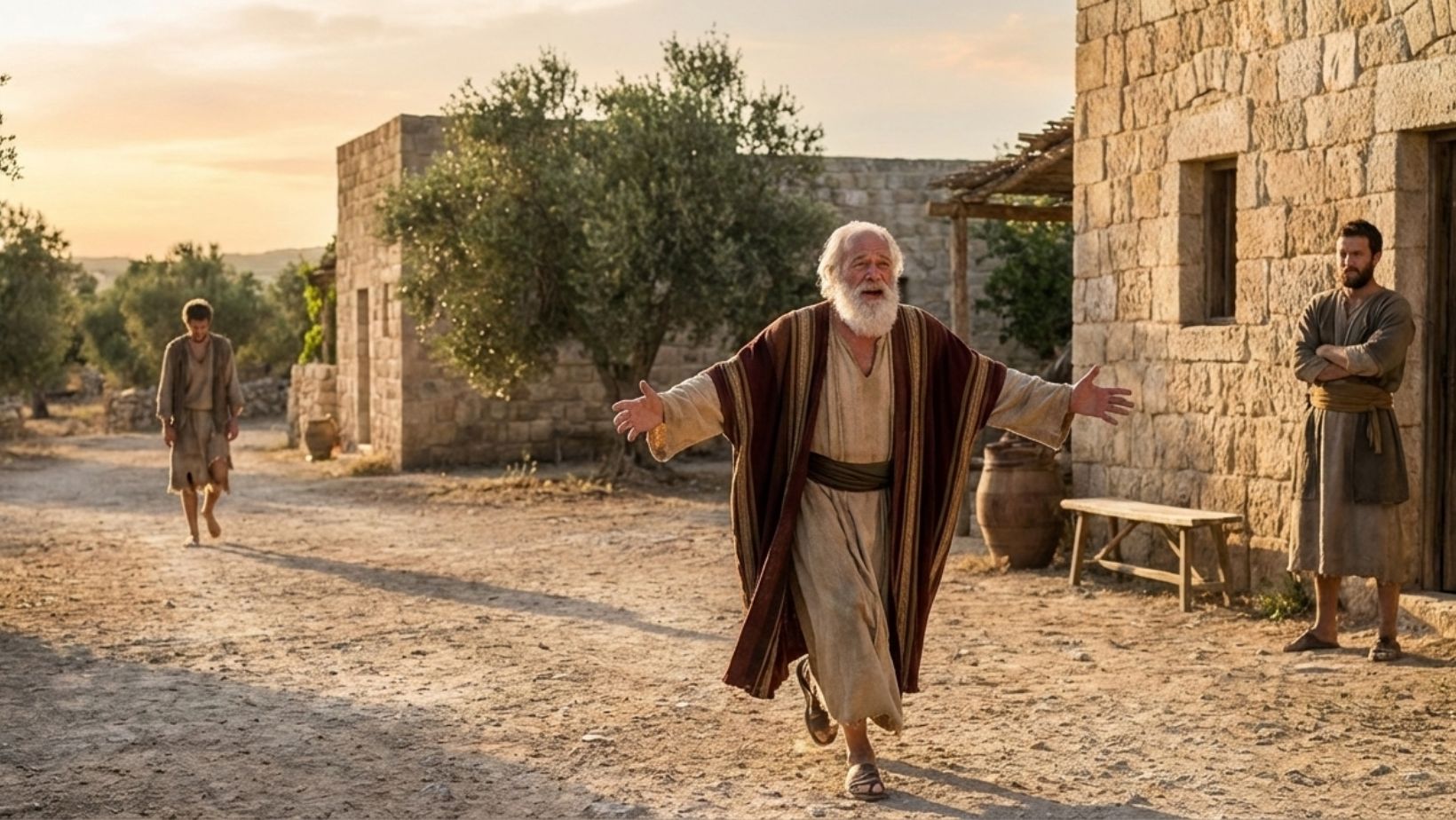
The First King Who Lost It

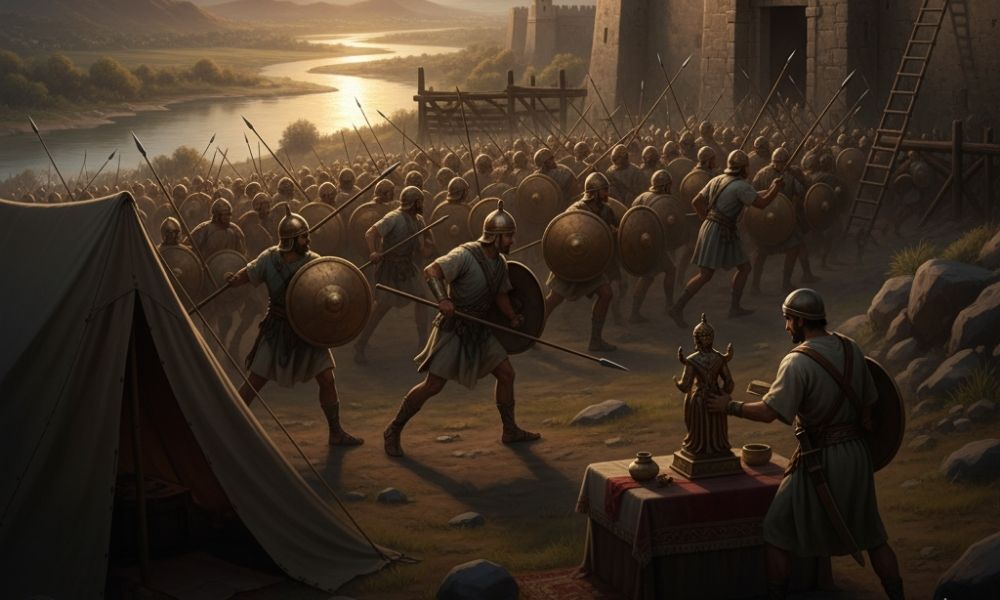
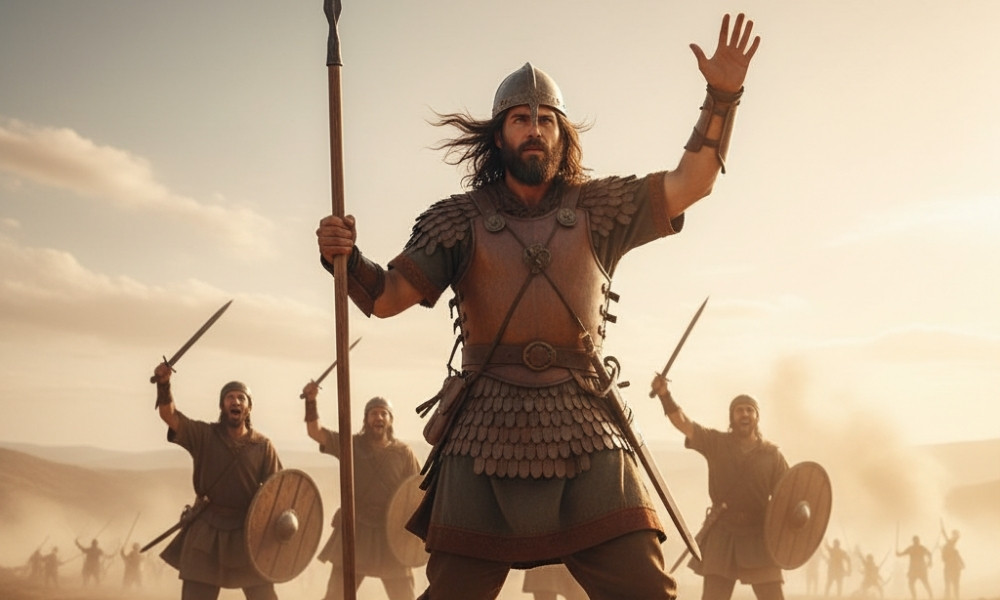
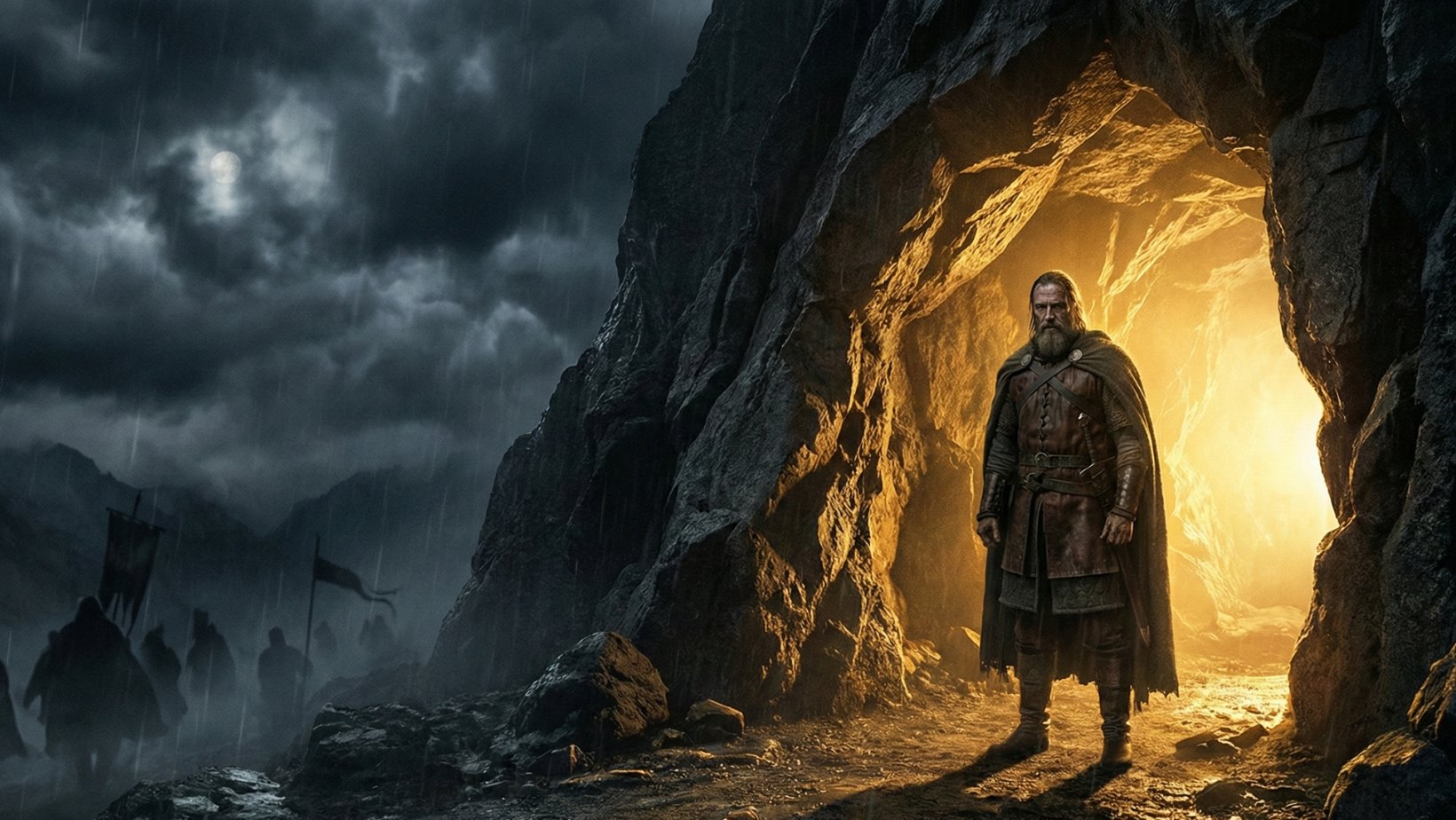
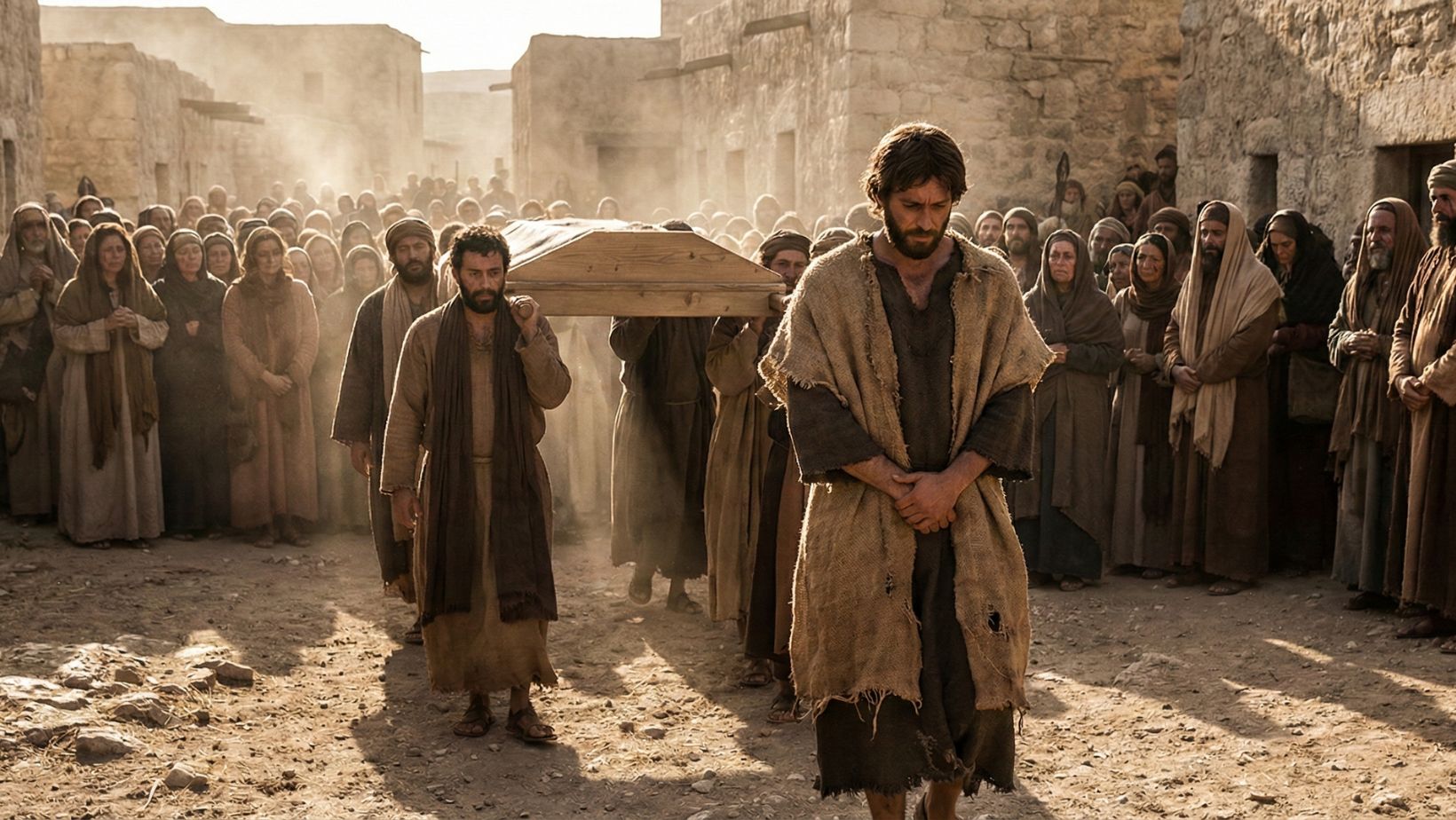
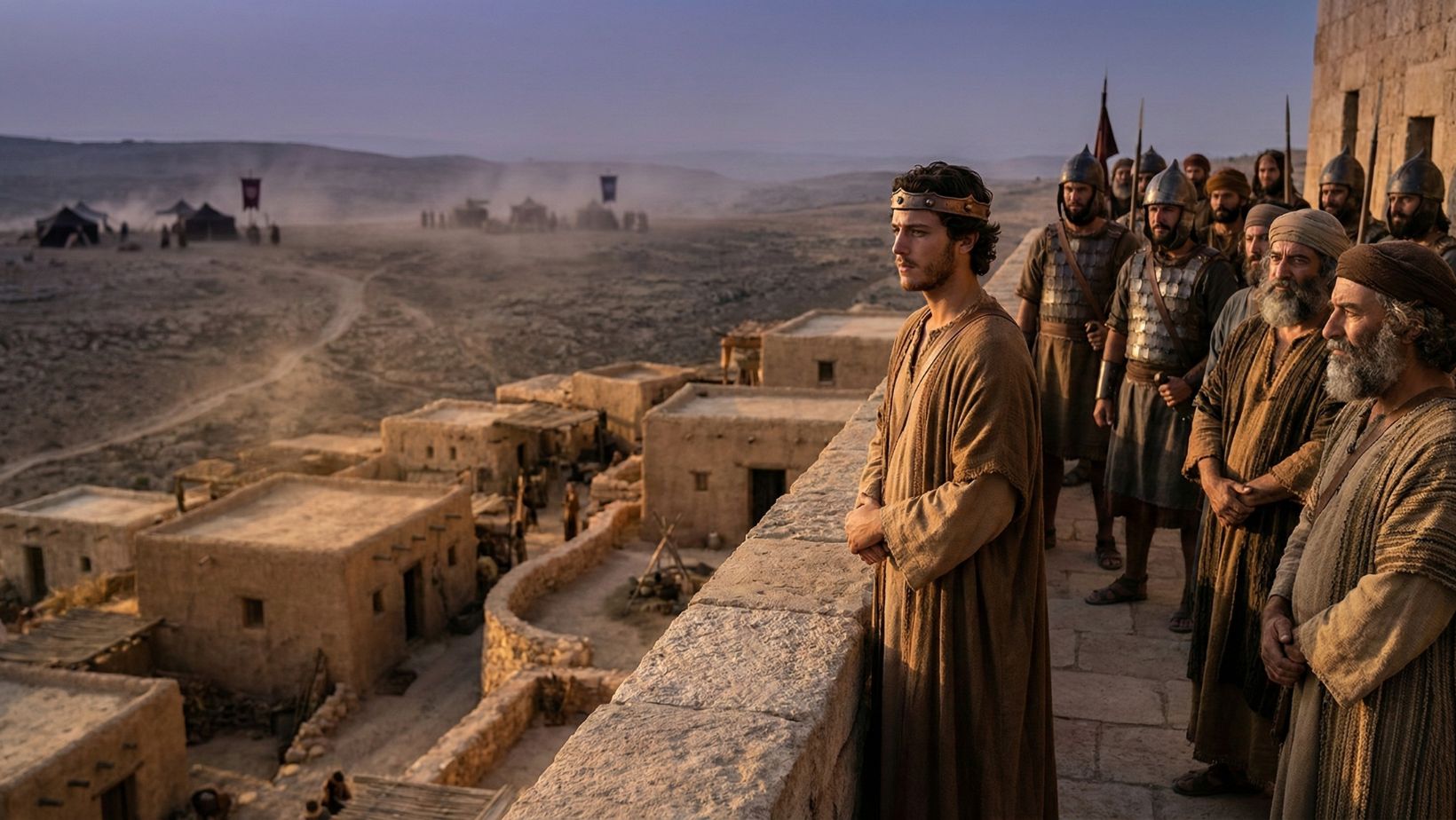
The story of Israel’s first king is powerful, emotional, and deeply instructive. Chosen by God, anointed by the prophet Samuel, and celebrated by the nation, Saul began with humility and promise. Yet his reign slowly unraveled through fear, insecurity, jealousy, and disobedience.

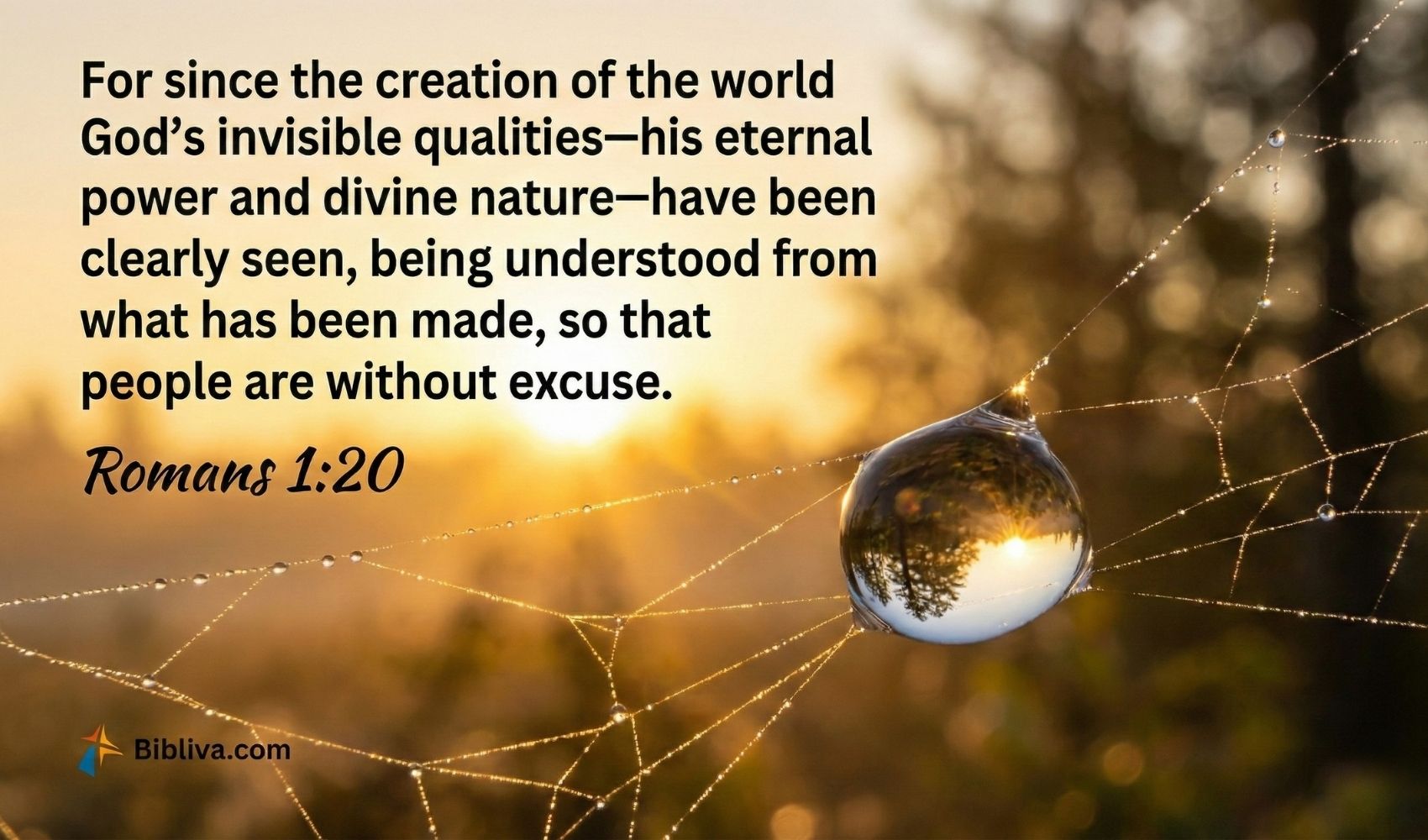
Romans 1:20

“For ever since the world was created, people have seen the earth and sky. Through everything God made, they can clearly see his invisible qualities—his eternal power and divine nature. So they have no excuse for not knowing God.”

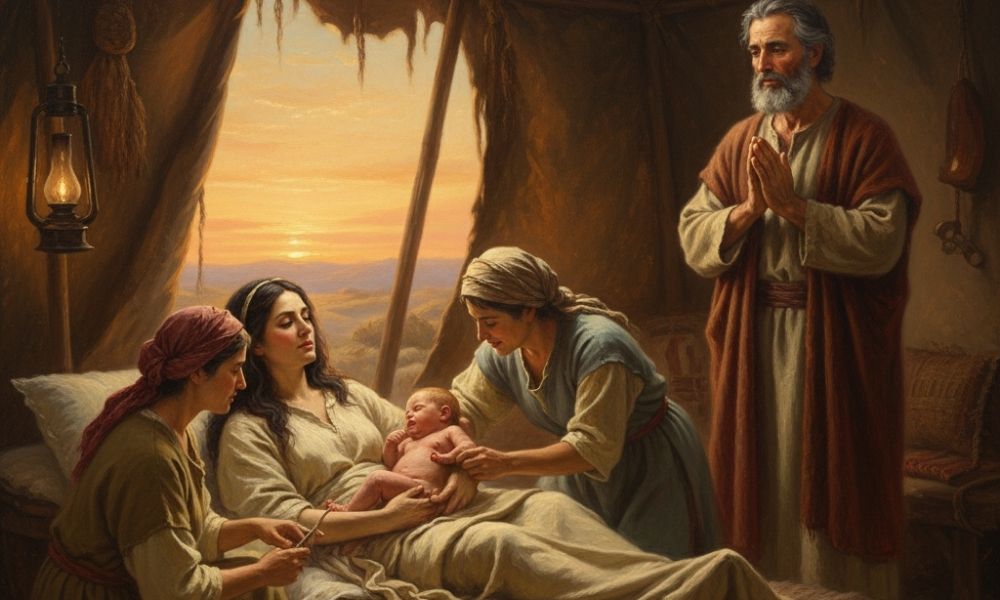
Creation of Man and Woman

God created man from the dust of the ground and woman from man’s rib, making them in His image to live in unity, reflect His likeness, and rule over creation together.

Othniel

Othniel was the first and paradigmatic Judge of Israel, a Spirit-empowered warrior from the tribe of Judah who defeated a Mesopotamian king and secured forty years of peace.

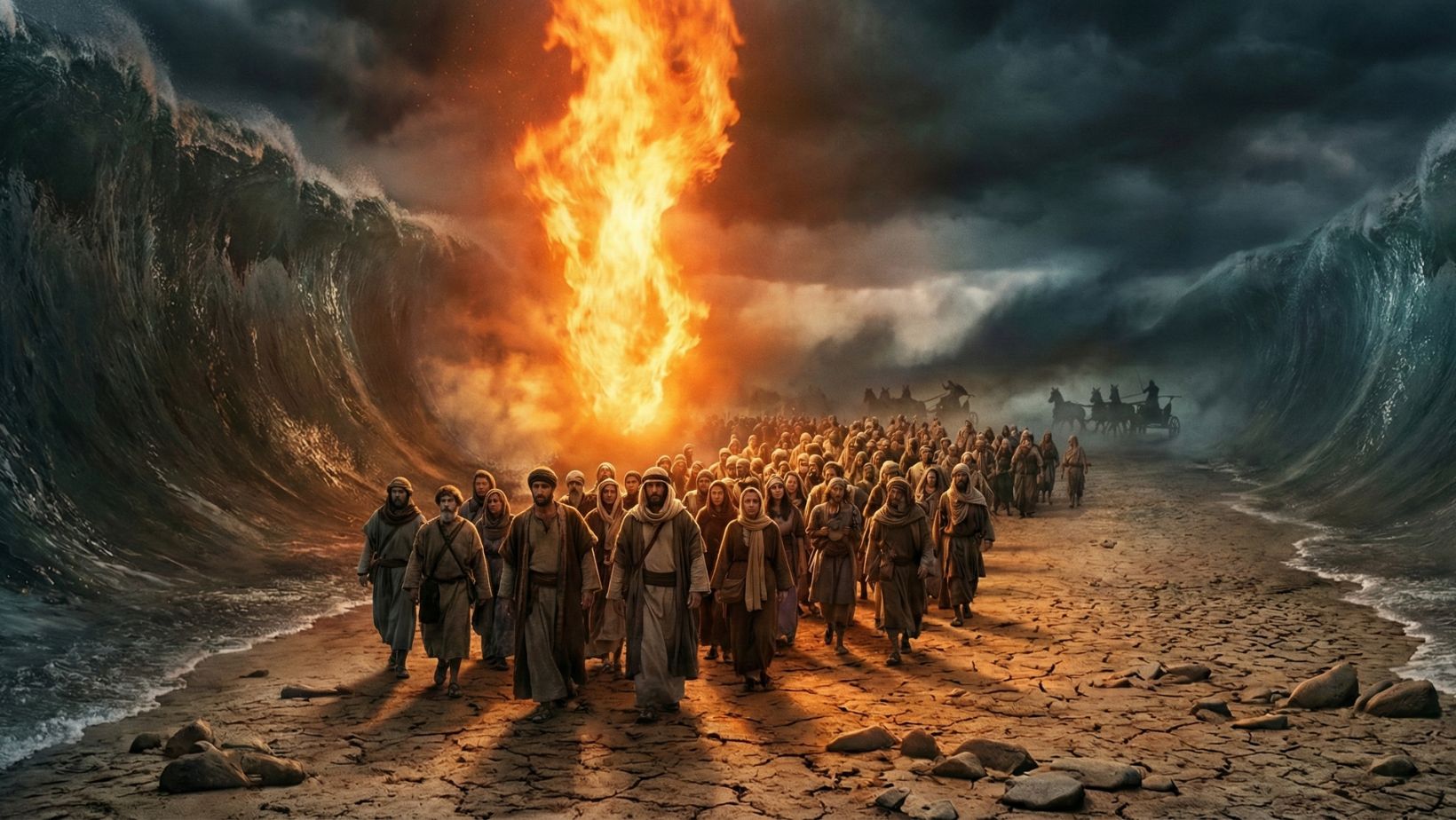
Red Sea

The Red Sea serves as the dramatic stage for God’s greatest act of Old Testament deliverance, symbolizing the transition from slavery to freedom and the washing away of the old life.

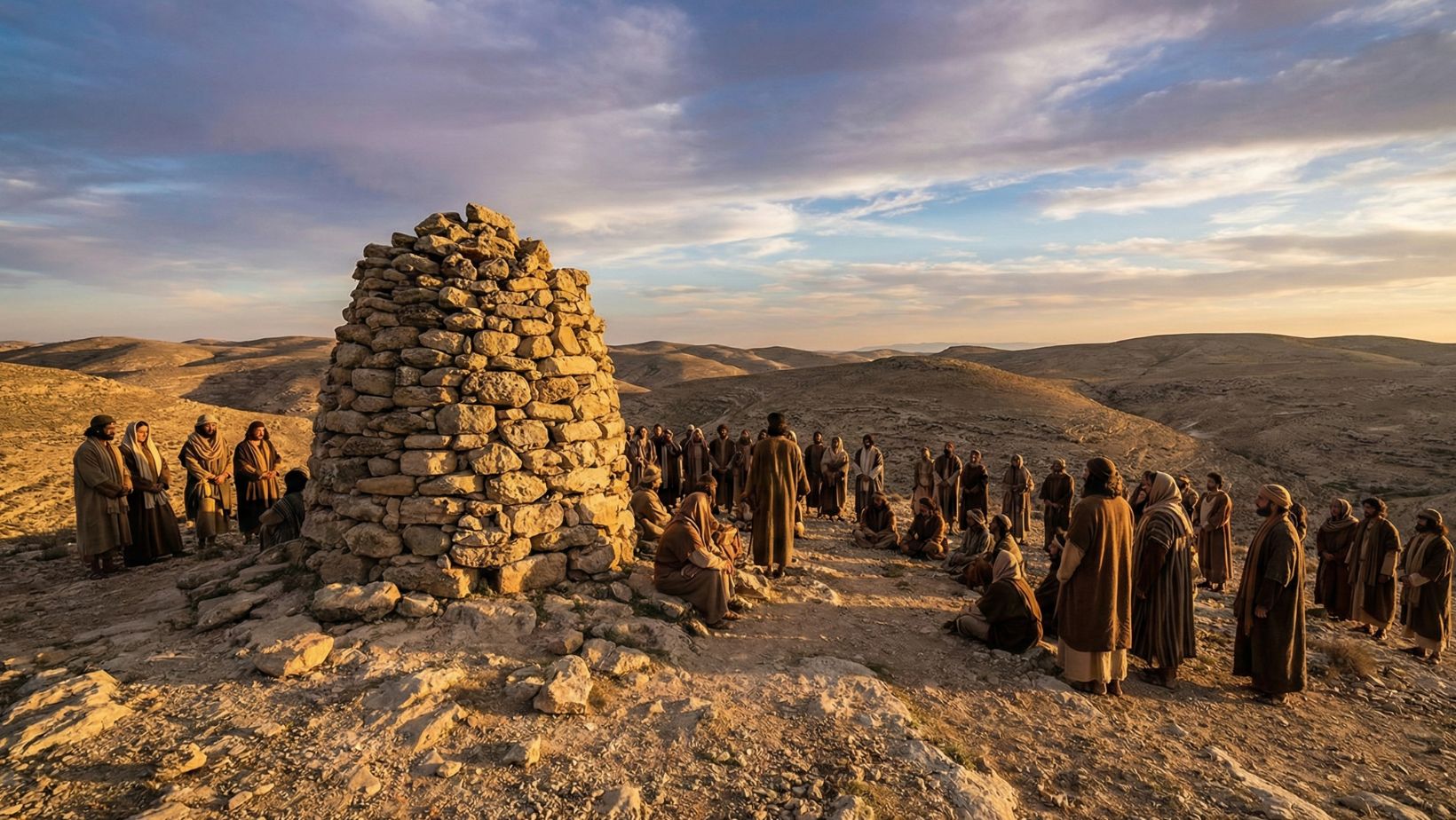
Mizpah

Mizpah, meaning “Watchtower,” is the biblical site of the covenant between Jacob and Laban, the place of Israel’s national repentance and victory under Samuel, and the location where Saul was proclaimed the first King of Israel.

Psalm 27:1

“The Lord is my light and my salvation; whom shall I fear? The Lord is the stronghold[a] of my life; of whom shall I be afraid?” (ESV)

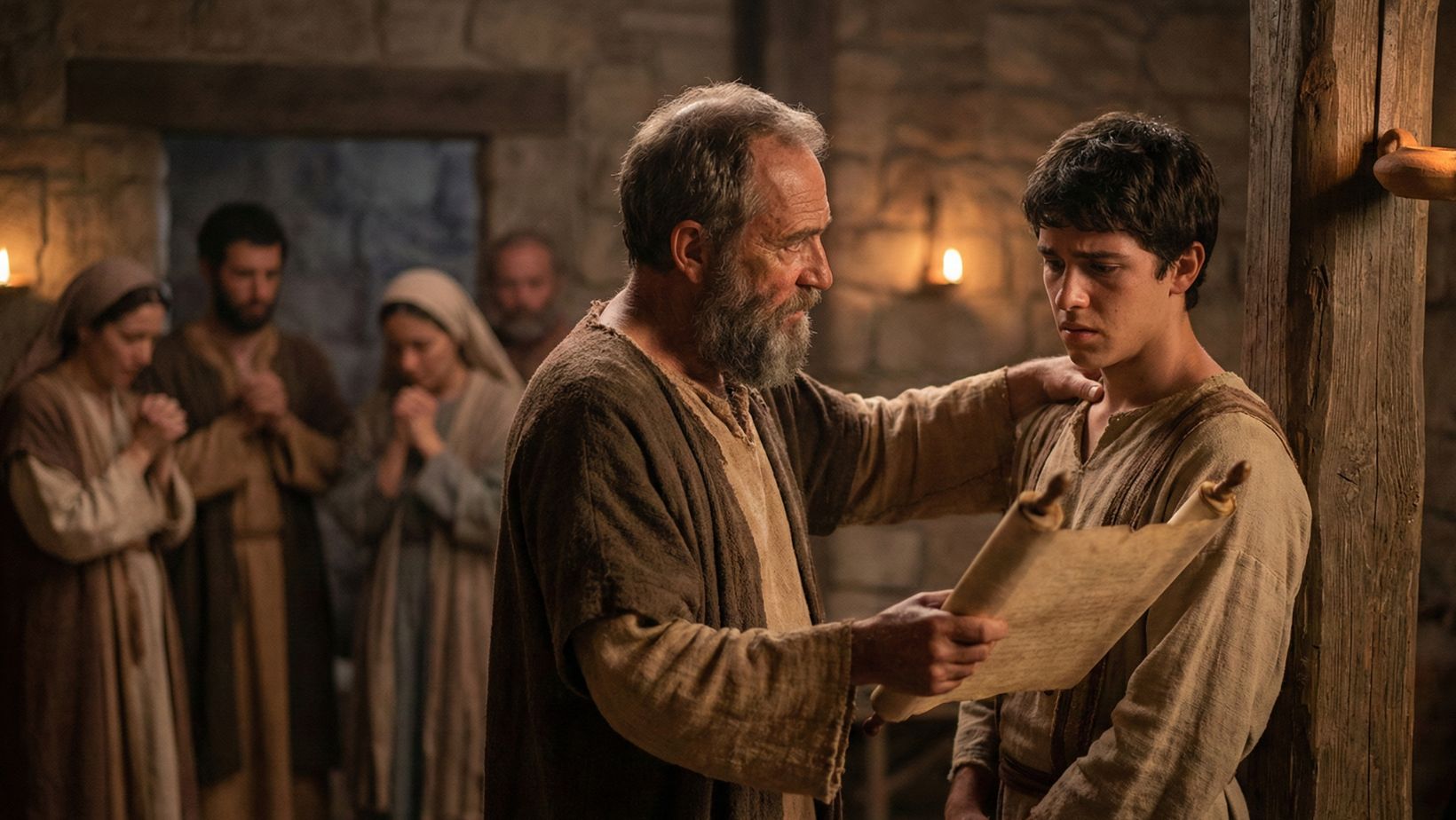
Nadab

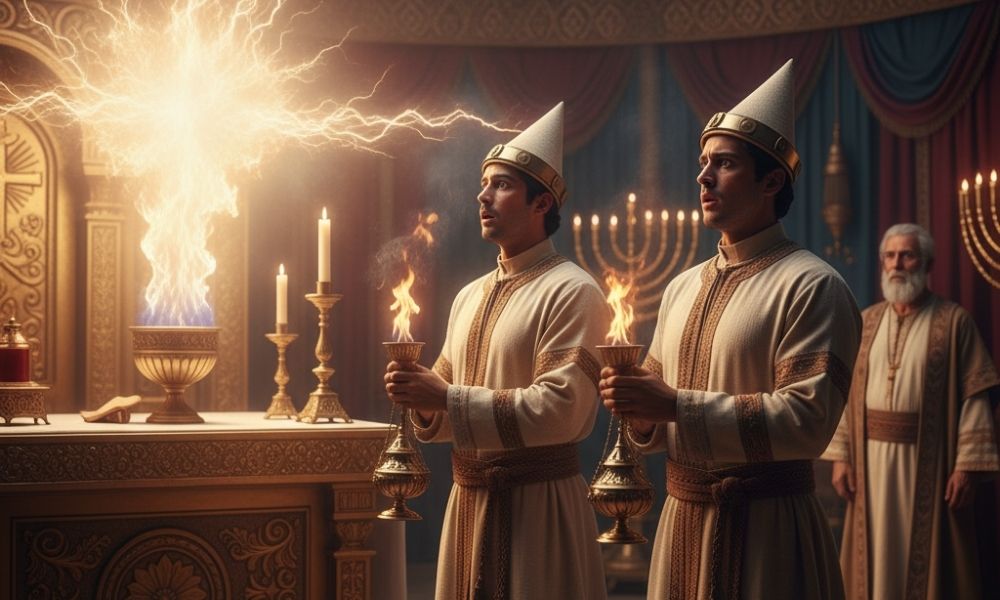
Nadab, the eldest son of Aaron, was a priest who saw God’s glory but died for offering unauthorized fire — a warning that holiness demands reverent obedience.

Samaria

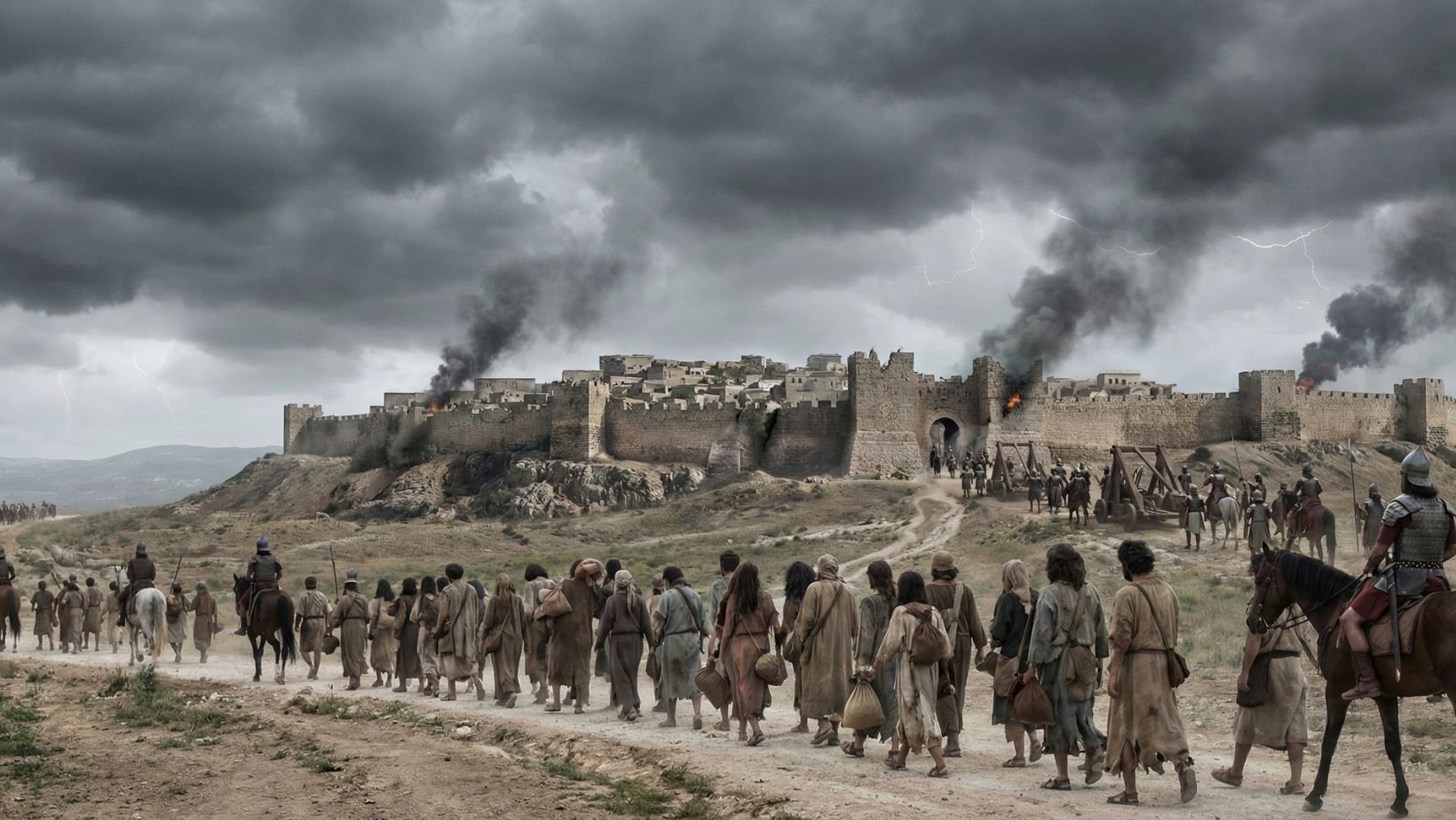
After centuries of idolatry and ignored warnings, God allows the Assyrians to destroy Samaria and exile Israel, repopulating the land with foreigners who create a mixed religion, giving rise to the Samaritan people.

The Book of 2 Samuel

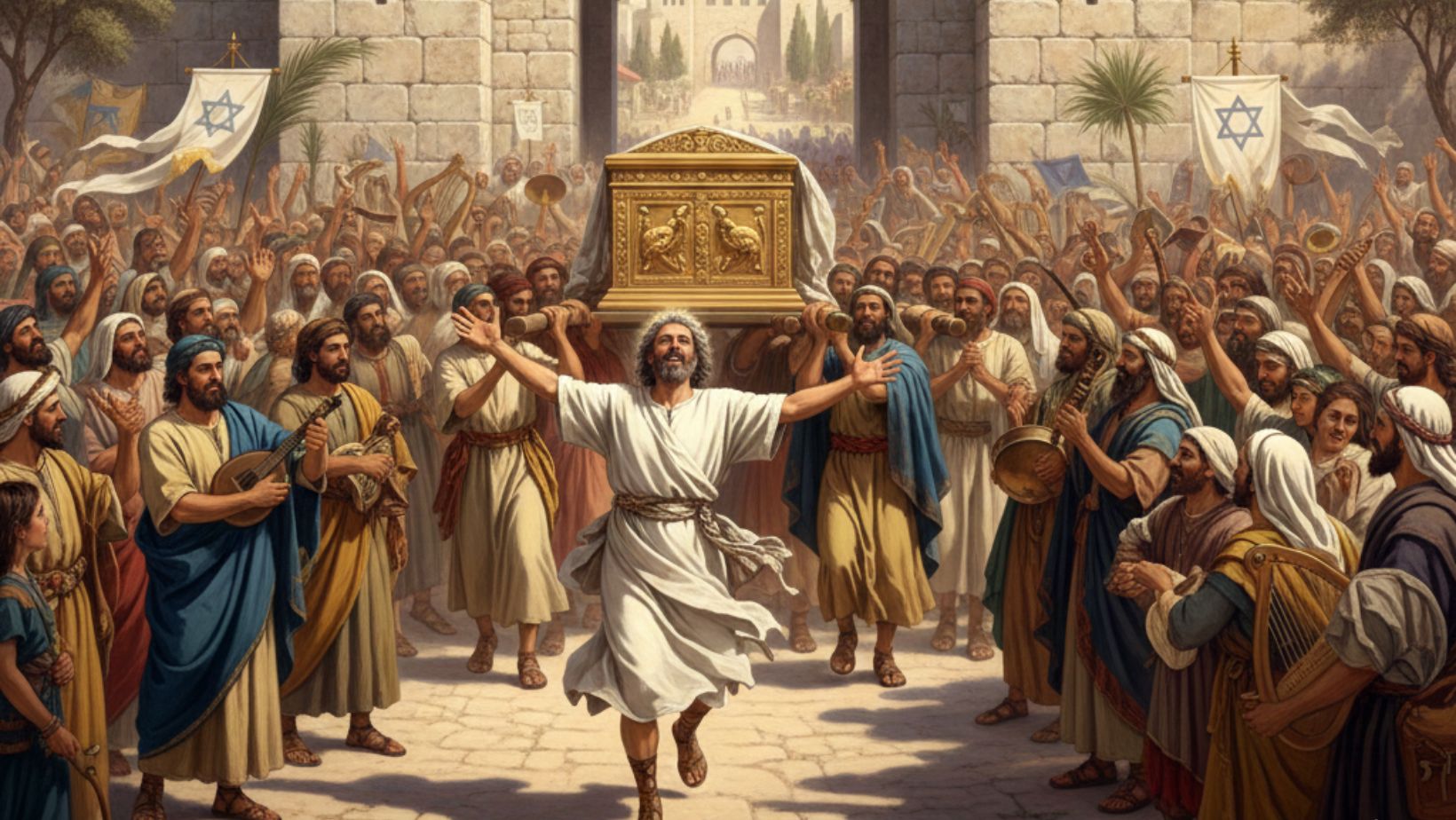
2 Samuel chronicles the reign of King David, highlighting his military triumphs, the divine promise of an eternal dynasty, and the profound personal consequences of his moral failures.

  • The City of David

    The City of David

    The City of David is the ancient, fortified ridge where King David established his capital, serving as the historical seed from which Jerusalem grew and the spiritual center of the Israelite kingdom.

    Read More >

  • The King Who Wept

    The King Who Wept

    The life of David shows us that true spiritual authority is not found in cold-blooded conquest, but in a heart that remains tender enough to mourn even for those who were once enemies.

    Read More

  • The General Who Fought God

    The General Who Fought God

    The life of Abner warns us that fighting against the known will of God to preserve our own position ultimately leads to a downfall that no amount of human strength can prevent.

    Read More

  • One Tribe at a Time

    One Tribe at a Time

    2 Samuel 2 teaches us that God’s promises are often fulfilled incrementally, requiring us to be faithful with the small territory we have before He entrusts us with the whole kingdom.

    Read More

  • The Book of Luke

    The Gospel of Luke is a meticulously researched historical narrative that presents Jesus as the compassionate Son of Man who brings salvation to the whole world—especially the poor, the outcast, and the lost. Read More

  • Parable of the Prodigal Son

    A loving father defies cultural expectations by running to welcome his rebellious son home with a feast, while simultaneously pleading with his resentful, self-righteous older son to join the celebration of grace. Read More

  • Romans 12:19

    “Dear friends, never take revenge. Leave that to the righteous anger of God. For the Scriptures say, ‘I will take revenge; I will pay them back,’ says the LORD.”

  • Romans 1:20

    “For ever since the world was created, people have seen the earth and sky. Through everything God made, they can clearly see his invisible qualities—his eternal power and divine nature. So they have no excuse for not knowing God.”

  • Psalm 1:3

    “They are like trees planted along the riverbank, bearing fruit each season. Their leaves never wither, and they prosper in all they do.”

  • 1  Samuel 10:16

    “We found the donkeys,” Saul replied. “But Saul didn’t tell his uncle that Samuel had anointed him to be king.”

  • Jeremiah 22:19

    “He will be buried like a dead donkey—dragged out of Jerusalem and dumped outside the gates.” (NLT)

Quick Facts about Bibliva

📖 Type: Biblical Encyclopedia
🌍 Focus: People, places, events, and teachings of the Bible
🎯 Purpose: To make God’s Word clear, accurate, and relevant to daily life
💡 Features: Short articles, summaries, timelines, and explanations
🕊️ Content Style: Faith-based, educational, and easy to understand
🏛️ Coverage: From Genesis to Revelation — creation, covenants, kings, prophets, and the life of Christ
📚 Audience: Students, teachers, pastors, and all Bible learners
🌐 Goal: To connect every story in Scripture to God’s plan of redemption

Bibliva is a comprehensive biblical encyclopedia that opens the doors of Scripture, guiding readers through the unfolding story of God from Genesis to Revelation. It connects faith, history, and truth—making the Bible understandable, relatable, and alive for every generation.

The Beginning of All Things

From Adam and Eve in the Garden of Eden to Noah building the ark, the journey of humanity begins with creation, fall, and redemption. Through Abraham and Sarah, God establishes a covenant of promise that passes on through Isaac, Rebekah, Jacob, and Joseph, leading His people from Ur to Canaan, and finally into Egypt—a place of both refuge and testing.

The Age of Deliverance and Kings

In Egypt, God raises Moses, who parts the Red Sea and leads Israel toward Sinai. Under Joshua, the people conquer Jericho and settle the Promised Land. Later come judges and kings—Deborah, Gideon, Saul, David, and Solomon—each revealing lessons of faith, courage, and leadership. Prophets like Elijah, Elisha, Isaiah, and Jeremiah rise to remind the nation that obedience brings blessing, and rebellion brings exile.

The Coming of the Messiah

Centuries later, prophecy is fulfilled in Jesus Christ, born in Bethlehem and raised in Nazareth. He walks the shores of Galilee, teaches in Jerusalem, and gives His life on Calvary. His disciples—Peter, John, James, and Paul—carry the gospel to cities like Antioch, Corinth, and Ephesus, spreading the light of salvation across the world.


What You’ll Find

  • Bible Characters: From Adam, Noah, and Abraham to Moses, David, and Jesus Christ, discover the people who shaped salvation history.
  • Sacred Places: Explore key locations like Eden, Egypt, Sinai, Jerusalem, Galilee, and Bethlehem, and understand their roles in God’s story.
  • Major Events: Learn about the Creation, Flood, Exodus, Crucifixion, and Resurrection, each revealing God’s faithfulness through time.
  • Biblical Teachings: Study the parables, covenants, prophecies, and miracles that reveal divine truth and moral guidance.
  • Faith Insights: Apply timeless biblical lessons to modern life—gaining wisdom, peace, and direction.

Bible Characters

  • Jonathan
  • Jonathan

    Jonathan was the valiant crown prince of Israel who chose loyalty to God’s anointed over his own ambition, becoming the Bible’s ultimate example of sacrificial friendship.


  • Michal

    Michal was the daughter of King Saul who saved David’s life out of love but ultimately ended her life in barren isolation because she valued royal dignity over humble worship.


  • Abner

    Abner was the powerful commander of Saul’s army who, after a long rivalry with David, sought to unite all Israel under David’s crown before being tragically assassinated by Joab.


Biblical Events

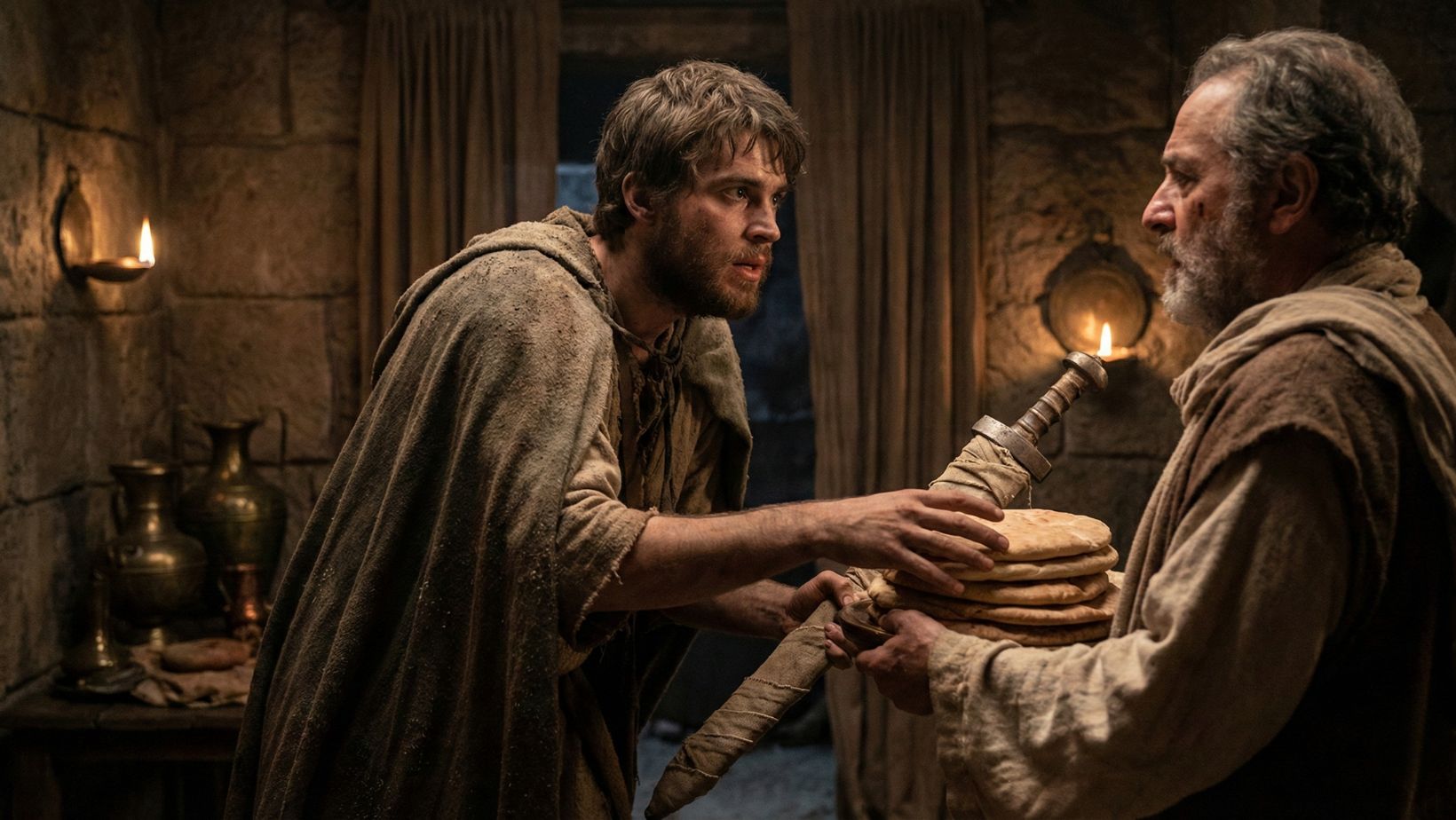
  • David lies to Ahimelech
  • David lies to Ahimelech

    David was Israel’s greatest king and a man after God’s own heart who, despite deep flaws and moments of deceit like his lie to Ahimelech, established the Messianic lineage through his repentance and faith.


  • Saul Anointed and Reigns

    Saul’s anointing and reign began with divine empowerment and military victory but tragically collapsed because he consistently chose political expediency and fear of man over absolute obedience to God.


  • Israel Demands a King

    Israel rejected God’s direct rule in favor of a human monarchy, prioritizing military security and conformity with their neighbors over their unique covenant identity.


Groups of People

  • The Egyptian Slave
  • The Egyptian Slave

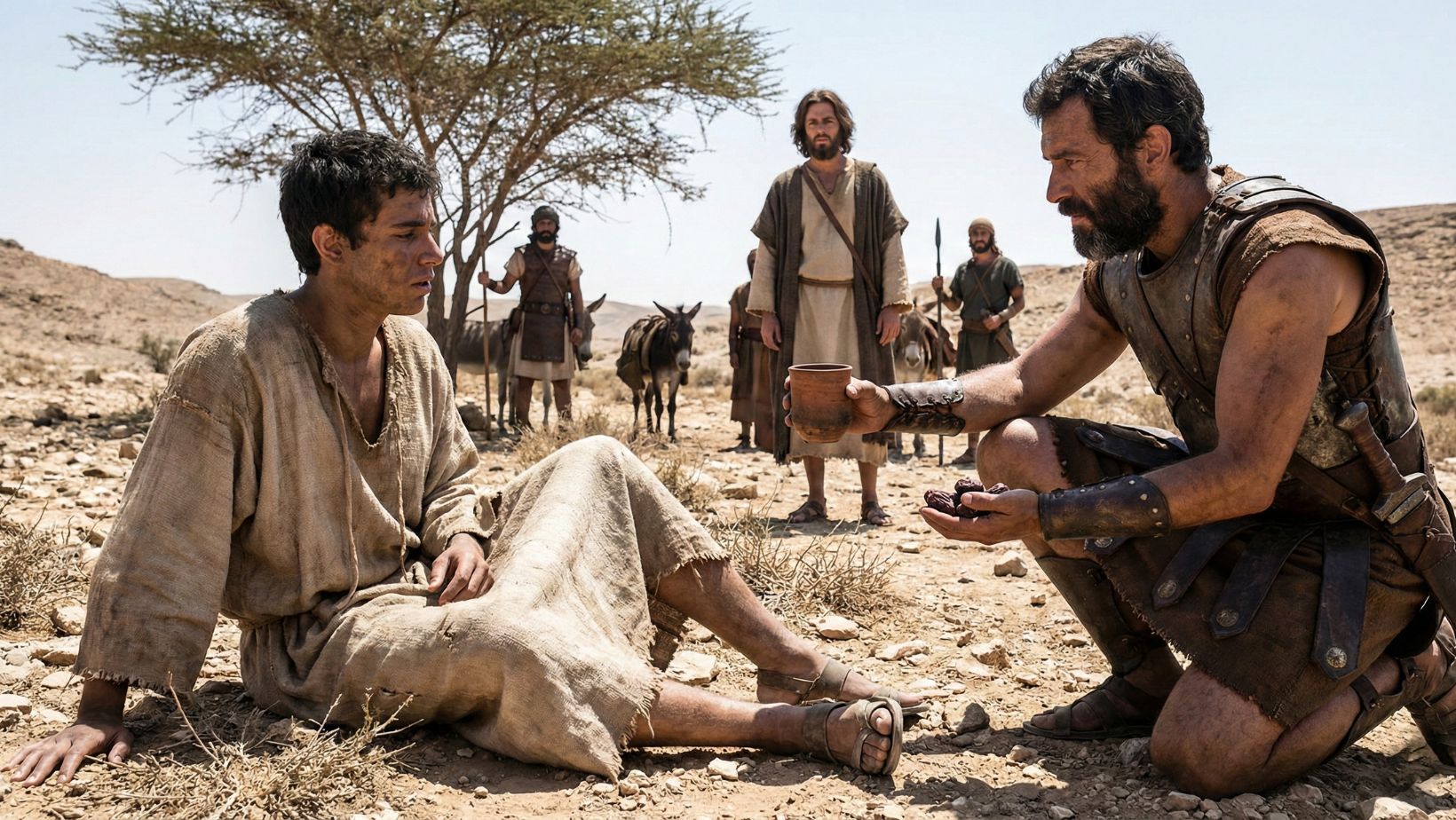
    The abandoned Egyptian slave was a providential instrument in 1 Samuel, whose rescue by David demonstrates how an act of kindness toward the marginalized can unlock the path to victory and restoration.


  • The Twelve Tribes of Israel

    The Twelve Tribes of Israel were the tribal divisions descended from the sons of Jacob that formed the foundation of the Israelite nation and the prophetic lineage of the Messiah.


  • Nabateans

    The Nabataeans were the wealthy Arab architects of Petra who controlled the ancient incense routes and played a critical, though often background, role in the political landscape of the New Testament era.


Objects and Symbols

  • Bronze Laver
  • Bronze Laver

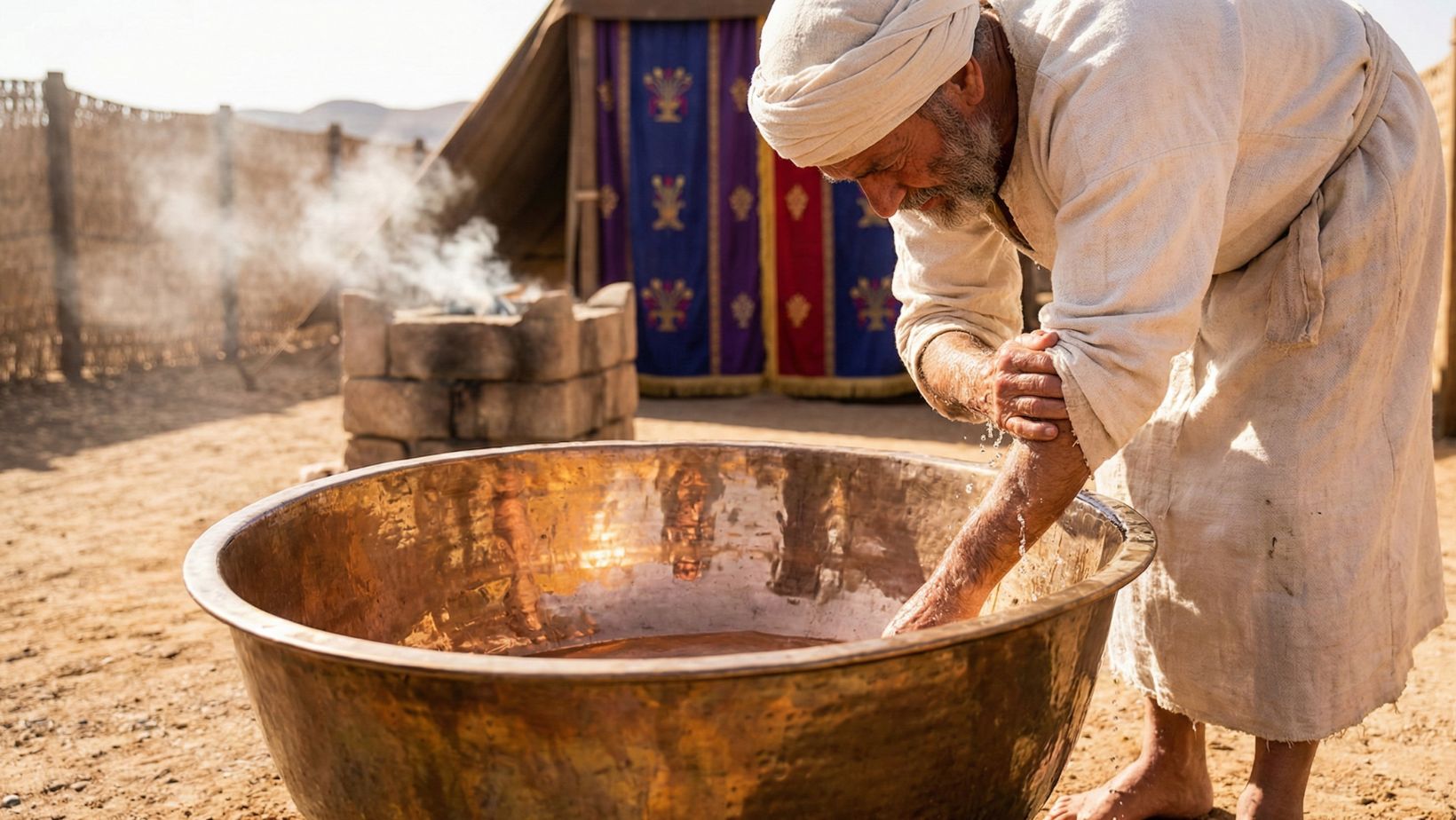
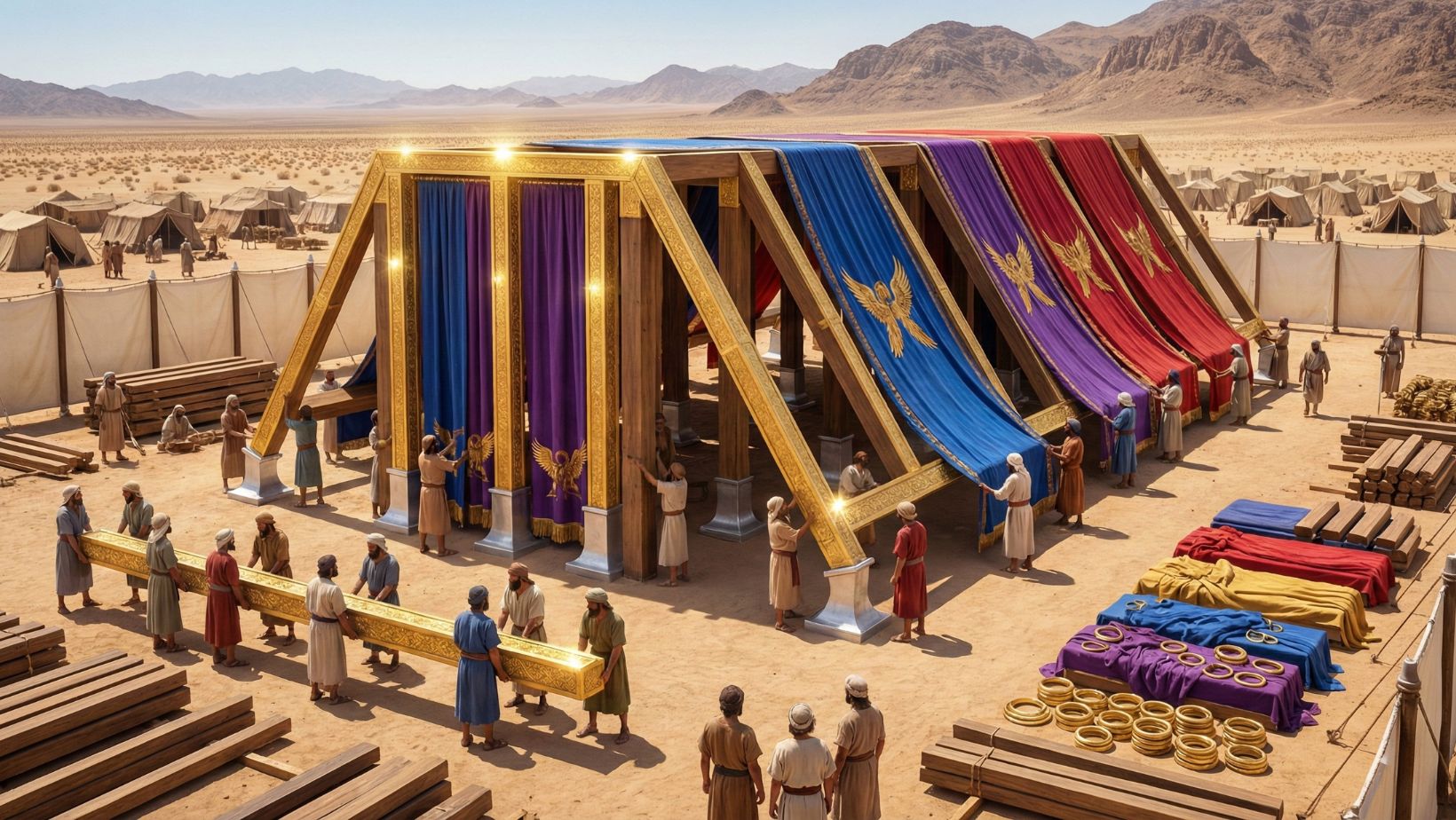
    The Bronze Laver was a sacred vessel made from the surrendered mirrors of faithful women, serving as the essential station of daily cleansing and self-examination for priests entering God’s presence.


  • Urim and Thummim

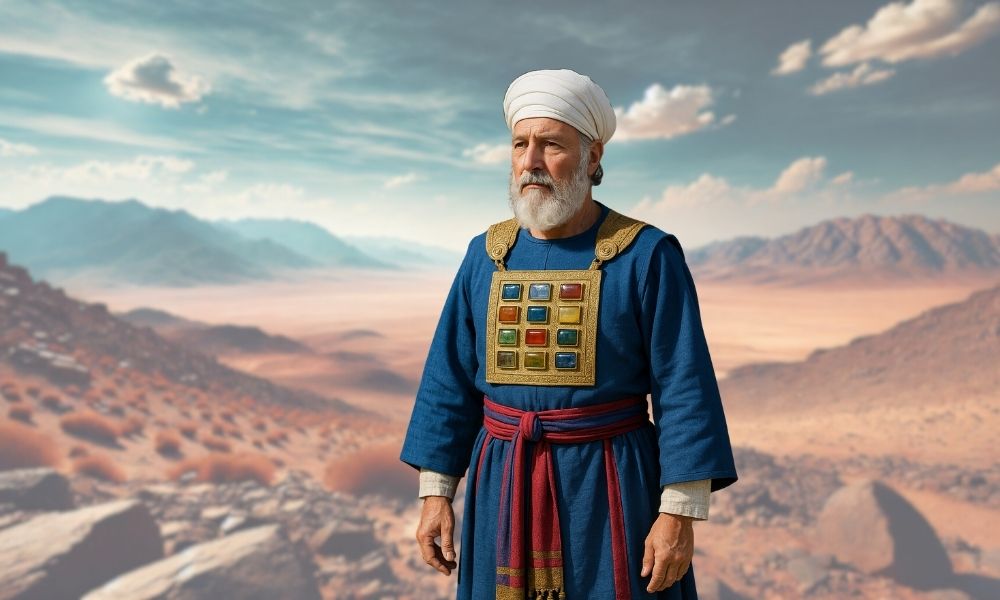
    The Urim and Thummim were sacred, mysterious instruments used by the High Priest of Israel to discern the perfect will of God for the nation before the rise of the prophets.


Trending Articles:

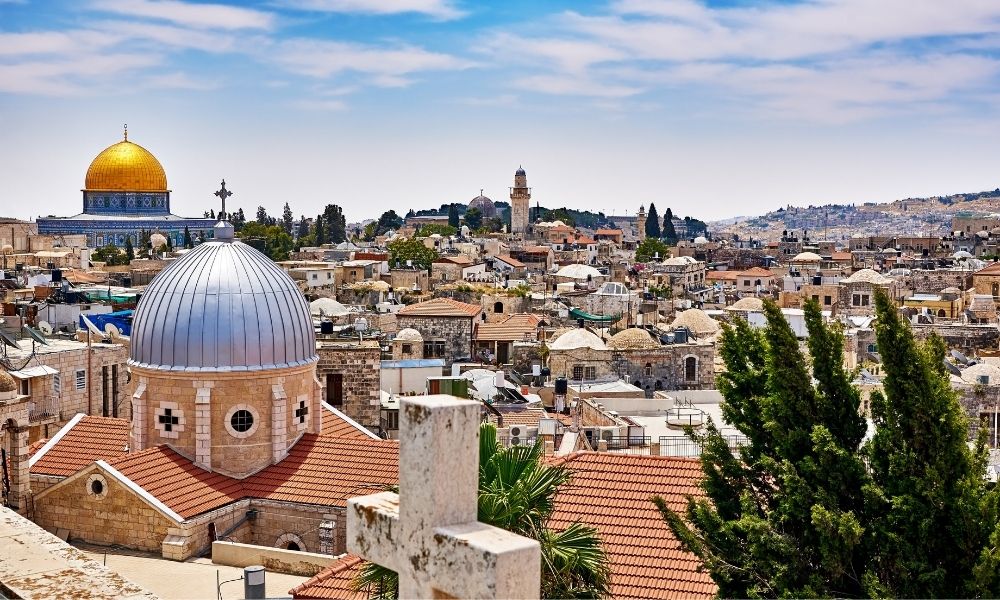
  • Holy city chosen by God, the heart of biblical history where His presence dwelt, Jesus was crucified and rose again, and where peace and redemption will be fulfilled forever.

  • The Sea of Galilee is the heart of Jesus’ ministry — a place of miracles, teaching, and calling, symbolizing the power of faith and the peace that comes from trusting in Christ.

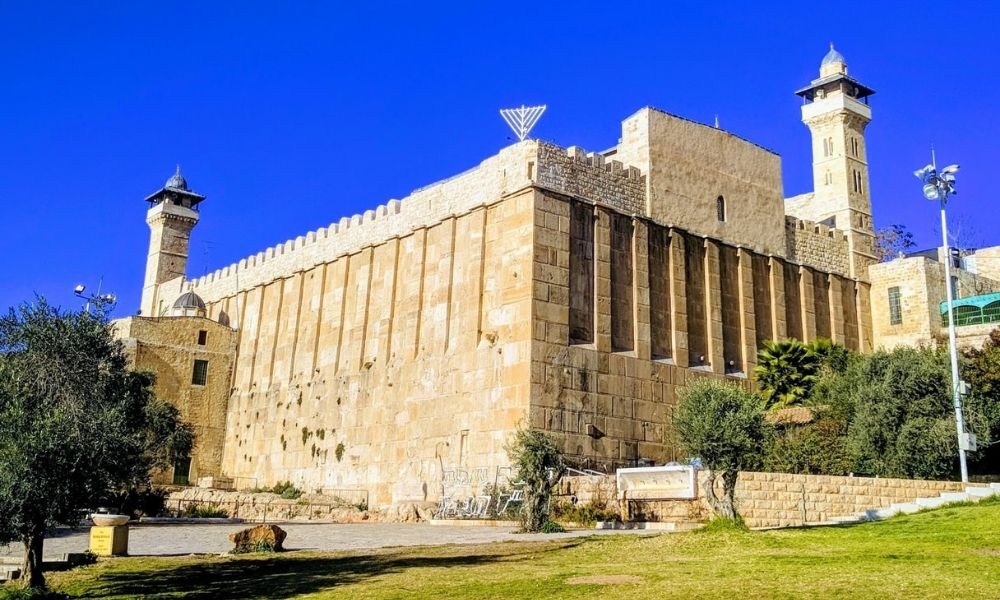
  • The Cave of Machpelah is the sacred burial place of the patriarchs and matriarchs, symbolizing God’s enduring covenant with His people.

  • The Book of Leviticus teaches God’s people how to live in holiness, worship rightly, and maintain fellowship with a holy God through sacrifice, purity, and obedience.

Bibliva

FREE
VIEW