
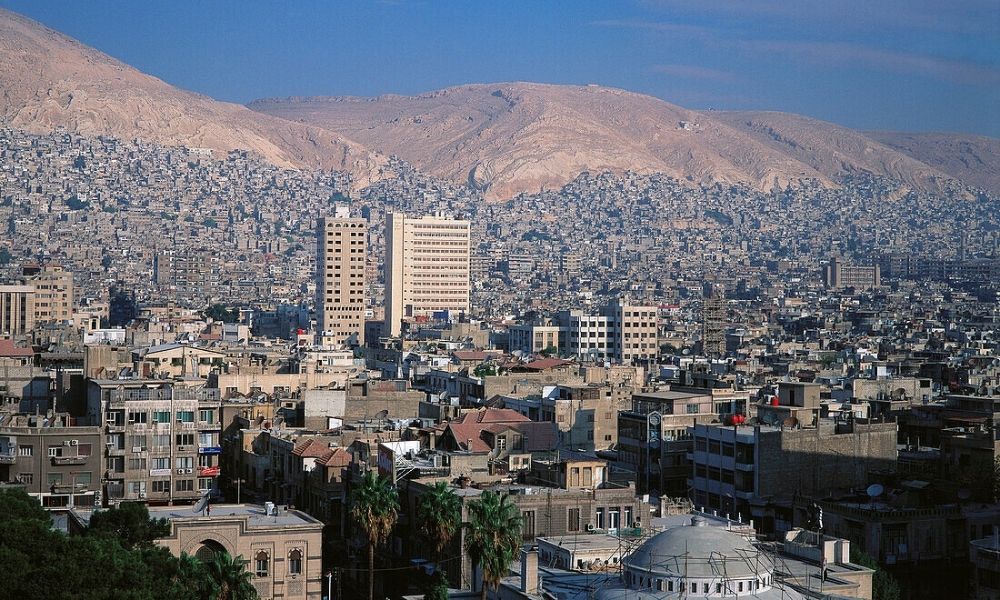
Damascus is one of the oldest continuously inhabited cities in the world, rich with biblical, historical, and cultural significance. Located in modern-day Syria, this ancient city has witnessed countless empires rise and fall — from the Arameans and Israelites to the Romans and early Christians. It is famously known as the place of Saul’s (Paul’s) dramatic conversion to Christianity, marking a pivotal moment in the New Testament narrative.
Quick Facts
Name: Damascus (Hebrew: Damméseq; Greek: Damaskos)
Meaning: “Well-watered land” or “a sack full of blood” (symbolic interpretations vary)
Location: Southwestern Syria, northeast of Mount Hermon
Region: Aram / Syria (Biblical Aram-Damascus)
Founded: Possibly as early as the 3rd millennium BCE
Biblical Mentions: Over 50 times in the Old and New Testaments
Key Biblical Figures: Abraham, Eliezer of Damascus, King David, King Ben-Hadad, Saul (Paul), Ananias
Modern Status: Capital of Syria; one of the world’s oldest inhabited cities
Biblical and Historical Significance
1. Early Mentions in Scripture
Damascus first appears in Genesis 14:15, in connection with Abraham’s military pursuit of the kings who captured Lot. It is also noted as the home of Eliezer of Damascus, Abraham’s trusted servant (Genesis 15:2).
2. Center of the Aramean Kingdom
In the time of the kings, Damascus was the capital of Aram, an influential kingdom often at war with Israel. Kings such as Ben-Hadad and Hazael appear frequently in the books of Kings and Chronicles as Israel’s adversaries (1 Kings 20; 2 Kings 8–13).
3. Conquered and Destroyed
Damascus fell to the Assyrians under Tiglath-Pileser III in 732 BCE (2 Kings 16:9), fulfilling the prophetic words of Isaiah and Amos (Isaiah 17:1; Amos 1:3–5).
4. Saul’s Conversion (New Testament Era)
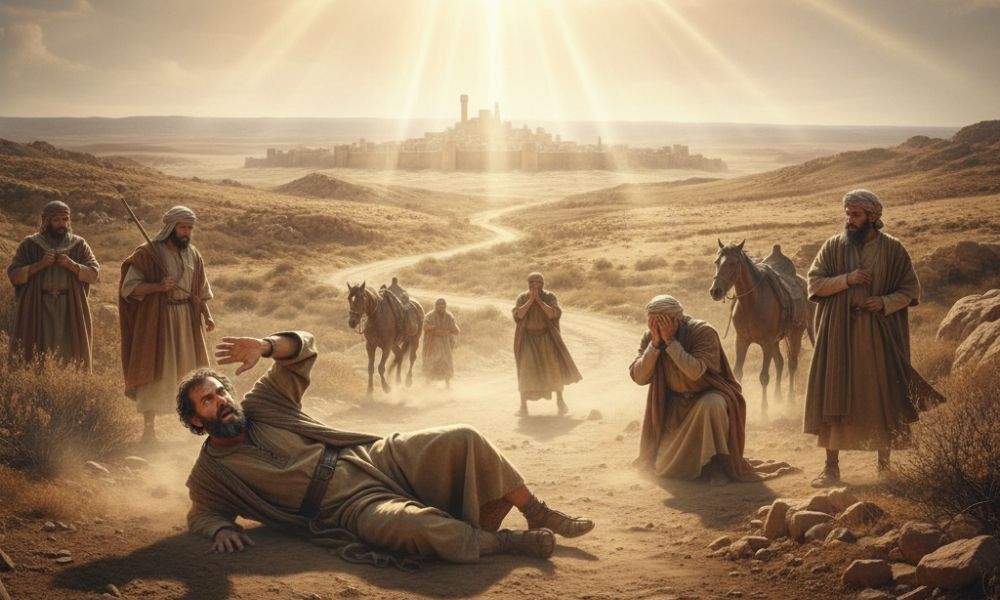
Perhaps its most famous moment comes in Acts 9, when Saul of Tarsus was traveling to Damascus to persecute Christians. On the road, he encountered a vision of the risen Christ — an event that transformed him into Paul the Apostle, the greatest missionary of the early church.
In Damascus, the disciple Ananias restored Saul’s sight and baptized him, signifying the beginning of Paul’s ministry.
Religious Importance
- For Jews: Associated with Abraham and early Semitic history.
- For Christians: A symbol of conversion, transformation, and divine calling (Acts 9).
- For Muslims: Revered as a sacred city; early Islamic history regards it as an important center of the Umayyad Caliphate.
Legacy and Symbolism
Damascus stands as a symbol of transformation — from conflict to peace, from persecution to faith. Just as Saul’s heart was changed on the road to Damascus, the city represents God’s power to redeem and renew.
Notable Passages
- Genesis 15:2: “Eliezer of Damascus” — Abraham’s servant.
- Isaiah 17:1: “See, Damascus will no longer be a city but will become a heap of ruins.”
- Acts 9:3–6: Saul’s encounter with Christ on the road to Damascus.
- Acts 9:10–18: Ananias baptizes Saul in Damascus.







Leave a Reply