
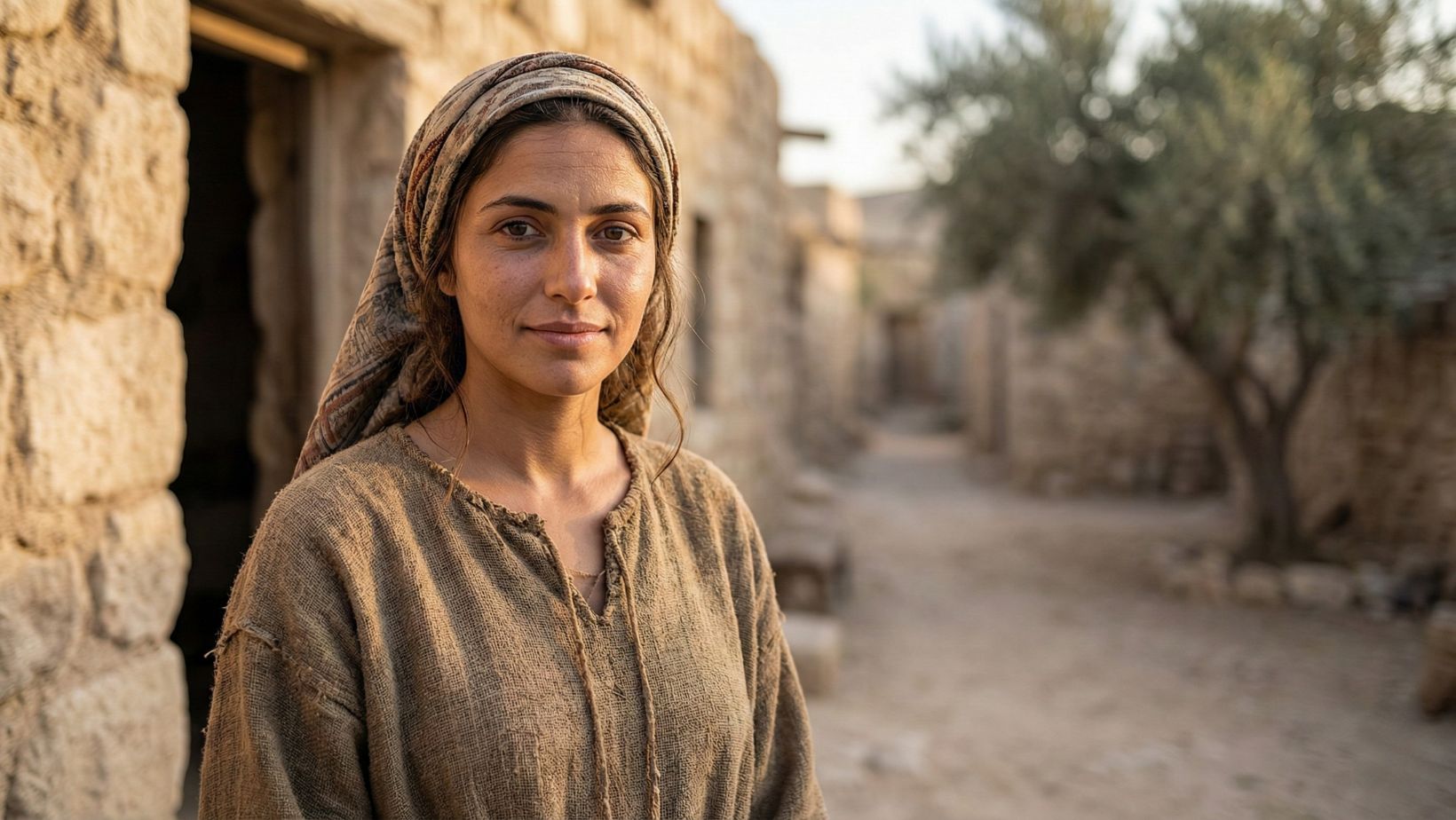
Mary, the mother of Jesus, is one of the most revered women in all of Scripture — honored for her humility, faith, and obedience to God’s will. Chosen to bear the Son of God, she exemplifies purity, devotion, and surrender. Her story reflects the fulfillment of prophecy and God’s grace working through human faithfulness. From the Annunciation to the Crucifixion, Mary’s life demonstrates steadfast trust in God’s plan and maternal love that shaped the Savior’s early years.
Name: Mary (Hebrew: Miryam, meaning “beloved,” “rebellious,” or “wished-for child”)
Tribe: Judah (descendant of David)
Era: Early 1st century BCE–1st century CE
Husband: Joseph, a carpenter of Nazareth
Home: Nazareth, Galilee → Bethlehem → Egypt → Nazareth
Children: Jesus (and possibly other children mentioned in the Gospels)
Book References: Gospels of Matthew, Luke, John; Acts 1
Key Virtues: Faith, humility, obedience, purity, courage
Titles: Theotokos (“God-bearer”), Blessed Virgin Mary, Mother of God
Symbol: Lily — representing purity and grace
Name Meaning
Mary derives from the Hebrew Miryam, possibly meaning “beloved” or “wished-for child.” Her name, common in Jewish tradition, carries deep resonance — symbolizing devotion and divine favor.
Lineage / Family Background
Mary descended from the house of David, fulfilling messianic prophecy (Luke 1:32–33). She lived in Nazareth, a small Galilean town. She was betrothed to Joseph, a righteous man, when the angel Gabriel appeared to her with the divine announcement that she would conceive by the Holy Spirit.
Biblical Era / Context
Mary lived during the Roman occupation of Judea, a time of longing for the promised Messiah. Her humble status contrasts sharply with the cosmic magnitude of her calling — to bear and raise the Son of God.
Major Roles / Identity
- Virgin chosen by God to bear the Messiah
- Faithful servant who submits fully to God’s will
- Mother and nurturer of Jesus
- Witness to Jesus’ ministry, death, and resurrection
- Symbol of faith for all believers
Key Character Traits
- Faith: Believed the angel’s word despite impossibility (Luke 1:38)
- Humility: Saw herself as the Lord’s servant
- Obedience: Surrendered her life to God’s purpose
- Strength: Endured suffering and grief, remaining steadfast
- Love: Displayed tender care and maternal devotion to Jesus
Main Life Events
- The Annunciation: Gabriel announces she will conceive the Son of God (Luke 1:26–38)
- The Visitation: Visits Elizabeth, who blesses her as “mother of my Lord” (Luke 1:39–45)
- The Nativity: Gives birth to Jesus in Bethlehem (Luke 2:6–7)
- Presentation at the Temple: Simeon prophesies her suffering (Luke 2:25–35)
- Flight into Egypt: Escapes Herod’s massacre (Matthew 2:13–15)
- At the Cross: Stands near Jesus during His crucifixion (John 19:25–27)
- After the Resurrection: Prays with the disciples (Acts 1:14)
Major Relationships
- Joseph: Her faithful husband and protector
- Jesus: Her divine Son, Savior of the world
- Elizabeth: Cousin who recognizes her blessed calling
- God: Her ultimate source of strength and purpose
Notable Passages
- Luke 1:38: “I am the Lord’s servant… may your word to me be fulfilled.”
- Luke 1:46–49: The Magnificat — “My soul glorifies the Lord and my spirit rejoices in God my Savior.”
- John 2:5: “Do whatever He tells you” — her instruction at the wedding in Cana.
- John 19:26–27: Jesus entrusts her to John’s care at the cross.
Legacy & Impact
Mary’s faith made her the model of discipleship — trusting and obeying God completely. She is venerated across Christian traditions as the mother of God’s Son and a symbol of holiness and surrender. Her life bridges Old Testament promise and New Testament fulfillment, embodying the heart of God’s redemptive plan.
Symbolism / Typology
- Mary: The faithful handmaid — representing humanity’s “yes” to God.
- Jesus’ birth: God entering the world through purity and obedience.
- Her motherhood: Symbol of divine compassion and nurture.
- Lily or blue cloak: Purity and heavenly grace in art and iconography.
Extra-Biblical References
- Honored in Christian tradition as the Blessed Virgin Mary, commemorated in feasts such as the Annunciation, Nativity of Mary, and Assumption.
- Revered in both Catholic and Orthodox theology as the Theotokos — “God-bearer.”
- Her Magnificat is recited daily in Christian liturgy, celebrating God’s mercy and justice.







Leave a Reply