
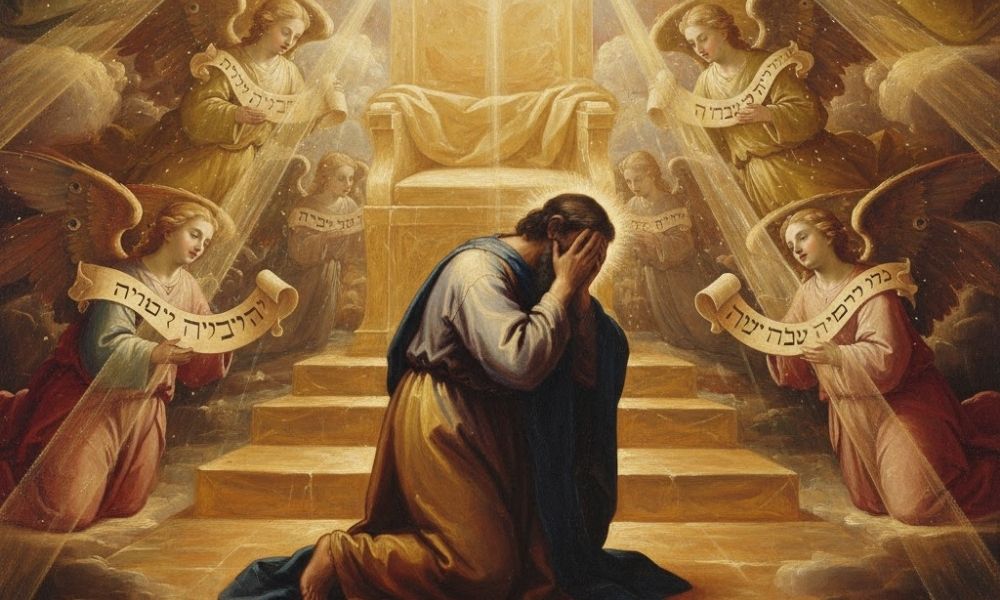
The holiness of God is the central and most defining attribute of His divine nature. It encompasses His absolute moral purity, perfection, and complete separation from sin and all that is evil. God’s holiness sets Him apart from all creation — He is utterly unique, glorious, and transcendent. In Scripture, both the prophets and the heavenly hosts proclaim, “Holy, holy, holy is the LORD Almighty; the whole earth is full of His glory” (Isaiah 6:3). His holiness inspires awe, reverence, and worship, reminding humanity of both His majesty and our need for purification and grace.
Quick Facts
Definition: The moral and spiritual perfection of God — His complete purity, goodness, and separation from sin.
Hebrew Word: Qadosh — meaning “set apart,” “sacred,” or “pure.”
Greek Word: Hagios — meaning “holy,” “consecrated,” or “morally pure.”
Key Scripture: Isaiah 6:3; Revelation 4:8; 1 Peter 1:16
Symbol: Burning fire — representing purity, power, and divine presence.
Result: Calls believers to holiness: “Be holy, for I am holy.”
Meaning of Holiness
God’s holiness is more than moral perfection — it is the totality of His divine nature that makes Him completely distinct from all creation. It speaks of His infinite goodness, His utter opposition to sin, and His radiant glory. Holiness defines everything God does; His love is holy, His justice is holy, and His mercy is holy.
Biblical Revelations of God’s Holiness
1. Moses at the Burning Bush (Exodus 3:5):
God reveals Himself as holy ground — Moses must remove his sandals in reverence.
2. Isaiah’s Vision (Isaiah 6:1–7):
The prophet sees the Lord high and exalted; the seraphim cry out “Holy, holy, holy,” and Isaiah becomes aware of his sinfulness.
3. The Heavenly Throne (Revelation 4:8):
The same threefold declaration of holiness is repeated, showing God’s eternal and unchanging nature.
The Call to Holiness
Because God is holy, His people are called to reflect His character. Holiness for believers means being set apart for God’s purposes — living in obedience, purity, and reverence. Peter echoes this in 1 Peter 1:15–16: “Just as He who called you is holy, so be holy in all you do.”
The Impact of Holiness
- Reveals Sin: God’s holiness exposes human sinfulness (Isaiah 6:5).
- Demands Worship: True worship flows from recognizing God’s holiness (Psalm 99:5).
- Produces Fear and Reverence: The holiness of God inspires awe, not terror, for those cleansed by grace (Hebrews 12:28–29).
- Transforms Believers: Through Christ, believers are sanctified and made holy by the Spirit (1 Thessalonians 5:23).
Holiness and Redemption
God’s holiness cannot tolerate sin, yet His love made a way through Jesus Christ. On the cross, divine justice and mercy met perfectly — the Holy One took upon Himself our unholiness so that we might share in His holiness (2 Corinthians 5:21; Hebrews 10:10).
Legacy of God’s Holiness
The holiness of God is not merely a theological concept; it is the foundation of Christian life and worship. It invites us into deeper awe, purity, and devotion — to reflect His glory in a fallen world.







Leave a Reply