
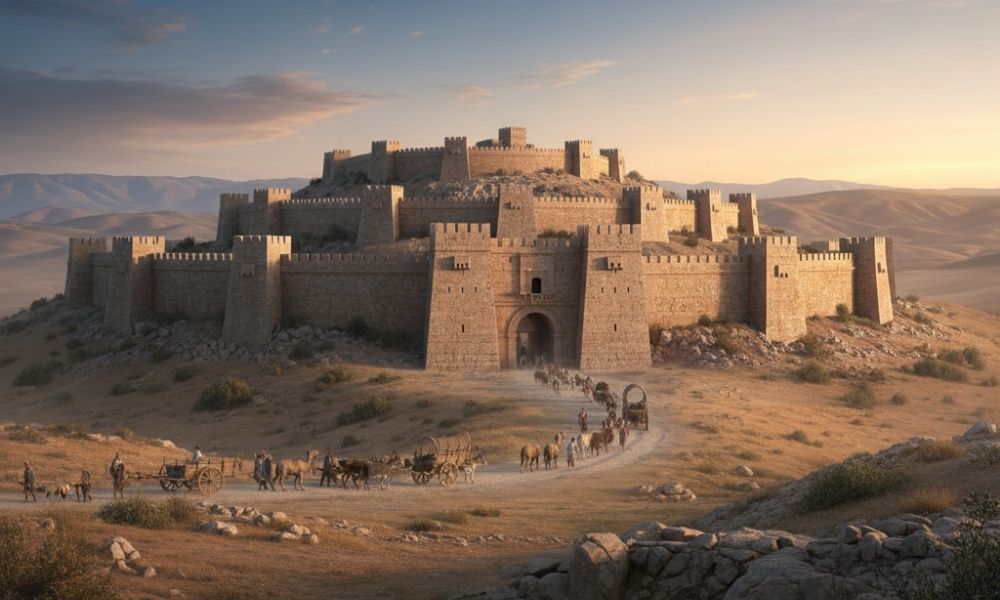
Hazor

Hazor was the dominant Canaanite fortress-city of northern Israel, known as the “head of all kingdoms” in the biblical era.


Hazor was one of the most powerful Canaanite cities in the ancient Near East — a strategic stronghold mentioned often in the Bible. Known as the “head of all those kingdoms,” it dominated trade routes in northern Israel and played a major role in Israel’s early history.


Quick Facts

Name: Hazor (Hebrew: Chatsor, meaning “enclosure” or “fortress”)
Region: Northern Canaan / Upper Galilee
Era: Bronze Age to Iron Age
Known For: Largest Canaanite city; key military and trade center
Biblical References: Joshua 11; Judges 4–5; 1 Kings 9:15
Rulers Mentioned: Jabin (title of Hazor’s kings)
Archaeology: Massive ruins, palace remains, fortifications, destruction layers


Location & Historical Background

Hazor sat along key trade routes linking Egypt, Mesopotamia, and the Levant. Its size and wealth made it the cultural and economic capital of northern Canaan during the Late Bronze Age.


Biblical Significance

Hazor appears in several major biblical narratives. Joshua captured and burned it during the Israelite conquest. Later, during the time of the Judges, King Jabin of Hazor oppressed Israel until Deborah and Barak defeated his general Sisera. Solomon later rebuilt the city as part of his defensive network.
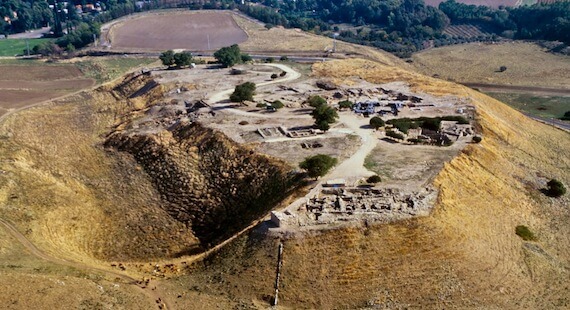
Tel Hazor—Canaan's Largest City Lost in the Minds of Many
Tel Hazor—Canaan’s Largest City Lost in the Minds of Many

Political & Cultural Role

As a fortified city with strong walls, palaces, and temples, Hazor was a regional superpower. Its rulers controlled other nearby towns, and its influence stretched across northern Canaan. The city’s wealth came from long-distance trade and agriculture.


Archaeological Insights

Excavations at Tel Hazor have uncovered impressive remains: a royal palace, Canaanite temples, gates from Solomon’s era, and evidence of large-scale destruction that matches the biblical accounts of conquest and later conflicts.


Legacy & Importance

Hazor stands out as a symbol of ancient power, conflict, and transformation — a city that rose to dominate the region, fell dramatically, and was rebuilt in Israel’s kingdom period. Its ruins today offer some of the richest archaeological findings in the Holy Land.


Leave a Reply

Your email address will not be published. Required fields are marked *

Bible Characters

  • Jonathan
  • Jonathan

    Jonathan was the valiant crown prince of Israel who chose loyalty to God’s anointed over his own ambition, becoming the Bible’s ultimate example of sacrificial friendship.


  • Michal

    Michal was the daughter of King Saul who saved David’s life out of love but ultimately ended her life in barren isolation because she valued royal dignity over humble worship.


  • Abner

    Abner was the powerful commander of Saul’s army who, after a long rivalry with David, sought to unite all Israel under David’s crown before being tragically assassinated by Joab.


Biblical Events

  • The Error of Uzzah
  • Jonathan

    Jonathan was the valiant crown prince of Israel who chose loyalty to God’s anointed over his own ambition, becoming the Bible’s ultimate example of sacrificial friendship.


  • Michal

    Michal was the daughter of King Saul who saved David’s life out of love but ultimately ended her life in barren isolation because she valued royal dignity over humble worship.


  • Abner

    Abner was the powerful commander of Saul’s army who, after a long rivalry with David, sought to unite all Israel under David’s crown before being tragically assassinated by Joab.


Bible Locations

  • The City of David
  • The City of David

    The City of David is the ancient, fortified ridge where King David established his capital, serving as the historical seed from which Jerusalem grew and the spiritual center of the Israelite kingdom.


  • Mahanaim

    Mahanaim, meaning “Two Camps,” was the historic fortress city east of the Jordan where Jacob met angels and where kings Ishbosheth and David found refuge during Israel’s greatest civil wars.


  • Jabesh-gilead

    Jabesh-gilead was a city defined by a legacy of survival and fierce loyalty, best known for the valiant night raid to retrieve the bodies of King Saul and his sons from Philistine desecration.


You May Also Like:

  • The Error of Uzzah serves as a stark warning that God’s absolute holiness demands profound reverence, and that sincere human intentions can never replace strict obedience to His commands.

  • Lamentations 3:22–23 reveals that God’s faithfulness is not dependent on human strength. Even in devastation, His love sustains, His mercy renews daily, and His covenant remains unbroken. When we are emptied of strength, we discover the fullness of His constancy. When you run out, God remains faithful.

  • “The faithful love of the Lord never ends! His mercies never cease.”

  • On the first day of the new year, Moses sets up the Tabernacle exactly as commanded, and the glory of the Lord fills the tent so intensely that even Moses cannot enter, marking God’s permanent dwelling among His people.

Bibliva

FREE
VIEW




