
The Jebusites were a Canaanite tribe who inhabited and controlled the city of Jebus (Jerusalem) prior to its capture by King David. Situated in the hill country, they were known for their military confidence; they believed their fortress on Mount Zion was so impregnable that even “the blind and the lame” could defend it against the Israelites. Unlike other Canaanite nations that were destroyed or displaced early in the conquest, the Jebusites maintained a sovereign enclave within the territory of Israel for centuries, dwelling directly between the tribes of Judah and Benjamin. Their eventual defeat by David marked the turning point that transformed a pagan stronghold into the spiritual and political capital of God’s people.
- Ancestry: Descendants of Jebus (Son of Canaan, Son of Ham)
- Region: The mountains of Moriah (Jerusalem/Zion)
- Key City: Jebus (later Jerusalem)
- Key Figures: Adonizedek (King who fought Joshua), Araunah (sold the Temple site to David)
- Biblical Role: The stubborn occupiers of the Holy City
- Fate: Conquered by David; assimilated into Israelite society
- Symbol: The Threshing Floor (Site of the Temple)
Name Meaning
The name “Jebusite” (Hebrew: Yevusi) is derived from the name of their city, Jebus. The etymology is uncertain but is sometimes associated with “trodden down” (perhaps relating to a threshing floor) or simply the name of a clan ancestor. Jebus was the ancient name for Jerusalem during the period of the Judges.
Origin / Family Background
Genealogy: Genesis 10:16 lists the Jebusites as the third tribe descended from Canaan.
Geography: They were distinct “hill country” people. Numbers 13:29 states: “The Amalekites live in the Negev; the Hittites, Jebusites and Amorites live in the hill country.” Their location was strategic, controlling the north-south ridge route through the central mountains.
Biblical Era / Context
The Conquest (Joshua): The King of Jerusalem, Adonizedek, led a coalition against Joshua but was defeated. However, the city itself—specifically the fortress of Zion—was not taken.
The Period of Judges: Judges 1:21 notes a significant failure: “The Benjamites, however, did not drive out the Jebusites, who were living in Jerusalem; to this day the Jebusites live there with the Benjamites.” This created a situation where the future capital was an enemy island in the midst of Israel.
The Monarchy (David): The Jebusites held the city until approximately 1000 BCE, when David finally captured it to unite the northern and southern tribes.
Key Interactions / Events
The Taunt of the Jebusites: When David marched against Jerusalem, the Jebusites mocked him, shouting, “You will not get in here; even the blind and the lame can ward you off” (2 Samuel 5:6). They were confident in their high walls and the steep valleys surrounding Zion.
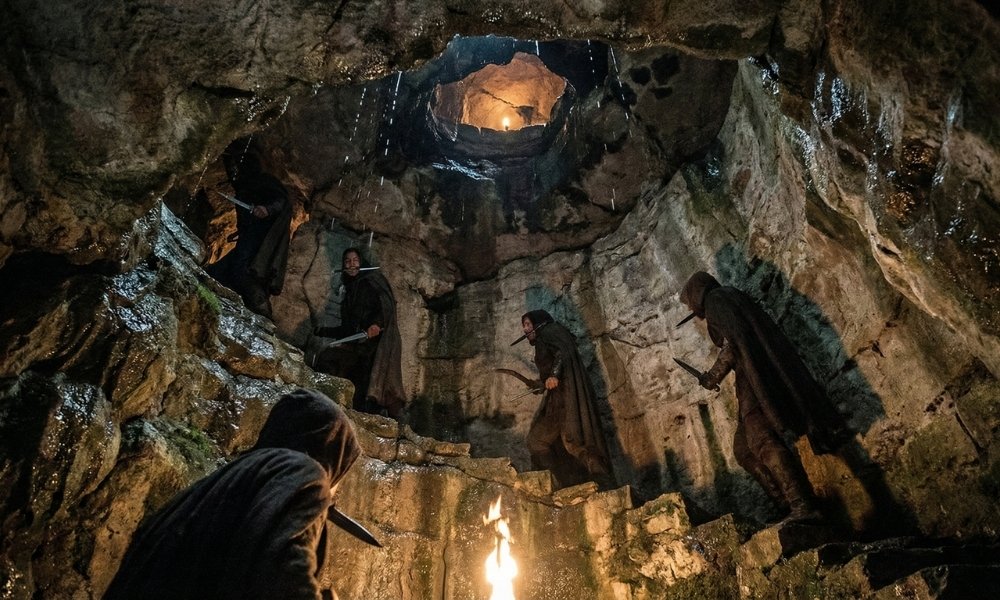
Joab’s Surprise Attack: David offered the position of Commander-in-Chief to whoever struck the Jebusites first. Joab, David’s nephew, led a daring raid by climbing up the “water shaft” (a vertical tunnel leading to the Gihon Spring), bypassing the walls and taking the city from the inside (2 Samuel 5:8; 1 Chronicles 11:6).
The Threshing Floor of Araunah: Years later, when a plague struck Israel due to David’s sin, the Angel of the Lord stopped at the threshing floor of Araunah (or Ornan) the Jebusite. David insisted on buying the floor to build an altar. Araunah offered it for free, but David famously replied, “I will not offer to the Lord my God burnt offerings that cost me nothing.” This site eventually became the foundation of Solomon’s Temple (2 Samuel 24).
Major Roles / Identity
The Holdouts: They represent the most stubborn resistance to the Israelite conquest. While Jericho fell quickly, Jebus held out for roughly 400 years after Joshua entered the land.
The Original Jerusalemites: They built the original fortifications of the City of David (some of which, like the Stepped Stone Structure, are uncovered by archaeology today).
The Assimilated Remnant: After David conquered the city, he did not exterminate the Jebusites. Araunah was still a wealthy property owner years later, indicating that the Jebusites were allowed to live in Jerusalem as subjects of the King.
Notable Passages
Joshua 15:63: “Judah could not dislodge the Jebusites… to this day the Jebusites live there with the people of Judah.”
2 Samuel 5:7: “Nevertheless, David captured the fortress of Zion—which is the City of David.”
2 Chronicles 3:1: “Then Solomon began to build the temple of the Lord in Jerusalem on Mount Moriah, where the Lord had appeared to his father David. It was on the threshing floor of Araunah the Jebusite.”
Zechariah 9:7: A prophecy of future inclusion—”They too will become a remnant for our God and will become like a clan in Judah, and Ekron will be like the Jebusites.”
Legacy & Impact
Zion: The Jebusite name for their citadel, “Zion,” was retained by Israel and became the most potent theological symbol for God’s Kingdom, the City of God, and the Messianic age.
The Temple Mount: The holiest site in Judaism (and significant to Christianity and Islam) sits on land purchased legally from a Jebusite. This underscores a recurring biblical theme: God redeeming pagan ground for holy purposes.
Archaeology: The “Warren’s Shaft” system in Jerusalem is widely believed to be the water shaft Joab used to conquer the city.
Symbolism / Typology
The Heart of the Kingdom: Typologically, the Jebusite stronghold represents the heart or “capital” of the human will. It is the last place to surrender to the King (Jesus/David). Once conquered, it becomes the dwelling place of God (the Temple).
The Water Shaft: Represents the “back door” or hidden weakness. Even the most “impregnable” pride can be conquered by God’s strategic power.





Leave a Reply