
The Kenites were a nomadic clan of metalworkers who maintained a unique, long-standing alliance with the nation of Israel. Though they are often associated with the Midianites—Moses’ father-in-law Jethro was a Kenite—they appear as a distinct group that lived among various peoples in the Negev and Canaan. Unlike most other inhabitants of the land who were hostile to Israel, the Kenites were friendly, largely because of the bond formed between Moses and Jethro in the wilderness. They were itinerant artisans, likely tinkers or copper-smiths, who traveled circuits repairing weapons and tools. Their legacy is one of fierce loyalty to Yahweh and a stubborn refusal to settle into city life, best exemplified by the sub-clan of the Recabites.
- Ancestry: Connected to Midian; descendants of “Cain” (Qayin)
- Region: The Negev, Sinai, and scattered throughout Judah/Galilee
- Meaning: “Smiths” or “Descendants of Cain”
- Key Figures: Jethro (Reuel), Jael, Heber, Jonadab (Jehonadab)
- Biblical Role: Faithful allies; metalworkers; keepers of ancient ways
- Fate: Assimilated into the tribe of Judah
- Symbol: The Anvil / The Tent
Name Meaning
The name “Kenite” (Hebrew: Qayni) is derived from the root Qayin, which means “Smith” or “Metalworker.” It is linguistically identical to the name “Cain.” This suggests their primary trade was metallurgy—working with copper and bronze—which allowed them to move freely across borders as essential craftsmen whom no one wanted to kill.
Origin / Family Background
The Midianite Connection: The Kenites are most famously linked to Jethro, the priest of Midian. Judges 1:16 calls Jethro “the Kenite.” This implies the Kenites were either a sub-tribe of the Midianites or a distinct professional guild (smiths) living among them.
The Ancient Line: Interestingly, “Kenites” are mentioned in Genesis 15:19 as inhabiting the land as far back as Abraham, long before Moses. This suggests they were an ancient, established group of desert dwellers who later bonded with Israel through the Exodus experience.
Biblical Era / Context
The Wilderness: They joined the Israelites during the desert wanderings. Moses invited his brother-in-law Hobab the Kenite to guide them, saying, “You know where we should camp in the wilderness, and you will be our eyes.”
The Judges: By the time of the Judges, they had split. Most lived in the south (Negev) with the tribe of Judah, but Heber the Kenite separated and moved north to Galilee, maintaining peace with the Canaanite King Jabin while still holding loyalty to Israel.
The Monarchy: During the reign of Saul, the Kenites were living among the Amalekites. Before Saul attacked the Amalekites, he sent a warning to the Kenites to evacuate so they wouldn’t be destroyed as collateral damage, citing the kindness they had shown Israel during the Exodus.
Key Interactions / Events
Jethro’s Counsel: Jethro, the Kenite priest, visited Moses in the desert and observed him burning out from overwork. He instituted the first judicial system for Israel, advising Moses to appoint leaders over thousands and hundreds to judge minor cases.
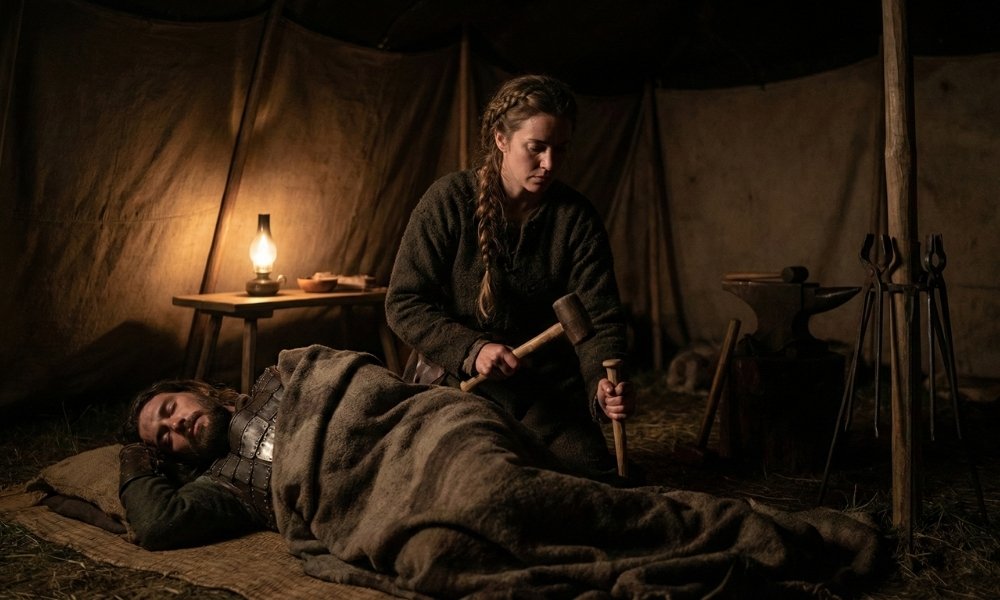
Jael and Sisera: The most violent hero of the Kenites was Jael, wife of Heber. When the Canaanite general Sisera fled from Barak’s army, he took refuge in Jael’s tent, thinking the Kenites were neutral. Jael gave him milk to sleep, then drove a tent peg through his temple, securing victory for Israel.
The Recabite Vow: In Jeremiah 35, the prophet invites the Recabites (a Kenite clan descended from Jonadab) into the Temple and offers them wine. They refuse, citing the command of their ancestor Jonadab never to drink wine, never to build houses, and never to plant crops, but to live in tents forever. God uses their obedience as a shaming example to the disobedient people of Judah.
Major Roles / Identity
The Smiths: As their name implies, they likely introduced Israel to copper working in the desert. The presence of the “Bronze Serpent” (Nehushtan) in the wilderness may have links to Kenite metallurgical skills utilized by Moses.
The Radical Nomads: The Recabites represent the Kenite ideal of holding fast to the simple, desert way of life. They rejected the “corruption” of city living (agriculture and alcohol), preferring the purity of the nomadic existence.
Notable Passages
Judges 1:16: “The descendants of Moses’ father-in-law, the Kenite, went up from the City of Palms with the people of Judah to live among the inhabitants of the Desert of Judah.”
Judges 4:21: “But Jael, Heber’s wife, picked up a tent peg and a hammer and went quietly to him while he lay fast asleep… she drove the peg through his temple into the ground, and he died.”
1 Samuel 15:6: “Saul said to the Kenites, ‘Go, depart… for you showed kindness to all the children of Israel when they came up out of Egypt.’”
Jeremiah 35:6: “But they replied, ‘We do not drink wine, because our forefather Jonadab son of Recab gave us this command… You must never build a house or sow seed… you must always live in tents.’”
Legacy & Impact
Survival through Fidelity: Because of the blessing of Jonadab, God promised that “Jonadab son of Recab will never fail to have a descendant to serve me.” This implies that the Kenites, though foreigners, found a permanent place in God’s service due to their faithfulness.
Integration: Eventually, the Kenites seem to have been fully absorbed into the tribe of Judah. 1 Chronicles 2:55 lists the clans of scribes living at Jabez as Kenites, indicating they transitioned from smiths to scholars/scribes in later history.
Symbolism / Typology
The Tent Peg: Jael’s tent peg represents the use of “weak things” to confound the mighty. A domestic tool in the hand of a non-soldier woman defeated the greatest military general of the age.
The Recabites: They serve as a “type” of the faithful remnant. While the covenant people (Israel) were breaking God’s law, these foreigners were religiously keeping the law of their earthly father, highlighting the irony of Israel’s rebellion.







Leave a Reply