
The Love of God is the central, driving theme of the entire biblical narrative, distinguishing the God of the Bible from the deities of all other ancient religions. Unlike the capricious gods of mythology who demanded appeasement, the God of Scripture is defined by a self-giving, sacrificial, and steadfast love (Chesed in Hebrew, Agape in Greek). This love is not merely an emotion but an act of will—a covenant commitment that pursues humanity despite their rebellion, culminating in the ultimate demonstration of love: the cross of Jesus Christ. It is a love that is unearned, unbreakable, and unending.
Quick Facts
- Key Terms: Chesed (Hebrew: Loyal/Covenant Love), Agape (Greek: Self-sacrificial/Divine Love), Ahavah (Hebrew: Affection)
- Primary Definition: God is Love (1 John 4:8)
- Nature: Unconditional, Initiating, Sacrificial, Eternal
- Ultimate Expression: The sacrifice of Jesus (John 3:16, Romans 5:8)
- Recipients: The World (General), Israel (Covenant), The Church (Redemptive), The Individual (Personal)
- Opposite: Wrath (which is the necessary reaction of Holy Love against sin)
Name Meaning / Terminology
Chesed (Old Testament): Often translated as “lovingkindness,” “steadfast love,” or “mercy.” It refers to love that is loyal to a promise. It is the love of a covenant—God loves Israel not because they are good, but because He promised Abraham He would.
Agape (New Testament): A specific Greek word used by early Christians to describe God’s love. It differs from Eros (romantic love) or Philia (friendship) because it is love based on the character of the giver, not the worthiness of the receiver. It is “love in action.”
Nature / Identity
It is His Essence: Love is not just something God does; it is who He is. “God is love” (1 John 4:8). He does not need to “generate” love; He is the source of it.
It is Initiating: “We love because he first loved us” (1 John 4:19). God’s love always makes the first move. He loved us while we were still sinners (Romans 5:8).
It is Disciplining: Because God loves His children, He disciplines them. Hebrews 12:6 explains that love without discipline is illegitimate; true love seeks the holiness and best interest of the beloved, even if it hurts.
Key Characteristics
Immutable (Unchanging): “I have loved you with an everlasting love” (Jeremiah 31:3). Nothing can make God love you more, and nothing can make Him love you less.
Sacrificial: It gives the most valuable gift (His Son) to the most undeserving recipients (His enemies).
Inseparable: Romans 8:38–39 declares that neither death nor life, angels nor demons, can separate the believer from the love of God.
Main Historical Events in Scripture
The Election of Israel: God chose Israel not because they were numerous or mighty, but simply “because the LORD loved you” (Deuteronomy 7:7–8).
Hosea’s Marriage: God commanded the prophet Hosea to marry an unfaithful prostitute (Gomer) to act out a living metaphor of God’s relentless love for unfaithful Israel.
The Incarnation: The arrival of Jesus was the physical manifestation of God’s love appearing on earth (Titus 3:4).
The Cross: The definitive proof of God’s love. “Greater love has no one than this: to lay down one’s life for one’s friends” (John 15:13).
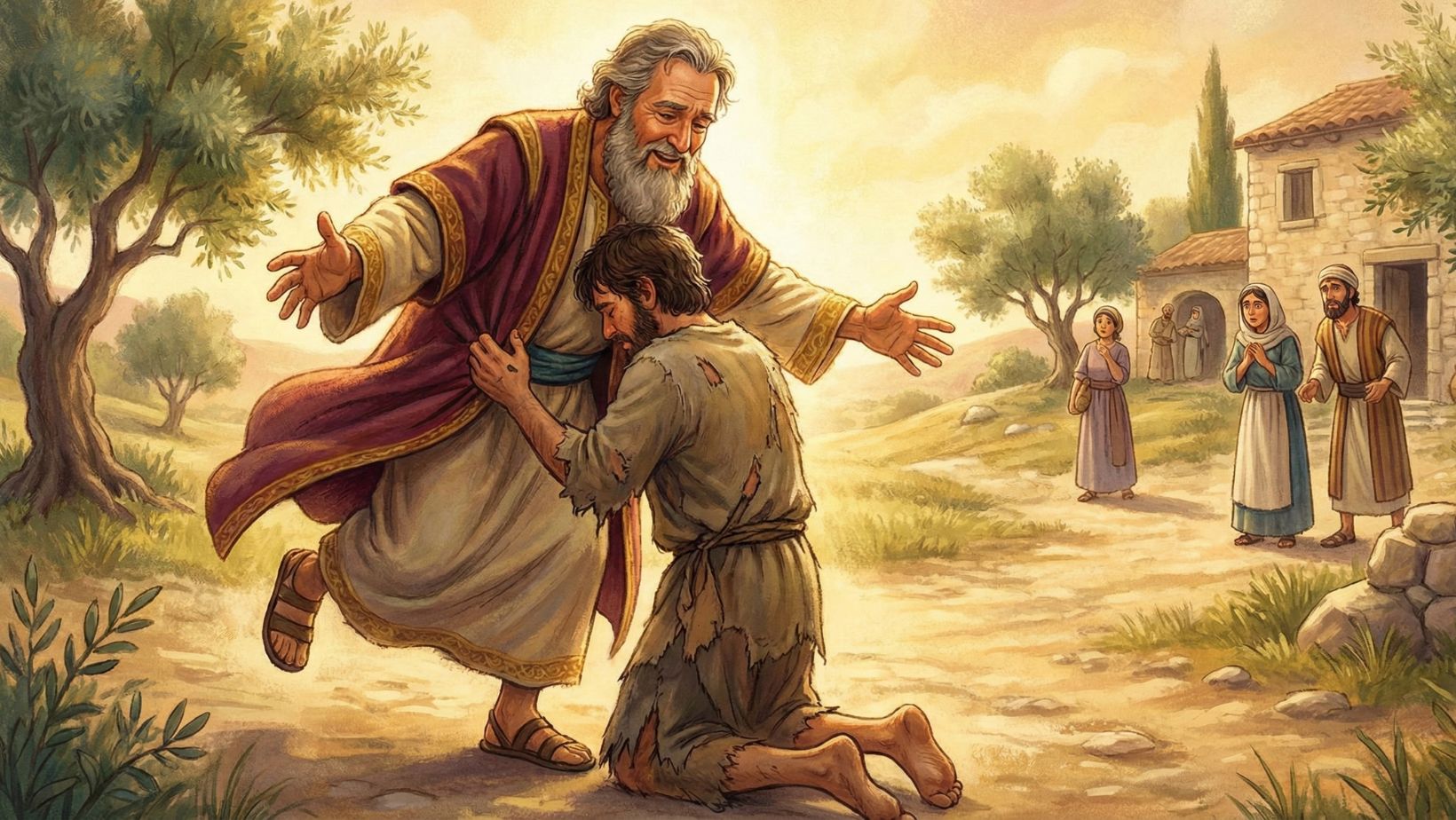
The Prodigal Son: Jesus tells a parable redefining God not as a harsh judge, but as a Father who runs to embrace a son who wished Him dead (Luke 15).
Major Relationships
Father & Son: The love between the Father and the Son (John 17:24) is the eternal fountain from which all other love flows. The Trinity is a community of perfect love.
God & The Orphan/Widow: Scripture frequently emphasizes a special, protective love God has for the vulnerable, the foreigner, and the poor (Deuteronomy 10:18).
Christ & The Church: Paul compares the love of Christ for the Church to the love of a husband for a wife—a love that nourishes, cherishes, and cleanses (Ephesians 5:25).
Notable Passages
John 3:16: “For God so loved the world that he gave his one and only Son, that whoever believes in him shall not perish but have eternal life.”
Romans 5:8: “But God demonstrates his own love for us in this: While we were still sinners, Christ died for us.”
1 John 4:10: “This is love: not that we loved God, but that he loved us and sent his Son as an atoning sacrifice for our sins.”
Zephaniah 3:17: “The LORD your God is with you… He will take great delight in you; in his love he will no longer rebuke you, but will rejoice over you with singing.”
Legacy & Impact
Value of the Individual: The concept that the Supreme Being personally loves every individual revolutionized human rights and the value of human life in history.
Christian Ethics: The “New Commandment” given by Jesus is to “love one another as I have loved you.” This sacrificial ethic is the foundation of Christian charity, hospitals, and service.
Symbolism / Typology
The Hen: Jesus compares His love to a mother hen wanting to gather her chicks under her wings to protect them from the coming storm (Matthew 23:37).
The Shepherd: The shepherd leaving the 99 sheep to rescue the one lost sheep symbolizes the reckless, pursuing nature of God’s love (Luke 15).
The Marriage Covenant: Throughout the prophets, God describes His love as that of a faithful husband to a wife, using marriage as the ultimate symbol of covenant union.







Leave a Reply