
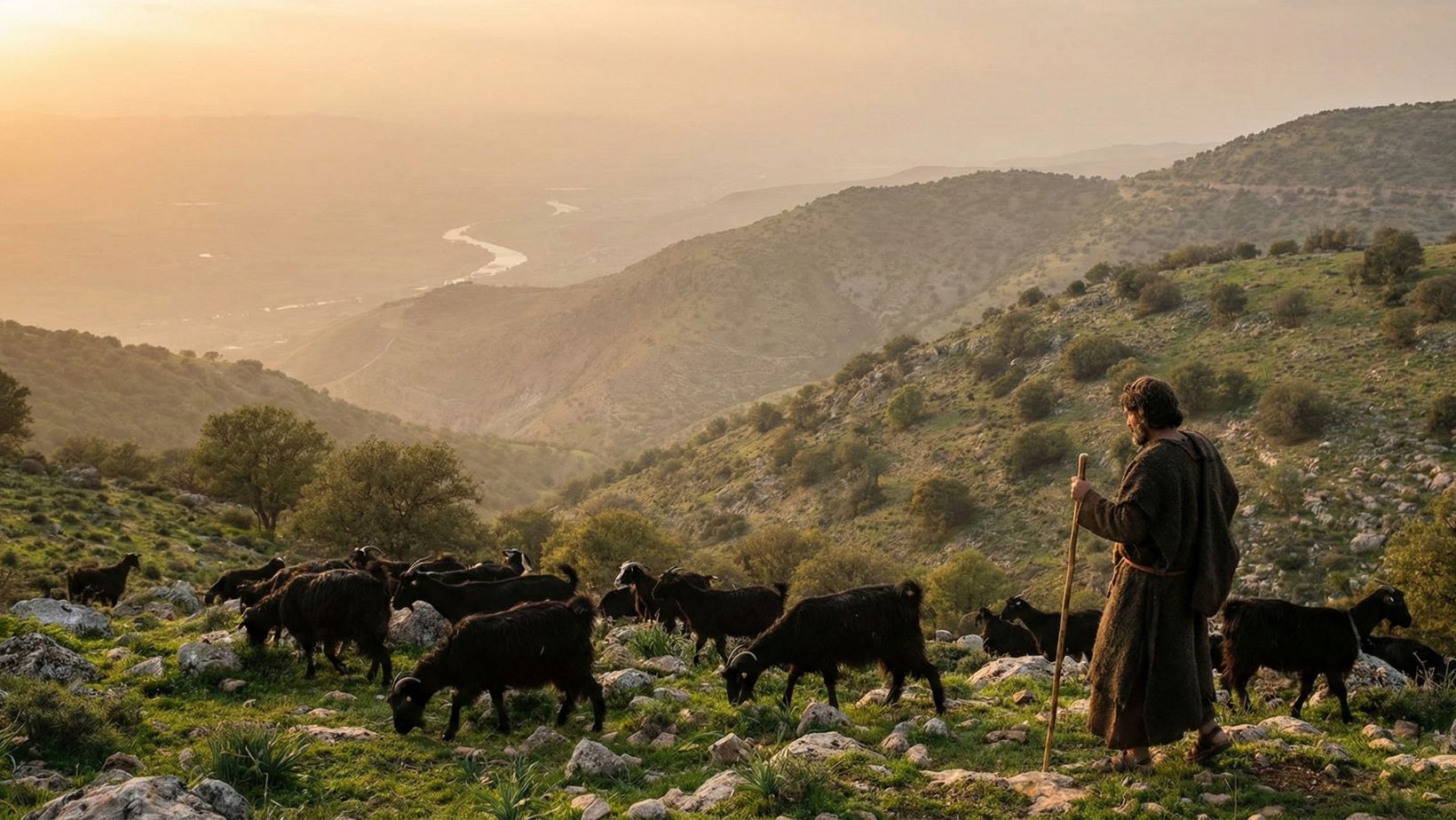
Gilead is a mountainous region east of the Jordan River, celebrated in Scripture for its fertile pastures, medicinal balms, and rugged warriors. It served as a borderland and refuge, home to tribes like Reuben, Gad, and the half-tribe of Manasseh. Known as the “wild east” of ancient Israel, Gilead produced tough, independent leaders like Jephthah and Elijah. Its fame for healing is immortalized in the question, “Is there no balm in Gilead?” (Jeremiah 8:22), a metaphor for spiritual restoration that echoes through literature and hymns.
- Name: Gilead (Hebrew: Gilad)
- Meaning: “Heap of Witness” or “Rocky Region”
- Location: Transjordan (East of the Jordan River), modern-day Jordan
- Tribes: Reuben, Gad, Manasseh (Half-tribe)
- Key Cities: Ramoth-Gilead, Jabesh-Gilead, Mahanaim
- Key Characters: Jephthah, Elijah the Tishbite, Jair, Barzillai
- Products: Spices, myrrh, and the famous “Balm of Gilead”
- Symbolism: Healing, refuge, frontier grit
Geography & Location
The “Wild East”: Gilead stretches from the Sea of Galilee in the north down to the Dead Sea in the south. It is divided by the Jabbok River into Upper Gilead and Lower Gilead.
- Terrain: Unlike the Judean wilderness, Gilead was rugged but fertile, known for its heavy dew, oak forests, and excellent grazing land for cattle and goats (Song of Solomon 4:1 compares a bride’s hair to a “flock of goats descending from Gilead”).
- Strategic Value: It controlled the King’s Highway, a major trade route, making it a constant battleground between Israel and neighbors like Ammon and Syria (Aram).
Name Meaning & Origin
“Heap of Witness” (Gal-ed): The name originates in Genesis 31. Jacob, fleeing from Laban, made a covenant of peace with him. They piled up stones as a boundary marker. Laban called it Jegar Sahadutha (Aramaic), and Jacob called it Galeed (Hebrew). Both mean “heap of witness.”
Key Biblical Events
1. The Treaty of Jacob and Laban (Genesis 31)
The region’s history begins as a boundary line. Jacob and Laban agreed not to cross the “heap of stones” with hostile intent, establishing Gilead as the buffer zone between the Arameans and the Israelites.
2. The Settlement of the Two and a Half Tribes (Numbers 32)
The tribes of Reuben and Gad noticed Gilead was perfect for livestock. They asked Moses to let them settle there before crossing the Jordan. Moses agreed, on the condition that their soldiers still help conquer Canaan proper. This separated them slightly from the rest of the nation, leading to future tensions (Joshua 22).
3. Jephthah and the Shibboleth Incident (Judges 11–12)
Jephthah, the “mighty warrior,” was a Gileadite. When the Ephraimites (from the west) threatened him, the men of Gilead seized the fords of the Jordan.
- The Test: They asked fugitives to say “Shibboleth.” The Ephraimites, unable to pronounce the “sh” sound, said “Sibboleth,” revealing their identity. This showcased the fierce independence and distinct dialect of Gilead.
4. The Origin of Elijah (1 Kings 17:1)
Elijah is introduced as “the Tishbite, from Tishbe in Gilead.” His rugged appearance, hairy garment, and sudden movements reflect the wild, frontier nature of his homeland.
5. Absalom’s Rebellion and David’s Exile (2 Samuel 17)
When David fled Jerusalem during Absalom’s coup, he sought refuge in Gilead (at Mahanaim). The wealthy Gileadite landowner Barzillai provided for the king, showing the region’s loyalty.
The Balm of Gilead
Gilead was famous for a resin (balm) produced from the mastic tree or the balsam tree, used for medicine and cosmetics.
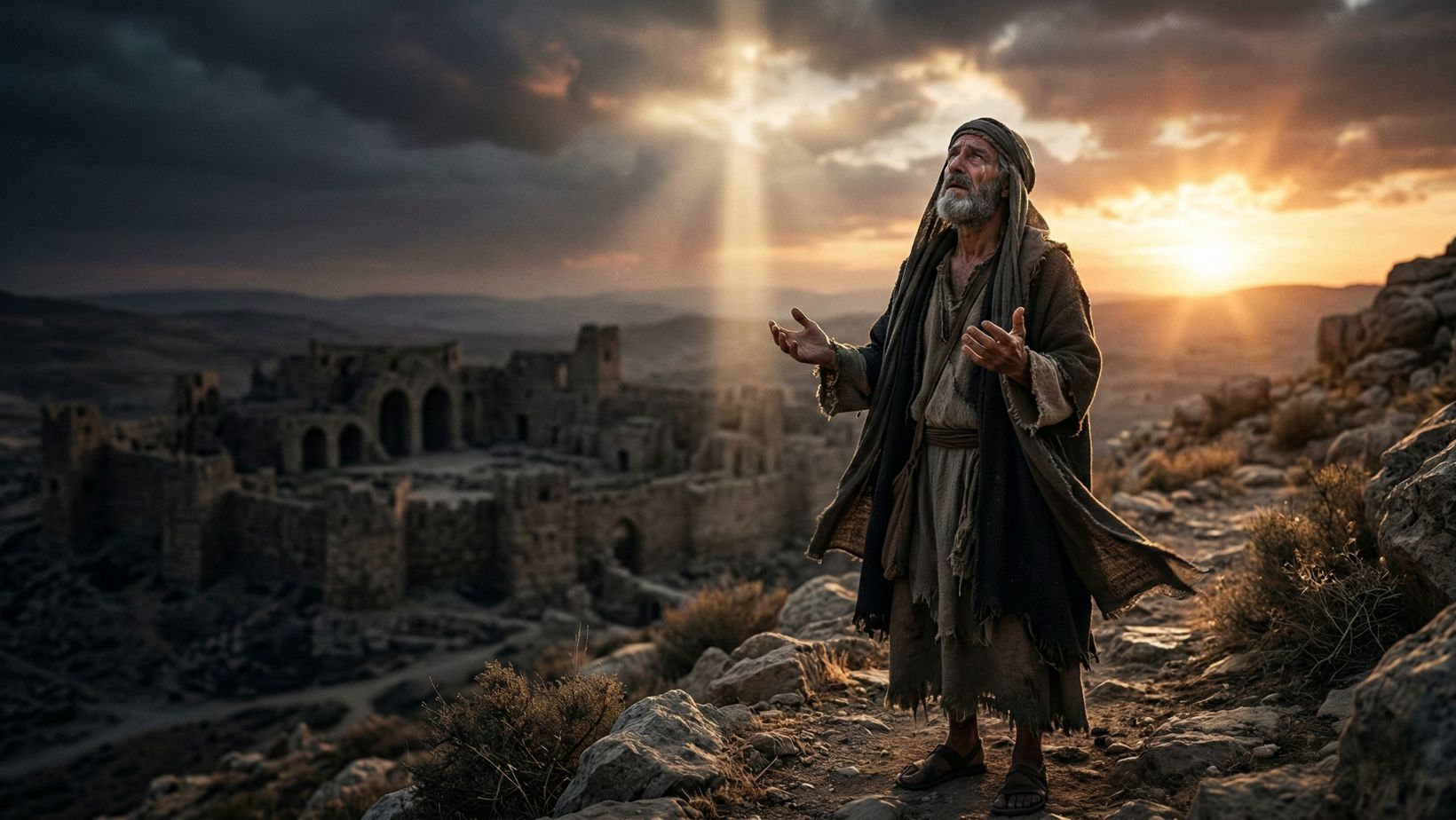
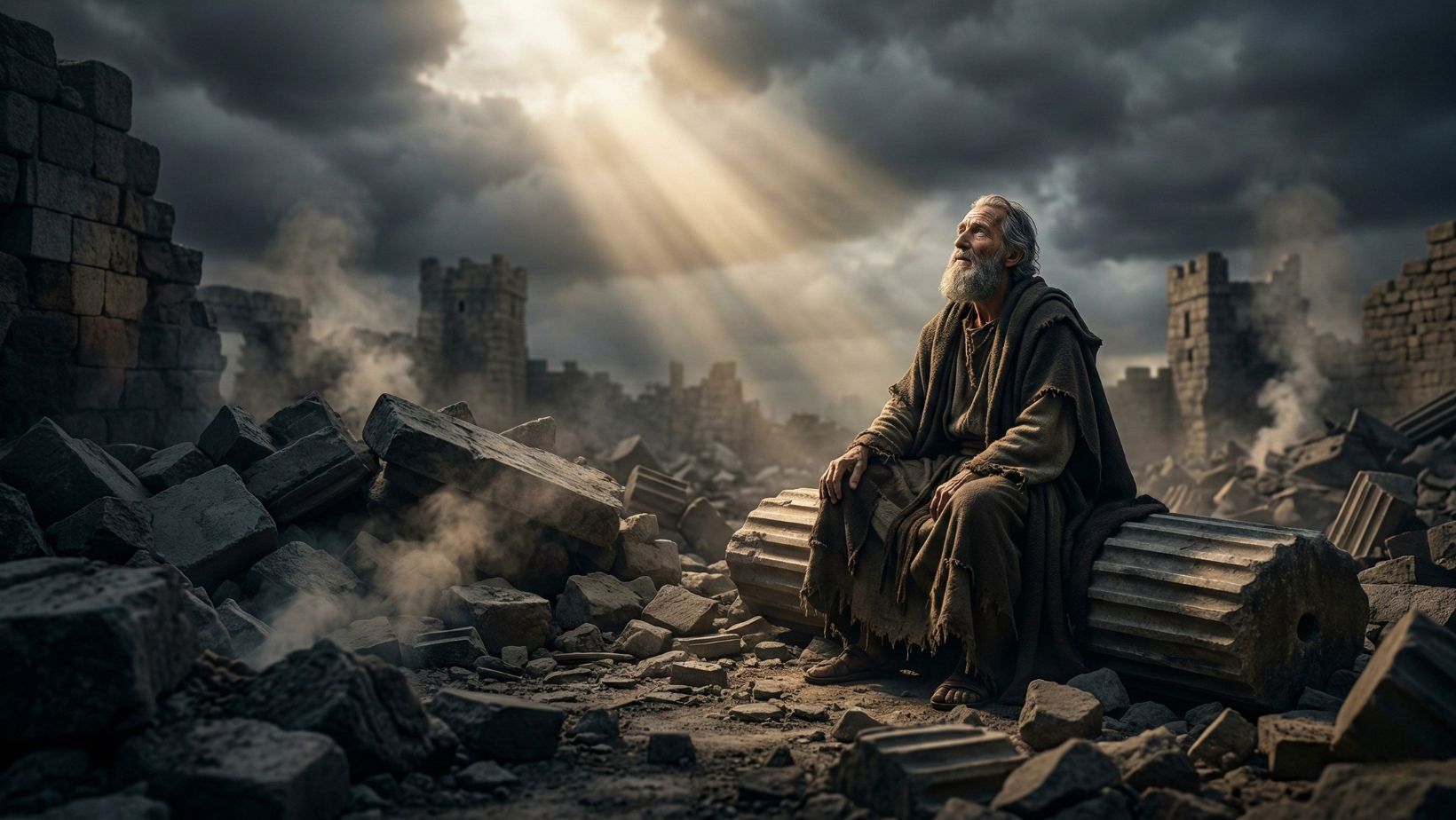
- The Metaphor: In Jeremiah 8:22, the prophet weeps over Israel’s spiritual sickness, asking, “Is there no balm in Gilead? Is there no physician there?” He is asking why, if the cure (God) is available, the people are not healed.
- The Answer: Christian tradition answers Jeremiah’s question with the hymn: “There is a balm in Gilead to make the wounded whole,” identifying Jesus as the ultimate Physician.
Theological Analysis
The Borderland Identity: Living in Gilead meant living on the edge. The Transjordan tribes were the first to be attacked by foreign invaders and the first to be taken into exile by Assyria (1 Chronicles 5:26). Their story serves as a warning about the risks of choosing comfort (good grazing land) over full community (living within the promised land proper).
Refuge and Restoration: Despite being on the fringe, Gilead often served as a safe harbor for God’s anointed (Jacob, David) when they were rejected by their own people. It represents God’s provision in the wilderness.





Leave a Reply