
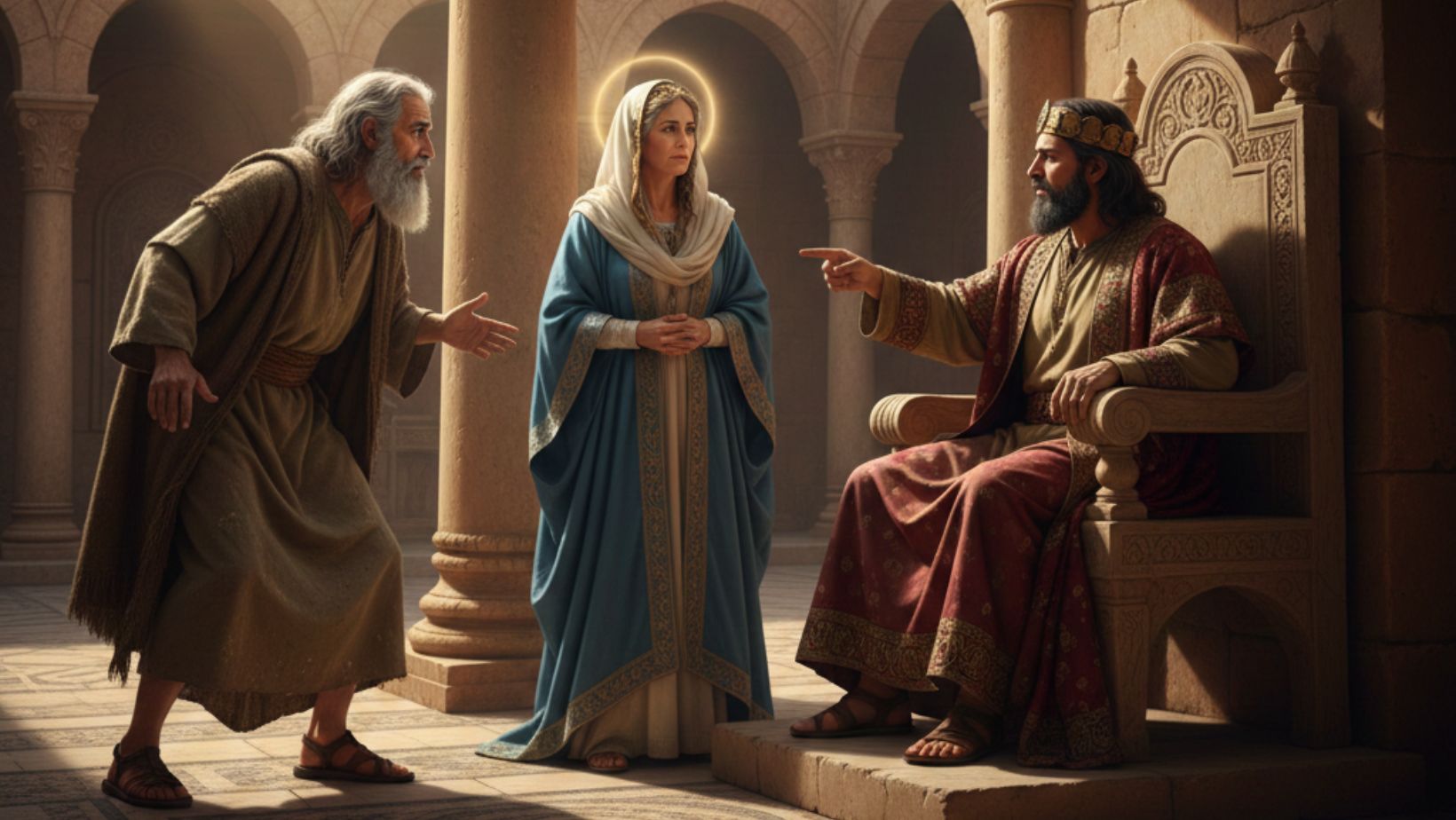
The Danger of Old Habits
Genesis 20 provides a startling look into the life of Abraham, the “Father of Faith.” We find him repeating a deceptive strategy he used decades earlier in Egypt. This passage serves as a divine warning: spiritual maturity is not a shield against old habits if those habits are still rooted in unconfessed fear.
Main Scripture: Genesis 20
“Abraham said of his wife Sarah, ‘She is my sister.’ Then Abimelek king of Gerar sent for Sarah and took her.” — Genesis 20:2 (NIV)
Introduction
Genesis 20 reveals a sobering moment in the life of Abraham—a man of great faith—who falls back into an old pattern of fear and deception. Even after walking with God for years and witnessing His faithfulness, Abraham repeats a previous mistake (see Genesis 12). This chapter teaches us that spiritual maturity does not make us immune to old habits. If not confronted, old habits can resurface and cause harm to ourselves and others.
1. Old Habits Are Often Rooted in Fear
“Abraham replied, ‘I said to myself, “There is surely no fear of God in this place, and they will kill me because of my wife.”’” — Genesis 20:11
- The Assumption of Absence: Abraham’s relapse began when he assumed God was not present in Gerar. When we stop practicing the presence of God, we start practicing our old survival tactics.
- Coping Mechanisms: We often return to old habits because they feel like “safe” ways to handle stress or threats.
- The Trust Gap: Every recurring habit is a signal of an area where we have not yet fully trusted God to be our provider or protector.
2. Old Habits Can Hurt Innocent People
“But God came to Abimelek in a dream one night and said to him, ‘You are as good as dead because of the woman you have taken; she is a married woman.’” — Genesis 20:3
- The Ripple Effect: No sin is private. Abraham’s lie placed an entire household under a curse of barrenness and the threat of death.
- Collateral Damage: When we refuse to deal with our old patterns, the people closest to us—our families, coworkers, and friends—often pay the price for our compromise.
- The Weight of Leadership: As a man of God, Abraham’s personal failure became a public crisis for an innocent king.
3. God Is Faithful Even When We Fail
“Then God said to him in the dream, ‘Yes, I know you did this with a clear conscience, and so I have kept you from sinning against me.’” — Genesis 20:6
- Divine Intervention: God stepped in to block the consequences of a mistake Abraham should have known better than to make.
- The Persistence of Grace: God’s faithfulness to His covenant is not dependent on our perfect performance. He protects His promises even when we are too weak to protect them ourselves.
- A Window for Repentance: Grace is not a license to stay in an old habit; it is a divine pause that gives us the opportunity to turn back before total destruction occurs.
4. Old Habits Damage Our Witness
“Then Abimelek called Abraham in and said, ‘What have you done to us? … You have done things to me that should never be done.’” — Genesis 20:9
- The World’s Rebuke: There is a unique tragedy when a person of the world has to correct a person of the Word. Abimelek showed more integrity in this moment than the “Friend of God.”
- Loss of Authority: We lose our right to speak truth into others’ lives when we are caught living a lie.
- The Watchful Eye: The world is not looking for perfect believers, but they are looking for consistent ones. Old habits make our message sound hollow.
5. Breaking Old Habits Requires Honest Repentance
“Then Abraham prayed to God, and God healed Abimelek, his wife and his female slaves so they could have children again.” — Genesis 20:17
- Humility in Action: Restoration only began when Abraham stopped making excuses and started interceding for the people he had wronged.
- Ownership of the Past: We cannot be healed from what we are unwilling to admit. Abraham had to face the king he deceived to see the situation resolved.
- The Power of Prayer: Breaking a cycle requires more than willpower; it requires a renewed spiritual alignment where we surrender our “strategies” to God’s Spirit.
Quick Insights
- Old habits are the echoes of an old nature that we must daily choose to silence through the Word of God.
- The danger of a familiar sin is that it feels like a safety net when it is actually a snare designed to trip our progress.
- True growth is measured not by how much we know, but by how much we trust God in the face of our greatest fears.
- God’s covenant is stronger than our consistency, but our consistency determines the clarity of our light in a dark world.







Leave a Reply