
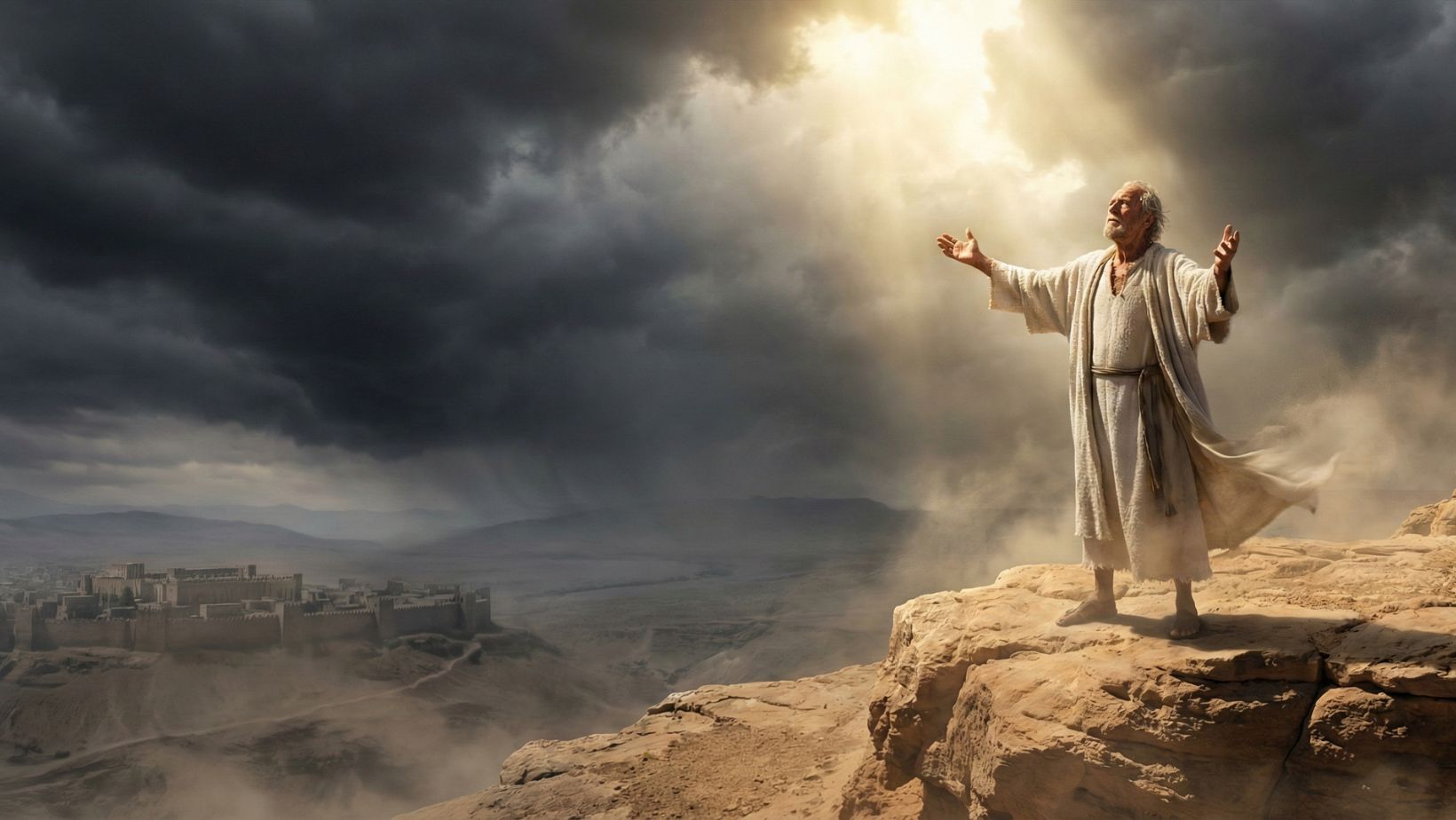
Genesis 18 presents one of the most intimate and intense encounters between man and God. As the Lord prepares to execute judgment on Sodom and Gomorrah, Abraham stands in the gap, pleading for mercy. This passage reveals the profound character of God as a righteous Judge who is also moved by the prayers of His people. It challenges us to consider our own standing before the One who sees everything and weighs the heart of every person.
Main Scripture: Genesis 18
“Will not the Judge of all the earth do right?” — Genesis 18:25 (NIV)
Introduction
In Genesis 18, we see God visiting Abraham to confirm a promise and to reveal a coming judgment. When God shares His plan to investigate the outcry against Sodom, Abraham enters into a bold conversation with the Creator. This sermon explores the nature of God’s justice. We often fear judgment, but when we understand that God is “The Judge of all the Earth,” we find comfort in the fact that He is incapable of making a mistake. His justice is perfectly balanced with His mercy, and His eyes see beyond the surface of our actions into the intent of our souls.
1. God Shares His Heart With Those Who Follow Him
“Then the Lord said, ‘Shall I hide from Abraham what I am about to do?’” — Genesis 18:17
- Divine Friendship: God chose to include Abraham in the conversation regarding the fate of Sodom, showing that He desires a deep relationship with His followers.
- Spiritual Discernment: When we walk closely with God, He gives us the ability to understand the times and the spiritual consequences of the world around us.
- Purpose of Revelation: God’s judgment is never hidden or random; He communicates His plans to turn us into intercessors rather than just spectators.
2. Sin Creates a Cry That Heaven Must Answer
“Then the Lord said, ‘The outcry against Sodom and Gomorrah is so great and their sin so grievous that I will go down and see…’” — Genesis 18:20-21
- The Weight of Sin: Sin is not a private matter; it creates a spiritual “outcry” that reaches the ears of Heaven and demands a response.
- God is Not Indifferent: This passage reminds us that God is a Judge who pays close attention to the pain and chaos caused by wickedness.
- Heavenly Investigation: No injustice goes unnoticed; the Judge of all the earth is committed to seeing and addressing the darkness in our world.
3. One Person Can Stand Between Judgment and Mercy
“Abraham approached him and said: ‘Will you sweep away the righteous with the wicked?’” — Genesis 18:23
- The Heart of a Believer: Abraham did not celebrate the coming destruction; he immediately began to bargain for the lives of others.
- The Power of Intercession: Abraham’s persistence shows that God allows human prayer to influence the timing and nature of His actions.
- Standing in the Gap: When we see the world facing consequences, our first response should be to pray for the “righteous remnant” within it.
4. God Searches for Reasons to Save Rather Than Destroy
“The Lord said, ‘If I find fifty righteous people in the city of Sodom, I will spare the whole place for their sake.’” — Genesis 18:26
- A Merciful Judge: The Lord is not looking for a reason to punish; He is actively looking for any reason to show mercy and save.
- The Priority of Restoration: God agrees to every request for mercy Abraham makes, teaching us that His primary desire is always restoration.
- The Power of the Few: God is willing to spare an entire community for the sake of just a tiny group of people who are faithful to Him.
5. Perfect Justice Is Found in God’s Character
“Far be it from you to do such a thing—to kill the righteous with the wicked… Will not the Judge of all the earth do right?” — Genesis 18:25
- The Foundation of Peace: Our peace comes from knowing that God’s nature makes it impossible for Him to be unfair or cruel.
- Trusting the Verdict: We may not always understand God’s timing, but we can trust that His final decisions are always consistent with His holiness.
- The Integrity of God: Abraham’s faith was rooted in the fact that the Judge of all the earth will always “do right” by every soul.
Quick Insights
- God’s judgment is an act of love for the oppressed because He stops the hand of the wicked to protect the vulnerable.
- Intercession is the bridge between a sinful world and a holy God; your prayers can change the destiny of those around you.
- The presence of even a few righteous people can bring protection and a delay of judgment to an entire community.
- We do not need to defend God’s reputation; His own character ensures that every verdict He renders is perfect and fair.







Leave a Reply