
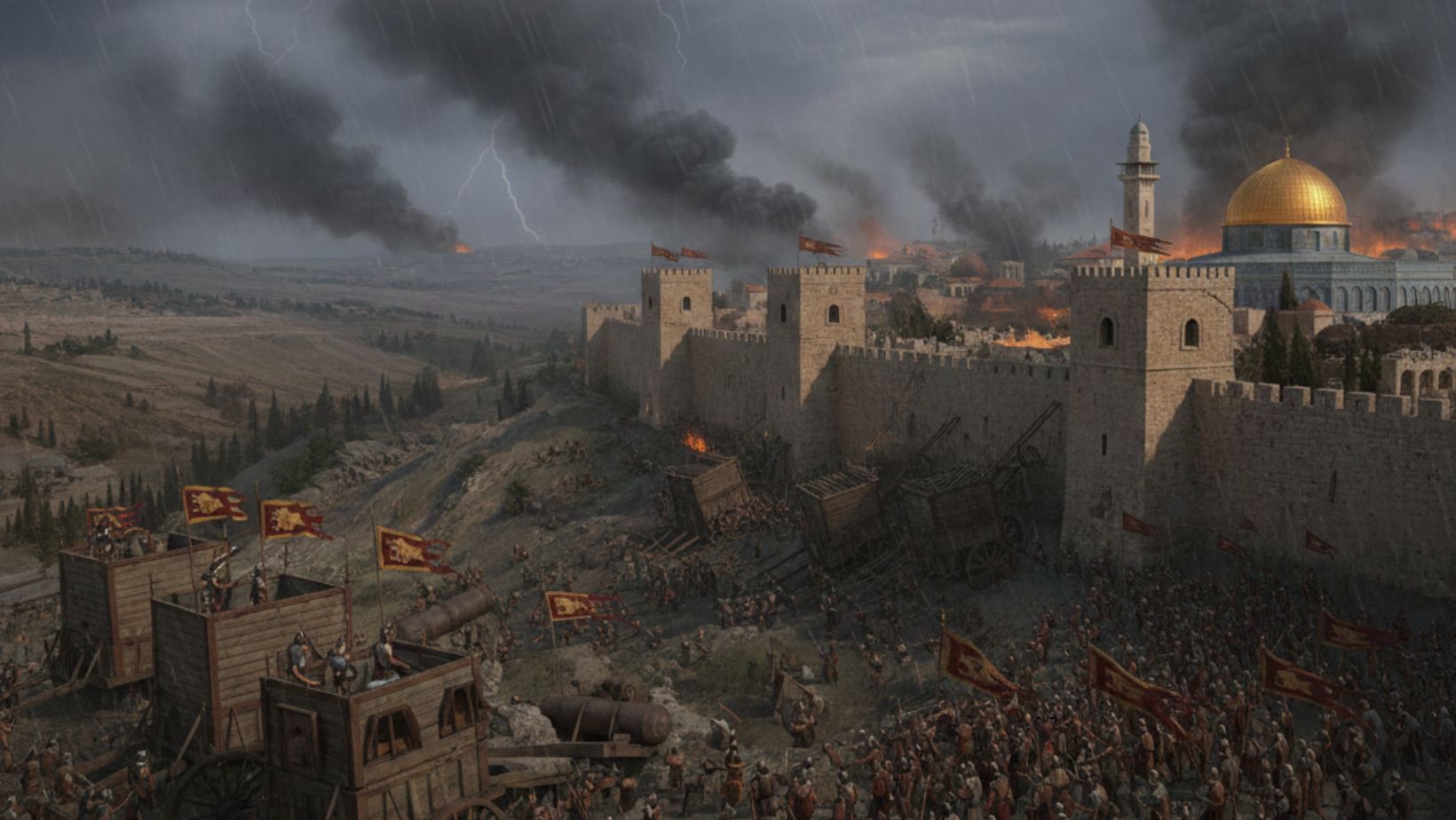
The Second Book of Kings is a gripping and often tragic conclusion to the history of the Israelite monarchy. Picking up where 1 Kings leaves off, it documents the parallel downfalls of the Northern Kingdom (Israel) and the Southern Kingdom (Judah). The narrative is a study in spiritual cause and effect: despite the miraculous ministry of Elisha and the sporadic reforms of “good” kings like Hezekiah and Josiah, the persistent idolatry of the people lead to national catastrophe. The book reaches its climax with the destruction of Jerusalem and the Babylonian exile, yet it ends with a tiny flicker of hope, suggesting that while the throne in Jerusalem is vacant, God’s covenant with David is not entirely extinguished.
Quick Facts
- Name: 2 Kings (The second half of the “Book of Kings”)
- Author: Traditionally attributed to the prophet Jeremiah
- Main Characters: Elisha, Hezekiah, Josiah, Ahab, Jezebel, Nebuchadnezzar
- Key Figures: Naaman, Jehu, Athaliah, Sennacherib, Huldah
- Era: The Divided Monarchy to the Babylonian Exile (~850–560 BCE)
- Core Themes: Judgment, the power of the prophetic word, the failure of kingship, exile
- Setting: Samaria (North), Jerusalem (South), and eventually Babylon
- Literary Style: Sequential historical narrative with theological commentary
- Key Symbol: The Broken Walls — symbolizing the loss of divine protection due to covenant unfaithfulness
Name Meaning
As the continuation of 1 Kings, the title refers to the ongoing chronology of the rulers. It serves as a “theological history,” meaning it doesn’t just record what happened, but explains why it happened from God’s perspective.
Historical Context
Time: It spans approximately 300 years, from the translation of Elijah to heaven to the release of King Jehoiachin from prison in Babylon. The Assyrian Menace: The Northern Kingdom is eventually conquered and deported by the Assyrian Empire in 722 BCE. The Babylonian Conquest: The Southern Kingdom survives longer but is eventually dismantled by King Nebuchadnezzar in 586 BCE. The Discovery of the Law: A pivotal moment occurs when the “Book of the Law” is found in the Temple, sparking a temporary revival.
Major Roles / Identity
Elisha the Prophet: The successor to Elijah, known for performing twice as many miracles and acting as a counselor (and challenger) to kings. The Reformers: Kings like Hezekiah and Josiah who attempted to tear down pagan altars and return the nation to the Torah. The Conquerors: Foreign emperors (Shalmaneser, Sennacherib, Nebuchadnezzar) who acted as “instruments of judgment.” The Last Kings: A series of puppet rulers in Jerusalem who witnessed the final collapse of the Judean state.
Key Character Traits
Faithfulness: Displayed by Hezekiah, who spread out the threatening letters of the Assyrians before the Lord in prayer. Zeal: Characterized by Jehu, who violently purged the house of Ahab, though his heart remained imperfect. Penitence: Seen in Josiah, who tore his clothes in grief when he realized how far the nation had strayed from God’s commands. Hardheartedness: Represented by the majority of the kings who ignored prophetic warnings until it was too late.
Main Events
The Whirlwind: Elijah is taken to heaven in a chariot of fire, and his mantle falls to Elisha (2 Kings 2). The Healing of Naaman: A high-ranking Syrian commander is healed of leprosy, showing God’s grace extending beyond Israel’s borders. The Fall of Samaria: The Northern Kingdom is obliterated by Assyria due to persistent idolatry (2 Kings 17). The Siege of Jerusalem: An angel of the Lord strikes down the Assyrian army to save Hezekiah’s Jerusalem. Josiah’s Reform: The discovery of the Law leads to the greatest Passover celebration since the time of the Judges. The Babylonian Exile: The Temple is burned, the walls are leveled, and the people are carried away to Babylon (2 Kings 25).
Major Relationships
Elijah and Elisha: A father-son prophetic bond that culminates in Elisha receiving a “double portion” of Elijah’s spirit. Hezekiah and Isaiah: A partnership between a godly king and a visionary prophet that saved Judah from imminent destruction. The Kings and the High Places: A “negative” relationship; the persistent failure of kings to remove local shrines led to the nation’s spiritual decay. Israel and the Nations: A cycle of political alliances and betrayals that ultimately led to Israel being swallowed by surrounding empires.
Notable Passages
2 Kings 2:9: Elisha’s request: “Please let a double portion of your spirit be upon me.” 2 Kings 17:7: The theological “Why”: “All this took place because the Israelites had sinned against the Lord their God.” 2 Kings 18:5: Praise for Hezekiah: “Hezekiah trusted in the Lord… There was no one like him among all the kings of Judah.” 2 Kings 22:11: Josiah’s reaction to the Word: “When the king heard the words of the Book of the Law, he tore his robes.”
Legacy & Impact
2 Kings explains the origin of the Diaspora (the dispersion of Jews). It emphasizes that God is the sovereign Ruler of all nations, not just Israel. The miracles of Elisha (feeding the hundred, raising the dead, healing the leper) clearly foreshadow the ministry of Jesus. Finally, the book validates the words of the prophets, proving that God’s warnings are never empty threats.
Symbolism / Typology
The Mantle of Elijah: Symbolizes the transfer of spiritual authority and the continuity of God’s word. Naaman’s Jordan Baptism: Foreshadows the inclusive nature of the Gospel and the cleansing of the Gentiles. The Temple Vessels: Their removal to Babylon symbolizes the departure of God’s glory and the desecration of the holy. Jehoiachin’s Rations: The book ends with the king of Judah eating at the Babylonian king’s table—a symbol that the line of David survives even in exile.







Leave a Reply