
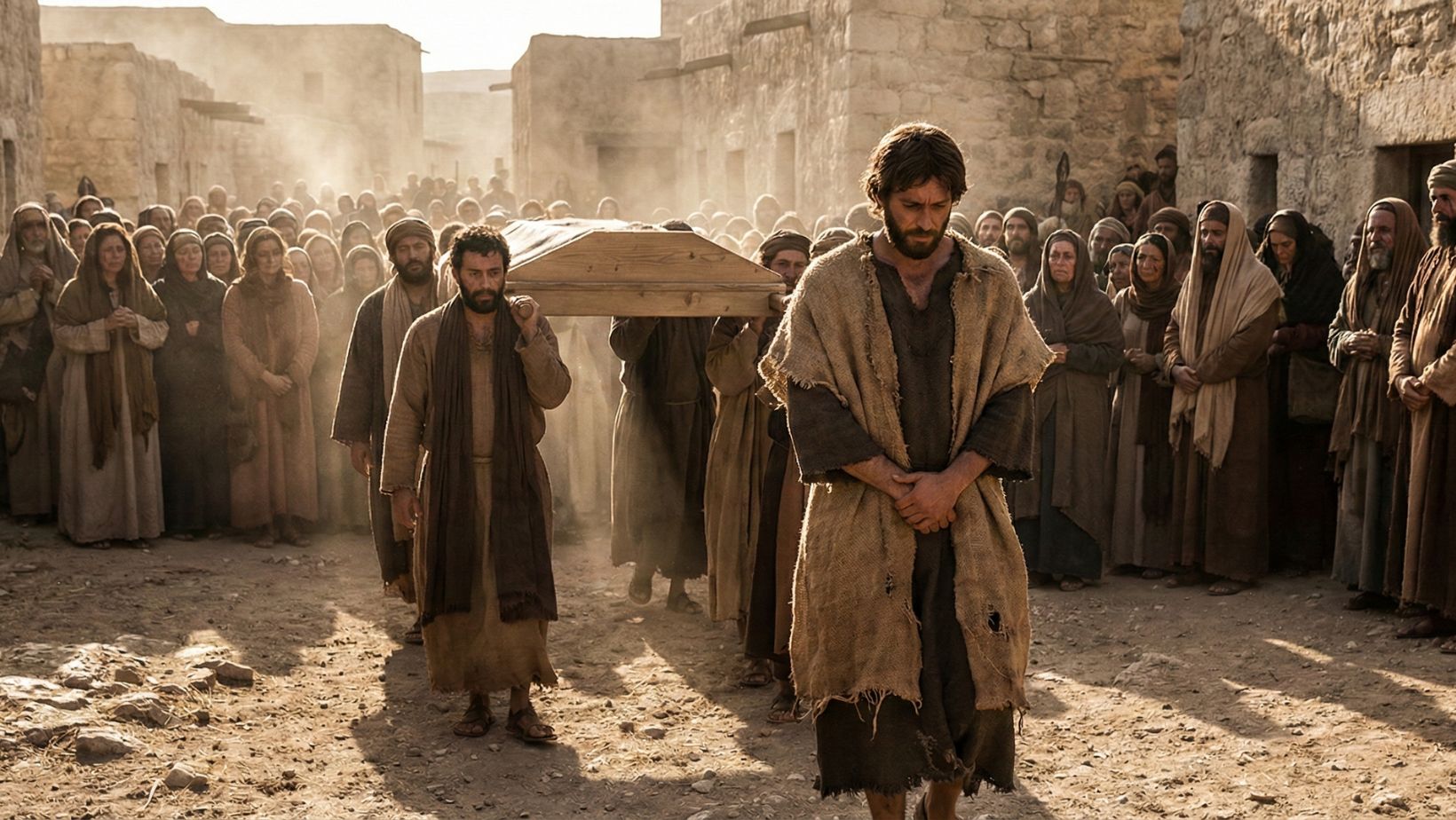
2 Samuel 3 provides a raw look at a moment of transition and tragedy in the life of King David. While David was rising to power, his world was filled with political tension and personal grief. The death of Abner, a former enemy turned ally, causes David to weep openly. This sermon explores the heart of a leader who chooses compassion over cold victory and shows us that God values a heart that is soft enough to break for others.
Main Scripture: 2 Samuel 3
“Then David said to Joab and all the people with him, ‘Tear your clothes and put on sackcloth and walk in mourning in front of Abner.’ King David himself walked behind the bier.” — 2 Samuel 3:31 (NIV)
Introduction
In 2 Samuel 3, we see David at a crossroads. He is finally becoming the king of all Israel, but his journey is stained by the blood of a man he had just made peace with. When his general, Joab, murders Abner out of revenge, David does not celebrate the death of a rival. Instead, he weeps. This story reminds us that even when we are moving toward our destiny, we must maintain a heart of integrity and empathy. The way we handle loss and injustice speaks louder than the crown we wear.
1. Integrity Survives the Pressure of Politics
“King David then gave this command to Joab and all the people with him: ‘Tear your clothes and put on sackcloth and walk in mourning in front of Abner.’” — 2 Samuel 3:31
- Public Truth over Private Gain: David could have quietly accepted Abner’s death as a political “win,” but he chose to honor the man publicly.
- Refusing the Wrong Methods: True leadership means rejecting progress that comes through treachery. David distanced himself from Joab’s violent choices.
- The Weight of Honesty: When we value truth more than winning, we reflect the character of God to those around us.
2. Mercy Must Outgrow the Memory of Conflict
“The king sang this lament for Abner: ‘Should Abner have died as the fool dies?’” — 2 Samuel 3:33
- Seeing the Human, Not the Enemy: Abner had fought against David for years, yet David saw him as a man worthy of dignity.
- Breaking the Cycle of Hate: By mourning Abner, David stopped a potential civil war. Mercy has the power to heal wounds that logic cannot.
- Godly Sorrow: A spiritual heart is one that can grieve for anyone made in the image of God, regardless of their past.
3. Strength is Found in Shared Sorrow
“All the people wept over him again. Then they all came and urged David to eat something while it was still day; but David took an oath, saying, ‘May God deal with me, be it ever so severely, if I taste bread or anything else before the sun sets.’” — 2 Samuel 3:34-35
- The Power of Vulnerability: David’s tears did not make him look weak; they made the people trust him more.
- Leading Through Grief: When a leader hurts with the people, the people become united with the leader.
- Fasting as a Sign of Honor: David’s refusal to eat showed that some things—like justice and respect—are more important than physical comfort.
4. God Sees the Heart Behind the Action
“All the people took note and were pleased; indeed, everything the king did pleased them.” — 2 Samuel 3:36
- Authenticity Wins the Day: The people saw that David was not putting on a show. His grief was real, and his reputation remained intact.
- Leaving Vengeance to God: David acknowledged that he was “weak” in the face of Joab’s violence, but he trusted God to deal with the wicked.
- The Reward of a Soft Heart: When we stay humble and compassionate, God ensures that our influence grows rather than fades.
Quick Insights
- A crown on your head means nothing if there is no compassion in your heart.
- The world measures strength by how many people we defeat; God measures strength by how many people we can forgive.
- You can never truly lead people until you are willing to weep with them.
- Victory gained through deception is a defeat in the eyes of heaven.







Leave a Reply