
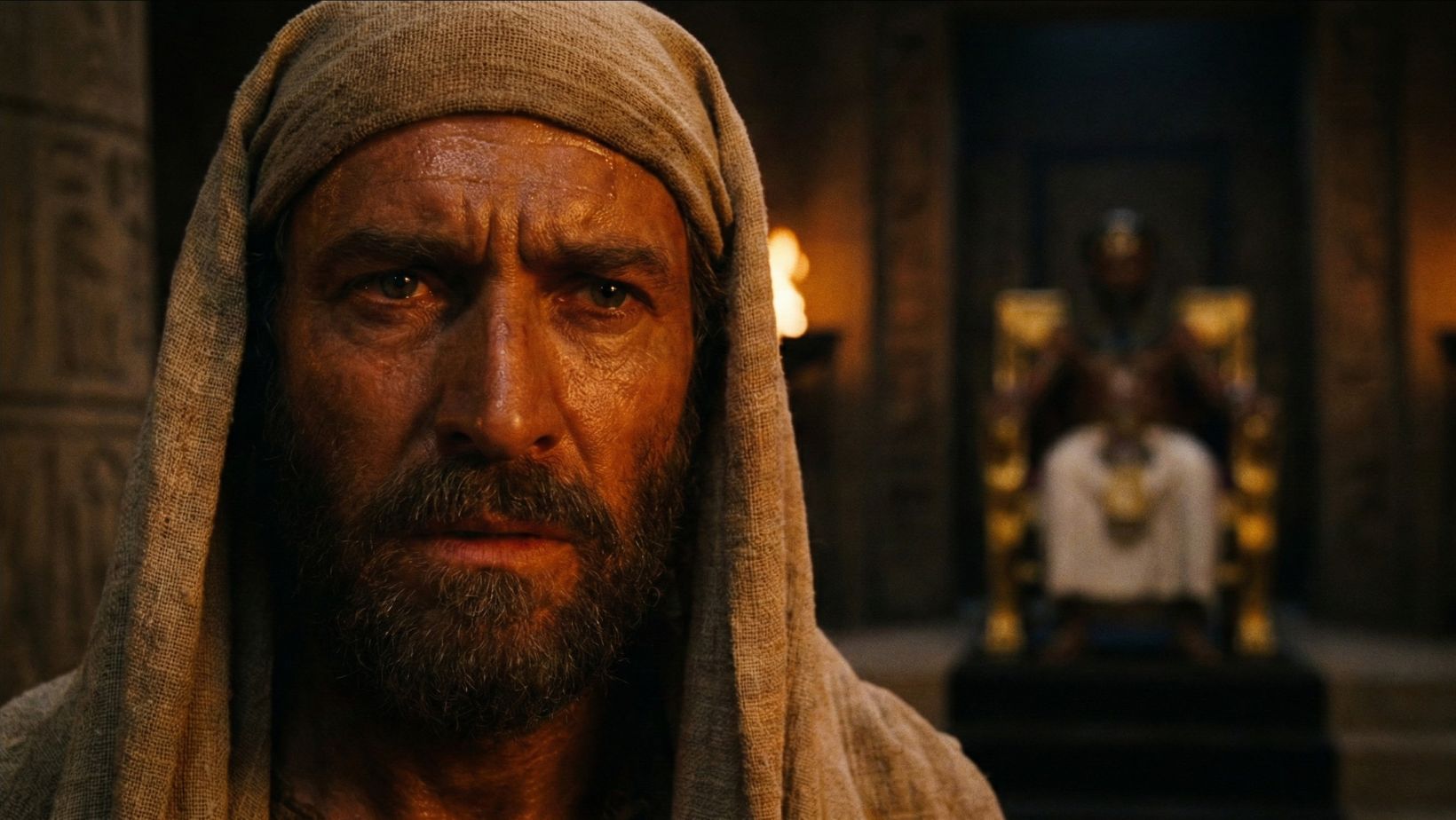
Exodus 11 is a brief but ominous prelude to the climax of the Exodus narrative. It serves as the bridge between the nine preparatory plagues and the final, decisive blow: the death of the firstborn. The chapter records God’s final instructions to Moses regarding the coming judgment and the command for the Israelites to ask their neighbors for silver and gold—divine reparations for centuries of slavery. Moses delivers his last, burning message to Pharaoh, predicting a cry of grief “like never before” in Egypt while promising absolute silence and safety for Israel. The chapter concludes with Moses leaving Pharaoh’s presence in “hot anger,” finalizing the separation between the two nations.
1. The Final Instructions (Exodus 11:1–3 NLT)
1 Then the Lord said to Moses, “I will strike Pharaoh and the land of Egypt with one more blow. After that, Pharaoh will let you go. In fact, he will be so eager to get rid of you that he will force you all to leave. 2 Tell all the Israelite men and women to ask their Egyptian neighbors for articles of silver and gold.” 3 (Now the Lord had caused the Egyptians to look favorably on the people of Israel. And Moses was considered a very great man in the land of Egypt, respected by Pharaoh’s officials and the Egyptian people alike.)
Commentary:
- “One More Blow” (v. 1): God announces the finale. The Hebrew word used here for “blow” (nega) implies a heavy, decisive strike, often translated as “plague” but carrying the weight of a physical assault. This is the knockout punch.
- Forced Departure (v. 1): God predicts that Pharaoh will move from “refusing to let them go” to “forcing them to leave.” The resistance will snap completely.
- Plundering the Egyptians (v. 2): The command to ask for “silver and gold” fulfills the prophecy given to Abraham centuries earlier in Genesis 15:14 (“In the end they will come out with great wealth”). Theologically, this is viewed not as theft, but as divine reparations—back wages for 400 years of unpaid slave labor.
- Moses’ Status (v. 3): Remarkably, while Pharaoh hated Moses, the “officials and the Egyptian people” respected him. They recognized his power and the justice of his cause, likely seeing him as a formidable figure who had bested their own gods.
2. The Warning of the Firstborn (Exodus 11:4–8 NLT)
4 Moses had announced to Pharaoh, “This is what the Lord says: At midnight tonight I will pass through the heart of Egypt. 5 All the firstborn sons will die in every family in Egypt, from the oldest son of Pharaoh, who sits on his throne, to the oldest son of his lowliest servant girl who grinds the flour. Even the firstborn of all the livestock will die. 6 Then a loud wail will rise throughout the land of Egypt, a wail like no one has heard before or will ever hear again. 7 But among the Israelites it will be so peaceful that not even a dog will bark. Then you will know that the Lord makes a distinction between the Egyptians and the Israelites. 8 All the officials of yours will come running to me, bowing low. ‘Please leave!’ they will beg. ‘Take all your followers and just go!’ Only then will I leave.” Then, burning with anger, Moses left Pharaoh.
Commentary:
- Midnight (v. 4): The timing is specific. Midnight represents the deepest darkness, a time of vulnerability and fear.
- “I Will Pass Through” (v. 4): In previous plagues, God used agents (Aaron’s staff, Moses’ hand, the wind). Here, Yahweh Himself enters the arena. The language suggests a personal visitation of judgment.
- Universal Death (v. 5): The judgment is a great equalizer. It strikes the palace (“Pharaoh on his throne”) and the prison (“servant girl”). Death respects no social class.
- The Great Cry (v. 6): Egypt was a culture obsessed with death and the afterlife (pyramids, mummification). This plague shatters their composed view of death, creating a raw, national “wail” of despair.
- “Not Even a Dog Will Bark” (v. 7): This is a proverbial expression indicating total tranquility. While Egypt screams, Israel will be so safe that not even a watchdog is disturbed.
- Moses’ Anger (v. 8): Moses leaves “burning with anger.” This is righteous indignation. He is angry at the stubbornness that necessitates such death, and perhaps angry at the threat against his own life (from 10:28).
3. The Divine Summary (Exodus 11:9–10 NLT)
9 Now the Lord had told Moses earlier, “Pharaoh will not listen to you, but then I will do even more mighty miracles in the land of Egypt.” 10 Moses and Aaron performed these miracles in Pharaoh’s presence, but the Lord hardened Pharaoh’s heart, and he wouldn’t let the Israelites leave the land.
Commentary:
- The Final Summary: These verses act as a parenthesis or a summary statement for the entire plague narrative (Chapters 7–11).
- Purpose of Hardness (v. 9): It reiterates that Pharaoh’s refusal was part of the divine plan to “multiply wonders.” The stage is now fully set for the Passover and the Red Sea crossing.
Theological Significance of Exodus 11
- The Justice of God: The demand for silver and gold reminds us that God sees the economic injustice of slavery. He ensures that His people do not leave empty-handed.
- The Distinction: The separation between the “wail” of Egypt and the “silence” of Goshen emphasizes that salvation is particular. God distinguishes between those who are under the blood (as we will see in Ch. 12) and those who are not.
- Judgment on the Gods: The death of the firstborn is the ultimate insult to Pharaoh, who was considered a god. If he cannot save his own son and heir, his claim to divinity is utterly void.
Practical Applications
- God’s “Back Pay”: When we feel we have labored in vain or been treated unfairly, we can trust that God keeps the accounts. He knows how to restore what the locusts (or oppressors) have eaten.
- Respect in the Eyes of Enemies: When we walk in integrity and God’s power, even those who oppose us may come to respect us (like the Egyptian officials respected Moses). Character commands respect even where it doesn’t command agreement.
- The Severity of Stubbornness: Pharaoh’s refusal to humble himself led to the loss of what he loved most. We must learn to yield to God before the “midnight” hour strikes.
Possible Sermon Titles
- One More Blow.
- The Sound of Silence: When Dogs Don’t Bark.
- Midnight in Egypt.
- Reparations: Leaving with Silver and Gold.
- The Great Distinction.







Leave a Reply