
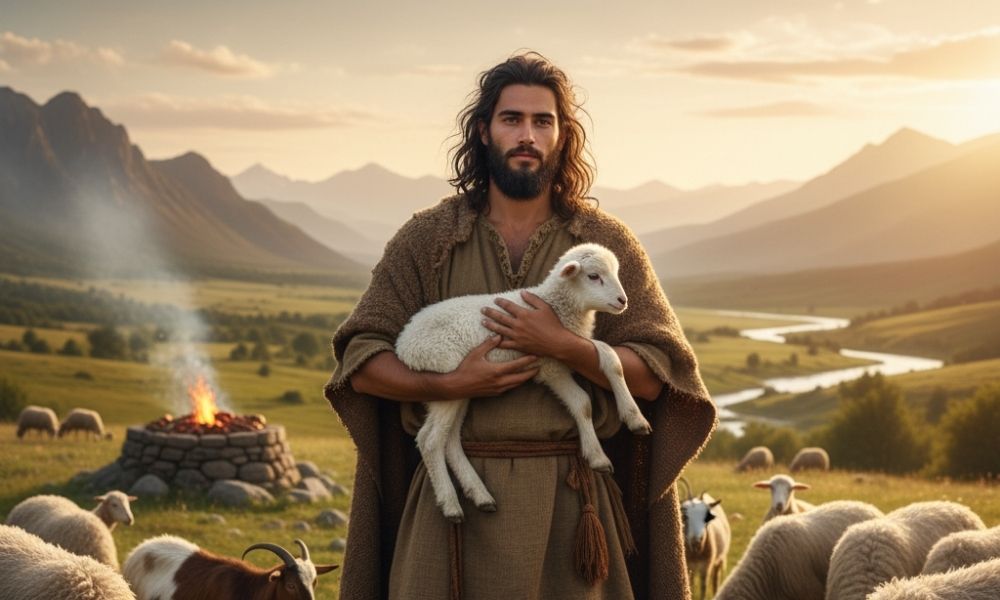
Abel stands at the dawn of human history as Scripture’s first recorded worshiper, shepherd, and martyr. His brief life contrasts faithful devotion with fratricidal violence, unveiling how the posture of the heart before God determines the acceptability of our worship.
Quick Facts
Name: Abel (Hebrew: Hevel — “breath,” “vapor,” “fleeting”)
Parents: Adam & Eve
Siblings: Cain (elder), later Seth, plus unnamed sons/daughters (Genesis 5:4)
Occupation: Shepherd/keeper of sheep (Genesis 4:2)
Era: Antediluvian (pre-Flood) period
Distinctives: First acceptable sacrifice; first murder victim; first “righteous” named (Matthew 23:35; Hebrews 11:4)
Cause of Death: Killed by Cain in a field (Genesis 4:8)
Key Texts: Genesis 4:1–10; Hebrews 11:4; Matthew 23:35; Hebrews 12:24; 1 John 3:10–12
Legacy: A paradigm of faith—“through faith he still speaks” (Hebrews 11:4)
Name Meaning & Theological Nuance
Meaning: Hevel (“breath/mist”) underscores mortality and the fragility of life (echoed in Ecclesiastes’ hevel motif).
Theological note: Abel’s name becomes prophetic—his life is “brief,” yet his witness endures. The fleeting “vapor” becomes a lasting voice (Hebrews 11:4).
Family Line & Context
- Parents: Adam and Eve, living east of Eden after the Fall (Genesis 3:23–24; 4:1–2).
- Siblings: Cain (firstborn farmer), Seth (appointed later “in place of Abel,” Genesis 4:25), plus others (Genesis 5:4).
- World Setting: No nation-states or covenants yet; worship is primal and conscience-driven, outside Eden’s sanctuary presence.
Vocation & Offerings
- Abel’s work: Shepherding—closely caring for life entrusted to him.
- Offerings contrasted (Genesis 4:3–5):
- Cain: “Some of the fruit of the ground.”
- Abel: “Of the firstborn of his flock and of their fat portions.”
- Why was Abel accepted?
- Quality: “Firstborn” and “fat portions” signal the choicest (later enshrined in Mosaic law: Exodus 23:19; Leviticus 3:16).
- Heart posture: Hebrews 11:4 says it was by faith. God weighs the worshiper’s heart (cf. 1 Samuel 16:7).
- Possible sacrificial typology: Blood sacrifice anticipates later atonement patterns (Leviticus 17:11), though the text emphasizes faith foremost.
The First Murder: Anatomy of Sin
- Divine Warning (Genesis 4:6–7): God counsels Cain—“sin is crouching at the door… but you must rule over it.”
- Crime Scene (Genesis 4:8): Cain lures Abel to the field and kills him—premeditated, isolated, and intimate.
- Divine Indictment (Genesis 4:10–12): Abel’s blood “cries out” from the ground; the soil itself testifies. Cain is cursed from the ground he tilled and becomes a restless wanderer.
Abel in the Rest of Scripture
- Hebrews 11:4: Model of faith—his offering is righteous; he “still speaks.”
- Matthew 23:35 / Luke 11:51: Jesus names Abel “righteous,” placing him at the head of a line of martyrs.
- Hebrews 12:24: Christ’s blood “speaks a better word than the blood of Abel”—Abel’s blood cries for justice; Christ’s blood proclaims mercy and reconciliation.
- 1 John 3:10–12: Cain typifies hatred born of evil; Abel represents righteousness that evokes opposition.
Typology & Symbolism
- Shepherd motif: Abel foreshadows the Good Shepherd (John 10) whose life is unjustly threatened by evil.
- Blood witness: Abel’s blood = testimony of injustice; Jesus’ blood = satisfaction of divine justice with grace (Hebrews 12:24).
- Worship pattern: Firstfruits/firstborn principle—God deserves the first and best.
- Two ways: Abel/Cain dramatize the “two paths” theme (Psalm 1; Proverbs)—humble faith vs. self-willed religion.
Character Portrait
Strengths: Faith-filled worship, integrity, generosity (firstborn/fat portions), quiet devotion.
Recorded faults: None stated—Scripture presents him as innocent and righteous (by faith, not sinlessness).
Spiritual signature: His life teaches that God regards the heart before He regards the gift.
Comparative Insights: Cain vs. Abel
- Source of gift: Ground vs. flock (different vocations—neither inferior).
- Quality: Unspecified produce vs. firstborn/fat portions (clearly best).
- Inner posture: Anger/envy vs. faith/gratitude (Hebrews 11:4; Genesis 4:5–7).
- Outcome: Rejection → resentment → murder vs. Acceptance → martyrdom → lasting witness.
Doctrinal & Pastoral Themes
- Worship: God desires faith-fueled, first-and-best offerings (Romans 12:1; Proverbs 3:9–10).
- Sin dynamics: Unchecked emotions (envy, anger) incubate violence (James 1:14–15; 4:1–2).
- Justice & Mercy: God hears innocent blood (Genesis 4:10) yet offers warning and opportunity before judgment (Genesis 4:6–7).
- Persecution: Righteousness attracts hostility (2 Timothy 3:12); Abel becomes the Bible’s first martyr.
Jewish & Christian Reception (Brief)
- Jewish tradition: Abel as a prototypical righteous sufferer; his blood’s cry shapes later concepts of justice and testimony.
- Early Church: Abel prefigures Christ; his acceptable sacrifice mirrors the primacy of inner righteousness over mere ritual.
- Liturgical echoes: Firstfruits, firstborn, and acceptable worship resonate through sacrificial and Eucharistic theology.
Lessons from Abel’s Life
- Give God your first and best: Prioritize Him with quality, not leftovers (Genesis 4:4).
- Worship by faith, not mere form: God looks at the heart (Hebrews 11:4).
- Master sin early: Heed God’s warnings before desire matures into death (Genesis 4:7; James 1:15).
- Expect opposition to righteousness: Do good anyway (1 John 3:12; 2 Timothy 3:12).
- Your faithful witness outlives you: A life lived by faith “still speaks” (Hebrews 11:4).
- Seek the blood that speaks better things: Justice is real, but mercy in Christ is ultimate (Hebrews 12:24).
Devotional/Application Ideas
- Heart-check in worship: “Am I bringing firstfruits or leftovers—of time, talent, treasure?”
- Emotion audit: Name envy/anger early; invite God’s mastery (Psalm 139:23–24).
- Practice generosity: Choose costly obedience that honors God first.
- Intercession for justice: Pray for the oppressed; remember God hears the cry of spilled blood.
- Fix on Christ: Let His “better word” silence guilt, heal resentment, and reconcile relationships.
Study Questions
- What does Genesis 4 emphasize most about Abel’s offering—its content or his faith? Why?
- How do God’s questions to Cain model pastoral correction?
- In what ways does Hebrews 12:24 reframe justice and mercy through Christ?
- How might “firstfruits” worship look in your daily rhythms?
- What early warning lights (Genesis 4:6–7) do you tend to ignore?
Key Passages to Read Together
- Genesis 4:1–16 — Offerings, warning, murder, judgment.
- Hebrews 11:1–6 — Faith that pleases God (with Abel as exhibit A).
- Matthew 23:29–39 — “Righteous Abel” and the prophetic tradition of martyrdom.
- 1 John 3:10–18 — Love vs. hatred in the family of God (Cain as negative model).
- Hebrews 12:18–29 — The “better word” of Jesus’ blood and the call to acceptable worship.







Leave a Reply