
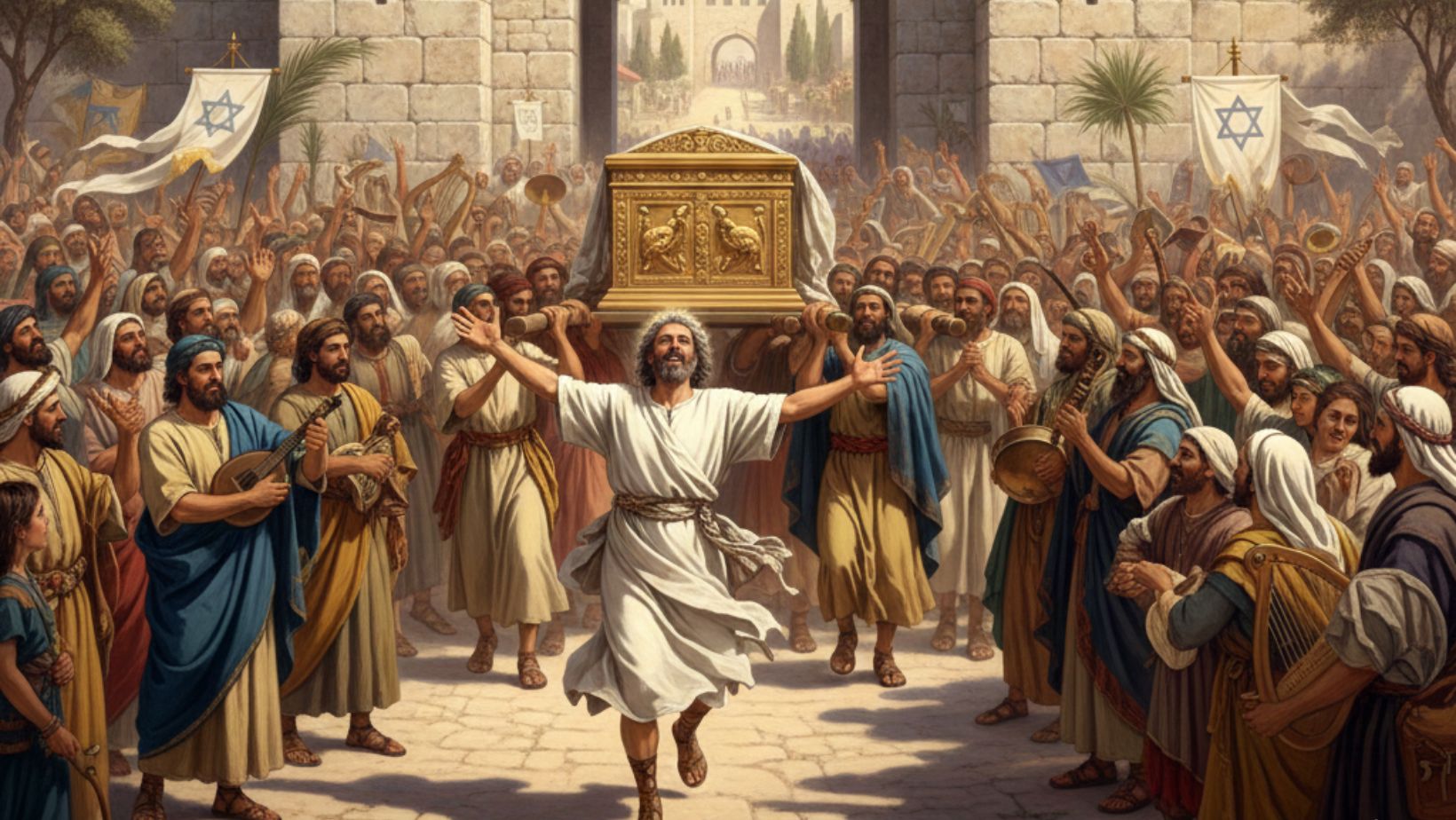
The Second Book of Samuel serves as a foundational narrative in the Old Testament, pivoting from the chaotic era of the Judges and the failed reign of Saul to the establishment of the Davidic Dynasty. It is a deeply personal and political account that focuses almost entirely on the life of David, tracing his journey from a fugitive to the celebrated King of Israel. Through its twenty-four chapters, the book explores the heights of divine blessing and the depths of human frailty, illustrating how one man’s heart for God can coexist with profound personal failure, ultimately highlighting God’s unwavering faithfulness to His covenant.
Quick Facts
- Name: 2 Samuel (originally part of a single book with 1 Samuel)
- Author: Traditionally attributed to the prophets Gad and Nathan
- Main Character: King David
- Key Figures: Joab, Bathsheba, Nathan, Absalom, Mephibosheth
- Era: The United Monarchy of Israel (~1010–970 BCE)
- Core Themes: The Davidic Covenant, kingship, sin and consequences, repentance
- Setting: Hebron (first 7 years) and Jerusalem (the City of David)
- Literary Style: Historical narrative with embedded poetic laments and songs
- Key Symbol: The Throne — representing the eternal kingdom promised by God
Name Meaning
While the book is named after the prophet Samuel, he actually dies in 1 Samuel 25. The title is retained because the events described are the fulfillment of the prophetic transition Samuel began when he first anointed David. In the Hebrew Bible, 1 and 2 Samuel were a single scroll known simply as “Samuel.”
Historical Context
Time: The book covers approximately forty years of David’s reign, beginning with the death of Saul and ending with the twilight of David’s life. Political Landscape: Israel transitions from a loose confederation of tribes into a centralized, powerful kingdom. David conquers Jerusalem and makes it the religious and political capital. Spiritual State: The presence of the Ark of the Covenant becomes central to Israel’s identity, symbolizing God’s dwelling among His people.
Major Roles / Identity
The Shepherd King: David transitions from tending sheep to leading the nation of Israel. The Covenant Bearer: The recipient of the “Davidic Covenant,” a promise that his lineage would endure forever. The Flawed Leader: A man “after God’s own heart” who nevertheless commits adultery and murder, facing the public consequences of private sin. The Military Conqueror: The leader who finally secures the borders of the Promised Land from the Philistines and other enemies.
Key Character Traits
Repentance: Unlike Saul, who offered excuses, David shows genuine contrition when confronted by the prophet Nathan. Loyalty: Demonstrated through his kindness to Mephibosheth, the son of Jonathan. Bravery: A warrior-king who led from the front and sought God’s counsel before battle. Emotional Depth: Seen in his intense mourning for Saul, Jonathan, and later his rebellious son, Absalom.
Main Events
The Lament for Saul and Jonathan: David begins his reign not with celebration, but with a song of mourning for his predecessor and best friend. The Anointing at Hebron: David is first crowned king over Judah, then eventually over all Israel after a brief civil war. The Capture of Jerusalem: David establishes the “City of David” as the capital and brings the Ark of the Covenant there with great celebration. The Davidic Covenant: In 2 Samuel 7, God promises David an eternal kingdom, a pivotal moment in Messianic prophecy. The Sin with Bathsheba: David’s adultery and the subsequent murder of Uriah mark a tragic turning point in his reign. The Rebellion of Absalom: David’s own son attempts a coup, forcing David into exile and resulting in a heartbreaking family tragedy.
Major Relationships
David and Nathan: A model of the relationship between king and prophet; Nathan provides both the promise of the covenant and the sting of rebuke. David and Joab: A complex alliance with his pragmatic and often ruthless military commander. David and Mephibosheth: An act of grace where David restores Saul’s grandson to the royal table to honor his vow to Jonathan. David and Absalom: A father’s unconditional love clashing with a son’s ambition and betrayal.
Notable Passages
2 Samuel 7:12–16: The establishment of the Davidic Covenant: “Your house and your kingdom will endure forever before me.” 2 Samuel 11:1–27: The narrative of David’s fall, detailing the sequence of temptation, sin, and cover-up. 2 Samuel 12:7: Nathan’s direct confrontation: “You are the man!” 2 Samuel 22: David’s song of praise, celebrating God as his rock, fortress, and deliverer.
Legacy & Impact
2 Samuel establishes the theological foundation for the Messiah. The “Son of David” becomes the primary title for the expected Savior of Israel. It provides a raw, unvarnished look at leadership, proving that God uses imperfect people to accomplish His perfect will. The book also highlights the shift from a portable Tabernacle toward the vision of a permanent Temple in Jerusalem.
Symbolism / Typology
The Ark of the Covenant: Represents the presence of God and the necessity of holiness in approaching Him. The City of David: A type of the New Jerusalem, the dwelling place of the Great King. David as Type: As a shepherd-king who suffers but is ultimately vindicated, David foreshadows Jesus Christ, the Good Shepherd and King of Kings.







Leave a Reply