
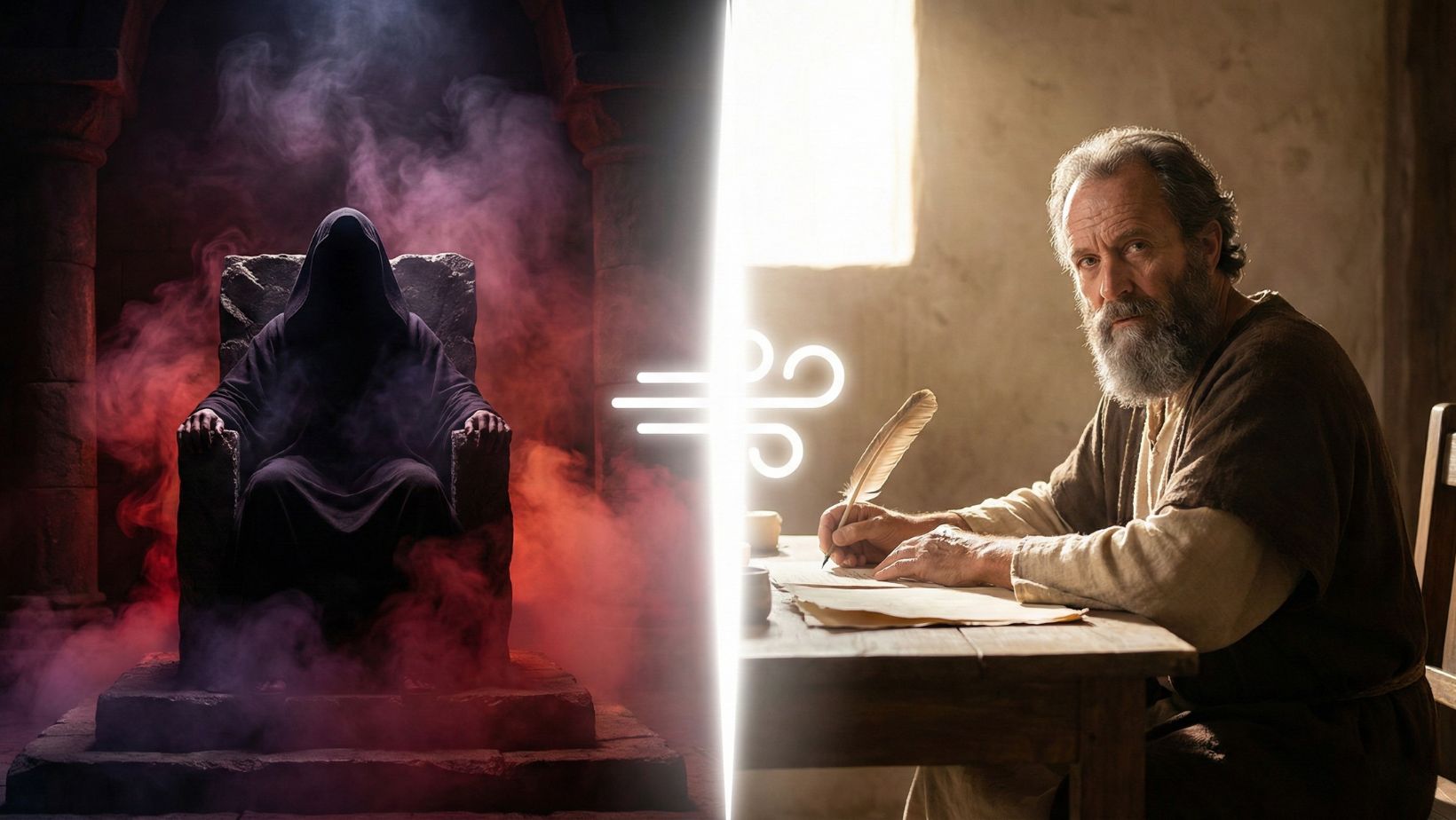
The Second Epistle to the Thessalonians is a stern, corrective sequel to the first letter, written only a few months later. While 1 Thessalonians was warm and encouraging, 2 Thessalonians is urgent and focused. The young church had become confused by false reports claiming the “Day of the Lord” had already happened, leading to panic and idleness. Some believers had quit their jobs, expecting Jesus to return at any second, and were mooching off the generosity of others. Paul writes to calm their fears with clear theological timelines (the “Man of Lawlessness” must come first) and to issue a sharp command: “If a man will not work, he shall not eat.” It is a book that balances the hope of the future with the responsibilities of the present.
Quick Facts
- Author: The Apostle Paul (with Silas and Timothy)
- Date Written: ~51–52 AD (Shortly after 1 Thessalonians)
- Audience: The Church in Thessalonica
- Theme: The Day of the Lord & The Man of Lawlessness
- Key Word: “Judgment” and “Work”
- Key Verse: 2 Thessalonians 2:3 (“Don’t let anyone deceive you in any way, for that day will not come until the rebellion occurs and the man of lawlessness is revealed…”)
- Structure: Encouragement (1) → Explanation (2) → Exhortation (3)
- Symbol: The Restrainer — the force holding back the full tide of evil
Title / Purpose
Title: The Second Epistle of Paul to the Thessalonians.
Purpose:
- To Correct False Teaching: A forged letter claiming to be from Paul said the Day of the Lord had already come, causing terror. Paul writes to debunk this.
- To Clarify Prophecy: To outline specific events that must precede Christ’s return (the Rebellion and the Man of Lawlessness).
- To Rebuke Idleness: To discipline those who were using the “End Times” as an excuse to be lazy and disorderly.
Authorship & Context
The Author: Paul signs the letter with his own hand at the end (3:17) specifically to prove its authenticity, countering the forgeries that were circulating.
The Crisis: Persecution had intensified, making the Thessalonians susceptible to the lie that they were currently living in the “Great Tribulation.”
The Tone: While still affectionate (“brothers”), the tone is sharper and more authoritative than the first letter, especially toward the “busybodies” who refused to work.
Structure / Narrative Arc
The letter follows a clear logical path: Comfort for the suffering, Correction for the confused, and Commands for the disobedient.
1. Encouragement in Persecution (Chapter 1):
- The Justice of God: Paul assures them that their suffering is evidence that they are counted worthy of the Kingdom.
- Retribution: When Jesus is revealed in blazing fire, He will pay back trouble to those who trouble the church.
2. Explanation of the End Times (Chapter 2):
- Don’t Panic: The Day of the Lord has not come yet.
- The Prerequisites: Two things must happen first:
- The Great Apostasy (Rebellion).
- The revelation of the Man of Lawlessness (Antichrist).
- The Restrainer: Someone or something is currently holding back the power of lawlessness until the proper time.
3. Exhortation to Work (Chapter 3):
- Pray for Us: Paul asks for prayer for the spread of the Gospel.
- Warning Against Idleness: Paul commands them to stay away from “idlers.”
- The Rule: “If anyone is not willing to work, let him not eat.”
- Do Not Tire: “As for you, brothers, do not grow weary in doing good.”
Major Themes
The Man of Lawlessness: Paul describes a specific end-times figure who opposes God, exalts himself above every god, and sets himself up in God’s temple. He is the ultimate counterfeit Christ.
Divine Justice: Unlike the first letter which focused on deliverance (Rapture), this letter focuses on judgment. God is just; He will punish the persecutors with “everlasting destruction.”
Tradition: Paul emphasizes holding fast to the “traditions” (teachings) passed down by the apostles, whether by word of mouth or by letter (2:15). This is the safeguard against deception.
Christian Responsibility: Eschatology (study of the End) should never lead to escapism. True hope makes a believer a better, more productive citizen, not a burden on society.
Key Characters
Paul: The protector of truth, guarding the flock from deception. The Man of Lawlessness: The “son of destruction” destined to be overthrown by the breath of Jesus’ mouth. The Restrainer: A mysterious figure/force holding back evil (interpreted variously as the Holy Spirit, the Church, Human Government, or Michael the Archangel). The Idlers: Members of the church who were “busy bodies, not busy working.”
Notable Passages
The Blazing Fire (1:7–8): “This will happen when the Lord Jesus is revealed from heaven in blazing fire with his powerful angels.”
The Great Deception (2:11): “For this reason God sends them a powerful delusion so that they will believe the lie…”
Stand Firm (2:15): “So then, brothers and sisters, stand firm and hold fast to the teachings we passed on to you.”
The Work Command (3:10): “For even when we were with you, we gave you this rule: ‘The one who is unwilling to work shall not eat.’”
Paul’s Signature (3:17): “I, Paul, write this greeting in my own hand, which is the distinguishing mark in all my letters. This is how I write.”
Legacy & Impact
The Antichrist: This book (along with Daniel and Revelation) provides the primary biblical profile of the Antichrist. It has fueled theological study on the “Man of Sin” for 2,000 years.
Welfare & Economics: The command “no work, no eat” (referring to able-bodied people who refuse to work) has been a foundational principle in Christian ethics regarding charity, welfare systems, and the dignity of labor.
Authentication: Paul’s note about his handwriting established the standard for canonization—verifying apostolic authorship was key to a book being included in the Bible.
Symbolism / Typology
The Temple of God: In 2:4, the Man of Lawlessness sits in “God’s temple.” Interpretations vary:
- Literal: A rebuilt Jewish temple in Jerusalem.
- Spiritual: The Church (the temple of the Spirit).
- Symbolic: Attempting to usurp the authority and worship belonging only to God.
Breath of His Mouth: A symbol of the effortless power of Christ. He does not need a weapon to destroy the Antichrist; a mere word or breath is sufficient (2:8).







Leave a Reply