
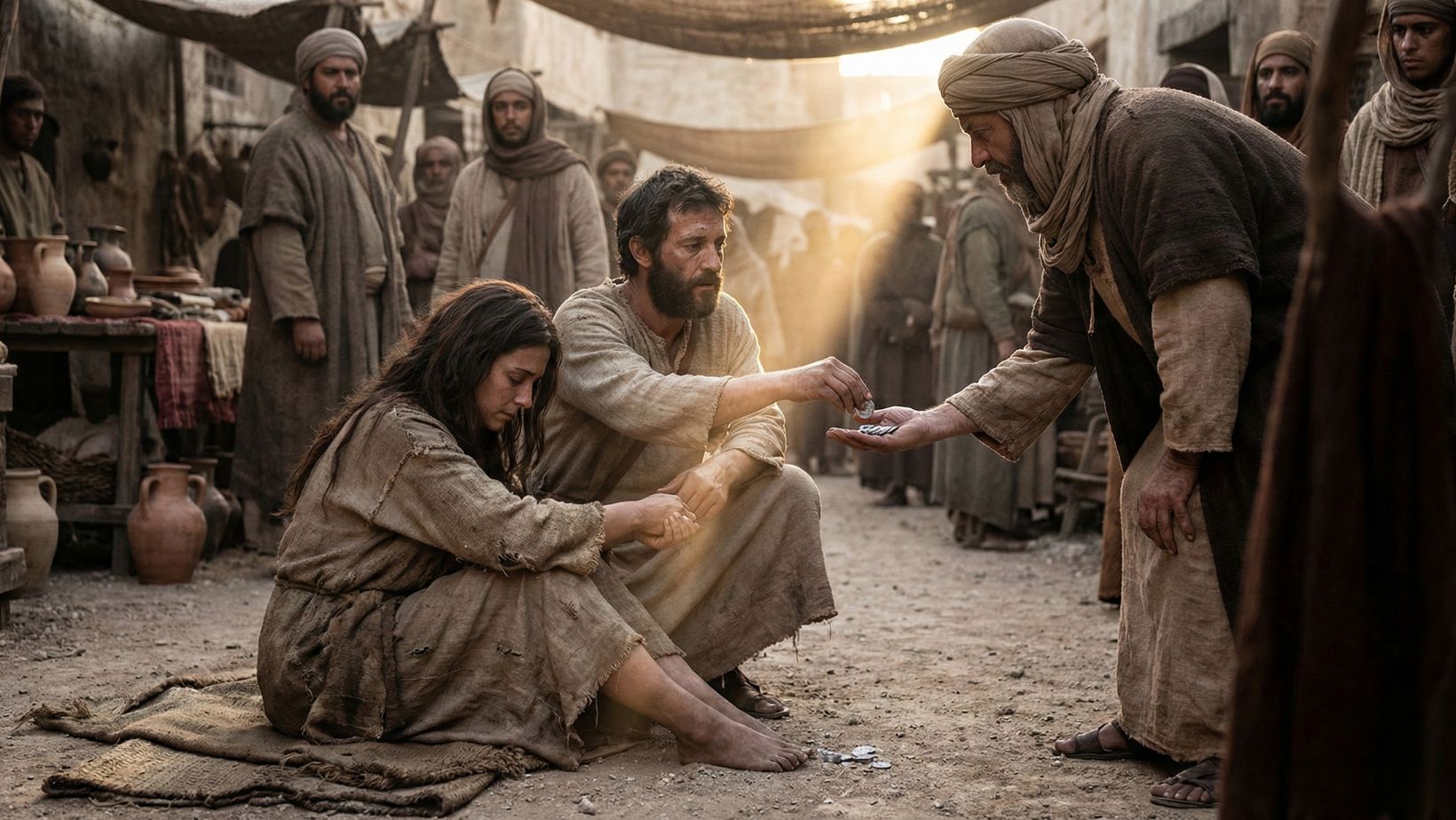
Hosea is often called the “Prophet of God’s Broken Heart.” A contemporary of Isaiah and Amos, he holds the unique distinction of being the only writing prophet from the Northern Kingdom of Israel who also prophesied to his own people. His life served as a shocking, living parable of God’s relationship with Israel. By commanding Hosea to marry an unfaithful woman and remain committed to her despite her adultery, God illustrated His agonizing, relentless love for His wayward people. Hosea’s message is one of the most profound depictions of grace, covenant loyalty (hesed), and redemption in the Old Testament.
Quick Facts
- Name: Hosea (Hebrew: Hoshea)
- Tribe/Nation: Northern Kingdom of Israel (often called Ephraim)
- Era: Divided Kingdom / Pre-Exilic (Mid-to-late 8th century BCE)
- Kings Served: Uzziah, Jotham, Ahaz, Hezekiah (Judah); Jeroboam II (Israel)
- Father: Beeri
- Wife: Gomer (daughter of Diblaim)
- Home: Israel (The Northern Kingdom)
- Book: The Book of Hosea (14 chapters)
- Key Virtues: Obedience, radical forgiveness, endurance
- Legacy: Established the metaphor of marriage to describe the God-Israel covenant
- Symbol: Broken Chains / A Marriage Bond — representing redemption from slavery and restored intimacy
Name Meaning
“Hosea” comes from the Hebrew root yasha, meaning “Salvation” or “He Saves.” It is etymologically related to the names Joshua and Jesus. This is fitting, as his life’s work was to point toward God’s desire to save His people from the consequences of their own spiritual adultery.
Lineage / Family Background
Origin: The son of Beeri. Unlike Amos (a shepherd from the South preaching North), Hosea was a native of the North, likely from a family of status given his knowledge of political affairs.
Wife: Gomer. Described as a “wife of whoredom” (Hosea 1:2), her unfaithfulness was central to Hosea’s prophetic calling.
Children:
- Jezreel (Son): Meaning “God sows” or “God scatters,” signifying judgment on the house of Jehu.
- Lo-Ruhamah (Daughter): Meaning “No Mercy” or “Not Loved,” signifying God withdrawing pity from Israel.
- Lo-Ammi (Son): Meaning “Not My People,” the ultimate severance of the covenant relationship.
Biblical Era / Context
Time: Approximately 755–715 BCE.
Political Context: Hosea prophesied during the final, chaotic decades of the Northern Kingdom. It was a time of material prosperity under Jeroboam II, followed by rapid decline, assassinations, and eventual destruction by the Assyrian Empire in 722 BCE.
Spiritual Context: The land was filled with idolatry (worship of Baal and Asherah), relying on foreign alliances rather than God, and a complete breakdown of social justice.
Major Roles / Identity
The Living Parable: Hosea’s personal life was his primary message. He enacted the pain God felt over Israel.
Prophet of Doom: He boldly predicted the fall of Samaria and the exile of the ten tribes due to their breach of covenant.
Prophet of Love: Despite the harsh warnings, he delivered some of the most tender descriptions of God’s love found in Scripture.
Key Character Traits
Radical Obedience: Married a woman known for promiscuity simply because God commanded it as a prophetic sign.
Emotional Endurance: Bore the public shame and personal heartbreak of a betraying spouse to mirror God’s pain.
Unconditional Love: He did not just forgive Gomer; he actively pursued her into the depths of her slavery to restore her.
Insight: He understood that the root of sin is a “spirit of prostitution”—a heart problem, not just a behavior problem.
Main Life Events
The Command to Marry: God commands Hosea to “Go, take to yourself a wife of whoredom” to illustrate the land’s unfaithfulness to Yahweh (Hosea 1:2).
Naming the Children: He names his three children as living signs of God’s increasing judgment and distance from Israel (Hosea 1).
Gomer’s Departure: Gomer leaves Hosea to pursue her “lovers” (Baal/false idols), believing they provided her food and water, eventually falling into destitution and likely slavery.
The Redemption: God commands Hosea to go again and love his wife, even while she is an adulteress. Hosea buys her back for fifteen shekels of silver and some barley (Hosea 3:1–2).
The Restoration of Names: Hosea predicts a future time when “No Mercy” will be shown mercy, and “Not My People” will be called “Sons of the Living God” (Hosea 1:10, 2:23).
Major Relationships
Gomer: His wife. She represents unfaithful Israel. Her journey from wife to adulteress to slave to redeemed wife mirrors Israel’s history.
Yahweh: Hosea had a uniquely intimate understanding of God’s pathos. He realized God is not an emotionless judge, but a passionate husband who is deeply wounded by betrayal.
Ephraim (Israel): Hosea frequently addresses the nation as “Ephraim,” speaking to them like a stubborn, wayward child whom the father taught to walk (Hosea 11).
Notable Passages
Hosea 4:6: “My people are destroyed for lack of knowledge; because you have rejected knowledge, I reject you…”
Hosea 6:6: “For I desire steadfast love (hesed) and not sacrifice, the knowledge of God rather than burnt offerings.” (Quoted by Jesus in Matthew 9:13).
Hosea 11:1, 8: “When Israel was a child, I loved him, and out of Egypt I called my son… How can I give you up, O Ephraim? How can I hand you over, O Israel?”
Hosea 14:4: “I will heal their apostasy; I will love them freely, for my anger has turned from him.”
Legacy & Impact
The Marriage Metaphor: Hosea introduced the theology of God as the “Bridegroom” and His people as the “Bride,” a theme developed by Jeremiah, Ezekiel, and fully realized in the New Testament regarding Christ and the Church (Ephesians 5, Revelation 19).
Steadfast Love (Hesed): He championed the idea that God wants relationship and loyalty of heart over ritualistic religious performance.
Hope Beyond Judgment: His message confirms that while God punishes sin, His ultimate purpose is restoration and healing.
Symbolism / Typology
Hosea: A type of Christ—the faithful husband who pays the price to redeem an unfaithful bride.
The Purchase: Hosea buying Gomer off the slave block foreshadows the redemption of humanity through Christ, who bought us “with a price” (1 Corinthians 6:20).
The Valley of Achor: Originally a place of trouble (Joshua 7), Hosea prophesies it will become a “door of hope” (Hosea 2:15), symbolizing how God turns tragedy into a gateway for new beginnings.
Extra-Biblical References
Historical Records: Assyrian annals confirm the existence of the kings Hosea prophesied under (e.g., Tiglath-Pileser III) and the eventual siege of Samaria, validating the historical urgency of his message.
Jewish Tradition: The Talmud (Pesachim 87a) discusses Hosea, suggesting that when God told him Israel had sinned, Hosea should have asked for mercy. Instead, he agreed they should be replaced. To teach him compassion, God commanded the marriage to Gomer.







Leave a Reply