
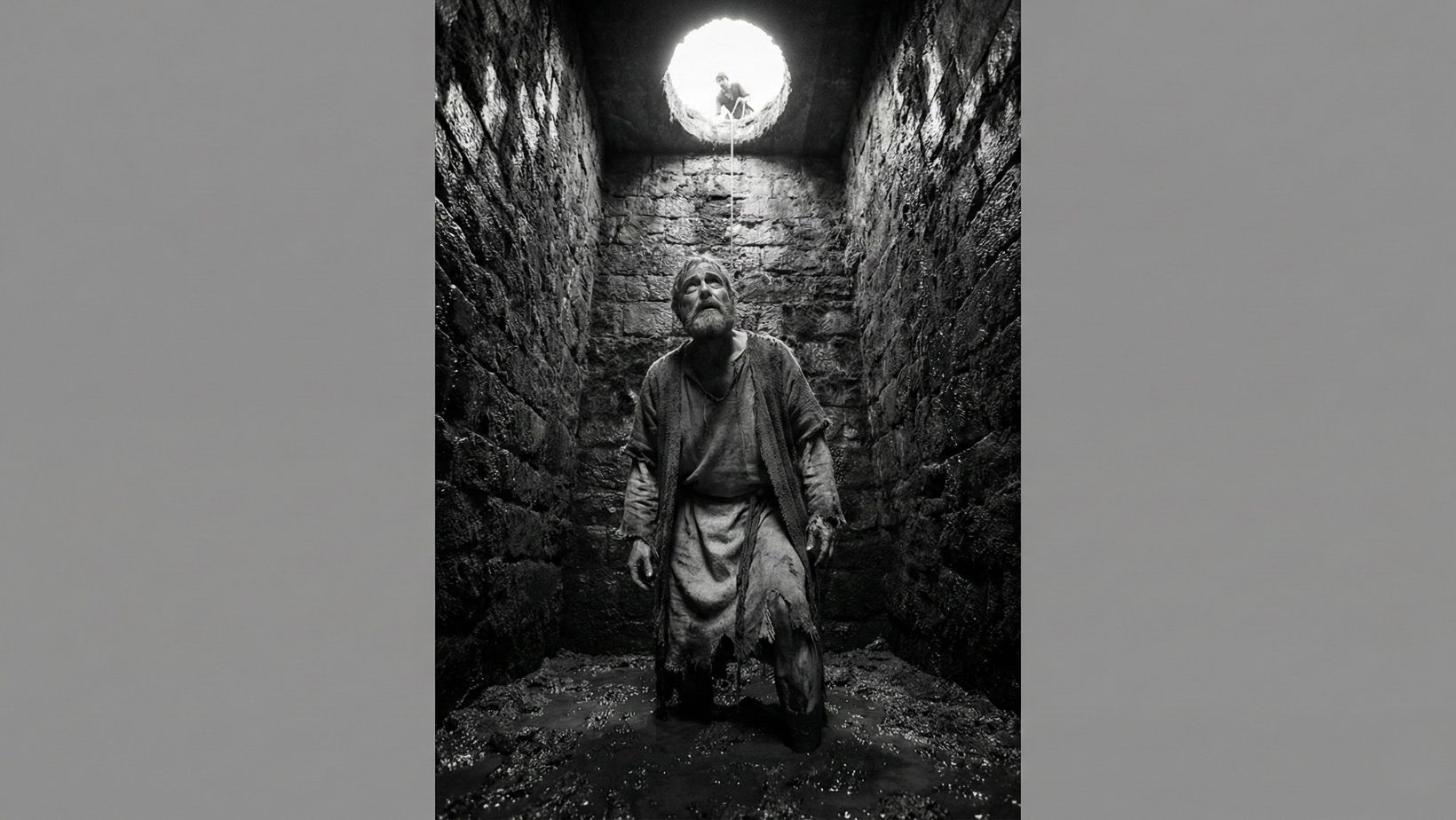
Jeremiah is often called the “Weeping Prophet,” a title that reflects the heartbreak of his forty-year ministry. He was called to a task that no one would envy: preaching judgment to a nation that would not listen, watching his beloved city of Jerusalem burn, and living through the trauma of the Babylonian exile. Unlike Isaiah, who saw the glory of the Lord in the Temple, Jeremiah saw the “abomination of desolation” entering it. His book is an intensely personal account, filled with “confessions” where he argues with God about the pain of his calling. Yet, amidst the doom, Jeremiah delivers the stunning promise of a “New Covenant”—a time when God would write His law not on stone tablets, but on human hearts.
Quick Facts
- Name: Jeremiah (Hebrew: Yirmeyahu, meaning “Yahweh will exalt” or “Yahweh loosens”)
- Author: Jeremiah (dictated to his scribe, Baruch)
- Date Written: ~627–585 BCE
- Kings Served: Josiah, Jehoahaz, Jehoiakim, Jehoiachin, Zedekiah
- Core Themes: The New Covenant, false prophecy, the heart, national idolatry
- Setting: Jerusalem, Anathoth, and finally Egypt
- Literary Style: Poetic oracles, biographical narrative, lament
- Key Symbol: The Potter’s House — God’s sovereignty over the nations
Name Meaning
The name Jeremiah is significant. It can mean “Yahweh throws” (or casts forth), perhaps referring to his role in hurling prophecies, or “Yahweh exalts.” His life was a paradox of being cast down by men but exalted by God as a “fortified city” against his enemies.
Historical Context
Time: Jeremiah began his ministry during the optimistic reforms of King Josiah but spent most of his life battling the wicked kings who followed. The Geopolitics: He lived during the collapse of the Assyrian Empire and the rise of Babylon. He was the only voice arguing for surrender to Babylon, which branded him a traitor in the eyes of Jewish nationalists. The Fall: He witnessed the three stages of deportation (605, 597, 586 BCE) and the ultimate destruction of Solomon’s Temple.
Major Roles / Identity
The Weeping Prophet: A man of deep emotional capacity who felt the pain of God and the pain of his people simultaneously. The “Traitor”: Because he prophesied that fighting Babylon was fighting God, he was beaten, imprisoned, and thrown into a cistern by his own government. The Iconoclast: He smashed the false security of the people who chanted, “The Temple of the Lord, the Temple of the Lord,” thinking the building would save them regardless of their sin. The Survivor: He survived assassination plots by his neighbors, the burning of his scroll by the king, and the total destruction of his city.
Key Character Traits
Perseverance: He preached for 40 years with almost zero “converts” or positive response, yet he remained faithful. Vulnerability: He is famous for his honesty with God, at one point accusing God of deceiving him (“You deceived me, Lord, and I was deceived”). Courage: He looked kings in the eye and told them they would die in captivity, and he wore an ox yoke around his neck in public to symbolize submission to Babylon. Internal Fire: When he tried to stop prophesying to avoid persecution, he found he couldn’t: “His word is in my heart like a fire… I am weary of holding it in.”
Main Events
The Call: God touches his mouth and appoints him a prophet to the nations while he is still a youth (Jeremiah 1). The Temple Sermon: Jeremiah stands at the gate of the Temple and warns that God will destroy it like Shiloh if they don’t repent (Jeremiah 7). The Potter’s House: He watches a potter reshape marred clay, illustrating that Israel is in God’s hands to be reshaped (Jeremiah 18). The Scroll Burning: King Jehoiakim cuts up Jeremiah’s scroll with a knife and burns it, but Jeremiah simply dictates a new, longer one (Jeremiah 36). The Cistern: Officials throw Jeremiah into a muddy well to die of starvation, but he is rescued by Ebed-Melech, an Ethiopian official (Jeremiah 38). The Fall of Jerusalem: The Babylonians breach the walls; Zedekiah is blinded, the Temple is burned, but Jeremiah is treated kindly by the conquerors. The Flight to Egypt: Against his warning, the remnant drags Jeremiah to Egypt, where he dies (according to tradition) still preaching against their idolatry.
Major Relationships
Jeremiah and Baruch: His loyal scribe and friend who wrote down his words and delivered them when Jeremiah was banned from the Temple. Jeremiah and Zedekiah: A tragic relationship; the weak king Zedekiah secretly asked Jeremiah for advice but was too afraid of his officials to follow it. Jeremiah and God: An intense, sometimes combative intimacy. Jeremiah is the only prophet who frankly admits he wishes he had never been born (Jeremiah 20:14).
Notable Passages
Jeremiah 1:5: The Before: “Before I formed you in the womb I knew you, before you were born I set you apart.” Jeremiah 29:11: The Promise (often quoted out of context): “For I know the plans I have for you… plans to prosper you and not to harm you,” written to exiles who would not go home for 70 years. Jeremiah 31:31: The New Covenant: “The days are coming… when I will make a new covenant with the people of Israel… I will put my law in their minds and write it on their hearts.” Jeremiah 17:9: The Anthropology: “The heart is deceitful above all things and beyond cure. Who can understand it?”
Legacy & Impact
Jeremiah is the prophet of personal religion. By predicting a covenant written on the heart, he prepared the way for the New Testament idea that God’s Spirit dwells within the believer, not just in a building. His life is arguably a “type” of Jesus: a suffering, weeping intercessor rejected by his own people.
Symbolism / Typology
The Almond Branch: A play on words in Hebrew (shaqed = almond, shoqed = watching). God is “watching” to see His word fulfilled. The Boiling Pot: Symbolizing the enemy (Babylon) pouring out from the north. The Linen Belt: Jeremiah buries a linen belt until it is ruined, symbolizing how the pride of Judah will be ruined. The Yoke: Represents the necessary submission to God’s discipline (Babylon).







Leave a Reply