
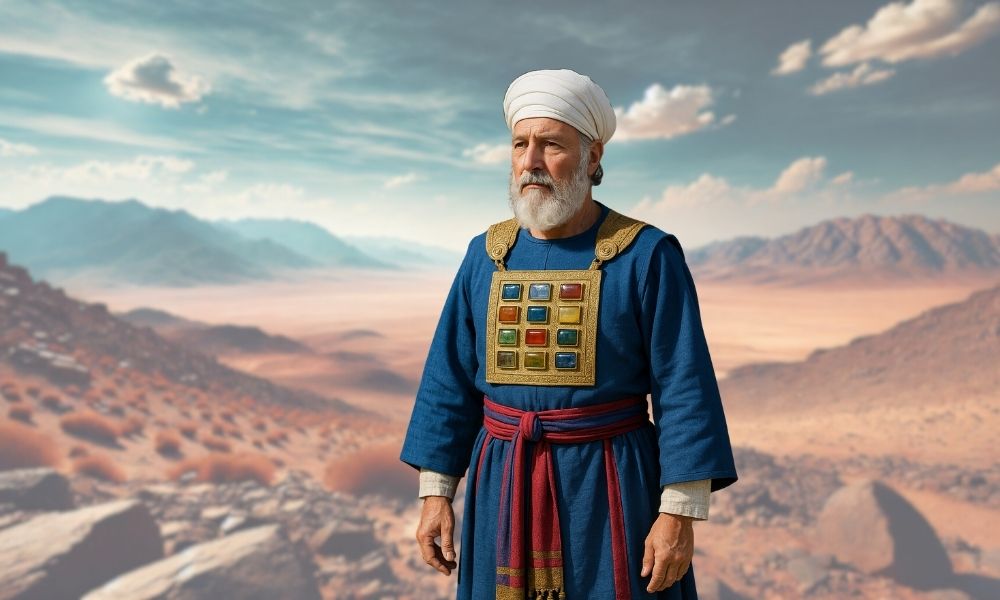
The Book of Leviticus is the third book of the Bible and of the Torah (Pentateuch), written by Moses under divine inspiration. It is a sacred manual that teaches Israel how to live in the presence of a holy God.
Following the dramatic events of Exodus—where God delivers His people from Egypt and establishes His covenant with them at Mount Sinai—Leviticus provides the laws, rituals, and priestly duties necessary to maintain fellowship between the holy God (Yahweh) and His redeemed people.
Key Theme: “Be holy, for I, the LORD your God, am holy.” — Leviticus 19:2
Leviticus reveals that holiness touches every part of life—worship, morality, food, clothing, sexuality, community justice, and celebration. It bridges the gap between divine holiness and human sinfulness through sacrifice, priesthood, and obedience.
Quick Facts
Book Name: Leviticus
Hebrew Title: וַיִּקְרָא (Vayikra) — “And He called”
Greek/Latin Title: Leuitikon / Leviticus — “pertaining to the Levites”
Author: Moses
Date Written: c. 1445–1405 BCE (during the wilderness period)
Setting: Mount Sinai, within the Israelite camp
Time Covered: Approximately one month between Exodus and Numbers
Book Order: 3rd book of the Torah / Old Testament
Audience: The Israelites, especially the priests (Levites)
Genre: Law, Instruction, and Covenant Code
Key Verse: “You shall be holy, for I the LORD your God am holy.” (19:2)
Symbol: The Tabernacle — God’s holy dwelling among His people
Central Message: God is holy and desires a holy people who worship and serve Him in purity.
Name Meaning
Leviticus means “pertaining to the Levites,” referring to the tribe chosen to minister before God and teach His law.
The Hebrew name Vayikra (“And He called”) emphasizes God’s initiative in calling Moses and His people to holiness and worship.
Authorship & Historical Context
Leviticus was written by Moses, who received these laws directly from Yahweh while Israel camped at Mount Sinai (Exodus 19 – Numbers 10).
The Israelites had been redeemed from Egypt but were now learning how to live as God’s covenant nation—distinct, pure, and obedient.
Historically, Leviticus belongs to the Mosaic covenant period—a time of divine instruction, nation formation, and spiritual identity building.
Structure and Outline of Leviticus
I. Laws of Sacrifice (Leviticus 1–7)
God institutes five major offerings to restore and maintain fellowship with Him:
- Burnt Offering (Ch. 1) – Total consecration to God; the entire animal consumed by fire.
- Grain Offering (Ch. 2) – Tribute of thanksgiving and dedication; no blood involved.
- Peace Offering (Ch. 3) – Fellowship and communion with God; shared meal of peace.
- Sin Offering (Ch. 4) – Atonement for unintentional sins.
- Guilt (Trespass) Offering (Ch. 5–6) – Atonement and restitution for offenses against God or others.
Theme: Sin requires atonement. Holiness demands sacrifice.
Christ Foreshadowed: Jesus Christ is the once-for-all sacrifice who fulfills all offerings (Hebrews 10:10).
II. Consecration of the Priesthood (Leviticus 8–10)
- Aaron and his sons are ordained as the first priests of Israel.
- Anointing, sacrifices, and purification rituals mark their consecration.
- Nadab and Abihu, Aaron’s sons, offer “unauthorized fire” and are struck dead by God (10:1–2).
- This demonstrates that approaching God must always be done according to His command.
Key Lesson: Worship must be holy, reverent, and obedient—not self-invented.
Christ Foreshadowed: Jesus is the sinless High Priest, perfectly obedient in all things (Hebrews 5:1–10).
III. Laws of Purity (Leviticus 11–15)
This section teaches about clean and unclean distinctions, symbolizing moral and spiritual purity.
- Clean and Unclean Animals (Ch. 11) — Dietary laws emphasizing separation and discipline.
- Purification after Childbirth (Ch. 12).
- Laws about Leprosy and Skin Diseases (Chs. 13–14) — Rituals for diagnosis and cleansing.
- Bodily Discharges and Hygiene (Ch. 15).
Spiritual Meaning: Sin contaminates life. God’s people must live with purity in heart and body.
Christ Foreshadowed: Jesus cleansed lepers and declared all foods clean (Mark 7:19; Luke 5:12–14), showing the deeper spiritual fulfillment of these laws.
IV. The Day of Atonement (Leviticus 16)
The holiest day in the Israelite calendar, Yom Kippur, provided annual atonement for the nation.
- The High Priest enters the Holy of Holies once a year.
- Two goats are used:
- One sacrificed for the people’s sin.
- The other, the scapegoat, sent into the wilderness, symbolizing the removal of sin.
Christ Foreshadowed: Jesus is both the sacrifice for sin and the scapegoat who carries away our guilt (Hebrews 9:11–14).
V. The Holiness Code (Leviticus 17–26)
The heart of Leviticus — detailing holy living in every area of life.
- Chapter 17: Sacredness of blood — “The life is in the blood.”
- Chapters 18–20: Moral and sexual purity; prohibition of pagan practices; the call to love one’s neighbor (19:18).
- Chapter 21–22: Rules for priests’ holiness.
- Chapter 23: Feasts of the Lord — Passover, Unleavened Bread, Firstfruits, Pentecost, Trumpets, Day of Atonement, and Tabernacles.
- Chapter 24: The lampstand and showbread — symbols of continual worship.
- Chapter 25: The Sabbatical Year and The Year of Jubilee — economic and social rest, release of debts and slaves.
- Chapter 26: Blessings for obedience; curses for rebellion.
Key Command: “You shall love your neighbor as yourself.” (19:18)
Christ Foreshadowed: Jesus embodied perfect holiness and fulfilled every moral demand of the Law.
VI. Vows and Dedications (Leviticus 27)
- Final instructions about voluntary vows, offerings, and redeeming dedicated things.
- Emphasizes integrity, gratitude, and commitment to God.
Major Themes of Leviticus
1. The Holiness of God
God’s nature is utterly pure, separate, and perfect. Every law in Leviticus reflects His holiness and the necessity for His people to reflect it.
2. The Need for Atonement
Sin separates humanity from God. Sacrifices symbolize that forgiveness requires a substitute’s blood—fulfilled in Christ’s death.
3. The Role of the Priesthood
Priests mediate between God and man, prefiguring Jesus Christ, the eternal High Priest.
4. The Call to Moral Purity
Holiness extends beyond rituals to ethics—justice, compassion, and love are essential expressions of holiness.
5. The Presence of God
God’s glory dwells in the Tabernacle among His people. Fellowship with Him requires cleansing and reverence.
Major Characters
- God (Yahweh): The Holy One who calls Israel to holiness.
- Moses: The mediator and lawgiver.
- Aaron: The first high priest.
- Nadab and Abihu: Aaron’s sons who die for offering strange fire.
Key Verses
- Leviticus 11:44–45: “For I am the LORD your God. You shall therefore sanctify yourselves, and you shall be holy.”
- Leviticus 17:11: “For the life of the flesh is in the blood… it is the blood that makes atonement for the soul.”
- Leviticus 19:2: “You shall be holy, for I the LORD your God am holy.”
- Leviticus 19:18: “You shall love your neighbor as yourself.”
Christ in Leviticus
| Symbol or Law | Fulfilled in Christ |
|---|---|
| Burnt Offering | Jesus’ total devotion to the Father |
| Sin/Guilt Offering | Jesus’ atoning death for sin |
| Priesthood | Jesus as the eternal High Priest |
| Scapegoat | Jesus bearing our sins and removing them |
| Blood Atonement | Christ’s blood shed for redemption |
| Feasts | Each feast points to Christ’s redemptive work |
Legacy and Impact
- Central to the understanding of sin, sacrifice, and holiness.
- Forms the foundation for Israel’s worship system and ethical law.
- Deeply shapes Christian theology of atonement and sanctification.
- Calls believers to live in holiness and gratitude for Christ’s finished work.







Leave a Reply