
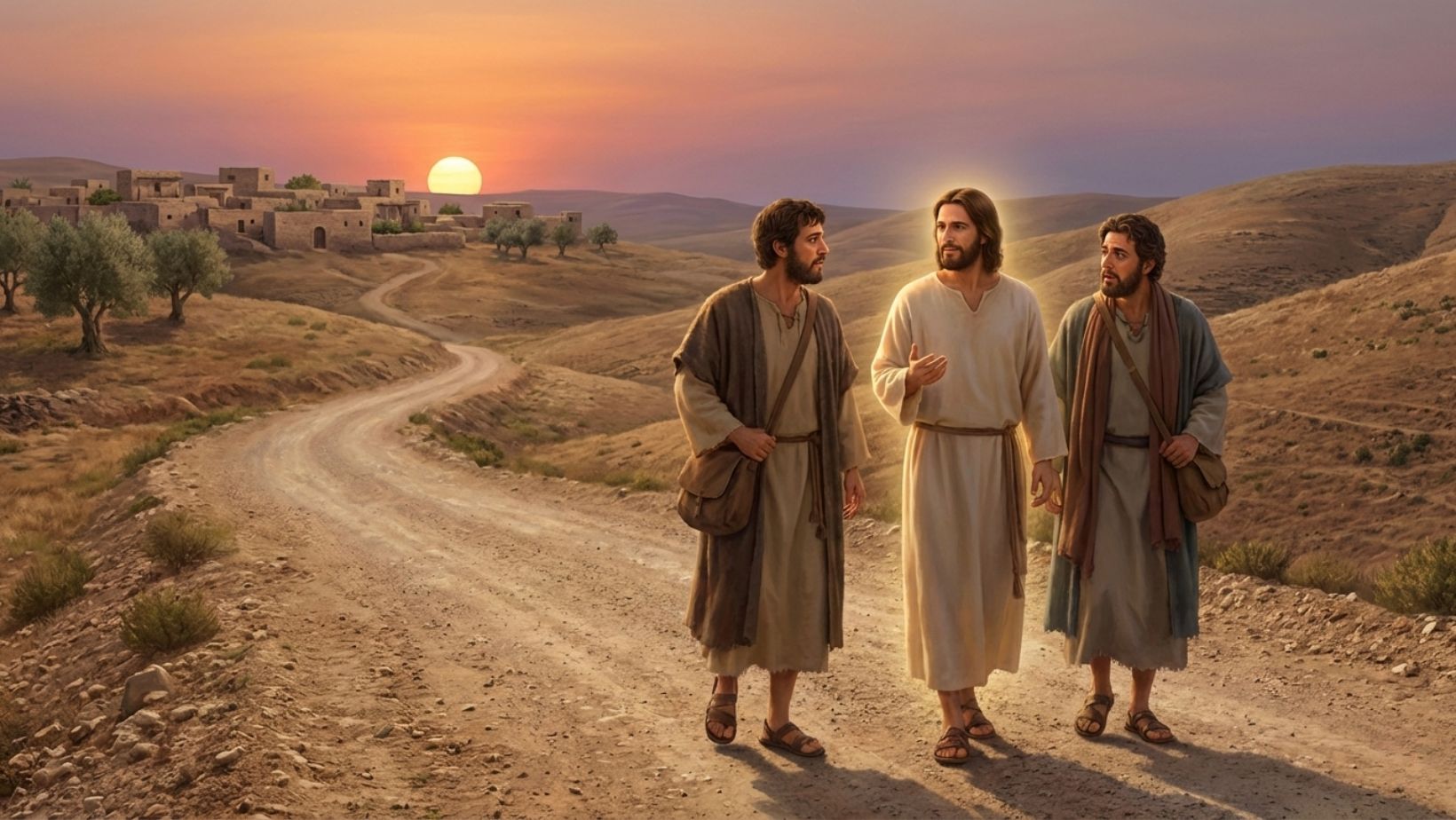
The Gospel According to Luke is widely considered the most beautiful literary work in the Bible. It is the first volume of a two-part history (Luke-Acts) that traces the rise of Christianity from the birth of Jesus to the Apostle Paul’s ministry in Rome. Luke presents the most “human” view of Jesus, emphasizing His compassion for those whom society rejected: Gentiles, women, children, tax collectors, and the poor. While Matthew portrays Jesus as the Jewish Messiah and Mark as the Suffering Servant, Luke depicts Him as the Son of Man—the Savior of the whole world. This Gospel is unique for its extensive “Travel Narrative” (the journey to Jerusalem) and for preserving the most beloved parables of grace, such as the Prodigal Son and the Good Samaritan.
Quick Facts
- Book: The Gospel According to Luke
- Author: Luke (Gentile physician and companion of Paul)
- Recipient: Theophilus (“Friend of God”)
- Date: c. 60–85 AD
- Genre: Historical Narrative / Gospel
- Key Theme: The Universal Savior seeking the lost
- Key Verse: “For the Son of Man came to seek and to save the lost.” (Luke 19:10)
- Unique Content: ~35-40% of the material is exclusive to Luke (L source)
- Sequel: The Acts of the Apostles
Literary Structure
1. The Prologue (1:1–4): Luke states his purpose: to write an “orderly account” based on eyewitness testimony to provide certainty.
2. The Birth Narratives (1:5–2:52): Unique focus on Mary, Elizabeth, and the childhood of Jesus. Contains the famous canticles (songs): Magnificat, Benedictus, and Nunc Dimittis.
3. Ministry in Galilee (3:1–9:50): Jesus announces His manifesto to “preach good news to the poor” and demonstrates power over disease, nature, and demons.
4. The Travel Narrative (9:51–19:27): A massive central section unique to Luke. Jesus “sets his face” toward Jerusalem. This section contains the bulk of Jesus’ teaching and parables.
5. Passion and Resurrection (19:28–24:53): The entry into Jerusalem, the Last Supper, the crucifixion, and the resurrection appearances (specifically the Road to Emmaus).
Key Themes
Universal Salvation: Luke traces Jesus’ genealogy back to Adam (the father of all humans), not just Abraham (father of the Jews). He quotes Isaiah to show “all flesh shall see the salvation of God” (Luke 3:6).
The Gospel of the Outcast: Luke consistently highlights Jesus’ interactions with the marginalized:
- Women: Luke features more women than any other Gospel (Elizabeth, Anna, the widow of Nain, the sinning woman who anoints Jesus, Mary and Martha, the weeping women of Jerusalem).
- Samaritans: Only Luke records the Good Samaritan and the grateful Samaritan leper, challenging Jewish prejudices.
- Tax Collectors and Sinners: Jesus is criticized for eating with them; Luke frames this as the heart of His mission (Zacchaeus, Levi).
The Holy Spirit and Prayer: Luke emphasizes the Spirit’s activity (in John the Baptist, Mary, Elizabeth, Simeon, and Jesus). He also records Jesus praying at pivotal moments where other Gospels do not (at His baptism, before choosing the Twelve, at the Transfiguration, and on the cross).
Stewardship and Wealth: Luke has more to say about money than any other Gospel. He includes the “woes” to the rich (Luke 6:24) and parables warning against greed (The Rich Fool, The Rich Man and Lazarus).
Unique Parables (Found Only in Luke)
The Good Samaritan (10:25–37): Redefines “neighbor” to include one’s enemy.
The Prodigal Son (15:11–32): Perhaps the greatest short story ever told, illustrating the extravagant grace of the Father and the resentment of the self-righteous brother.
The Pharisee and the Tax Collector (18:9–14): Contrasts religious pride with humble repentance (“God, have mercy on me, a sinner”).
The Rich Man and Lazarus (16:19–31): A stark warning about the reversal of fortunes in the afterlife and the blindness of wealth.
The Friend at Midnight (11:5–8): Teaching on persistence in prayer.
Christology: Who is Jesus in Luke?
The Son of Man: Jesus’ favorite self-designation. In Luke, it emphasizes His humanity and His identification with the suffering of mankind.
The Prophet: Luke portrays Jesus as a prophet mighty in deed and word, mirroring and surpassing Elijah and Elisha (raising the widow’s son, healing lepers, ascending to heaven).
The Savior: The title Soter (Savior) is used by the angels at His birth (2:11). He saves not just from Rome, but from sin, sickness, and death.
Notable Passages
Luke 4:18–19 (The Nazareth Manifesto): “The Spirit of the Lord is on me, because he has anointed me to proclaim good news to the poor… to set the oppressed free.”
Luke 1:46–47 (The Magnificat): “My soul glorifies the Lord and my spirit rejoices in God my Savior…”
Luke 23:34 (The Word of Forgiveness): “Father, forgive them, for they do not know what they are doing.” (Found only in Luke).
Luke 24:32 (The Road to Emmaus): “Were not our hearts burning within us while he talked with us on the road and opened the Scriptures to us?”
Legacy & Impact
Hymnody: The Church derives its major liturgical songs (Canticles) directly from Luke 1–2. Art: The imagery of the manger, the shepherds, and the ascension comes primarily from Luke. Social Gospel: Luke’s emphasis on the poor and the “Great Banquet” where the lame and blind are invited has driven Christian humanitarian efforts for centuries.








Leave a Reply