
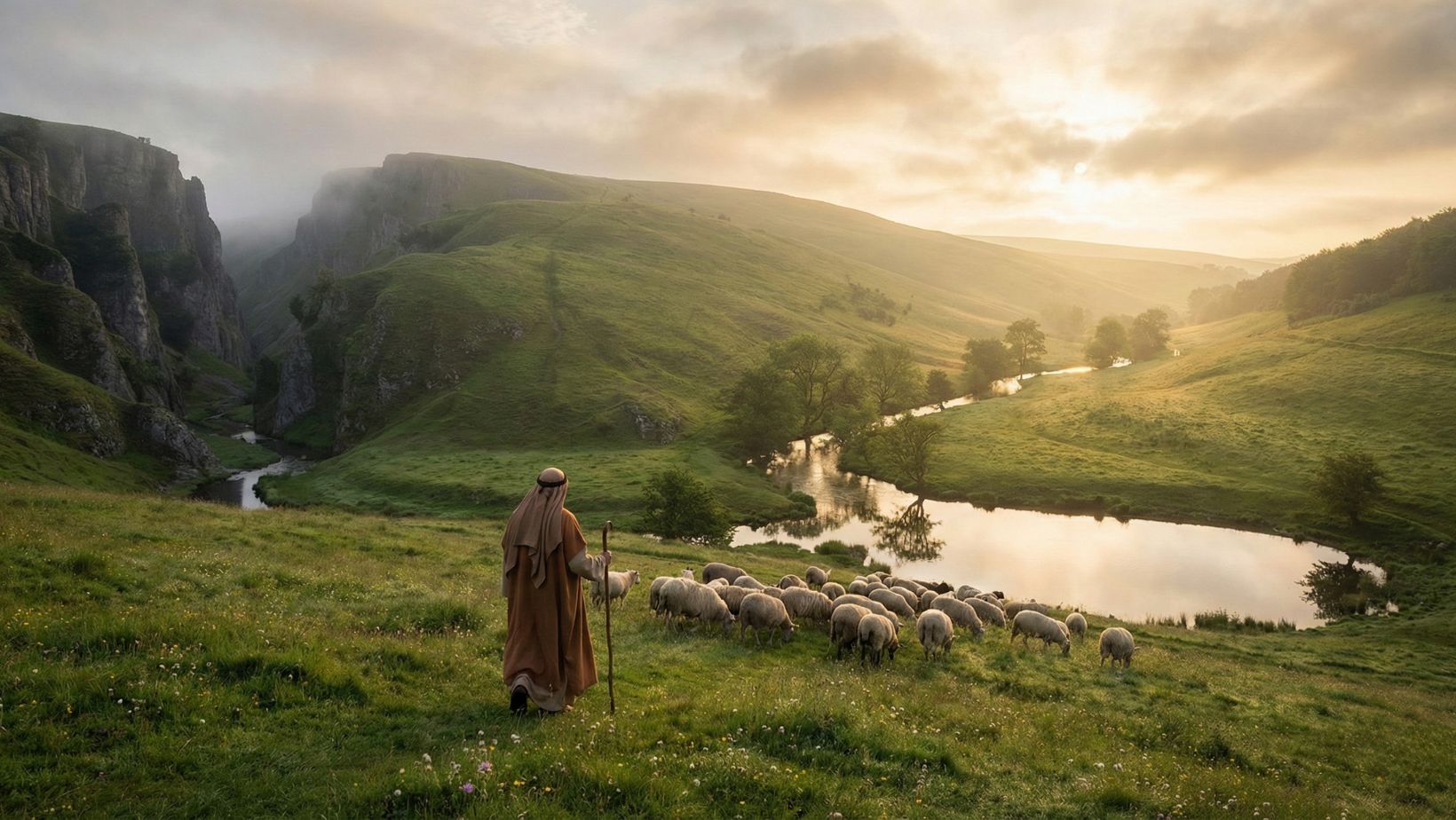
The Book of Psalms is the heartbeat of the Bible—a collection of 150 poems, prayers, and songs that express the full range of human emotion in relation to God. It serves as the ancient hymnal of Israel and the prayer book of the Church. Unlike other books that speak to us about God, the Psalms speak for us to God. They cover every season of the soul: from the heights of ecstatic praise on the mountaintops to the depths of despair in the darkest valleys. It is a book where theology turns into worship, teaching believers that they can bring their anger, doubts, joy, and gratitude directly into the presence of the Creator.
Quick Facts
- Name: Psalms (Hebrew: Tehillim, meaning “Praises”)
- Authors: King David (73), Asaph (12), Sons of Korah (11), Solomon, Moses, Ethan, and anonymous writers
- Date Written: Spans ~1,000 years (from Moses ~1400 BCE to the Post-Exilic era ~450 BCE)
- Structure: Divided into 5 “Books,” likely mirroring the 5 Books of Moses (Pentateuch)
- Core Themes: The Kingship of God, the Messiah, Lament, Thanksgiving, The Law
- Literary Style: Hebrew Poetry (focusing on parallelism and imagery rather than rhyme)
- Key Symbol: The Harp/Lyre — symbolizing the musical nature of worship
Name Meaning
The English title comes from the Greek Psalmoi, meaning “instrumental music” or “songs sung to a harp.” The Hebrew title Tehillim means “Praises,” emphasizing that even the sad songs ultimately lead the singer back to the praise of God.
Historical Context
Time: This is the most chronologically diverse book in the Bible. It includes Psalm 90 (written by Moses in the wilderness) and Psalm 137 (written by exiles weeping by the rivers of Babylon). Liturgical Use: These songs were not just poems; they were functional. They were sung by Levitical choirs in the Temple, used by pilgrims traveling to Jerusalem (“Songs of Ascent”), and prayed by individuals in private devotion.
Major Authors / Voices
David: The “Sweet Psalmist of Israel.” His psalms are often personal, intense, and emotional, reflecting his life as a shepherd, fugitive, and king. Asaph: A worship leader appointed by David. His psalms often grapple with the justice of God and the prosperity of the wicked. The Sons of Korah: Temple doorkeepers and singers whose songs emphasize a deep longing for the presence of God (“As the deer pants for streams of water…”). Solomon: Contributed wisdom psalms and songs about the ideal King.
Key Categories (Genres)
Lament (The Cry): The most common type (over 40%). These start with pain (“How long, O Lord?”), move to petition, and usually end in trust. They validate human suffering. Hymns of Praise (The Call): Songs that focus entirely on who God is—Creator, King, and Deliverer. Thanksgiving (The Response): Written after a prayer has been answered or a crisis survived (“I love the Lord, for he heard my voice”). Royal/Messianic Psalms: Songs originally about the Davidic King that find their ultimate fulfillment in Jesus Christ (e.g., Psalm 2, 22, 110). Wisdom Psalms: Instructive songs that contrast the way of the righteous with the way of the wicked (e.g., Psalm 1). Imprecatory Psalms: The “cursing” psalms where the writer calls for justice against enemies. These are pleas for God to enforce moral order in a violent world.
Main Themes
The Two Ways: The book opens (Psalm 1) by presenting two paths: the righteous who delight in God’s law and flourish, and the wicked who are like chaff blown away. The Kingship of Yahweh: A central declaration that “The Lord Reigns,” regardless of political chaos on earth. The Messiah: The Psalms paint a vivid picture of a future King who will suffer for his people (Psalm 22) and rule the nations with a rod of iron (Psalm 2). Creation: Nature is seen as a choir that silently declares God’s glory (Psalm 19).
Notable Passages
Psalm 23: The Shepherd Psalm: “The Lord is my shepherd, I lack nothing.” The most famous poem in the world. Psalm 51: The Sinner’s Prayer: David’s cry for mercy after his adultery with Bathsheba. “Create in me a pure heart, O God.” Psalm 22: The Suffering Servant: Begins with “My God, my God, why have you forsaken me?”—the very words Jesus cried from the cross. Psalm 119: The Giant: The longest chapter in the Bible (176 verses), an acrostic poem celebrating the perfection of God’s Word. Psalm 139: The Intimate God: “For you created my inmost being; you knit me together in my mother’s womb.”
Legacy & Impact
The Psalms constituted the prayer life of Jesus. He quoted them more than any other book, died with them on his lips, and used them to explain his ministry. For 3,000 years, the Psalms have given voice to the inarticulate grief and joy of believers, providing a vocabulary for prayer when words fail.
Symbolism / Typology
The Green Pastures: Represents spiritual nourishment and rest in God’s provision. The Rock: A recurring image of stability and defense in a chaotic world. The Hyssop: Mentioned in Psalm 51, a plant used for ritual cleansing, symbolizing the need for deep spiritual purification. The Cup: Can represent one’s lot in life—either an overflowing cup of blessing (Ps 23) or a cup of wrath/suffering.







Leave a Reply