
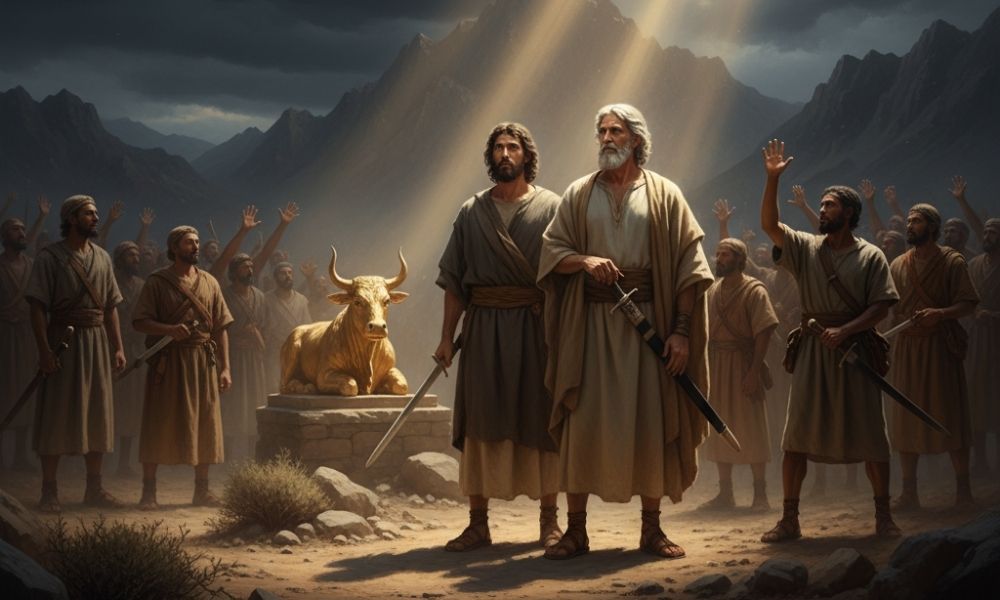
Levi was the third son of Jacob and Leah and the ancestor of Israel’s priestly tribe. His life began with zeal and violence, but his descendants were later set apart for holiness and service. Through divine transformation, Levi’s line turned from wrath to worship, showing how God redeems passion for His purposes.
Name: Levi (Hebrew: Lewi, meaning “Attached” or “Joined”)
Tribe/Nation: Israel (Tribe of Levi)
Era: Patriarchal Period (~19th century BCE)
Father: Jacob (Israel)
Mother: Leah
Brothers: Reuben, Simeon, Judah, and others
Home: Canaan → Egypt
Book: Genesis (Chapters 29–49; Exodus–Deuteronomy for his tribe)
Key Virtues: Zeal, dedication, loyalty
Key Flaws: Violence, impulsiveness
Legacy: Founder of the Levitical priesthood
Symbol: Breastplate or censer — representing priesthood and worship
Name Meaning
Levi means “attached” or “joined,” from Leah’s words: “Now this time my husband will be joined to me” (Genesis 29:34). Prophetically, the name came to signify spiritual attachment — the Levites’ later devotion to God’s service.
Lineage / Family Background
Levi was born to Jacob and Leah in Haran, during Jacob’s years of service to Laban. His descendants became the tribe of Levi, responsible for priestly duties, teaching the Law, and caring for the tabernacle.
- Father: Jacob
- Mother: Leah
- Brothers: Reuben, Simeon, Judah, and others
- Tribal Role: Priestly and spiritual leadership in Israel
Major Roles / Identity
- Third son of Jacob and Leah
- Co-leader (with Simeon) in avenging Dinah
- Ancestor of Moses, Aaron, and Miriam
- Father of the priestly and Levitical orders
Key Character Traits
- Passionate: Acted swiftly, sometimes rashly.
- Zealous: Deeply devoted — first to family honor, later to God’s holiness.
- Transformed: From violent avenger to model of sacred service.
- Loyal: Stood with God when others turned away.
Main Life Events
- Birth: Leah named him Levi, expressing hope for Jacob’s affection (Genesis 29:34).
- Vengeance at Shechem: With Simeon, Levi slaughtered the men of Shechem to avenge Dinah (Genesis 34:25–26).
- Jacob’s Rebuke: Jacob condemned their violence: “Cursed be their anger, for it is fierce” (Genesis 49:5–7), prophesying their dispersion in Israel.
- Tribal Redemption: Generations later, the tribe of Levi redeemed this curse by standing with Moses against idolatry at Mount Sinai (Exodus 32:26–29).
- Priestly Calling: God chose Levi’s descendants to serve in the tabernacle, teach the Law, and bless the nation (Deuteronomy 33:8–10).
Major Relationships
- Jacob: His father, who both blessed and rebuked him.
- Simeon: His partner in the vengeance at Shechem.
- Moses and Aaron: His descendants, leaders of Israel’s spiritual life.
- God: Ultimately claimed Levi’s tribe for His service and inheritance.
Notable Passages
- Genesis 29:34: “Now this time my husband will be attached to me, because I have borne him three sons.”
- Genesis 49:5–7: “Simeon and Levi are brothers… I will scatter them in Israel.”
- Exodus 32:26: “Moses stood in the gate of the camp and said, ‘Who is on the LORD’s side?’ And all the sons of Levi gathered to him.”
- Deuteronomy 33:8–10: “They shall teach Jacob your rules and Israel your law; they shall put incense before you.”
Legacy & Impact
Levi’s legacy transformed from violence to holiness. Though Jacob’s prophecy spoke of scattering, God turned it into a blessing — Levi’s descendants were scattered throughout Israel as priests and teachers.
- Tribe of Levi became Israel’s priestly class
- No land inheritance; God Himself was their portion
- Produced spiritual leaders like Moses, Aaron, and Ezra
- Embodies God’s power to redeem zeal for righteousness
Symbolism / Typology
- From Sword to Censer: Levi’s transformation from warrior to worshiper shows redemption through obedience.
- Scattered as a Blessing: Their dispersion became God’s design for national instruction and worship.
- Levi’s Zeal: Prefigures Christ’s righteous zeal for God’s house (John 2:17).







Leave a Reply