
Biblical Words
Understand the meaning of important biblical words, phrases, and theological terms found in Scripture. Learn how these words deepen your understanding of God's message and His plan for humanity.
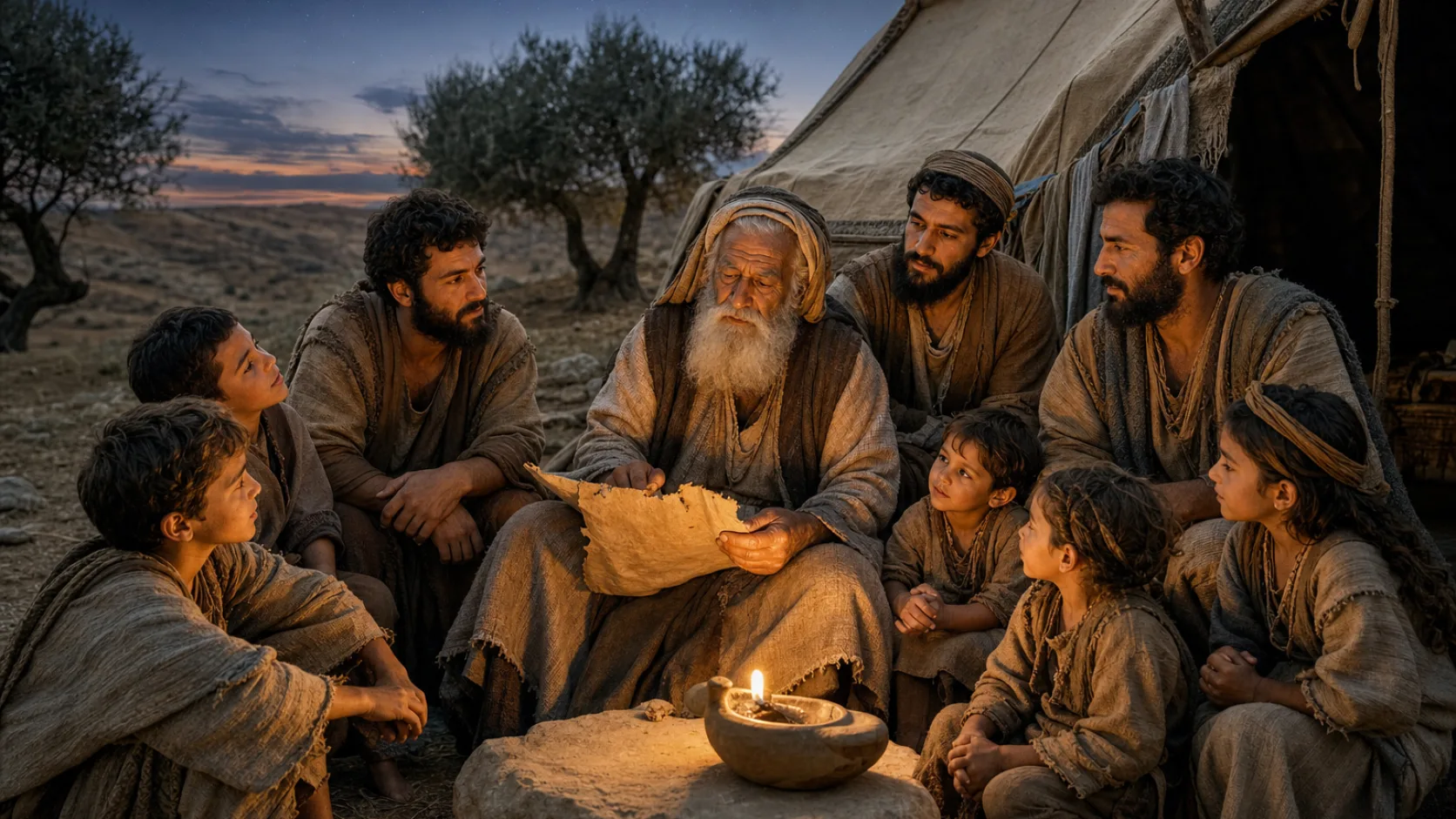
The Generations and Structural Framework of Genesis
All Biblical Words
154 articles found
Charis
Charis is the primary Greek word translated as grace in the New Testament. It signifies God's unmerited favour, sovereign generosity, and transforming...
Cherem
Cherem is a Hebrew theological term referring to something irrevocably devoted to God, frequently translated as 'the ban' or 'devoted to destruction'....
Children of God
The phrase children of God describes the unique spiritual status, privilege, and identity granted to believers through faith in Jesus Christ, marking...
Christ
The title Christ derives from the Greek Christos, translating the Hebrew Mashiach, meaning Anointed One. Originally designating kings, priests, and pr...
Christos
Christos is the Greek biblical term meaning 'Anointed One,' translating the Hebrew word Mashiach (Messiah). Occurring frequently across the New Testam...
Cleansing
Cleansing in the Bible encompasses both ceremonial purification and spiritual renewal. From Levitical washing rituals to spiritual redemption through...
Co-Heirs with Christ
Co-heirs with Christ refers to the profound New Testament doctrine that believers, through adoption into God's family, share fully in the spiritual in...
Common Grace
Common grace refers to the universal benevolence and unmerited favour of God extended to all human beings regardless of their spiritual standing. Dist...
Consecration
Consecration in Scripture refers to the act of formally setting apart persons, places, or objects for exclusive service to God. It highlights divine h...
Credo
A credo, derived from the Latin word meaning 'I believe', is a formal statement of religious belief. Grounded in biblical confessions like the Shema a...
Day of Atonement
The Day of Atonement, known in Hebrew as Yom Kippur, was Israel's most sacred annual holy day. Instituted in Leviticus 16, it provided complete nation...
Declared Righteous
To be declared righteous, or justified, is a fundamental biblical concept wherein God legally acquits sinners and accounts them as righteous through f...
Deus
Deus is the Latin word for God, used extensively throughout Jerome's Latin Vulgate to translate the Hebrew Elohim and Greek Theos. It became the found...
Diakonia
Diakonia is the Greek New Testament word for service, ministry, and practical care. Appearing extensively throughout the Gospels, Acts, and Epistles,...
Dominus
Dominus is the Latin term for Lord or Master. Used throughout the Latin Vulgate to render the Hebrew Adonai and YHWH as well as the Greek Kyrios, it a...
Doulos
Doulos is the Greek term commonly translated as servant, bondservant, or slave in the New Testament. It describes absolute devotion, ownership, and vo...
Ekklesia
Ekklesia is the Greek word translated as 'church' or 'assembly' in the New Testament. Originally denoting a gathered civic assembly in ancient Greece,...
El Elyon
El Elyon, translated as 'God Most High', is a profound divine title in the Hebrew Bible that highlights God's absolute sovereignty, supreme majesty, a...
El Olam
El Olam, meaning 'The Everlasting God' or 'The God of Eternity', is a Hebrew title first revealed when Abraham planted a tamarisk tree at Beersheba. I...
El Roi
El Roi is a divine name in the Old Testament, meaning 'The God Who Sees' or 'God of Vision'. Spoken by Hagar in Genesis 16:13, this title highlights Y...
El Shaddai
El Shaddai is a major Hebrew divine title translated as God Almighty. Appearing forty-eight times in the Old Testament, particularly in Genesis and Jo...
Eli, Eli, Lama Sabachthani
"Eli, Eli, lama sabachthani" is Jesus Christ's fourth utterance from the cross, recorded in Matthew 27:46 and Mark 15:34. Quotation of Psalm 22:1 expr...
Elohim
Elohim is one of the primary Hebrew names for God in the Old Testament, used over 2,500 times. Meaning God or mighty ones, it highlights divine majest...
Ephphatha
Ephphatha is an Aramaic imperative word meaning 'Be opened', spoken by Jesus when healing a deaf man with a speech impediment in Mark 7:31–37. This di...