
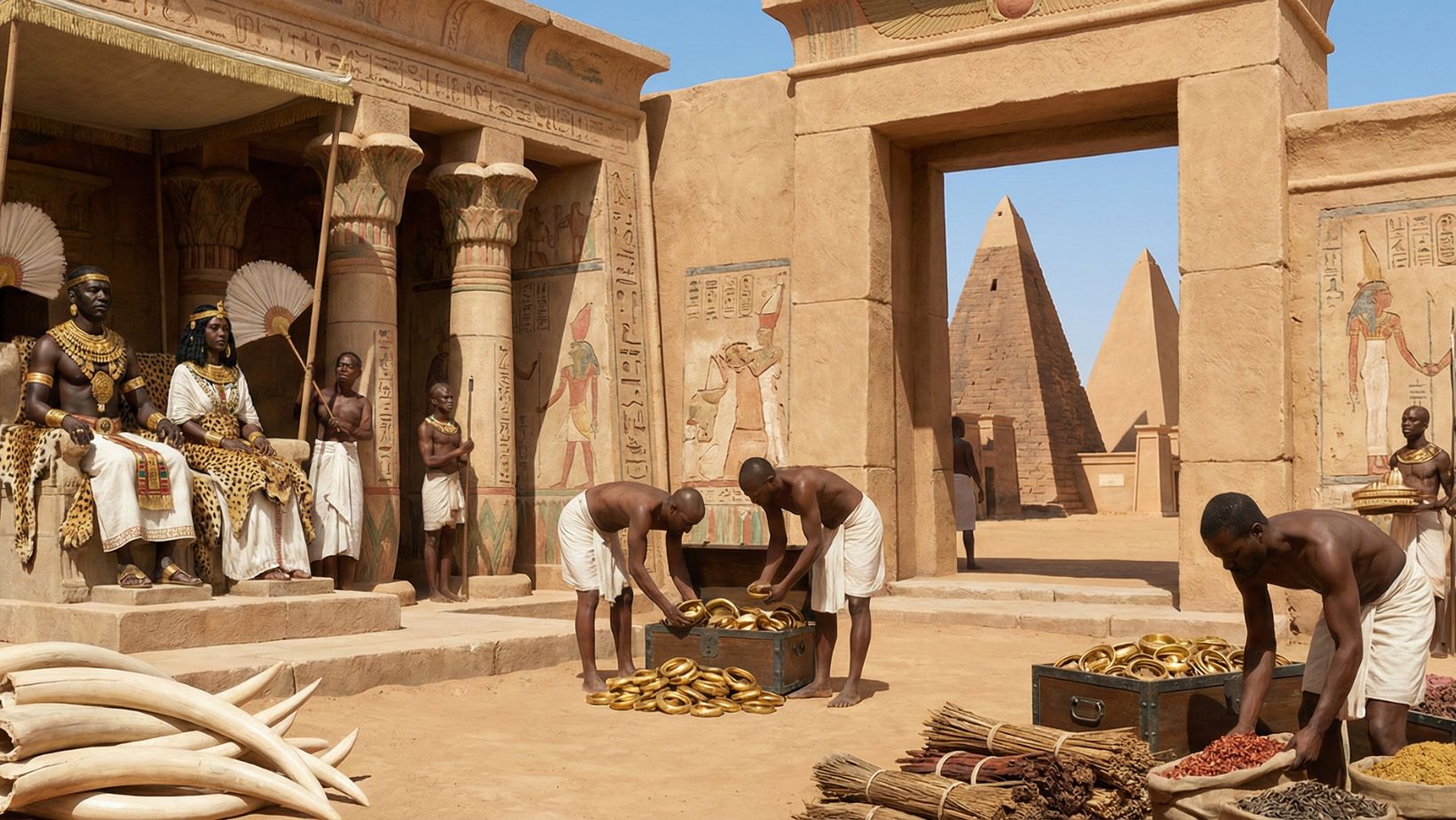
Cush (often translated as Ethiopia in the KJV and other versions) represents an ancient, powerful African kingdom located south of Egypt, primarily in modern-day Sudan (Nubia) and extending into Ethiopia. In the biblical narrative, Cush is portrayed not merely as a distant foreign land, but as a region of military might, immense wealth, and significant theological importance. From the warrior lineage of Nimrod to the faithful service of Ebed-Melech and the conversion of the Ethiopian Eunuch, Cush serves as a powerful testimony to the global reach of God’s plan, often depicted as a nation that will ultimately hasten to worship the God of Israel.
Quick Facts
- Name: Cush (Hebrew: Kush; Greek: Aithiopia)
- Location: Upper Nile region (South of Egypt), primarily modern Sudan (Nubia)
- Biblical Origin: Named after Cush, son of Ham, son of Noah (Genesis 10:6)
- Key Rulers: Tirhakah (Taharqa), Zerah, Queen Candace (Kandake)
- Resources: Gold, topaz, precious stones, merchandise
- Military Specialty: Skilled archers and charioteers
- Key Individuals: Nimrod (founder of cities), The Cushite wife of Moses, Ebed-Melech, The Ethiopian Eunuch
- Prophetic Role: Frequently cited as a nation that will bring tribute to Yahweh (Isaiah 18, Psalm 68)
Name Meaning
Cush: The Hebrew word Kush is historically derived from the Egyptian Kash or Kush, referring to the Kingdom of Kerma and later the Kushite Empire in Nubia. Ethiopia: The Greek translation Aithiopia means “Land of the Burnt Faces,” referring to the dark complexion of the inhabitants. This term was used broadly by Greco-Roman writers for Africa south of Egypt.
Lineage / Origins
Ancestry: Cush was the eldest son of Ham (Genesis 10:6). His brothers were Mizraim (Egypt), Put (Libya), and Canaan.
Descendants: Cush is the father of Nimrod, the mighty hunter and empire builder who founded Babylon and Nineveh (Genesis 10:8-12), establishing a link between African Cush and Mesopotamian civilization.
Biblical Era / Context
Time: Appears from the Table of Nations (Genesis 10) through to the early church era (Acts 8).
Geopolitical Power: Cush was often an equal or superior rival to Egypt. During the 8th and 7th centuries BCE (specifically Egypt’s 25th Dynasty), Cushite kings ruled over Egypt, making them a major player in the politics of the Near East during the time of Isaiah and Hezekiah.
Cultural Context: Known to the Israelites as a land of tall, smooth-skinned people who were “feared far and wide” (Isaiah 18:2, 7).
Major Roles / Identity
The Wealthy Neighbor: Often associated with the trade of exotic goods, gold, and precious stones (Job 28:19).
The Formidable Warrior: Cushite armies were vast and technologically advanced, particularly famous for their handling of the shield and bow (Jeremiah 46:9).
The Faithful Gentile: In specific individual narratives (Ebed-Melech, the Eunuch), Cushites often display a responsiveness to God that contrasts with Israel’s stubbornness.
Key Character Traits (National & Individual)
Distinctive Appearance: Scripture notes their skin color as an unchangeable identity marker: “Can an Ethiopian change his skin or a leopard its spots?” (Jeremiah 13:23).
Military Might: Described as “mighty men” and a “great host” (2 Chronicles 14:9).
Reverence: Prophetic passages frequently depict Cush as a reverent nation bringing gifts to Zion (Zephaniah 3:10).
Main Historical Events in Scripture
Moses’ Marriage: Miriam and Aaron criticize Moses for marrying a “Cushite woman” (Numbers 12:1). God defends Moses and strikes Miriam with leprosy, rebuking their prejudice.
Invasion of Zerah: Zerah the Ethiopian marches against King Asa of Judah with an army of “a thousand thousands” (one million men) and 300 chariots. Asa relies on God, and the Cushites are defeated (2 Chronicles 14:9–13).
Alliance under Tirhakah: Tirhakah (historical Pharaoh Taharqa) marches out to fight Sennacherib of Assyria, effectively distracting the Assyrians and aiding King Hezekiah during the siege of Jerusalem (2 Kings 19:9; Isaiah 37:9).
Rescue of Jeremiah: Ebed-Melech, a Cushite official in Zedekiah’s court, bravely intervenes to save the prophet Jeremiah from a cistern when no Judean would help him (Jeremiah 38:7–13).
The First Gentile Convert: An Ethiopian official (treasurer to Queen Candace) is reading Isaiah while traveling. Philip evangelizes him, and he is baptized, marking the Gospel’s entry into Africa (Acts 8:26–39).
Major Relationships
Egypt: A sibling relationship (via Ham). They were often allies against Assyria or Babylon, though sometimes enemies. They are frequently judged together in prophecy (Isaiah 20).
Israel: A relationship oscillating between war (Zerah) and alliance (Tirhakah).
God: A unique relationship where God promises that Cush will be among the nations to acknowledge His sovereignty.
Notable Passages
Psalm 68:31: “Princes shall come out of Egypt; Ethiopia shall soon stretch out her hands unto God.” (A foundational verse for African Christianity).
Numbers 12:1: The controversy over Moses’ Cushite wife, highlighting God’s disapproval of ethnic exclusion.
Amos 9:7: “Are not you Israelites the same to me as the Cushites?” declares the LORD. (A radical statement leveling the playing field between the chosen people and the Cushites).
Acts 8:36–37: The confession of the Ethiopian Eunuch: “Look, here is water. What can stand in the way of my being baptized?”
Legacy & Impact
Early Christianity: The Ethiopian Eunuch’s conversion suggests that Christianity reached the upper Nile region very early, possibly before it reached Europe.
Symbol of Inclusivity: The story of the Cushite wife and the Amos 9:7 passage serve as powerful biblical arguments against racism and ethnocentrism.
Eschatology: Cush represents the distant nations that will eventually flow to the mountain of the Lord in the end times.
Symbolism / Typology
Ebed-Melech: Typifies the righteous Gentile who recognizes the truth of God’s prophets when God’s own people have rejected them.
The “Ends of the Earth”: In the ancient mindset, Cush represented the southern extremity of the known world; its inclusion in salvation history symbolizes the Gospel reaching the farthest corners of humanity.
Extra-Biblical References
The 25th Dynasty: Historical records confirm the “Black Pharaohs” of the Nubian dynasty who ruled Egypt and united the Nile valley, validating the biblical reference to Tirhakah (Taharqa).
Kandake (Candace): Secular history confirms that “Candace” was not a personal name but a title for the Queen Mother of the Kingdom of Kush (Meroë), who often held ruling power.







Leave a Reply