
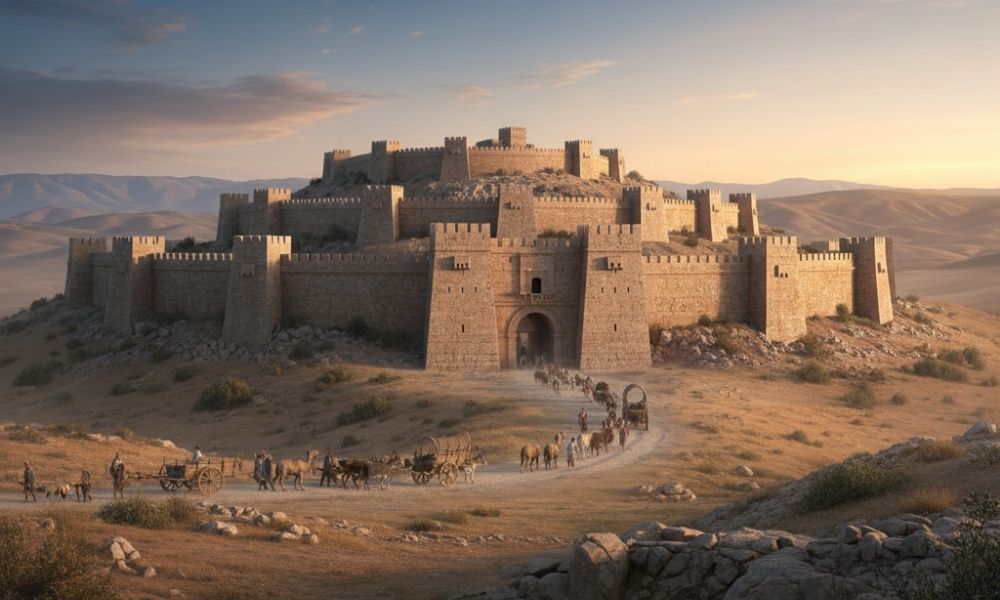
Hazor was one of the most powerful Canaanite cities in the ancient Near East — a strategic stronghold mentioned often in the Bible. Known as the “head of all those kingdoms,” it dominated trade routes in northern Israel and played a major role in Israel’s early history.
Quick Facts
Name: Hazor (Hebrew: Chatsor, meaning “enclosure” or “fortress”)
Region: Northern Canaan / Upper Galilee
Era: Bronze Age to Iron Age
Known For: Largest Canaanite city; key military and trade center
Biblical References: Joshua 11; Judges 4–5; 1 Kings 9:15
Rulers Mentioned: Jabin (title of Hazor’s kings)
Archaeology: Massive ruins, palace remains, fortifications, destruction layers
Location & Historical Background
Hazor sat along key trade routes linking Egypt, Mesopotamia, and the Levant. Its size and wealth made it the cultural and economic capital of northern Canaan during the Late Bronze Age.
Biblical Significance
Hazor appears in several major biblical narratives. Joshua captured and burned it during the Israelite conquest. Later, during the time of the Judges, King Jabin of Hazor oppressed Israel until Deborah and Barak defeated his general Sisera. Solomon later rebuilt the city as part of his defensive network.
Political & Cultural Role
As a fortified city with strong walls, palaces, and temples, Hazor was a regional superpower. Its rulers controlled other nearby towns, and its influence stretched across northern Canaan. The city’s wealth came from long-distance trade and agriculture.
Archaeological Insights
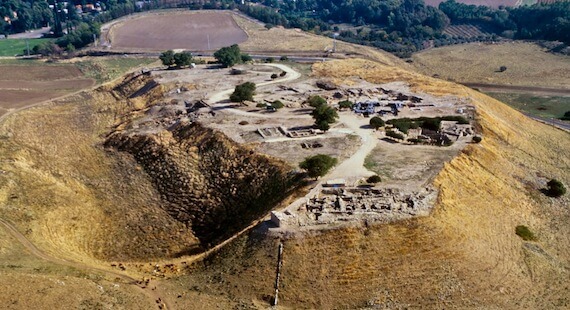
Excavations at Tel Hazor have uncovered impressive remains: a royal palace, Canaanite temples, gates from Solomon’s era, and evidence of large-scale destruction that matches the biblical accounts of conquest and later conflicts.
Legacy & Importance
Hazor stands out as a symbol of ancient power, conflict, and transformation — a city that rose to dominate the region, fell dramatically, and was rebuilt in Israel’s kingdom period. Its ruins today offer some of the richest archaeological findings in the Holy Land.







Leave a Reply