
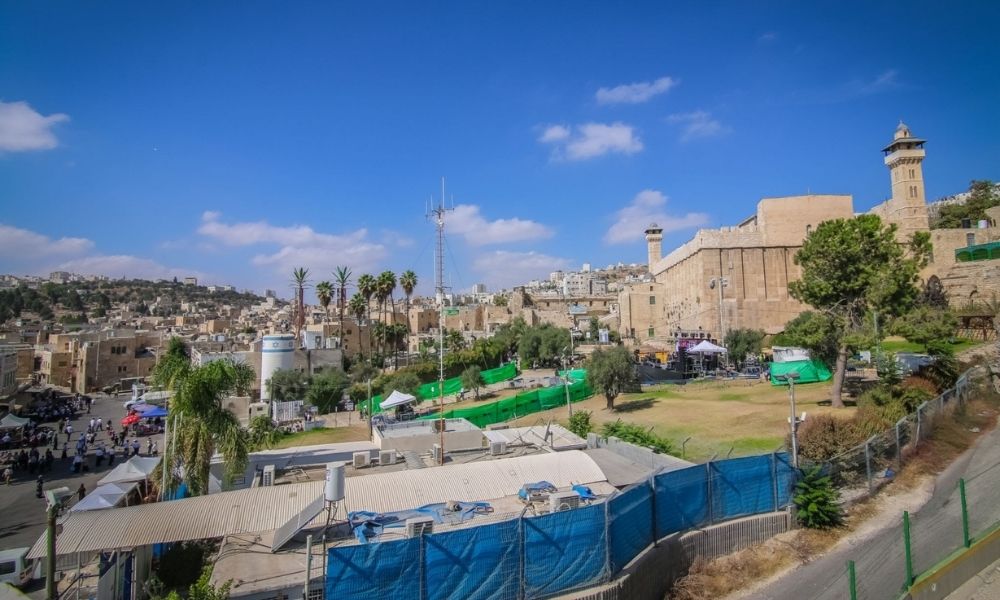
Hebron is one of the oldest continuously inhabited cities in the world and a place of great biblical significance. Located in the hill country of Judah, about 19 miles (30 km) south of Jerusalem, Hebron holds deep historical, spiritual, and prophetic importance as the burial site of the patriarchs and matriarchs of Israel. It was a key center for Abraham, David, and the tribes of Judah and Levi, playing a vital role in both Old and New Testament history.
Quick Facts
Name: Hebron (Hebrew: Ḥevron, meaning “Association” or “Alliance”)
Location: Hill country of Judah, south of Jerusalem
Region: Southern West Bank (modern-day al-Khalil, Palestine)
Tribe: Judah
Founded: Before 2000 BCE (one of the oldest cities on earth)
Ancient Name: Kiriath-Arba (“City of Arba”)
Biblical Figures Associated: Abraham, Isaac, Jacob, Sarah, Rebekah, Leah, Caleb, and King David
Key Sites: Cave of Machpelah (Tomb of the Patriarchs), Oak of Mamre
Modern Name: Al-Khalil (Arabic for “The Friend,” referring to Abraham — “Friend of God”)
Name Meaning
“Hebron” means association or alliance, likely referring to covenants and relationships — especially Abraham’s covenant with God and his fellowship with surrounding peoples. The Arabic name al-Khalil (“the Friend”) honors Abraham, known as Khalil Allah — “the Friend of God” (cf. James 2:23).
Biblical Era / Timeline
- Patriarchal Period (c. 2000 BCE): Abraham dwelt near Hebron and purchased the Cave of Machpelah as a family burial site (Genesis 13:18; 23:17–20).
- Exodus and Conquest (c. 1400 BCE): Hebron was a stronghold of the Anakim (giants), conquered by Joshua and later given to Caleb (Joshua 10:36–37; 14:13–15).
- Monarchy (c. 1000 BCE): King David ruled from Hebron for seven years before making Jerusalem his capital (2 Samuel 2:1–4).
- Post-Exilic and Second Temple Period: Hebron remained a Levitical city and a city of refuge (Joshua 21:11–13).
Major Biblical Roles and Events
- Abraham’s Home and Burial Site: Abraham settled near the oaks of Mamre at Hebron, built an altar to the Lord there, and buried Sarah in the Cave of Machpelah (Genesis 13:18; 23:19).
- Cave of Machpelah: Purchased by Abraham as a burial place for Sarah and himself — later housing the tombs of Isaac, Rebekah, Jacob, and Leah (Genesis 49:29–32).
- David’s Kingship: After Saul’s death, David was anointed king of Judah at Hebron (2 Samuel 2:4).
- Rebellion of Absalom: Absalom began his revolt against David in Hebron (2 Samuel 15:7–10).
- Caleb’s Inheritance: Hebron was given to Caleb as his reward for faithfulness in the conquest of Canaan (Joshua 14:13–14).
Key Figures Associated
- Abraham & Sarah – Lived near Hebron and were buried there.
- Isaac & Rebekah – Buried in the Cave of Machpelah.
- Jacob & Leah – Also buried there.
- Caleb – Received Hebron as his inheritance.
- King David – Anointed and ruled as king of Judah in Hebron before uniting Israel.
Symbolism / Theological Meaning
Hebron symbolizes faith, covenant, and friendship with God. It marks the place where Abraham demonstrated his faith through obedience, hospitality, and worship. The name’s meaning (“association”) reflects the union between God and His people through covenant.
Modern Relevance
Today, Hebron (al-Khalil) remains a focal point of faith and reverence for Jews, Christians, and Muslims. The Tomb of the Patriarchs — revered by all three faiths — stands as a monument to the shared spiritual heritage rooted in Abraham’s faith and God’s enduring promises.







Leave a Reply