
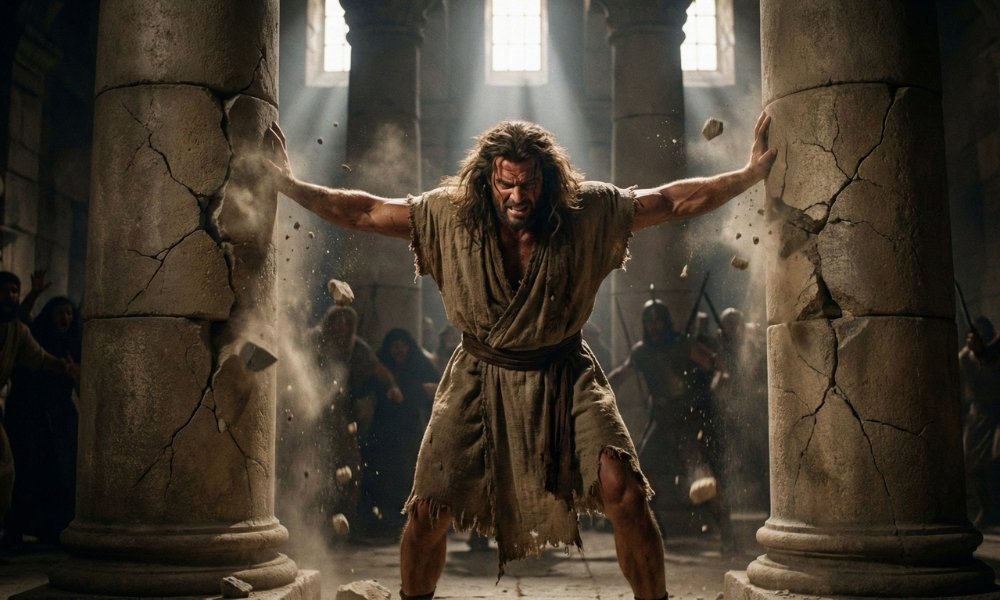
The Judges (Hebrew: Shophetim) were charismatic military leaders and tribal deliverers raised up by God during the turbulent period between the death of Joshua and the rise of the monarchy. Unlike modern judges who preside over courts, these figures were primarily warriors and local governors empowered by the Holy Spirit to liberate Israel from foreign oppression. They arose in response to Israel’s recurring “cycle of sin” (apostasy, oppression, repentance, and deliverance). Their stories, found in the Book of Judges, highlight both God’s relentless patience and the increasing moral corruption of a nation that “did what was right in their own eyes.”
Quick Facts
- Hebrew Title: Shophetim (Singular: Shophet)
- Book: Judges
- Era: Approx. 1375 BCE – 1050 BCE (The “Dark Ages” of Israel)
- Total Number: 12 (plus Abimelech, the anti-judge/usurper)
- Key Figures: Othniel, Ehud, Deborah, Gideon, Jephthah, Samson
- Primary Role: Military deliverance and regional governance
- Key Theme: “In those days there was no king in Israel. Everyone did what was right in his own eyes.” (Judges 21:25)
- Oppressors: Canaanites, Moabites, Midianites, Ammonites, Philistines
Definition & Title Meaning
Meaning: The Hebrew word Shophet implies a ruler or leader who vindicates and delivers. While they did settle disputes (like Deborah), their primary function was to “judge” (vindicate) Israel by defeating their enemies.
Lineage / Family Background
Tribal Diversity: God chose leaders from various tribes, emphasizing that deliverance came from His power, not a specific lineage.
- Othniel: Tribe of Judah (South)
- Ehud: Tribe of Benjamin (Central)
- Deborah/Barak: Tribes of Ephraim/Naphtali (North)
- Gideon: Tribe of Manasseh (Central/North)
- Samson: Tribe of Dan (Southwest)
Social Status: Many came from unexpected backgrounds—Ehud was left-handed (seen as a defect), Gideon was from the “weakest clan,” and Jephthah was the son of a prostitute.
Biblical Era / Context
The Vacuum of Leadership: After Joshua died, the tribes failed to complete the conquest of Canaan. They settled among pagan nations and began to adopt their idolatrous practices (Baal and Ashtoreth worship).
The Vicious Cycle: The era is defined by a repetitive four-stage cycle:
- Sin: Israel turns to idols.
- Servitude: God allows an enemy nation to oppress them.
- Supplication: Israel cries out to God for help.
- Salvation: God raises a Judge to deliver them.
Major Roles / Identity
The Deliverer: The primary task was to rally the tribes for war and break the yoke of foreign oppression.
The Governor: During the periods of “rest” (peace) that followed a victory, the Judge would maintain order and perhaps administer justice, though details on this are sparse for many of them.
The Charismatic Leader: Unlike kings who ruled by dynasty, Judges ruled by the “Spirit of the LORD” coming upon them (Judges 3:10, 6:34, 11:29, 14:6).
Key Character Traits
Flawed Humanity: The Judges are some of the most flawed characters in Scripture, showing that God uses imperfect vessels.
- Gideon: Started fearful, ended up creating an idol (ephod) that ensnared his family.
- Jephthah: A mighty warrior who made a rash, tragic vow regarding his daughter.
- Samson: Physically strong but morally weak, impulsive, and lustful.
Faith: Despite their deep flaws, they are commended in the New Testament (Hebrews 11) for their faith in acting on God’s promises against overwhelming odds.
Main Historical Developments (The Spiral Down)
The Model Judge (Othniel): The first judge; his story is standard and positive. He delivers Israel, and the land has rest.
The Unexpected Victor (Ehud): Assassinated the Moabite King Eglon by using deception and a hidden dagger, rallying Israel to seize the fords of the Jordan.
The Female Leader (Deborah): The only female judge, she was a prophetess who commanded the general Barak. Her victory song (Judges 5) is one of the oldest poetry passages in the Bible.
The Reluctant Warrior (Gideon): Tested God with a fleece. God whittled his army down from 32,000 to 300 men to prove the victory belonged to Yahweh, not military might.
The Tragic Hero (Jephthah): An outcast turned leader, his story is marred by a foolish vow and a brutal civil war between the tribes of Ephraim and Gilead (“Shibboleth” incident).
The Lone Avenger (Samson): A Nazirite from birth, he fought the Philistines alone (not with an army) through feats of supernatural strength, ultimately sacrificing himself to destroy their temple.
Major Relationships
God: The source of their power. The withdrawal of God’s Spirit (as with Samson) meant the loss of their ability.
The Enemy: The narratives focus heavily on the specific oppressor of the time (e.g., Gideon vs. Midianites, Samson vs. Philistines).
The Tribes: Unity was fragile. Judges often had to threaten or cajole other tribes to join the fight, and civil wars eventually broke out (Judges 12, 19-21).
Notable Passages
Judges 2:18-19: The summary of the era — “Whenever the LORD raised up judges for them, the LORD was with the judge… But whenever the judge died, they turned back and were more corrupt than their fathers.”
Judges 6:12: The angel’s greeting to Gideon — “The LORD is with you, O mighty man of valor.”
Judges 16:28: Samson’s final prayer — “O Lord God, please remember me and please strengthen me only this once.”
Judges 21:25: The concluding indictment — “In those days there was no king in Israel. Everyone did what was right in his own eyes.”
Legacy & Impact
Preservation of Israel: Without the Judges, the tribes likely would have been assimilated into the Canaanite culture or completely destroyed by neighbors.
Demonstration of Grace: The book proves that God’s grace is not based on the people’s merit (they constantly rebelled) but on His covenant faithfulness and compassion.
Preparation for Monarchy: The increasing chaos and moral depravity (culminating in the Levite’s concubine story) demonstrated the need for a righteous King to lead the people.
Symbolism / Typology
Incomplete Saviors: The Judges are “types” of Christ in their role as deliverers, but “anti-types” in their morality. They show that a human military leader cannot save the people from their true problem: sin.
Samson as a Paradox: Samson is often seen as a flawed type of Christ—his birth was announced by an angel, he was betrayed for silver, and he accomplished more in his death than in his life, destroying the enemy by laying down his life.







Leave a Reply