
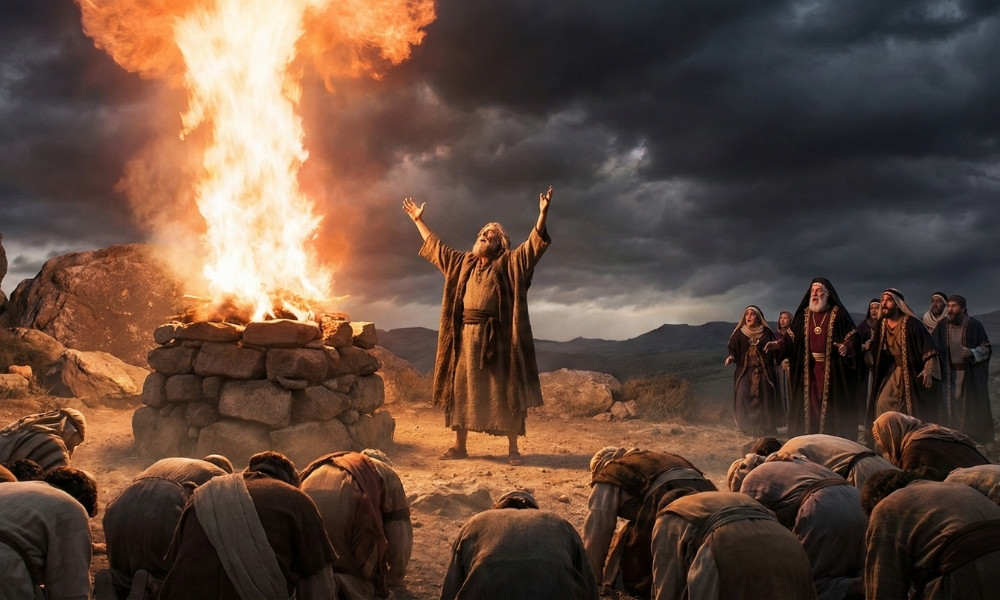
The Prophets (Hebrew: Nevi’im) were the authorized spokespeople of God, called not by birthright but by divine appointment to deliver messages to the kings and people of Israel. While often associated with predicting the future (“fore-telling”), their primary role was “forth-telling”—declaring God’s perspective on the present reality. Acting as “covenant lawyers,” they indicted the nation for breaking their covenant with Yahweh, calling for repentance, social justice, and true worship. Spanning from the rugged non-writing prophets like Elijah to the poetic literary giants like Isaiah, they stood as the moral conscience of the nation.
Quick Facts
- Hebrew Title: Nabi (Plural: Nevi’im)
- Also Known As: Seers (Roeh), Watchmen (Tzofeh), Man of God
- Selection: Divine calling (not hereditary)
- Key Era: Mid-Monarchy to Post-Exile (c. 800 BCE – 400 BCE)
- Classifications:
- Major Prophets: Isaiah, Jeremiah, Ezekiel, Daniel (longer books)
- Minor Prophets: The Twelve (Hosea through Malachi)
- Non-Writing: Elijah, Elisha, Nathan
- Standard Message: “Thus says the LORD…”
- Key Themes: Repentance, Judgment, Hope/Restoration, The Messiah
Definition & Name Meaning
Nabi: The most common Hebrew word for prophet. It likely comes from a root meaning “to bubble up” or “to pour forth,” referring to the message of God welling up inside them. It implies one who speaks on behalf of another (Exodus 7:1).
Roeh / Chozeh: Meaning “Seer.” These terms emphasize the mode of receiving the revelation (visions) rather than the delivery.
Distinction: Unlike Priests (who represented the people to God) and Kings (who ruled the people), Prophets represented God to the people. They were the check-and-balance system of the Hebrew theocracy.
Lineage / Family Background
Diverse Origins: Unlike the priesthood, the prophetic office was not hereditary. God called individuals from various walks of life:
- Isaiah & Daniel: Likely aristocracy/nobility.
- Jeremiah & Ezekiel: Born into priestly families.
- Amos: A shepherd and fig-tree farmer.
- Elisha: A wealthy plowman.
The “Sons of the Prophets”: In the time of Samuel, Elijah, and Elisha, there were guilds or schools of prophets—communities of disciples who lived and trained together, though the divine gift itself was still sovereignly bestowed.
Biblical Era / Context
Pre-Monarchy: Figures like Moses (the archetype prophet) and Deborah served as prophets, but the office became distinct during the time of Samuel.
The Monarchy (Golden Age): The rise of kings necessitated the rise of prophets to hold them accountable. Elijah and Elisha confronted the idolatry of the Northern Kingdom (Israel).
The Assyrian & Babylonian Crisis: As Israel and Judah faced destruction, the “Writing Prophets” (Isaiah, Jeremiah, Amos) emerged to interpret these geopolitical events as God’s judgment on sin.
Major Roles / Identity
Covenant Enforcers: They functioned like prosecuting attorneys, reading the “charge sheet” against Israel for violating the Mosaic Covenant (idolatry, injustice, empty ritual).
The Watchman: As described in Ezekiel 33, the prophet stood on the spiritual wall to warn the city of approaching danger (judgment). If he failed to warn them, the blood was on his hands.
Intercessor: Prophets often pleaded with God to withhold judgment. Amos and Moses are prime examples of prophets “standing in the breach” to turn away God’s wrath.
Messianic Heralds: They painted the picture of the coming Ideal King—the Suffering Servant (Isaiah 53) and the Son of Man (Daniel 7)—who would ultimately restore all things.
Key Character Traits
Courage: They frequently delivered bad news to powerful, violent kings. (e.g., Nathan confronting David; Elijah confronting Ahab).
Unpopularity: Because they challenged the status quo and exposed sin, they were often persecuted, imprisoned (Jeremiah), or killed.
Compulsion: Many tried to resist the call but couldn’t. Jeremiah described God’s word as a “fire in his bones” that he could not hold in (Jeremiah 20:9).
Solitude: The prophetic burden often isolated them from normal social life. Jeremiah was forbidden to marry; Ezekiel was forbidden to mourn his wife openly.
Main Historical Developments
Samuel’s Circuit: Samuel bridges the gap between Judges and Kings, establishing the prophetic office as a national institution.
The Showdown on Carmel: Elijah challenges the 450 prophets of Baal, proving Yahweh is the true God through fire from heaven. This marked the war against state-sponsored idolatry.
The Shift to Writing: In the 8th Century BCE, prophets began recording their oracles (Amos, Hosea, Isaiah). This preserved their message for future generations, emphasizing that the Word of God stands forever.
The Silence: After Malachi (c. 400 BCE), the “spirit of prophecy” was believed to have ceased in Israel, creating a 400-year silence that was broken by John the Baptist.
Major Relationships
The King: The Prophet-King relationship was central. They were often adversaries (Ahab vs. Elijah) but sometimes partners (Hezekiah and Isaiah; David and Nathan).
The False Prophets: True prophets constantly battled “professional” prophets who told the kings what they wanted to hear (“Peace, peace,” when there was no peace).
God: The prophet lived in the “Divine Council.” Their relationship with Yahweh was intimate, often sharing God’s own grief and pathos over His wayward people.
Notable Passages
Deuteronomy 18:18: The foundational promise — “I will raise up for them a prophet like you [Moses]… and I will put my words in his mouth.”
Isaiah 6: The Call — “Woe is me! For I am lost… for my eyes have seen the King, the LORD of hosts.”
Micah 6:8: The summary of prophetic ethics — “He has told you, O man, what is good… to do justice, and to love kindness, and to walk humbly with your God.”
Joel 2:28: The future hope — “I will pour out my Spirit on all flesh; your sons and your daughters shall prophesy.”
Symbolism / Typology (Sign Acts)
Prophets often enacted their message through performance art (“Sign Acts”):
- Hosea: Married a prostitute to demonstrate God’s love for unfaithful Israel.
- Isaiah: Walked naked and barefoot for three years to warn of upcoming captivity.
- Jeremiah: Wore a yoke on his neck to tell the nations to submit to Babylon.
- Ezekiel: Built a model of Jerusalem and lay on his side for 430 days to simulate the siege and exile.
Legacy & Impact
Ethical Monotheism: The prophets insisted that God wants right behavior (justice/mercy), not just right ritual. This revolutionized religion.
The Hope of the Nations: They expanded the view of Yahweh from a tribal deity to the God of all history, predicting that Gentiles would eventually seek the God of Jacob.
New Testament Foundation: The Gospels present Jesus as the ultimate Prophet. The church is built on “the foundation of the apostles and prophets” (Ephesians 2:20).







Leave a Reply