


Bible Books
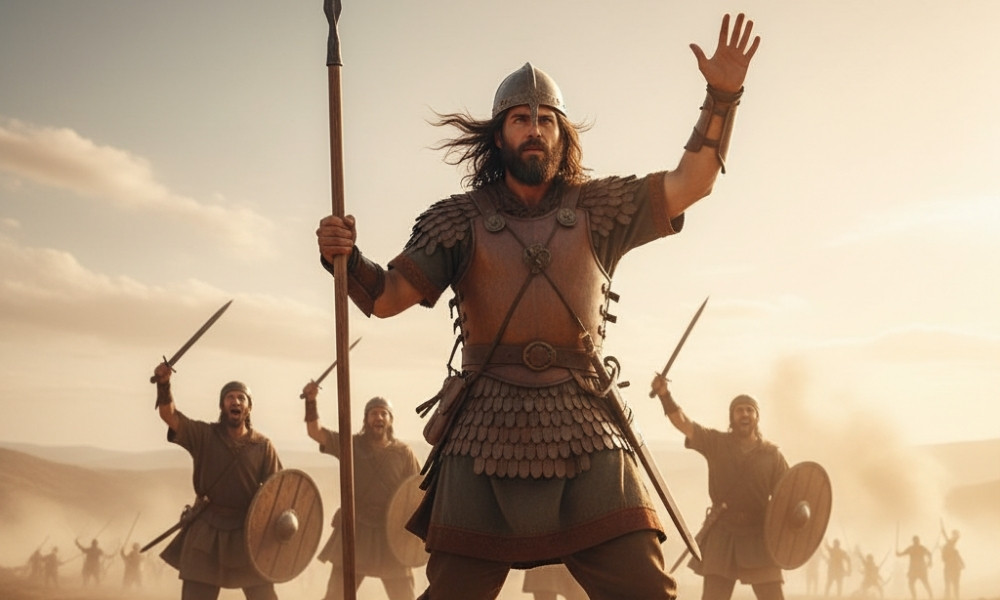
Books of the Bible are the inspired writings that reveal God’s nature, His plan for humanity, and the story of redemption from Genesis to Revelation.
-
The Book of Luke
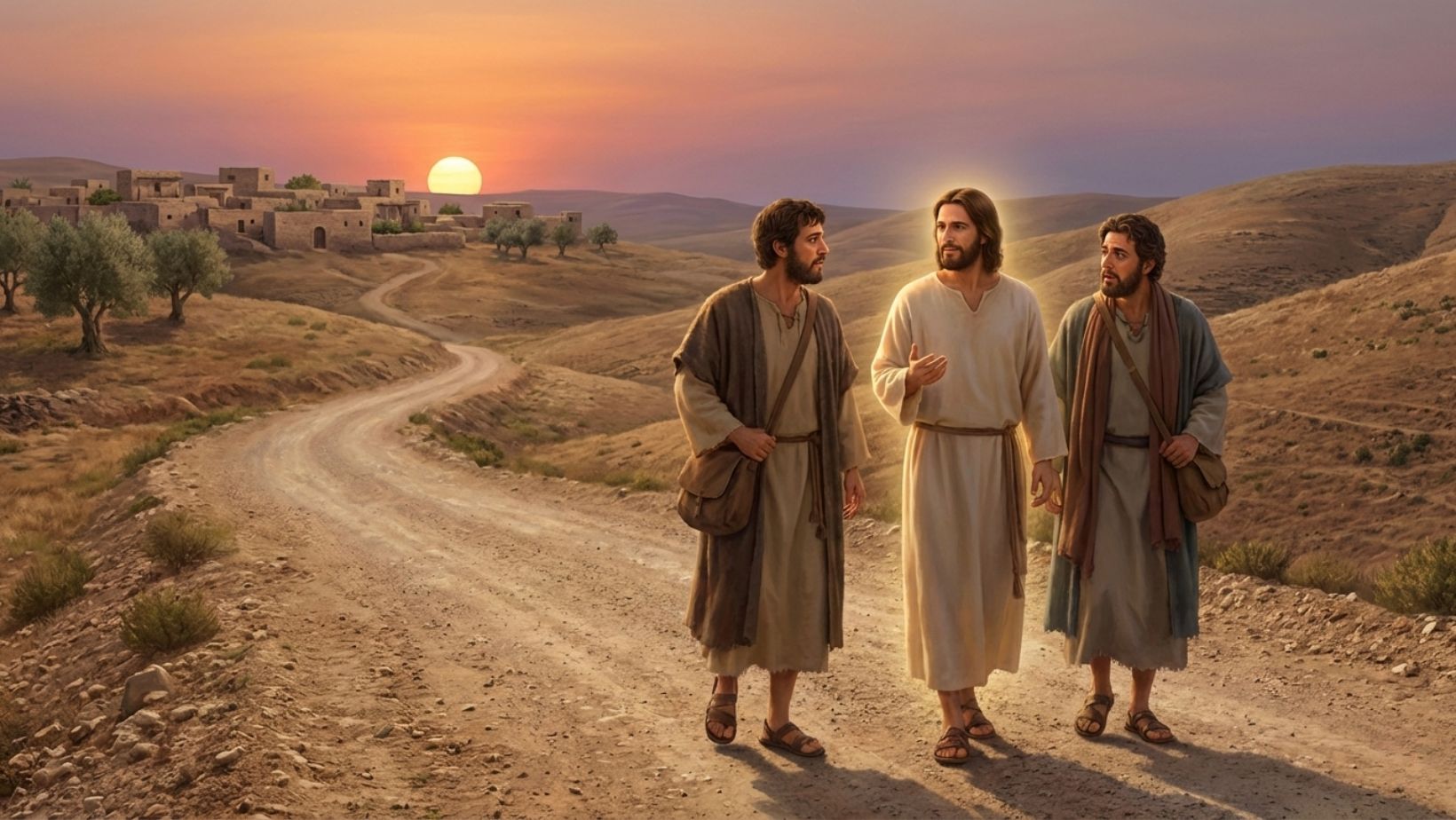
The Gospel of Luke is a meticulously researched historical narrative that presents Jesus as the compassionate Son of Man who brings salvation to the whole world—especially the poor, the outcast, and the lost.
-

The Book of Revelation
Revelation is the breathtaking unveiling of Jesus Christ as the victorious King who judges evil, vindicates His suffering people, and restores the universe to a glorious, eternal paradise.
-

The Book of Jude
The Epistle of Jude is a fiery apostolic warning against false teachers who infiltrate the church, urging believers to fight for the original faith while resting in the assurance that God is able to keep them from falling.
-

The Book of 3 John
3 John is a personal letter commending Gaius for his hospitality to missionaries while condemning the prideful Diotrephes, teaching that supporting God’s servants makes one a coworker in the truth.
-
The Book of 2 John
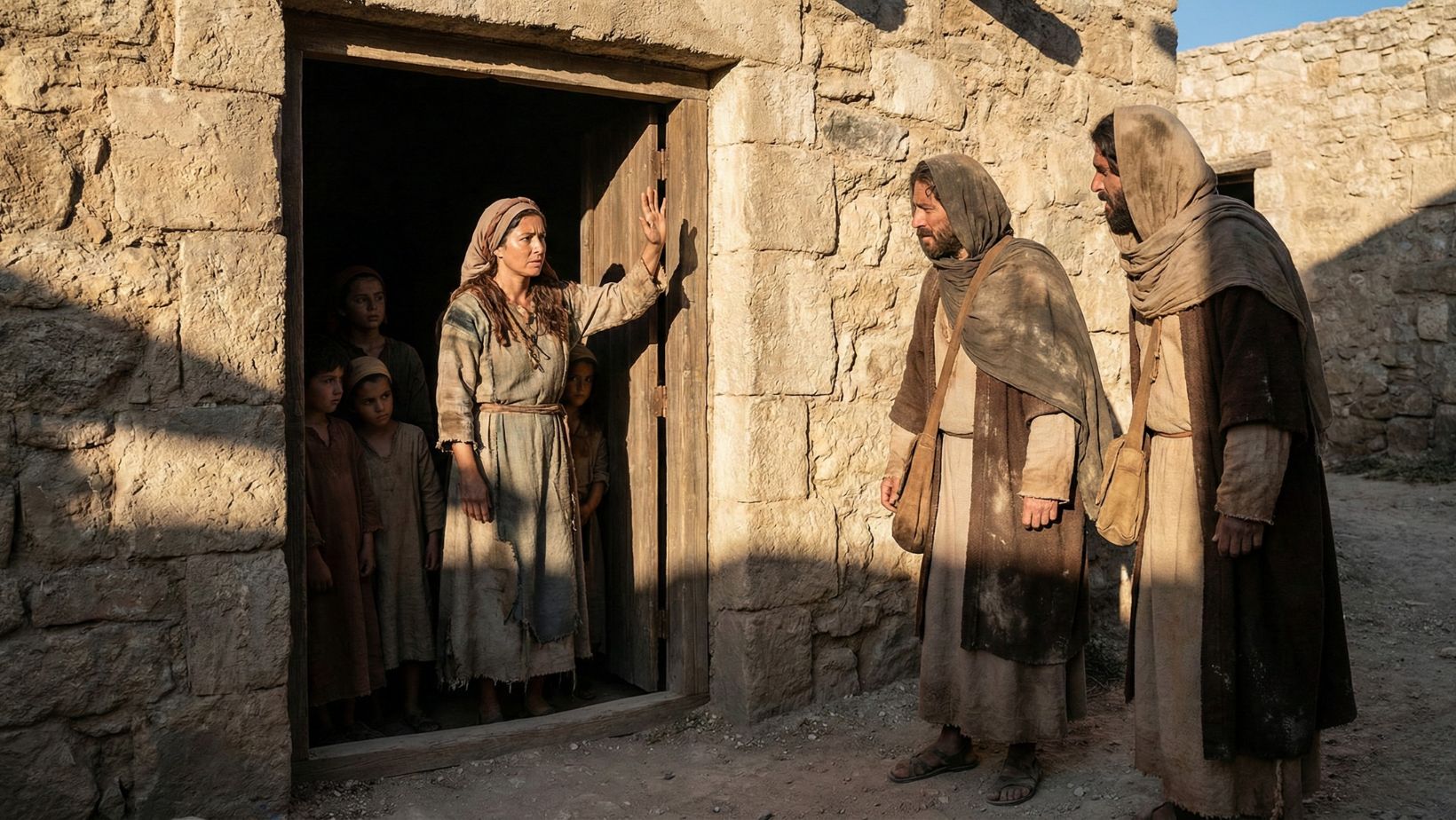
2 John is a brief but stern warning to a local church, instructing them that true love requires protecting the truth, and therefore they must refuse hospitality to false teachers who deny the incarnation of Christ.
-
The Book of 1 John
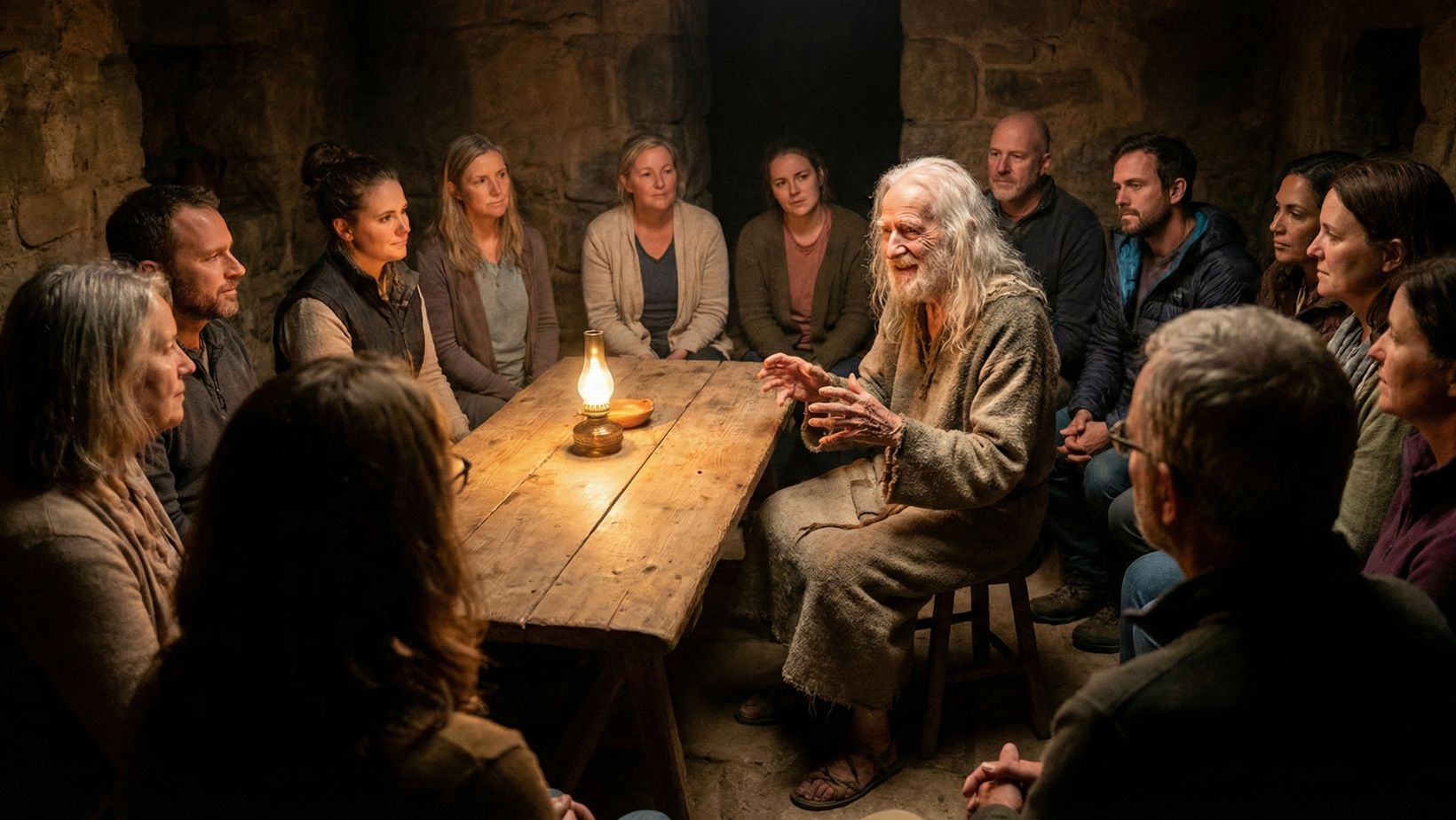
1 John is a pastoral letter of reassurance written to combat false teaching, offering three tests—obedience, love, and truth—by which believers can know they have eternal life and fellowship with God.
-

The Book of 2 Peter
2 Peter is an urgent farewell letter warning believers against predatory false teachers and scoffers, while affirming the reliability of Scripture and the certainty of Christ’s return to judge the world and establish a new creation.
-
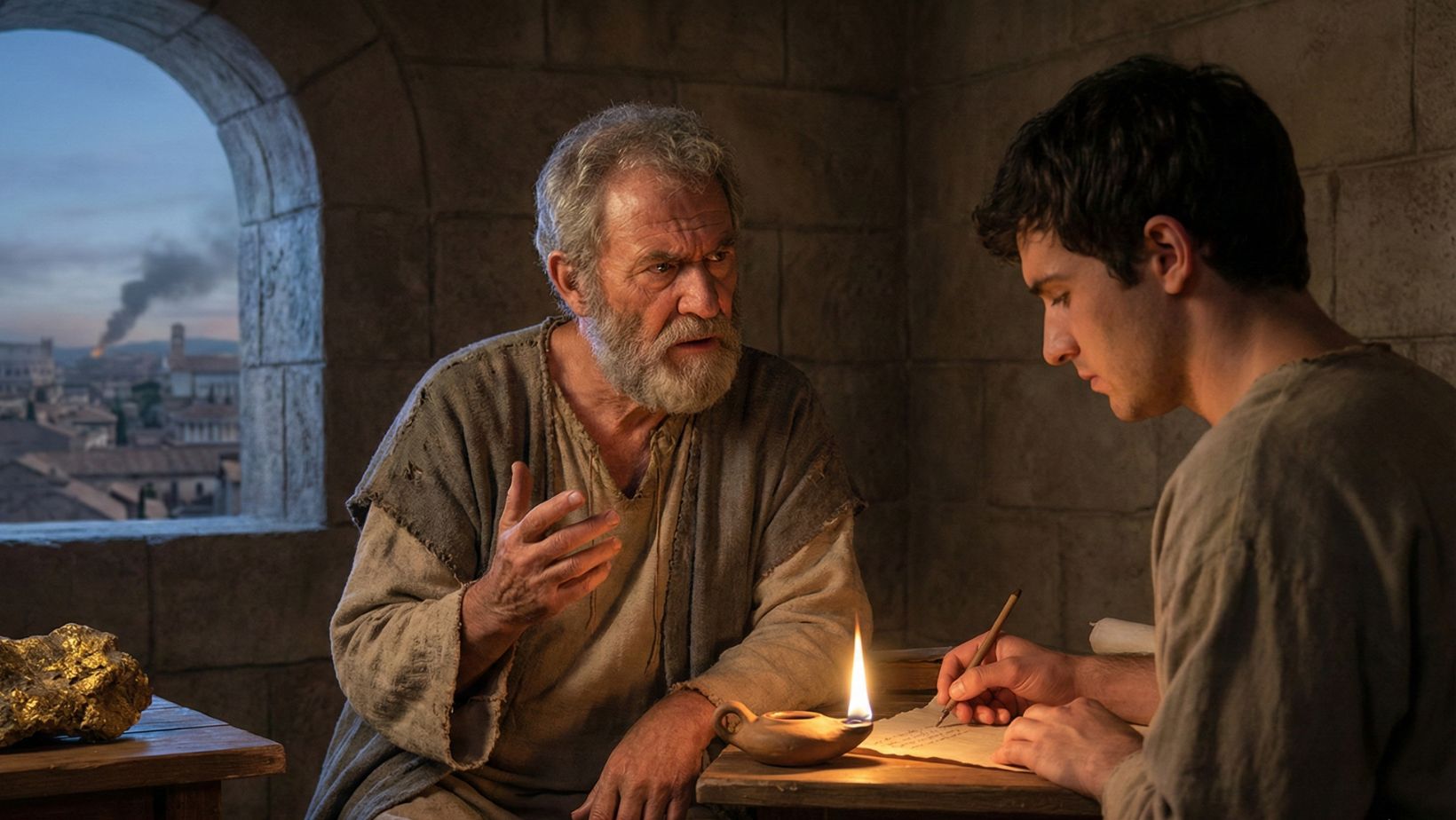
The Book of 1 Peter
1 Peter is a letter of hope and instruction for persecuted Christians, reminding them that their identity is found in heaven, not on earth, and that their present suffering is a refining fire that proves the genuineness of their faith.
-
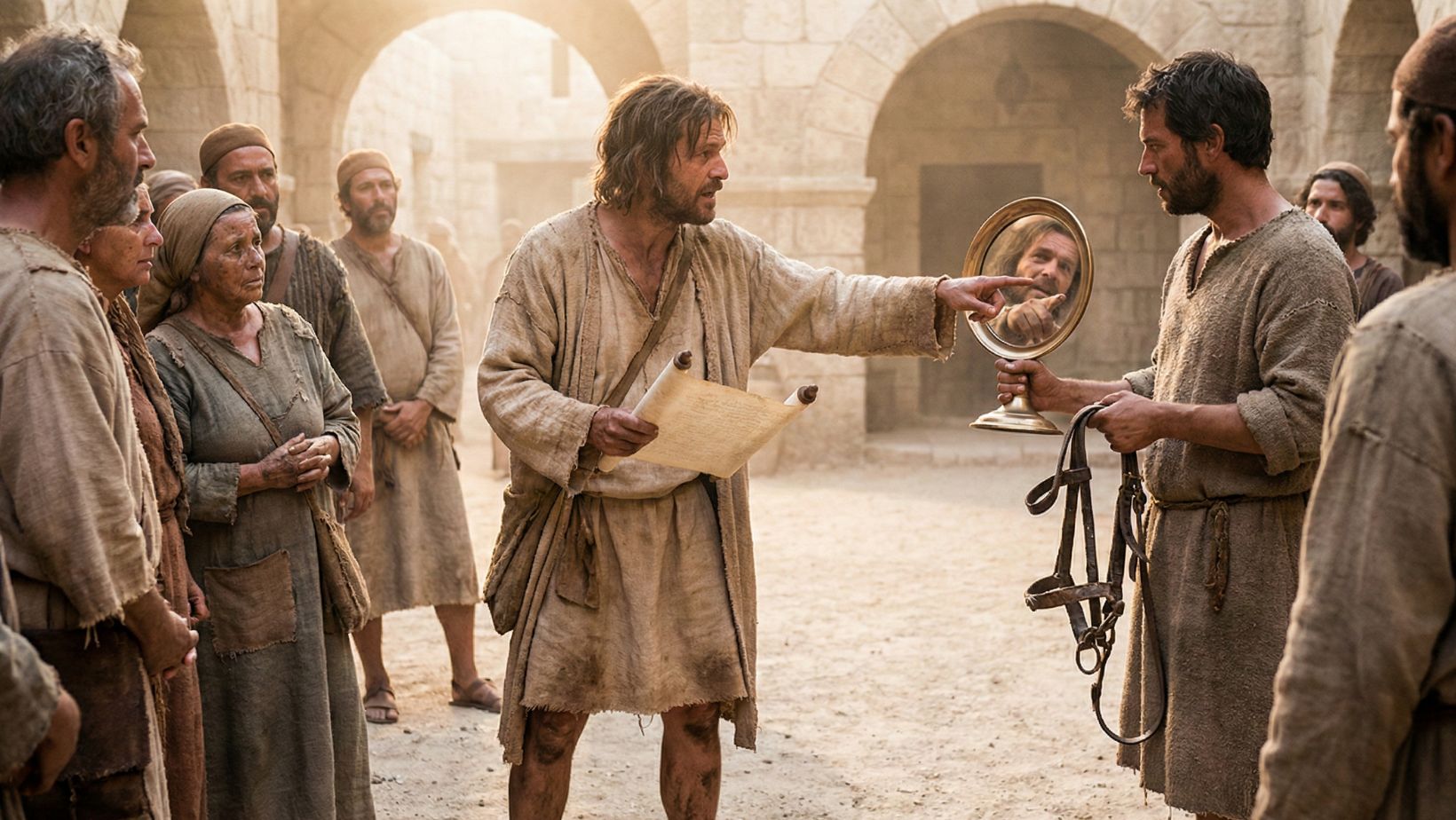
The Book of James
The Book of James is a practical, hard-hitting manual on spiritual maturity, arguing that genuine faith is demonstrated through controlling one’s tongue, caring for the poor, and remaining steadfast in trials.
-

The Book of Hebrews
Hebrews is a masterful sermon that urges Jewish Christians not to return to the shadows of the Old Covenant but to persevere in faith, demonstrating that Jesus is the superior High Priest and the final revelation of God.
Bible Characters

-
Jonathan
Jonathan was the valiant crown prince of Israel who chose loyalty to God’s anointed over his own ambition, becoming the Bible’s ultimate example of sacrificial friendship.
-
Michal
Michal was the daughter of King Saul who saved David’s life out of love but ultimately ended her life in barren isolation because she valued royal dignity over humble worship.
-
Abner
Abner was the powerful commander of Saul’s army who, after a long rivalry with David, sought to unite all Israel under David’s crown before being tragically assassinated by Joab.
Biblical Events

-
Jonathan
Jonathan was the valiant crown prince of Israel who chose loyalty to God’s anointed over his own ambition, becoming the Bible’s ultimate example of sacrificial friendship.
-
Michal
Michal was the daughter of King Saul who saved David’s life out of love but ultimately ended her life in barren isolation because she valued royal dignity over humble worship.
-
Abner
Abner was the powerful commander of Saul’s army who, after a long rivalry with David, sought to unite all Israel under David’s crown before being tragically assassinated by Joab.
Bible Locations

-
The City of David
The City of David is the ancient, fortified ridge where King David established his capital, serving as the historical seed from which Jerusalem grew and the spiritual center of the Israelite kingdom.
-
Mahanaim
Mahanaim, meaning “Two Camps,” was the historic fortress city east of the Jordan where Jacob met angels and where kings Ishbosheth and David found refuge during Israel’s greatest civil wars.
-
Jabesh-gilead
Jabesh-gilead was a city defined by a legacy of survival and fierce loyalty, best known for the valiant night raid to retrieve the bodies of King Saul and his sons from Philistine desecration.
