


Bible Books
Books of the Bible are the inspired writings that reveal God’s nature, His plan for humanity, and the story of redemption from Genesis to Revelation.
-
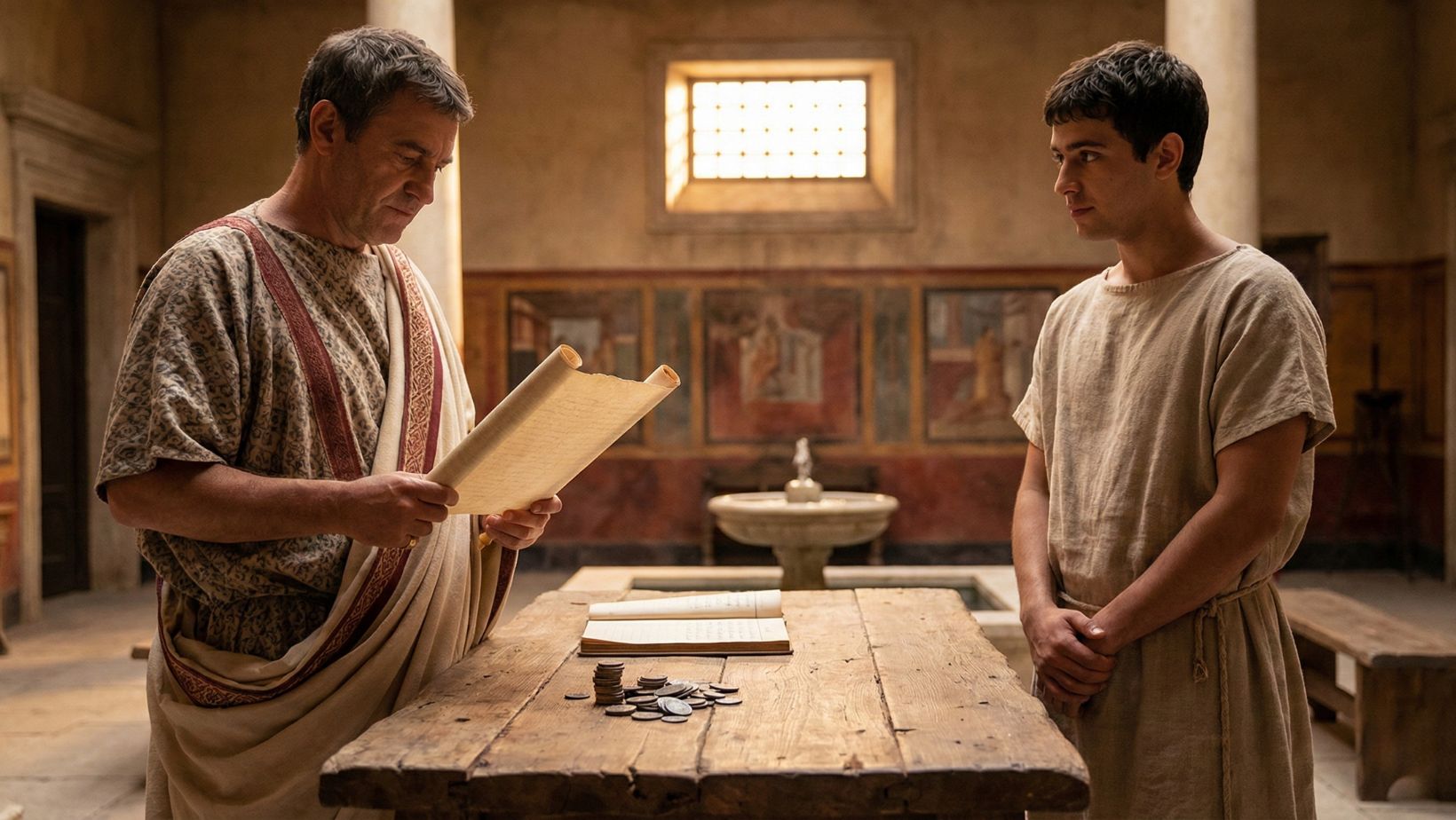
The Book of Philemon
Philemon is a touching personal appeal in which Paul asks a wealthy Christian to forgive and welcome back his runaway slave as a beloved brother, modeling the Gospel of substitution and reconciliation.
-
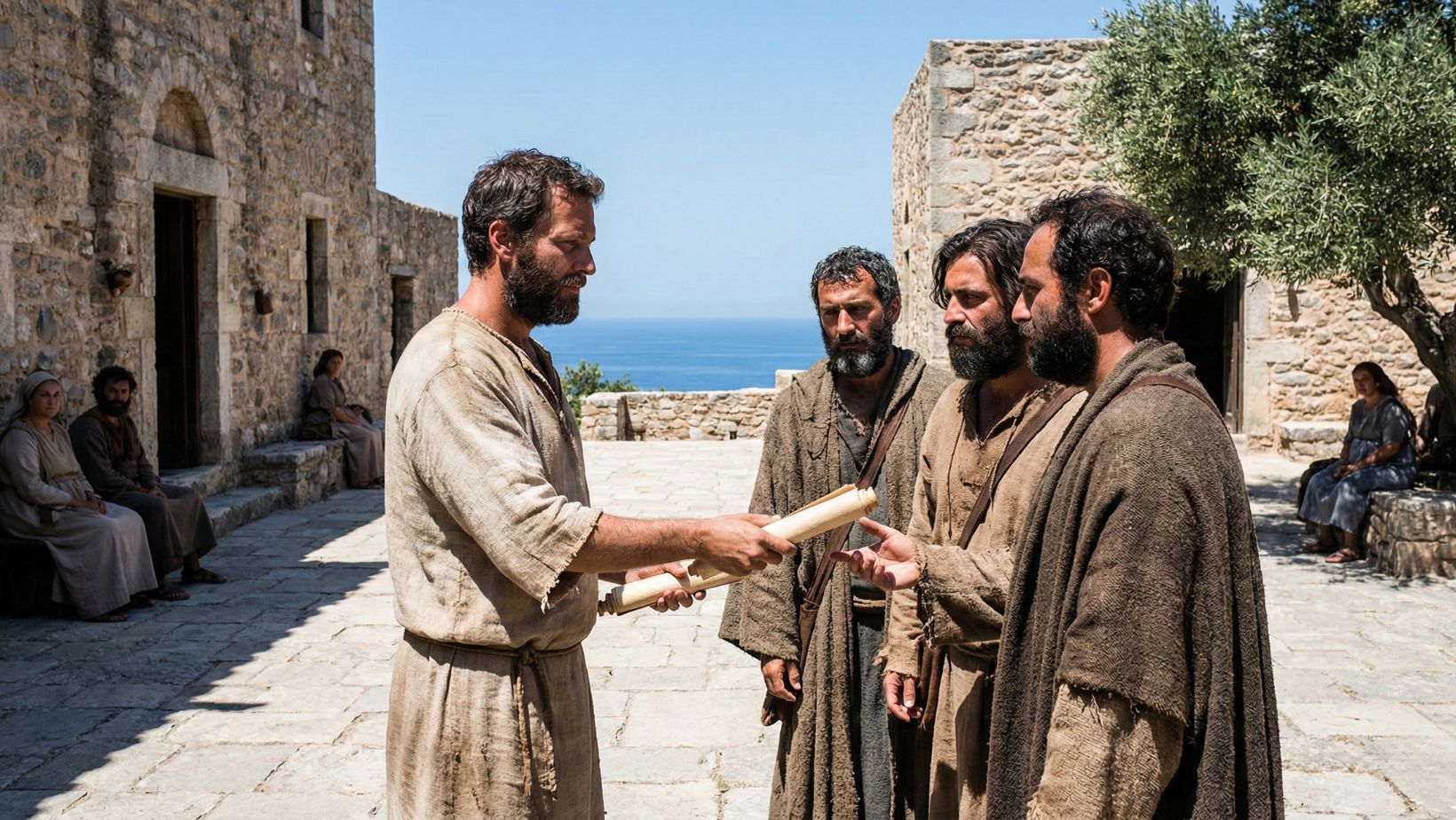
The Book of Titus
Titus is a practical guidebook for church organization, urging believers to appoint godly leaders and live self-controlled lives that produce good works, thereby silencing their critics and making the Gospel attractive.
-
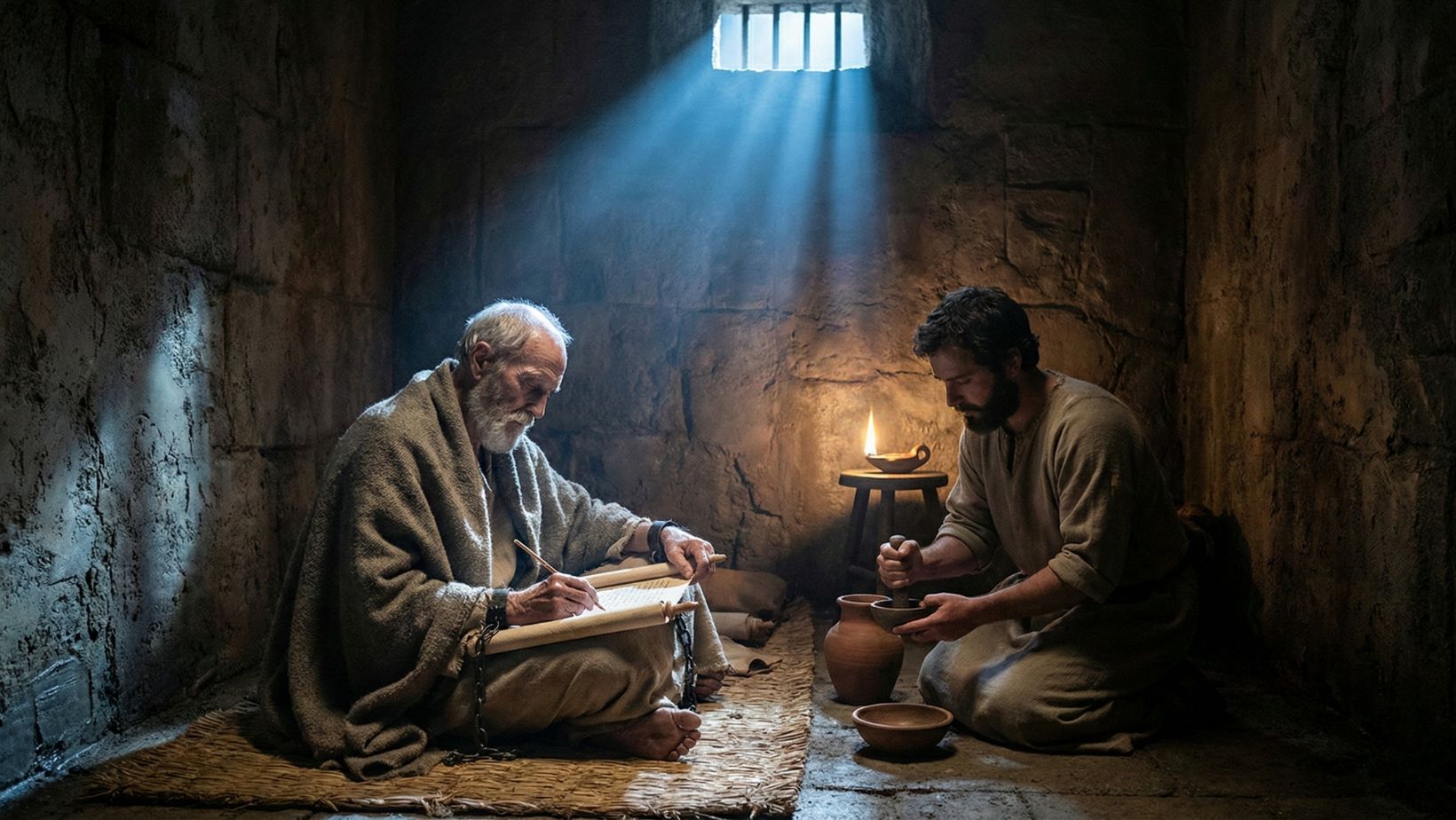
The Book of 2 Timothy
2 Timothy is the emotional final letter of the Apostle Paul, written from a Roman dungeon to pass the torch of ministry to his spiritual son, urging him to remain faithful to the Word of God amidst persecution and apostasy.
-
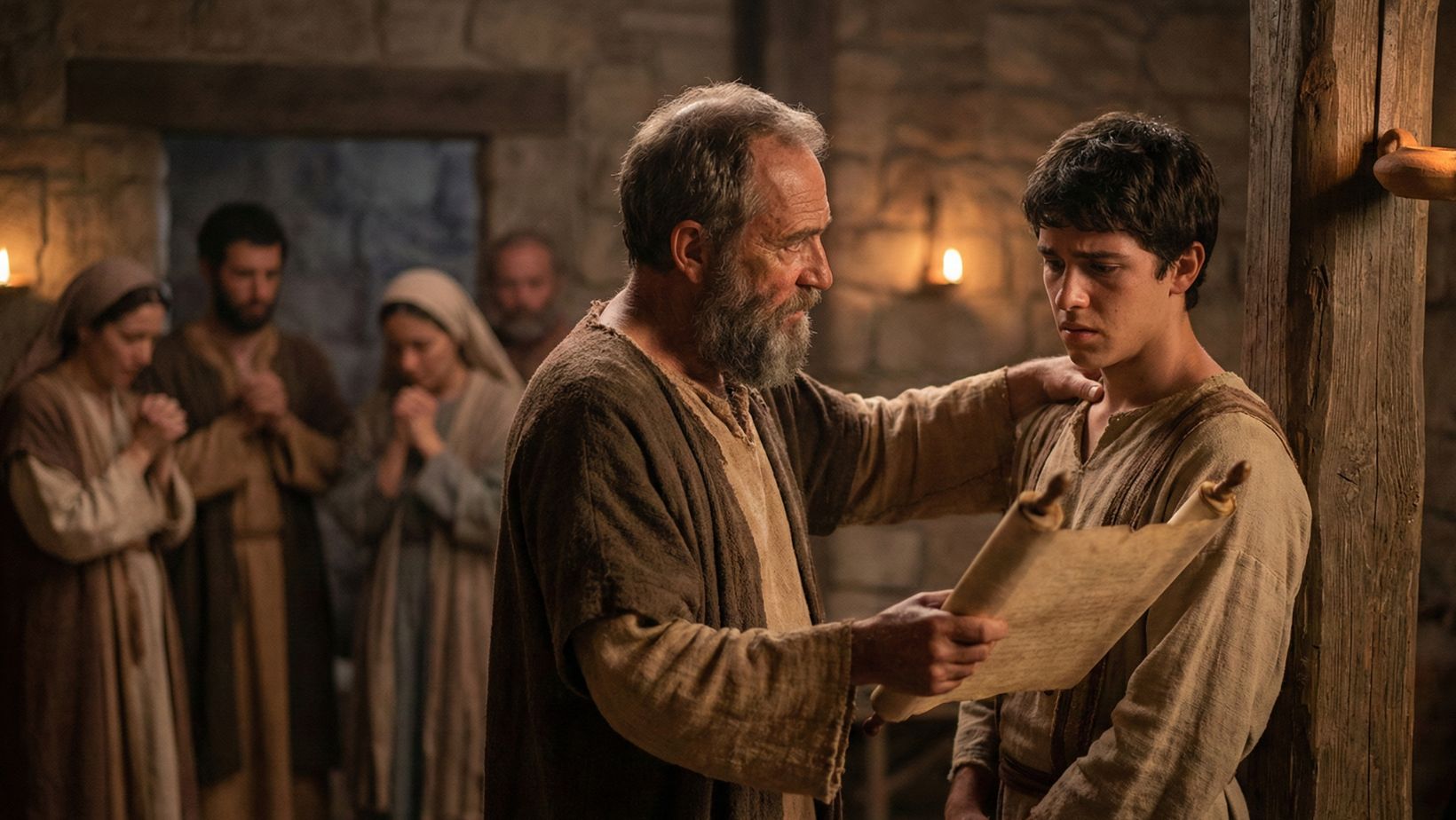
The Book of 1 Timothy
1 Timothy is a pastoral manual written by Paul to his young protégé, establishing the qualifications for church leaders and emphasizing the need for sound doctrine, order, and godliness within the household of God.
-

The Book of 2 Thessalonians
2 Thessalonians is a corrective letter that quells panic about the End Times by clarifying the events preceding Christ’s return and commanding believers to remain faithful, hardworking, and productive until He comes.
-
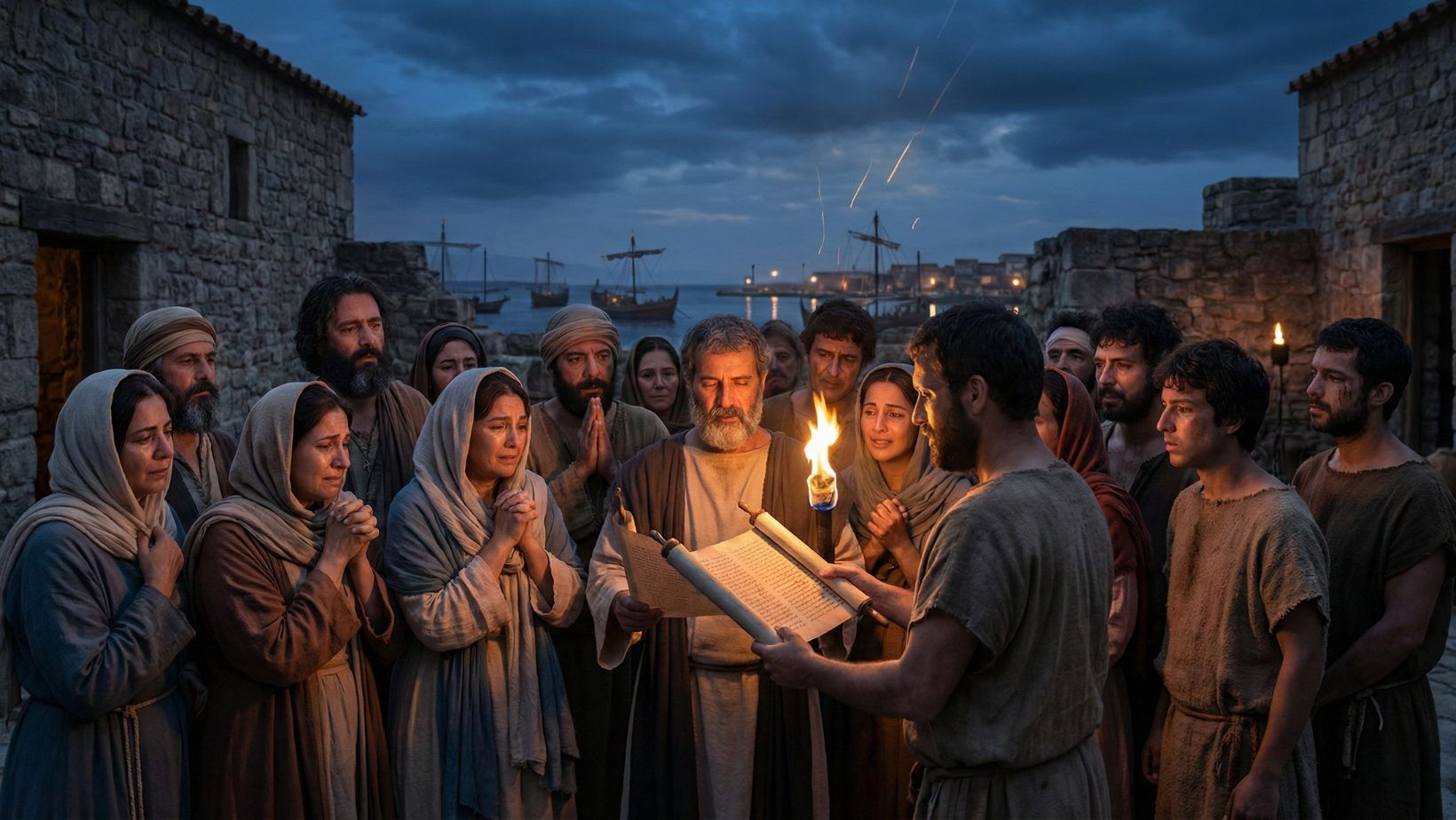
The Book of 1 Thessalonians
1 Thessalonians is a heartfelt letter of encouragement to a persecuted young church, instructing them to live holy lives and comforting them with the promise that Jesus will return to resurrect the dead and gather His people to Himself.
-
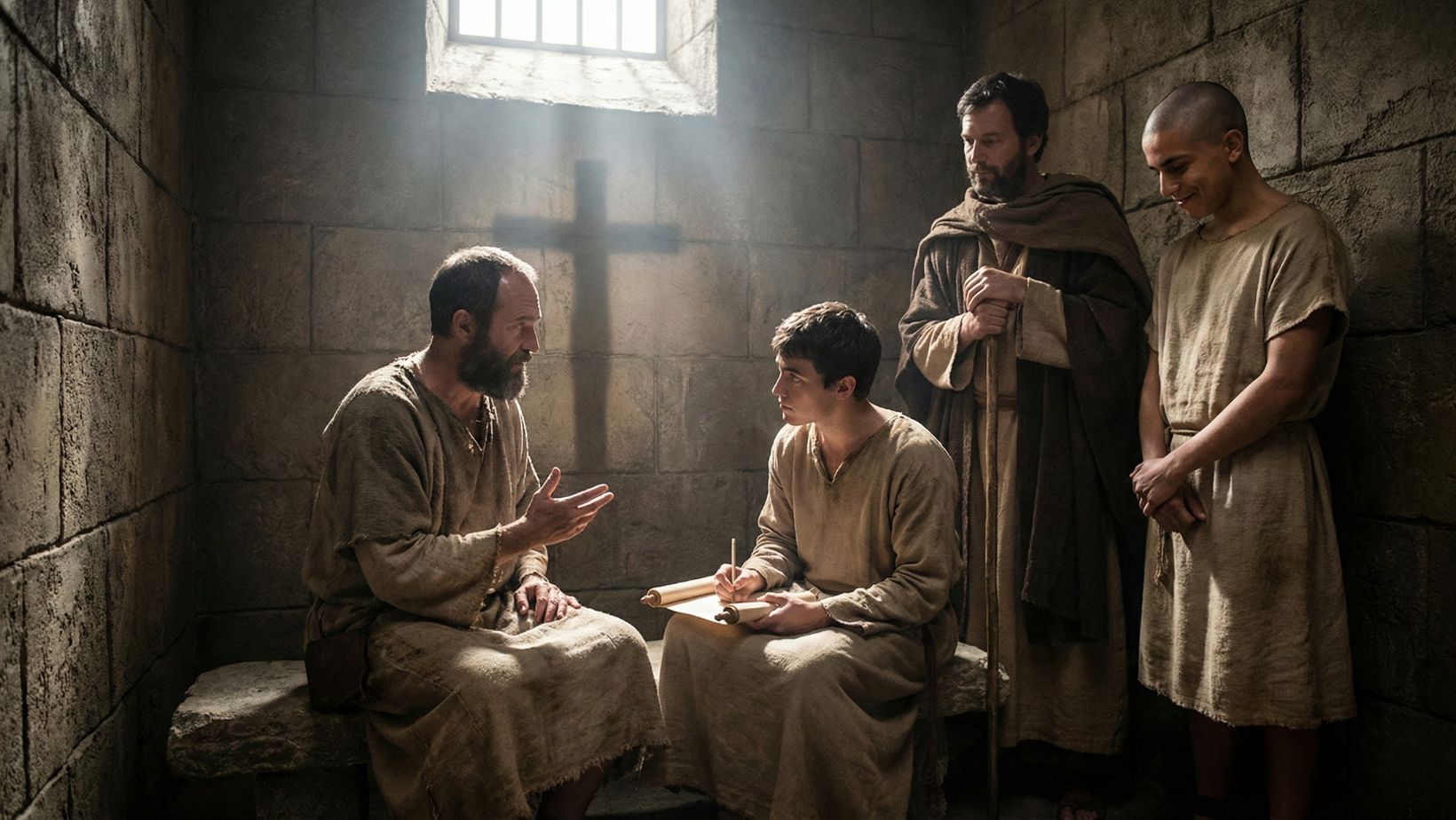
The Book of Colossians
Colossians is a powerful theological letter that counters false teaching by declaring the absolute supremacy and sufficiency of Jesus Christ as the Creator of the universe and the Head of the Church, in whom all the fullness of God dwells.
-
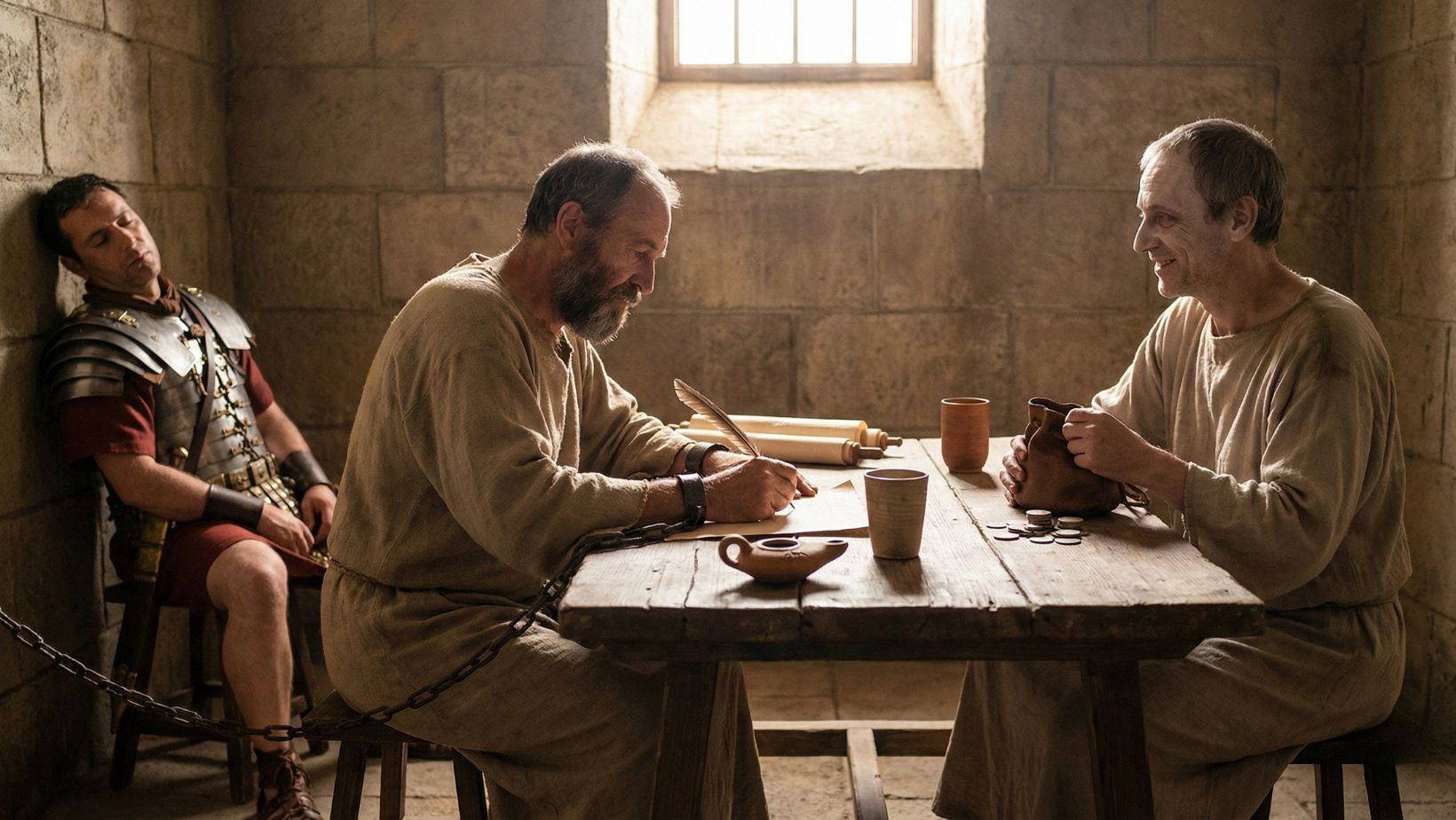
The Book of Philippians
Philippians is a warm, personal letter of gratitude in which Paul teaches that true joy comes from humble service, a single-minded pursuit of Christ, and the contentment found in trusting God regardless of one’s circumstances.
-
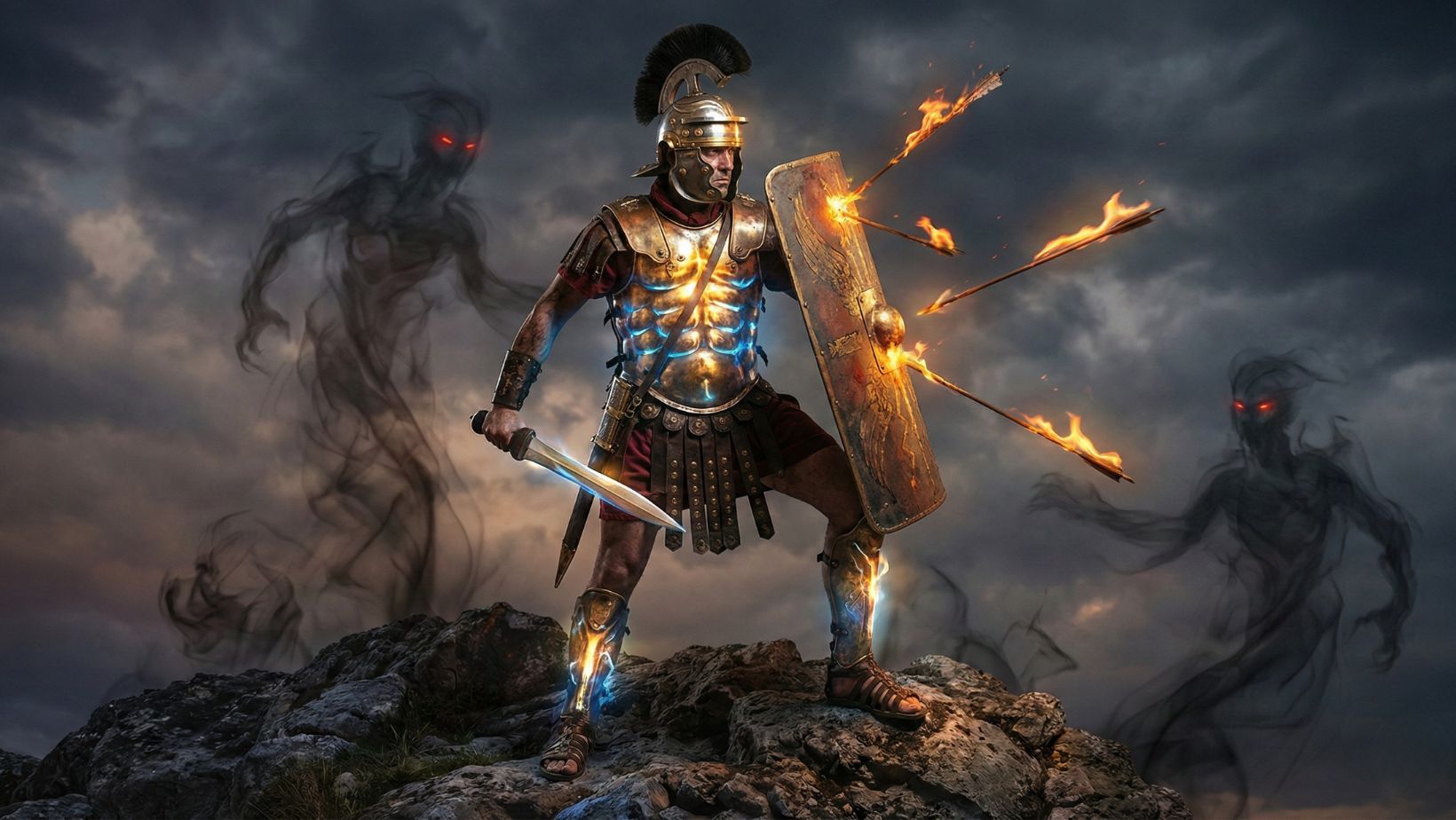
The Book of Ephesians
Ephesians is a majestic circular letter that explores the cosmic significance of the Church as the Body of Christ, grounding believers in their high calling by grace before instructing them how to walk in unity and stand against spiritual darkness.
-
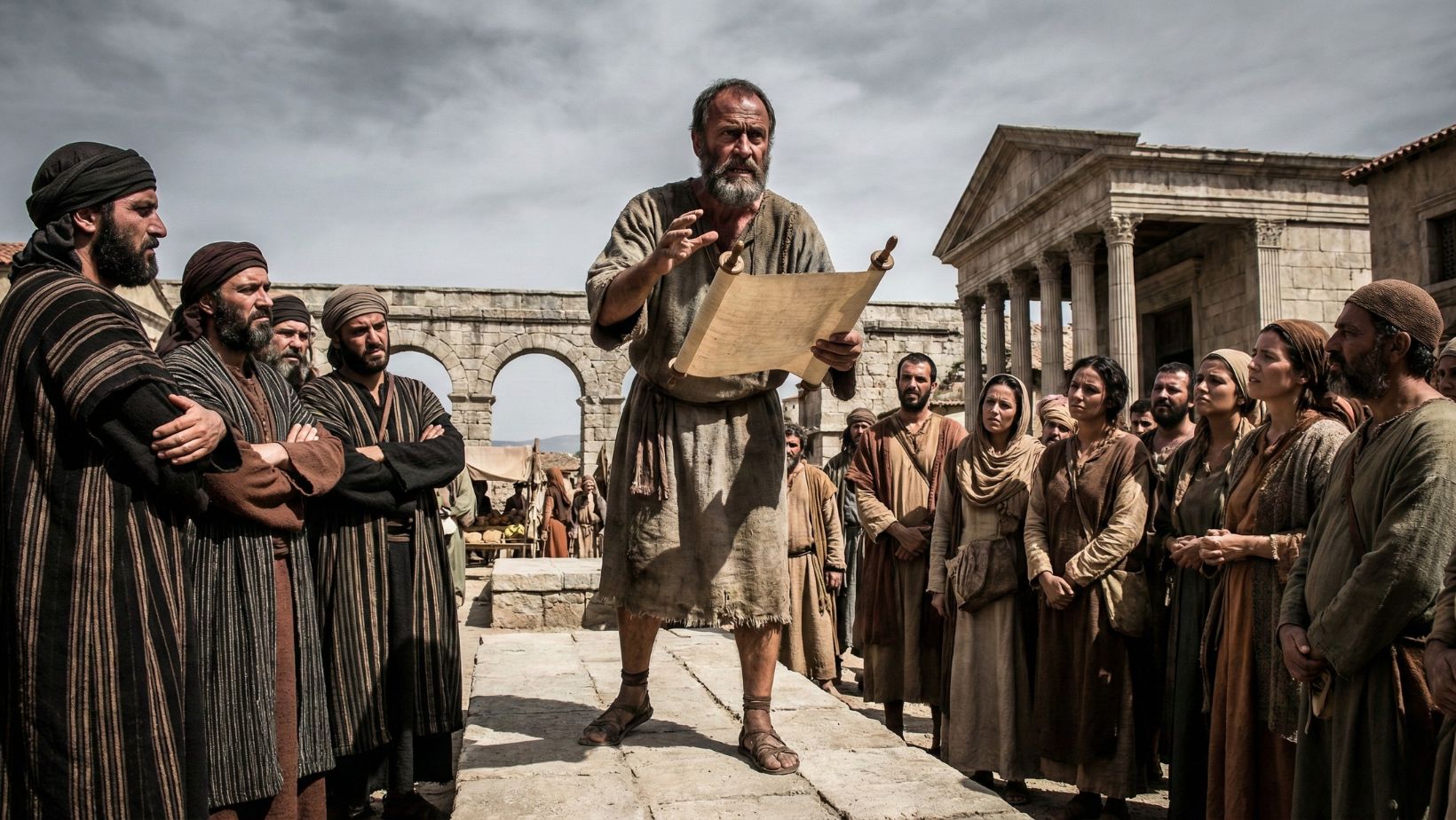
The Book of Galatians
Galatians is a fiery defense of the true Gospel, arguing that salvation is by grace through faith alone and that believers are called to live in the freedom of the Spirit, not under the slavery of the Law.
Bible Characters

-
Jonathan
Jonathan was the valiant crown prince of Israel who chose loyalty to God’s anointed over his own ambition, becoming the Bible’s ultimate example of sacrificial friendship.
-
Michal
Michal was the daughter of King Saul who saved David’s life out of love but ultimately ended her life in barren isolation because she valued royal dignity over humble worship.
-
Abner
Abner was the powerful commander of Saul’s army who, after a long rivalry with David, sought to unite all Israel under David’s crown before being tragically assassinated by Joab.
Biblical Events

-
Jonathan
Jonathan was the valiant crown prince of Israel who chose loyalty to God’s anointed over his own ambition, becoming the Bible’s ultimate example of sacrificial friendship.
-
Michal
Michal was the daughter of King Saul who saved David’s life out of love but ultimately ended her life in barren isolation because she valued royal dignity over humble worship.
-
Abner
Abner was the powerful commander of Saul’s army who, after a long rivalry with David, sought to unite all Israel under David’s crown before being tragically assassinated by Joab.
Bible Locations

-
The City of David
The City of David is the ancient, fortified ridge where King David established his capital, serving as the historical seed from which Jerusalem grew and the spiritual center of the Israelite kingdom.
-
Mahanaim
Mahanaim, meaning “Two Camps,” was the historic fortress city east of the Jordan where Jacob met angels and where kings Ishbosheth and David found refuge during Israel’s greatest civil wars.
-
Jabesh-gilead
Jabesh-gilead was a city defined by a legacy of survival and fierce loyalty, best known for the valiant night raid to retrieve the bodies of King Saul and his sons from Philistine desecration.
