

Bible Books
Books of the Bible are the inspired writings that reveal God’s nature, His plan for humanity, and the story of redemption from Genesis to Revelation.
-
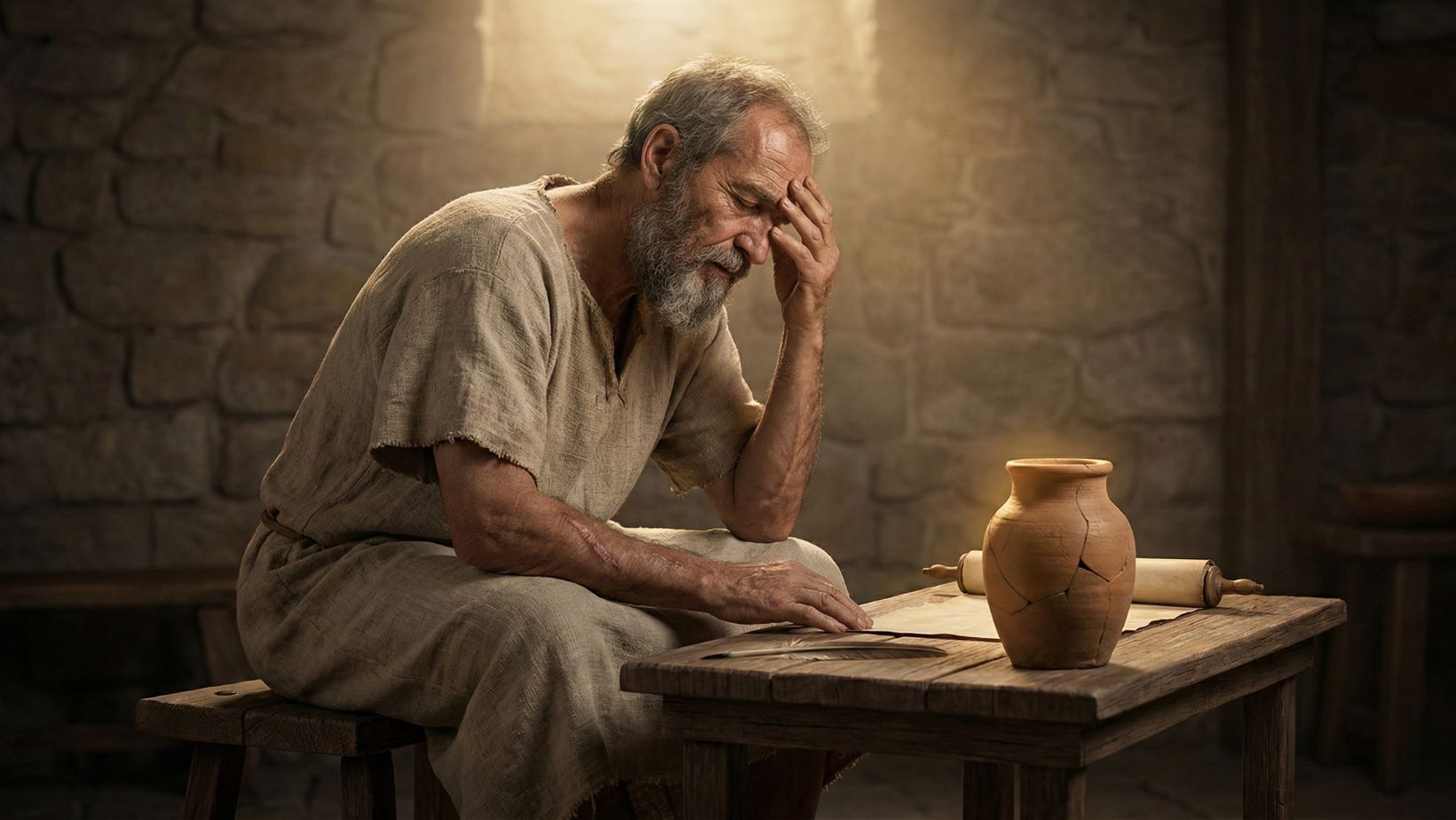
The Book of 2 Corinthians
2 Corinthians is a deeply emotional letter in which Paul defends his ministry against arrogant rivals by arguing that true spiritual power is found not in human strength or success, but in weakness, suffering, and reliance on God’s sufficient grace.
-
The Book of 1 Corinthians
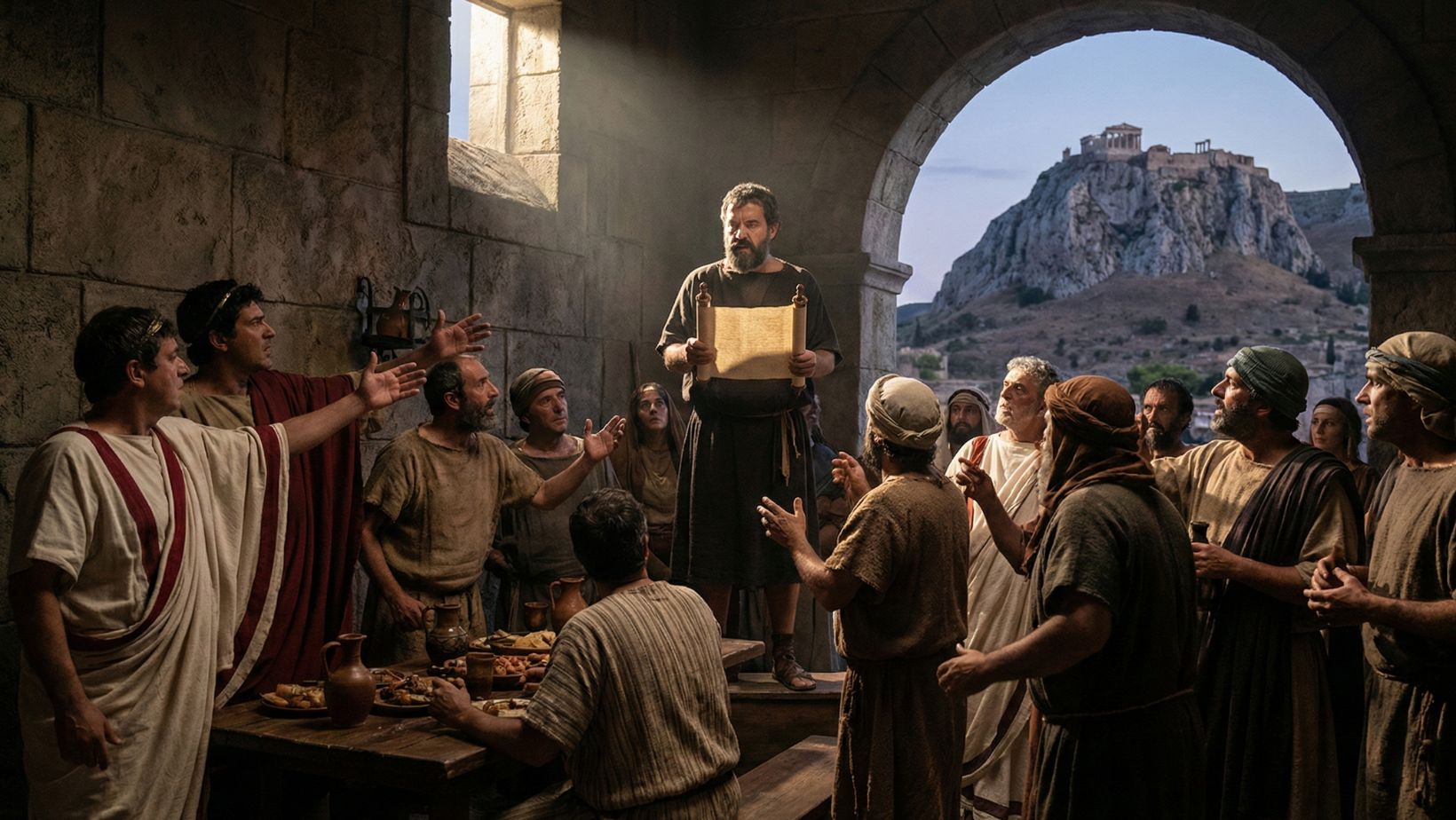
1 Corinthians is a powerful pastoral letter addressing a divided and immature church, teaching that the Gospel impacts every area of life—from sex and lawsuits to worship and death—and that love is the supreme mark of a Christian.
-
The Book of Romans
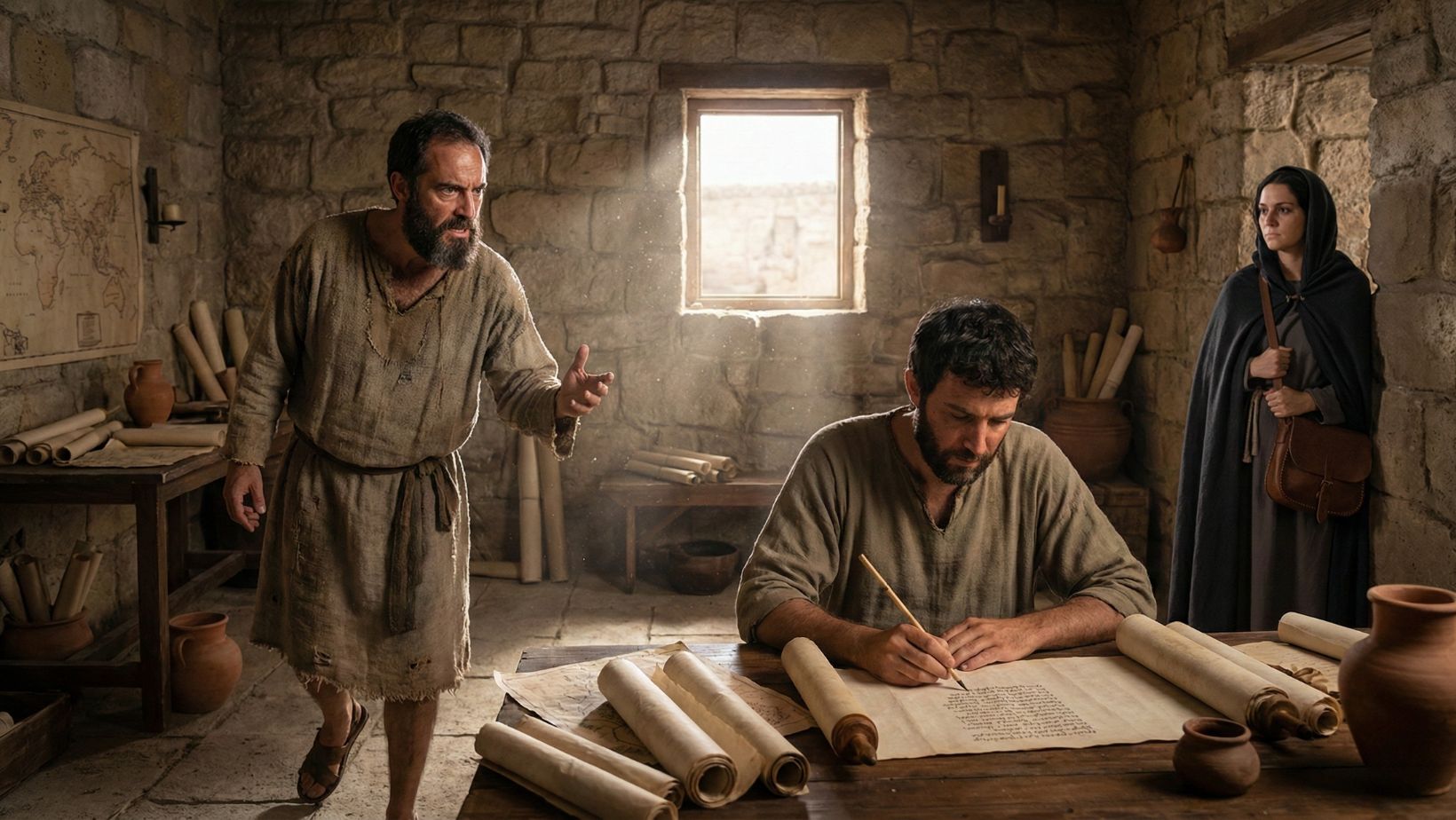
The Book of Romans is the theological masterpiece of the New Testament, logically demonstrating that because all humanity is condemned by sin, salvation is available only through the righteousness of God received by faith in Jesus Christ.
-
The Book of Acts
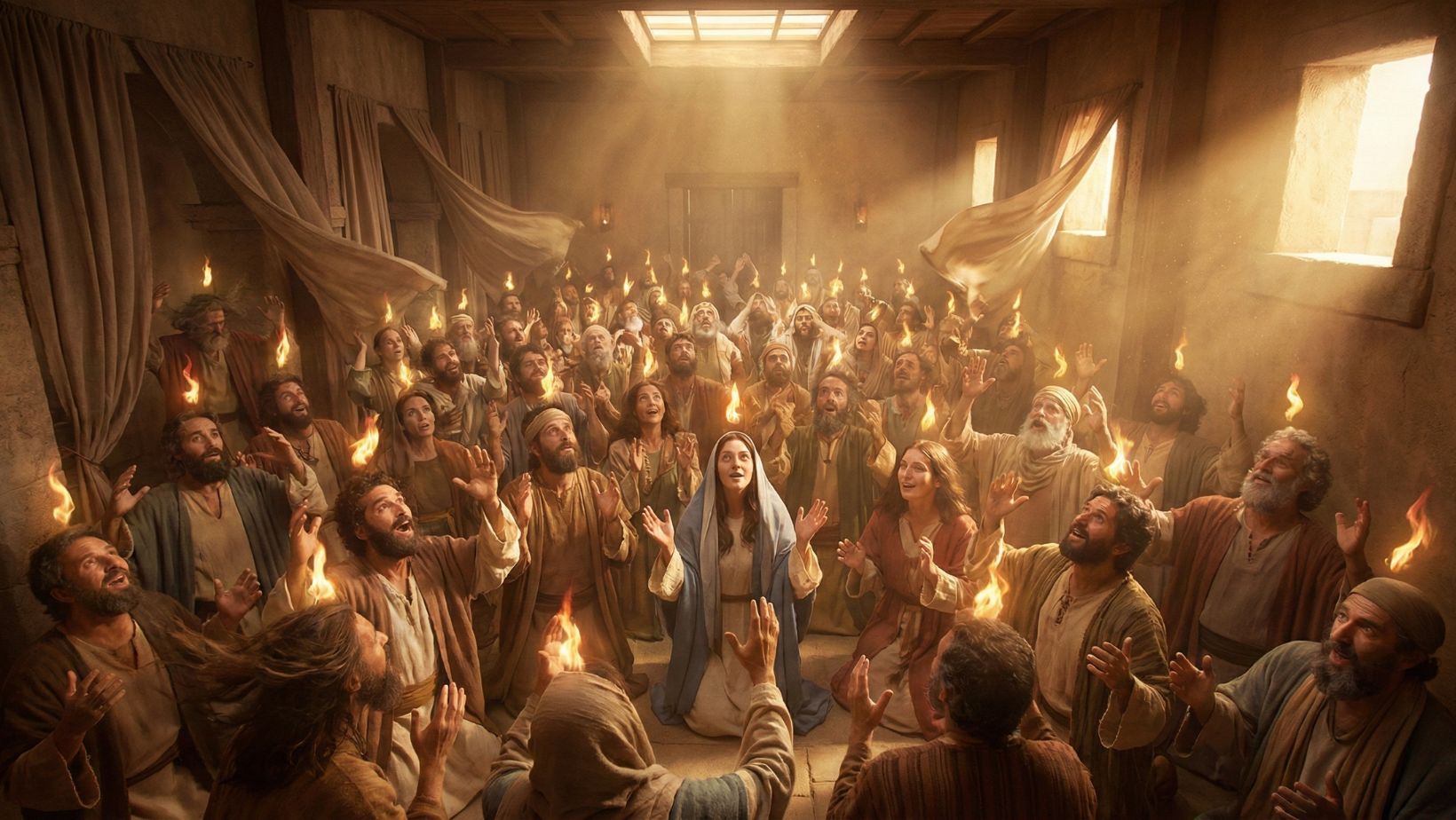
The Book of Acts is a fast-paced historical narrative that chronicles the explosive growth of the early church, driven by the Holy Spirit and the unstoppable spread of the Gospel from Jerusalem to Rome.
-
The Book of Mark
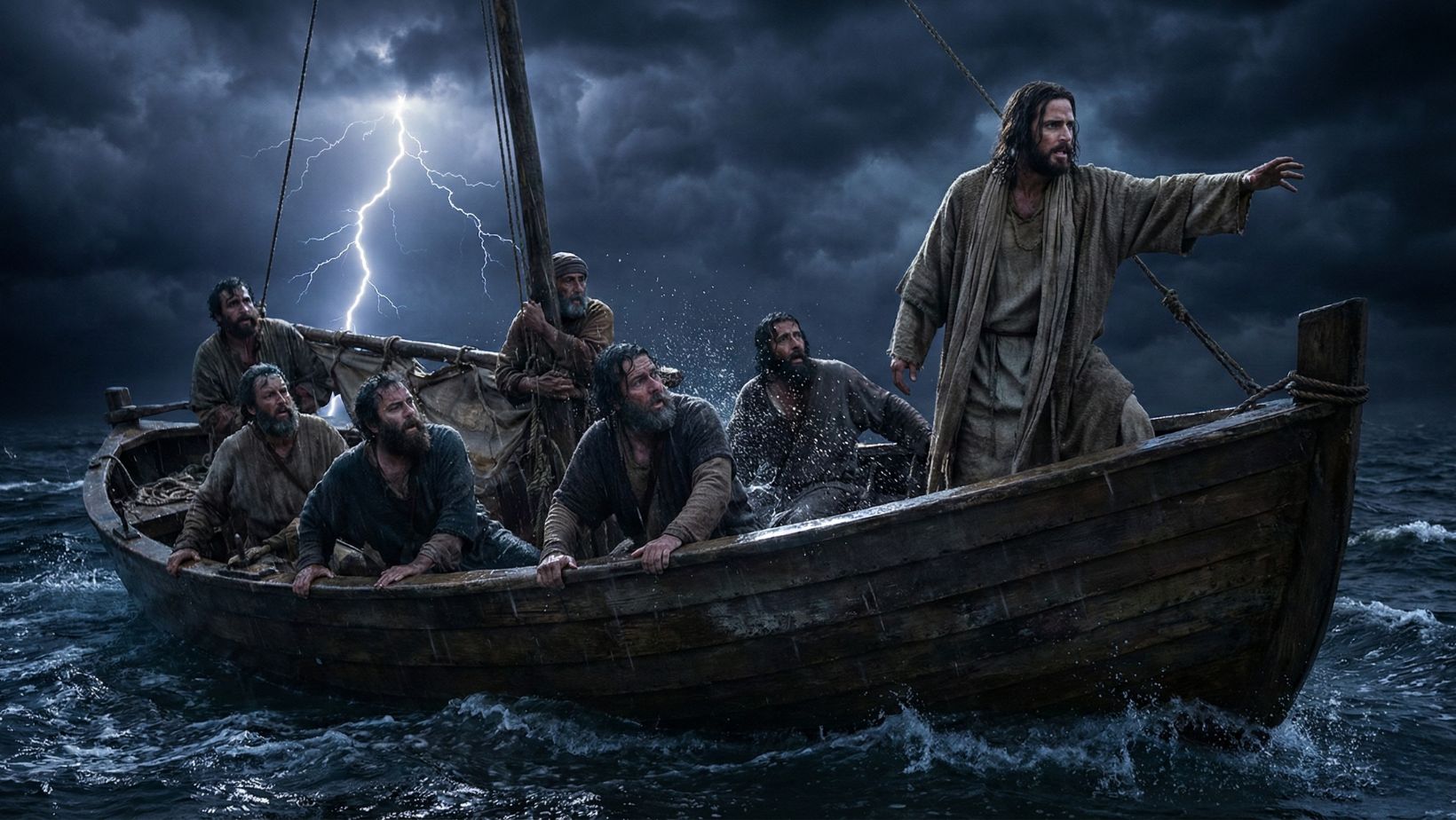
The Gospel of Mark is a vivid, fast-paced eyewitness account that presents Jesus as the powerful Son of God who conquers sin and death through His ultimate act of service on the cross.
-
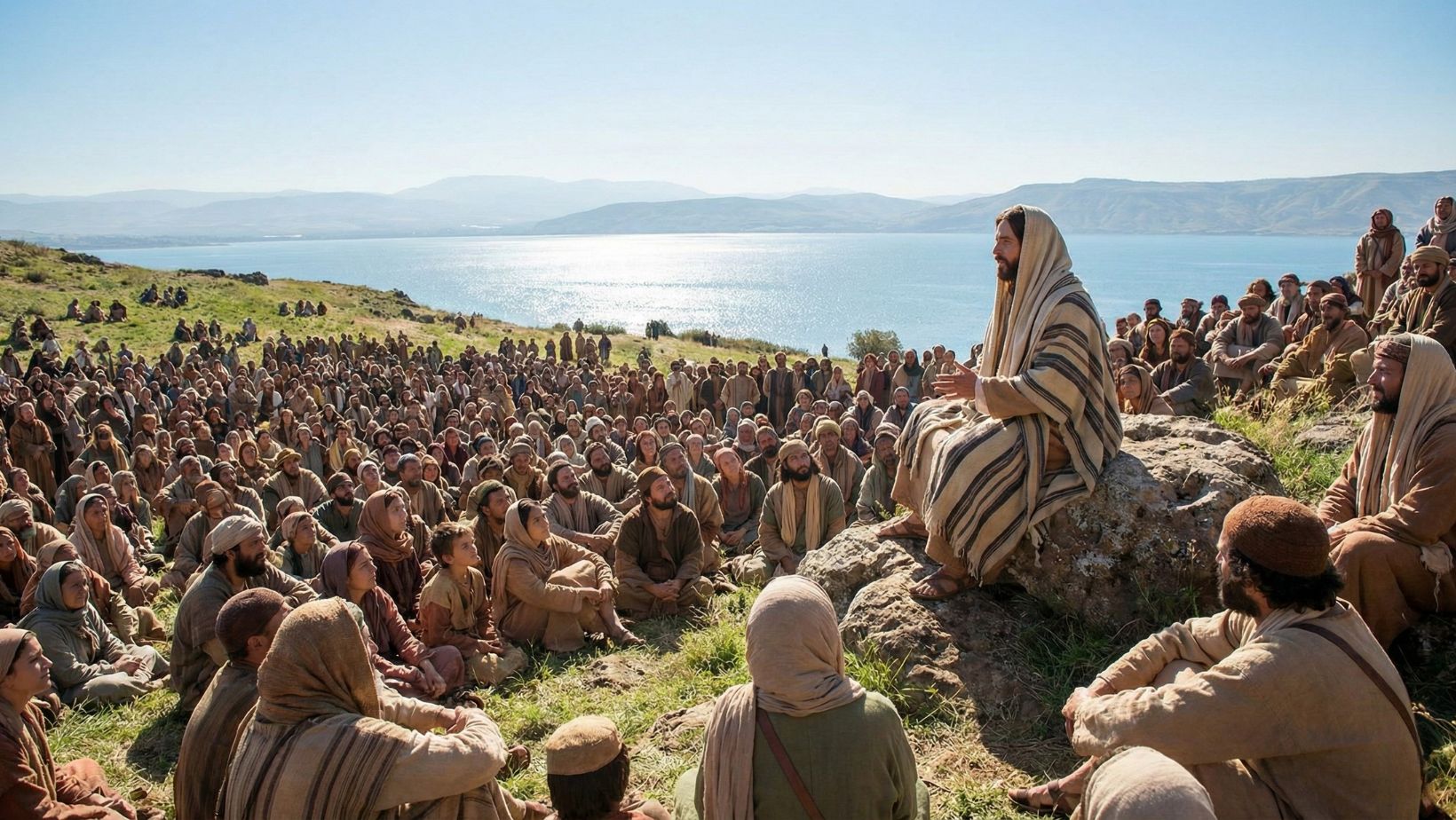
The Book of Matthew
The Gospel of Matthew is a majestic, systematically arranged account that establishes Jesus as the fulfillment of Old Testament prophecy, the New Moses, and the King who commissions His church to disciple the nations.
-
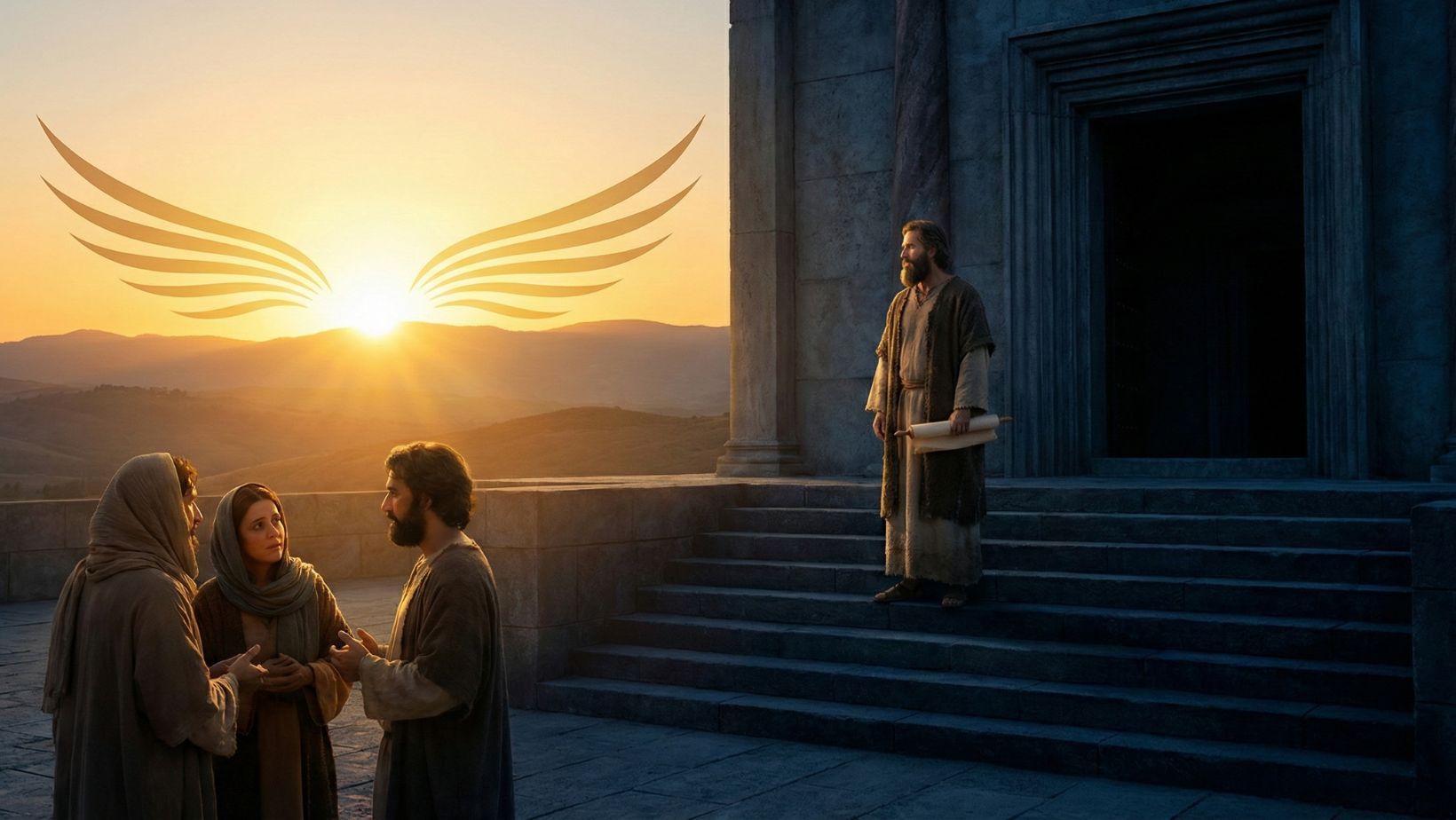
The Book of Malachi
Malachi was the final prophet of the Old Testament who confronted the spiritual apathy of the post-exilic community and predicted the coming of a forerunner who would prepare the way for the Lord.
-
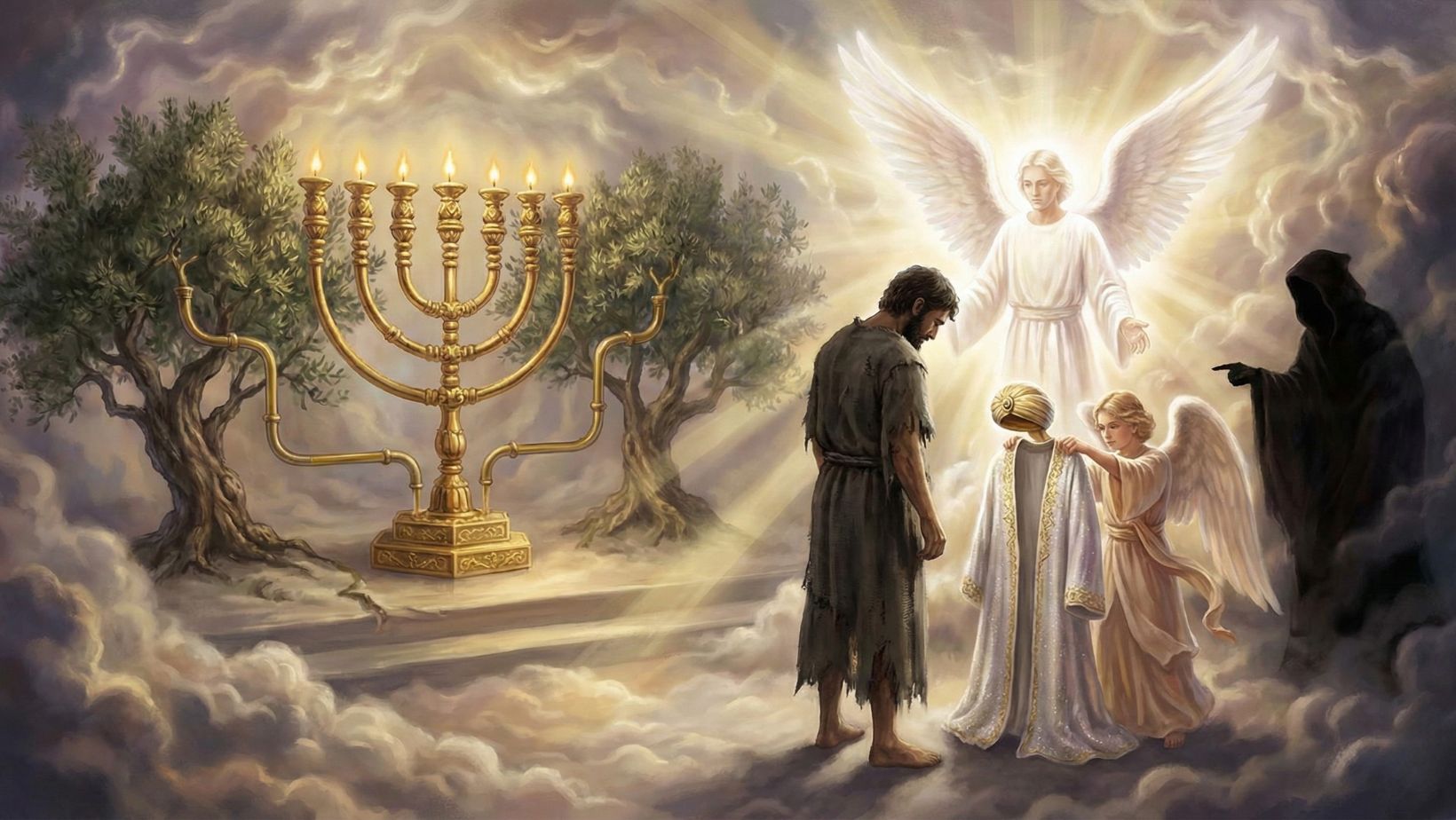
The Book of Zechariah
Zechariah was a priest-prophet who used vivid apocalyptic visions to encourage the rebuilding of the Temple and provided the most detailed Old Testament prophecies regarding the rejection, death, and ultimate reign of the Messiah.
-
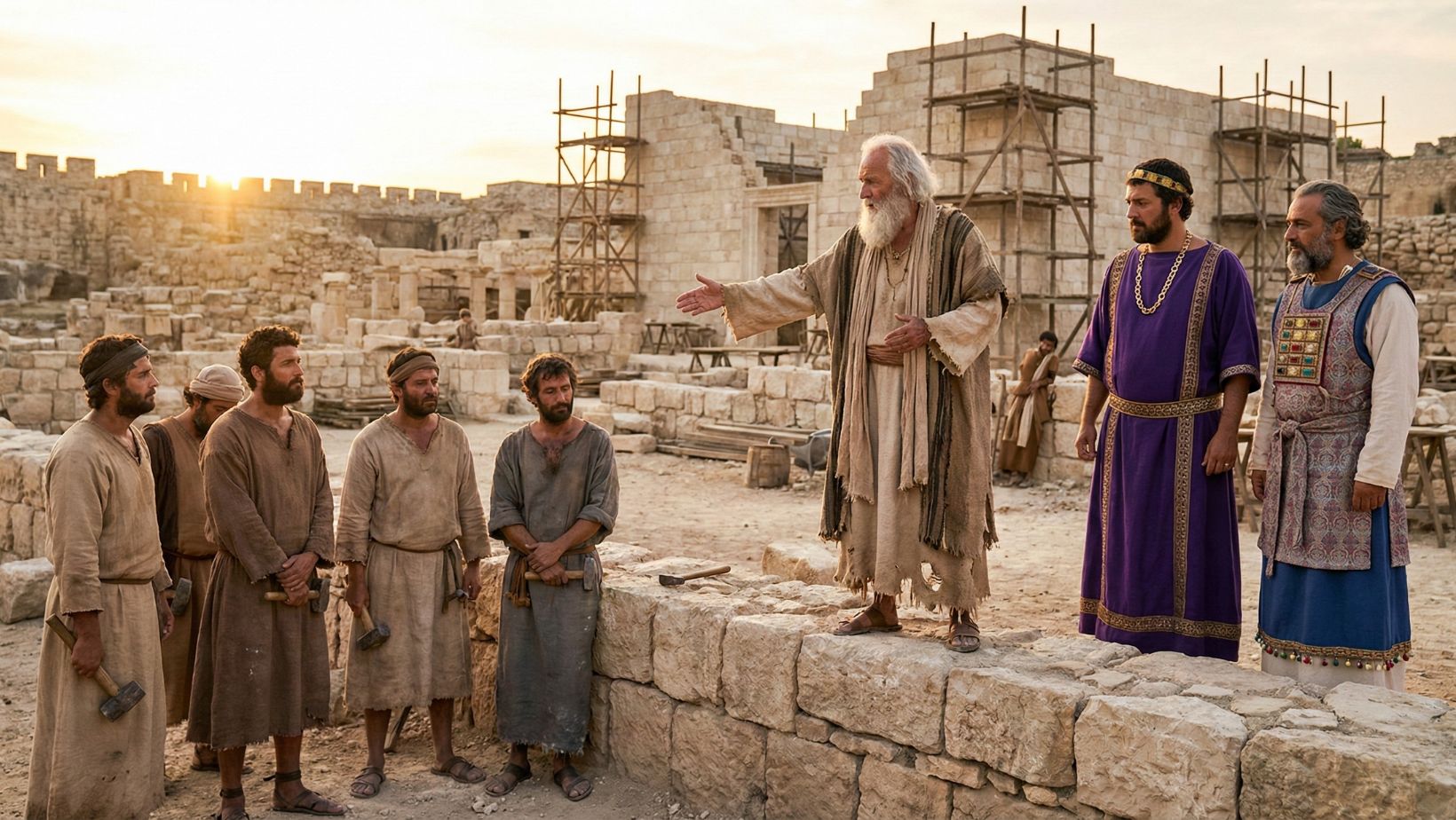
The Book of Haggai
Haggai was the pragmatic prophet who successfully mobilized the apathetic exiles to rebuild the Second Temple by linking their economic hardships to their spiritual negligence and restoring the promise of the Davidic line.
-

The Book of Zephaniah
Zephaniah was a royal prophet who spurred King Josiah’s reforms by warning of the terrifying “Day of the Lord” while promising that God would ultimately rejoice over a humble remnant with singing.
Bible Characters

-
Jonathan
Jonathan was the valiant crown prince of Israel who chose loyalty to God’s anointed over his own ambition, becoming the Bible’s ultimate example of sacrificial friendship.
-
Michal
Michal was the daughter of King Saul who saved David’s life out of love but ultimately ended her life in barren isolation because she valued royal dignity over humble worship.
-
Abner
Abner was the powerful commander of Saul’s army who, after a long rivalry with David, sought to unite all Israel under David’s crown before being tragically assassinated by Joab.
Biblical Events

-
Jonathan
Jonathan was the valiant crown prince of Israel who chose loyalty to God’s anointed over his own ambition, becoming the Bible’s ultimate example of sacrificial friendship.
-
Michal
Michal was the daughter of King Saul who saved David’s life out of love but ultimately ended her life in barren isolation because she valued royal dignity over humble worship.
-
Abner
Abner was the powerful commander of Saul’s army who, after a long rivalry with David, sought to unite all Israel under David’s crown before being tragically assassinated by Joab.
Bible Locations

-
The City of David
The City of David is the ancient, fortified ridge where King David established his capital, serving as the historical seed from which Jerusalem grew and the spiritual center of the Israelite kingdom.
-
Mahanaim
Mahanaim, meaning “Two Camps,” was the historic fortress city east of the Jordan where Jacob met angels and where kings Ishbosheth and David found refuge during Israel’s greatest civil wars.
-
Jabesh-gilead
Jabesh-gilead was a city defined by a legacy of survival and fierce loyalty, best known for the valiant night raid to retrieve the bodies of King Saul and his sons from Philistine desecration.
