


Bible Books
Books of the Bible are the inspired writings that reveal God’s nature, His plan for humanity, and the story of redemption from Genesis to Revelation.
-
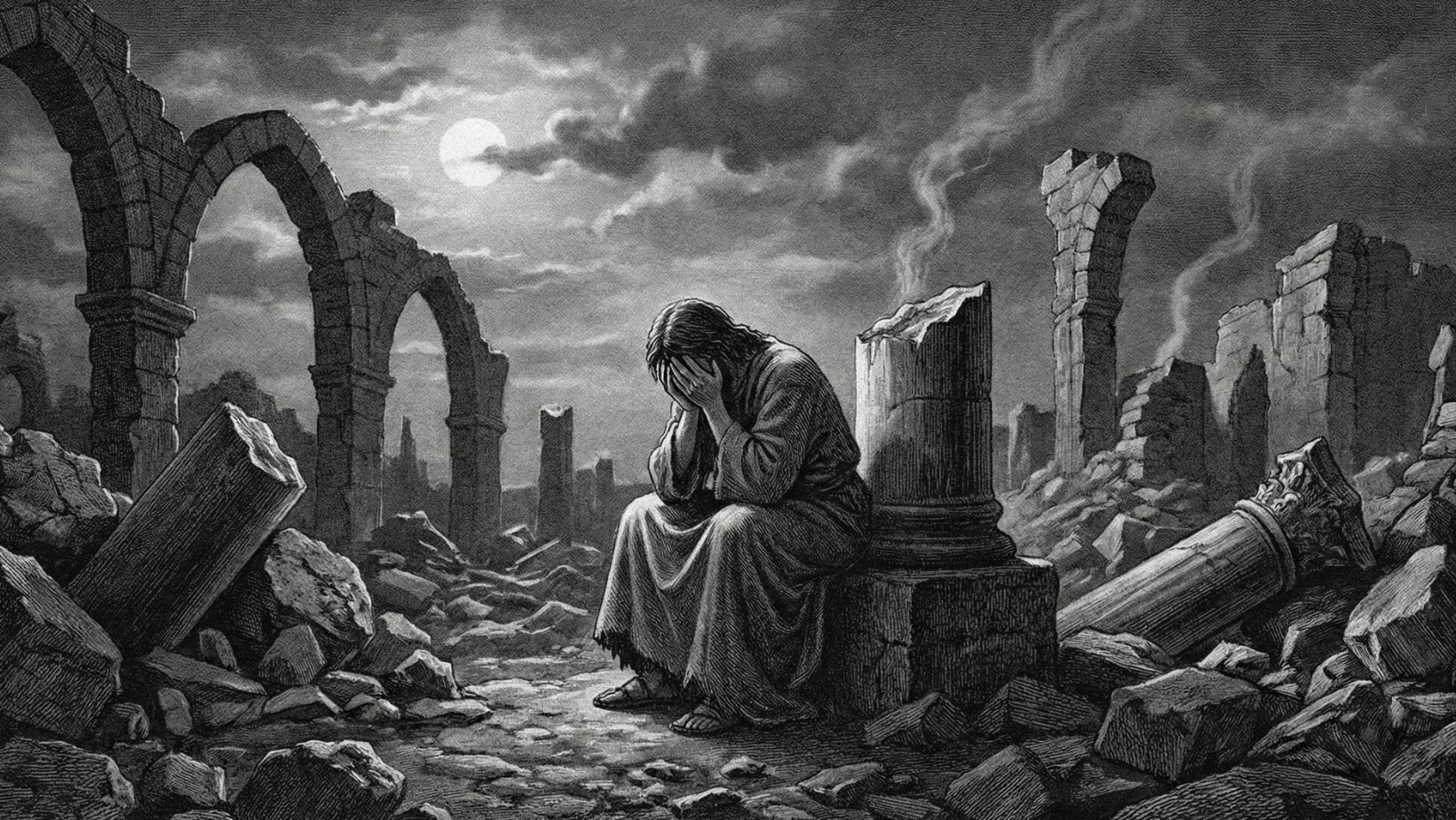
The Book of Lamentations
Lamentations is a structured poetic expression of profound grief over the destruction of Jerusalem, balancing the raw horror of judgment with a central confession of hope in God’s unfailing mercy.
-
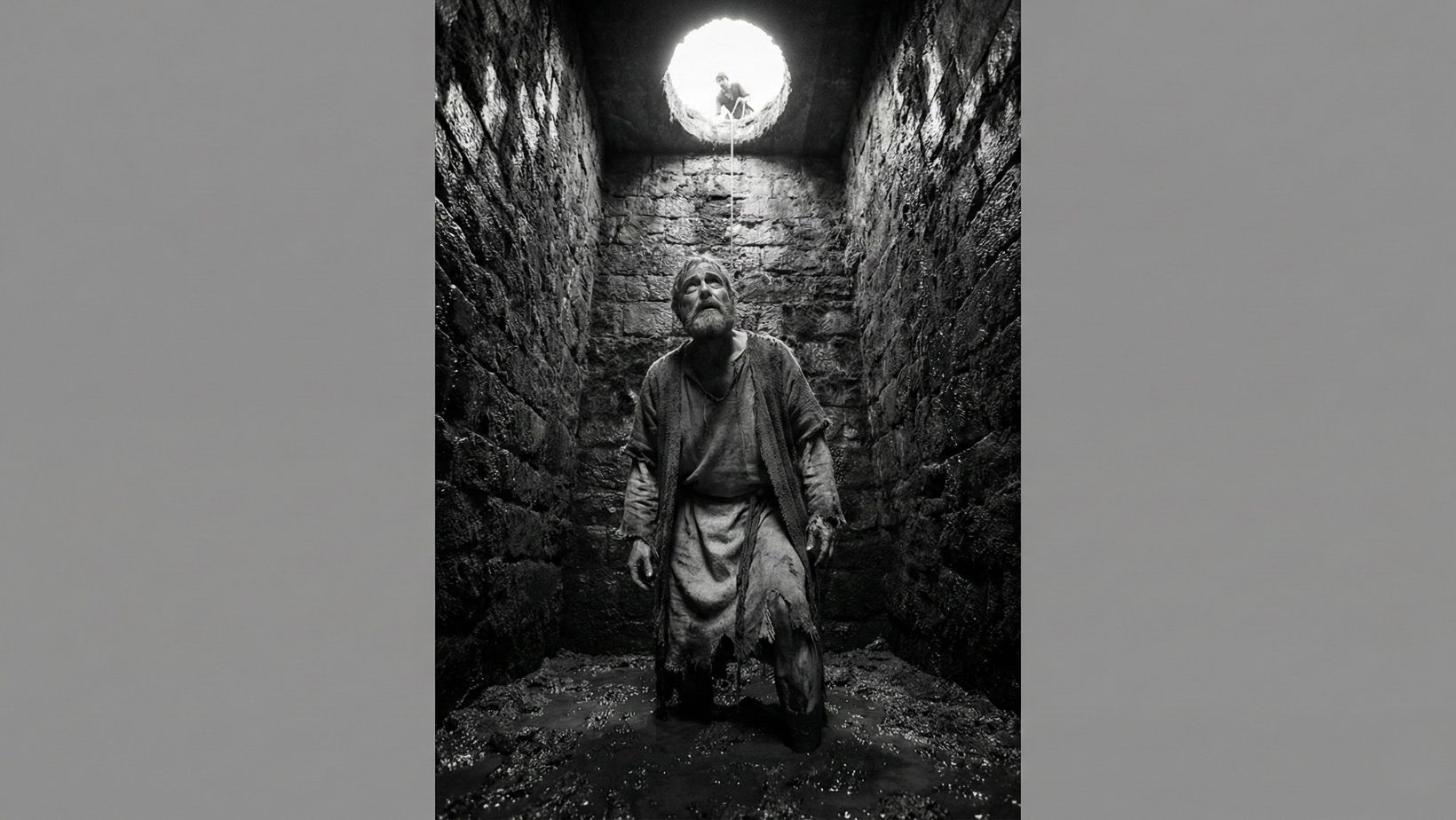
The Book of Jeremiah
Jeremiah, the Weeping Prophet, endured decades of rejection and persecution to deliver the hard truth of Jerusalem’s coming destruction, while offering the ultimate hope of a New Covenant written on the heart.
-
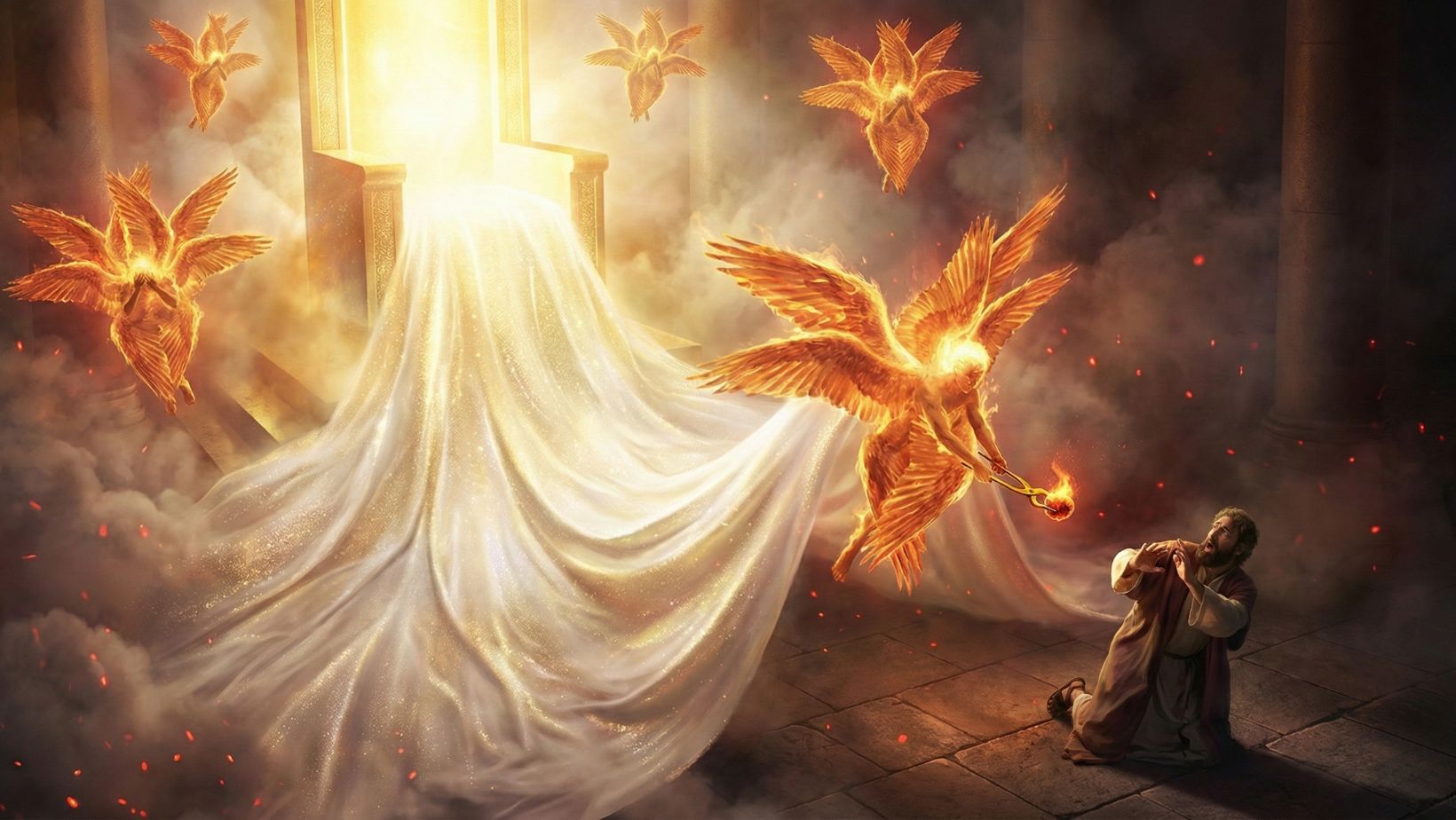
The Book of Isaiah
Isaiah is the Prince of Prophets, whose book serves as a miniature Bible—moving from the thunderous judgment of sin to the tender promise of a Suffering Servant who will bring salvation to the ends of the earth.
-
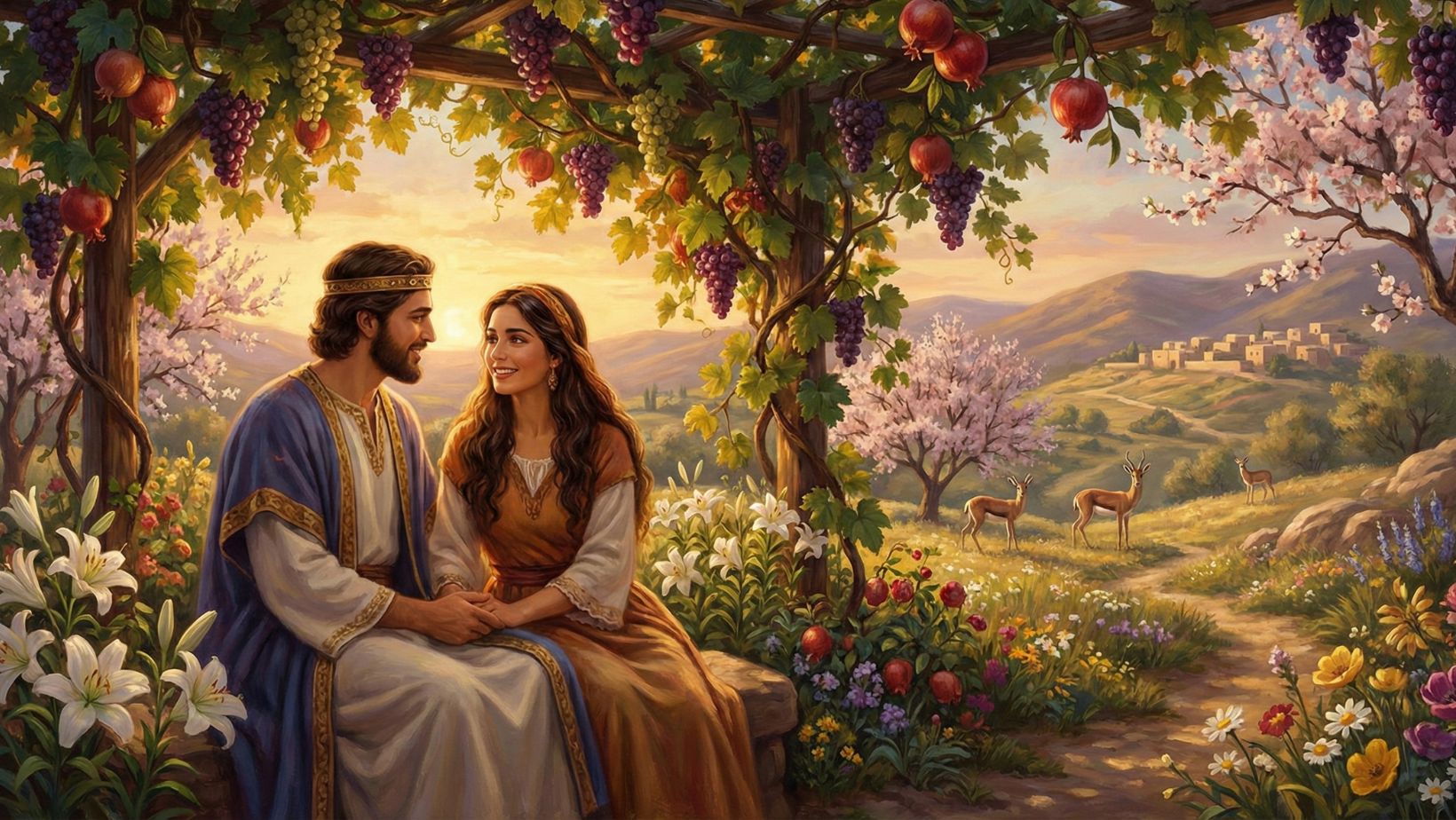
The Book of Song of Songs
The Song of Songs is a poetic celebration of love, desire, and commitment, portraying the beauty of marital intimacy as a gift from God.
-

The Book of Ecclesiastes
Ecclesiastes is a philosophical exploration of the fleeting nature of life “under the sun,” arguing that since all earthly pursuits—wealth, wisdom, and pleasure—end in death, the only true meaning is found in fearing God and enjoying His daily gifts.
-
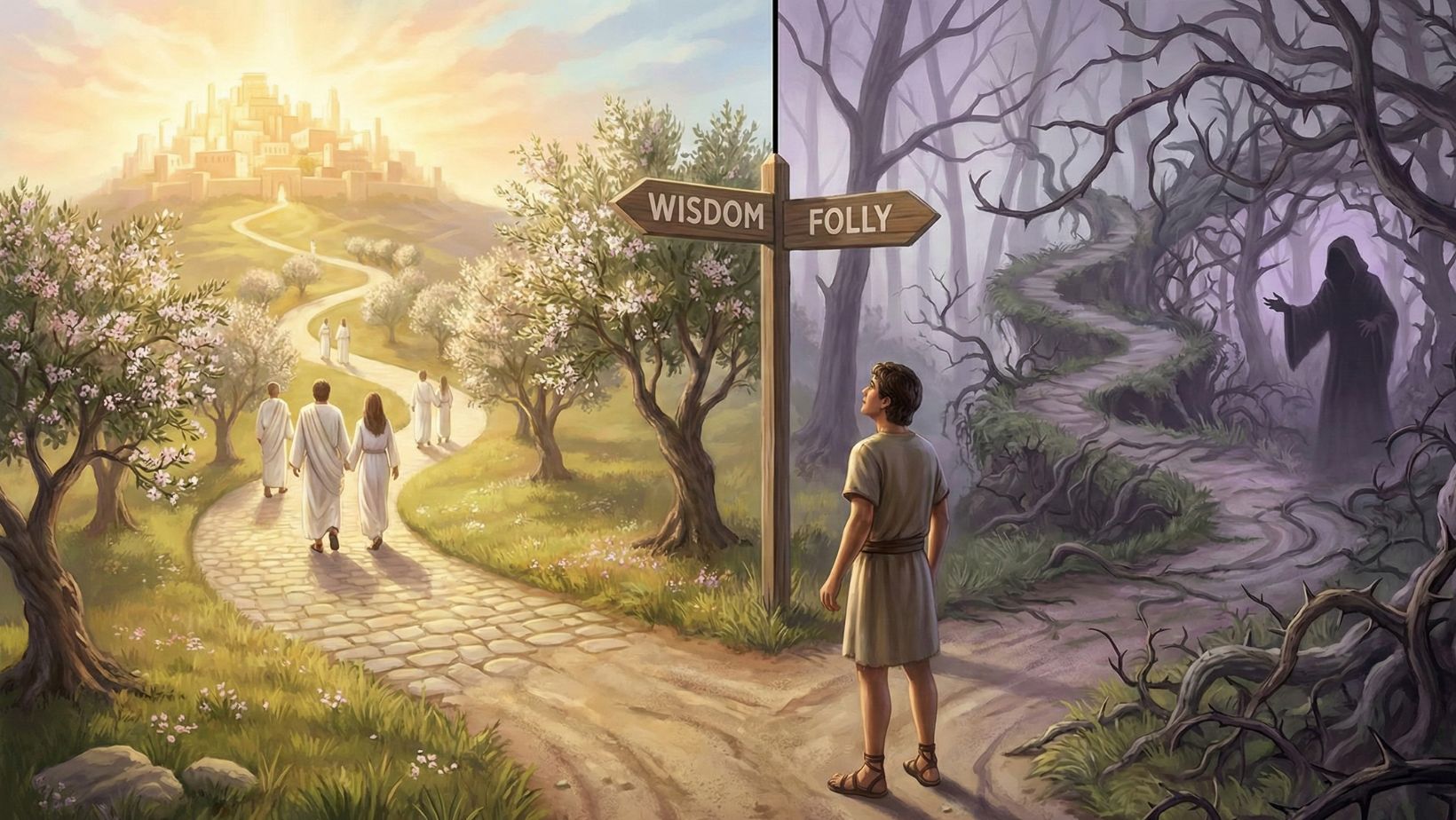
The Book of Proverbs
Proverbs is a collection of practical, divine wisdom designed to teach people—especially the young—how to steer their lives with skill, fearing the Lord and avoiding the pitfalls of folly.
-

The Book of Psalms
The Psalms are the ancient hymnal of God’s people, a collection of 150 songs that guide believers through every human emotion—from the depths of lament to the heights of praise—anchoring them in the sovereignty of God.
-
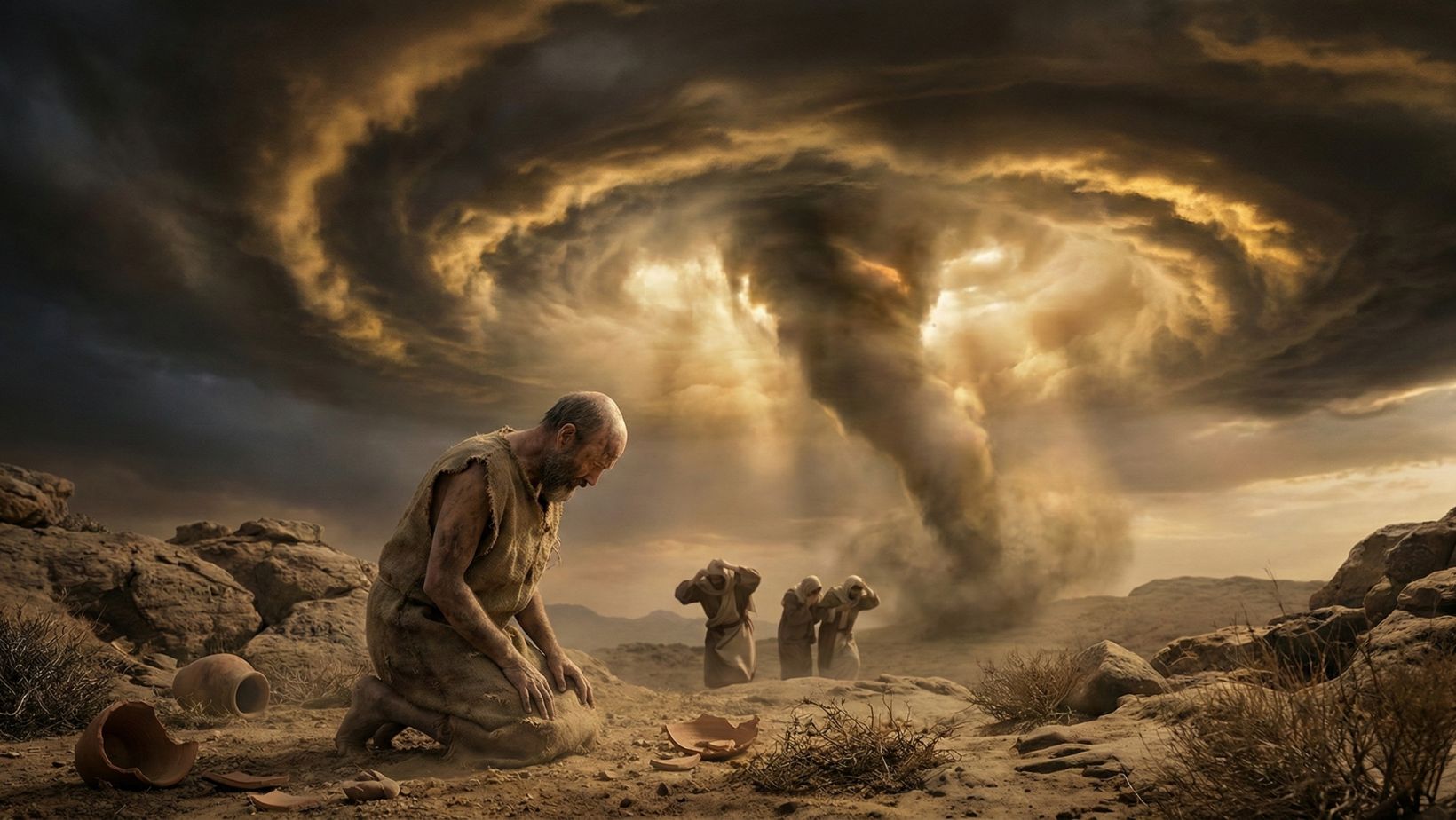
The Book of Job
The Book of Job explores the mystery of innocent suffering and the limits of human wisdom, ultimately revealing that God’s sovereignty is far too vast to be reduced to a simple formula of cause and effect.
-

The Book of Esther
The Book of Esther chronicles the dramatic rise of a Jewish orphan to the Persian throne, where she risks her life to thwart a genocidal plot, proving that God preserves His people through providence even in the darkest of times.
-
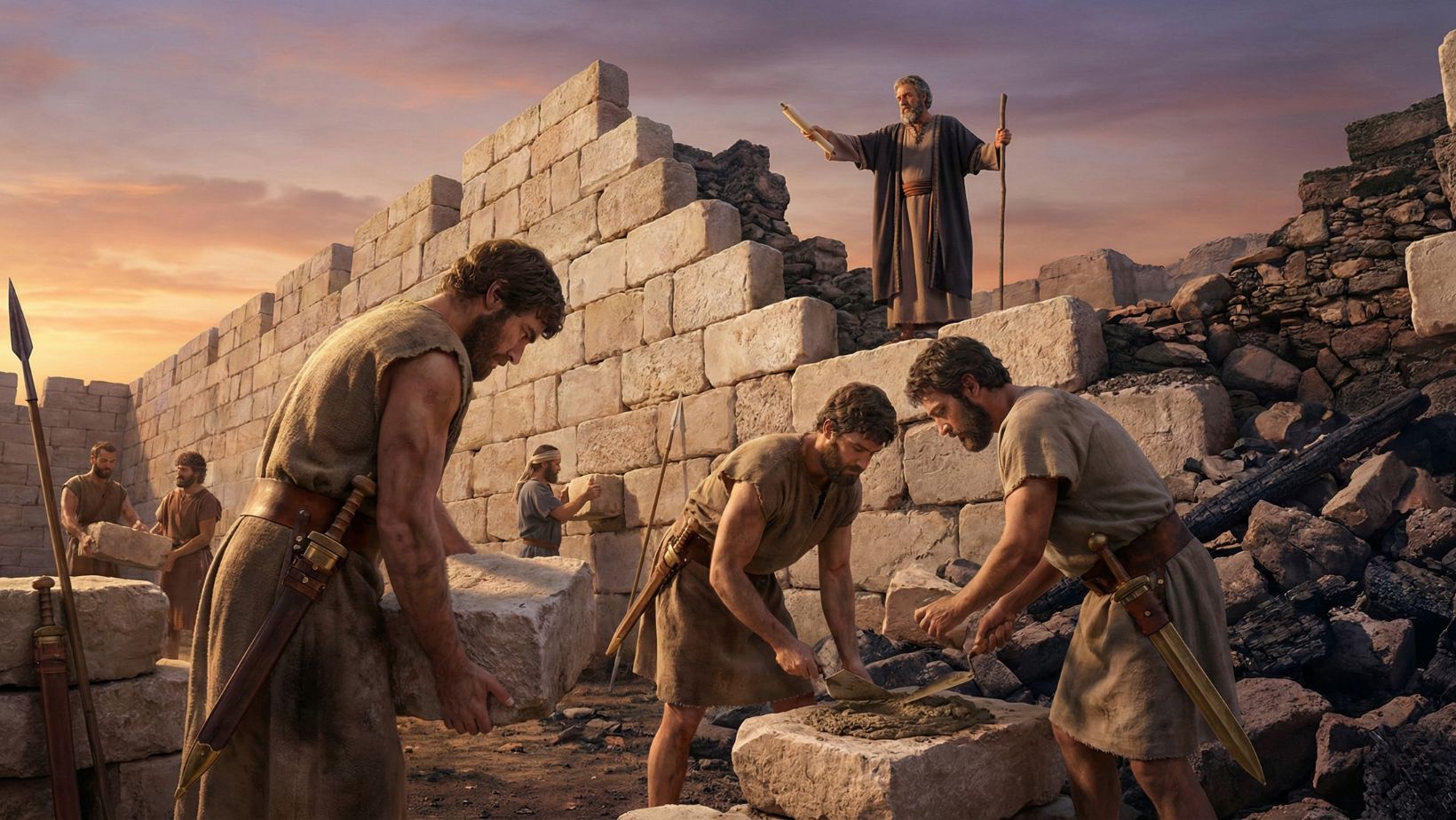
The Book of Nehemiah
Nehemiah recounts the dramatic and rapid rebuilding of Jerusalem’s walls under the leadership of a Persian cupbearer who combined deep prayer with shrewd administration to restore the city’s security and dignity.
Bible Characters

-
Jonathan
Jonathan was the valiant crown prince of Israel who chose loyalty to God’s anointed over his own ambition, becoming the Bible’s ultimate example of sacrificial friendship.
-
Michal
Michal was the daughter of King Saul who saved David’s life out of love but ultimately ended her life in barren isolation because she valued royal dignity over humble worship.
-
Abner
Abner was the powerful commander of Saul’s army who, after a long rivalry with David, sought to unite all Israel under David’s crown before being tragically assassinated by Joab.
Biblical Events

-
Jonathan
Jonathan was the valiant crown prince of Israel who chose loyalty to God’s anointed over his own ambition, becoming the Bible’s ultimate example of sacrificial friendship.
-
Michal
Michal was the daughter of King Saul who saved David’s life out of love but ultimately ended her life in barren isolation because she valued royal dignity over humble worship.
-
Abner
Abner was the powerful commander of Saul’s army who, after a long rivalry with David, sought to unite all Israel under David’s crown before being tragically assassinated by Joab.
Bible Locations

-
The City of David
The City of David is the ancient, fortified ridge where King David established his capital, serving as the historical seed from which Jerusalem grew and the spiritual center of the Israelite kingdom.
-
Mahanaim
Mahanaim, meaning “Two Camps,” was the historic fortress city east of the Jordan where Jacob met angels and where kings Ishbosheth and David found refuge during Israel’s greatest civil wars.
-
Jabesh-gilead
Jabesh-gilead was a city defined by a legacy of survival and fierce loyalty, best known for the valiant night raid to retrieve the bodies of King Saul and his sons from Philistine desecration.
