




Bible Books
Books of the Bible are the inspired writings that reveal God’s nature, His plan for humanity, and the story of redemption from Genesis to Revelation.
-
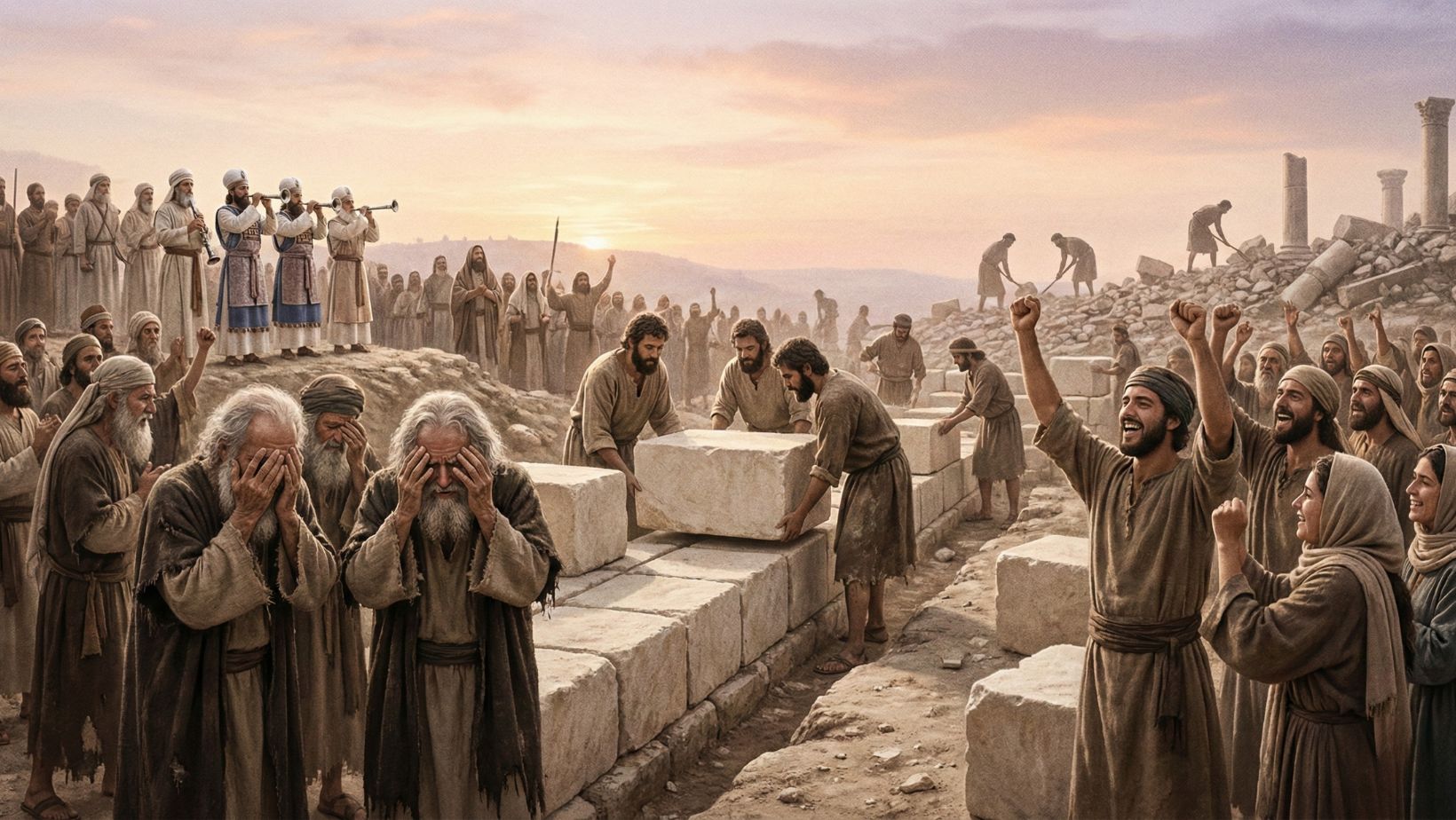
The Book of Ezra
Ezra chronicles the return of the Jewish exiles to Jerusalem, the rebuilding of the Second Temple amidst opposition, and the spiritual reformation of the community through the teaching of the Law.
-
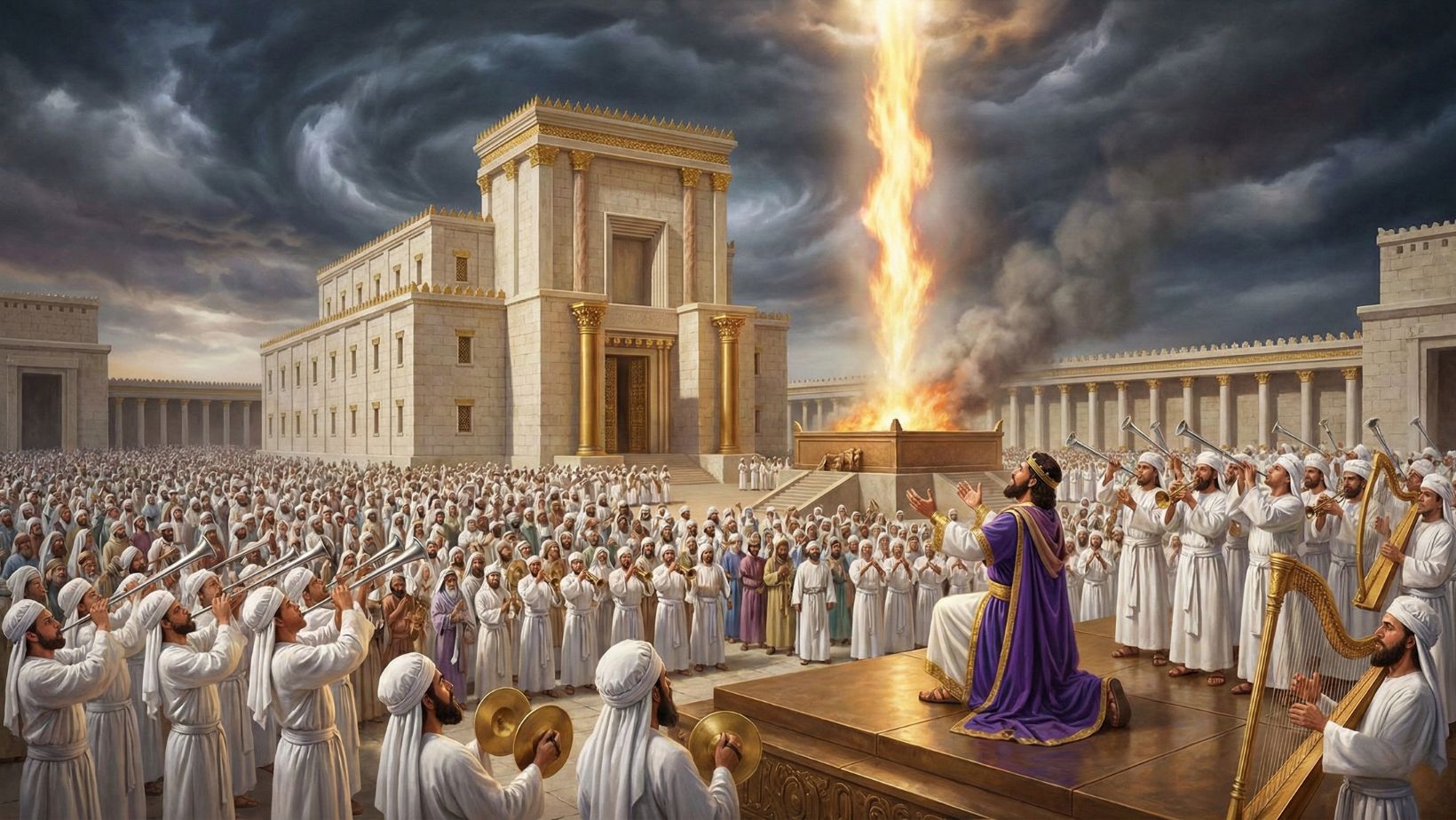
The Book of 2 Chronicles
2 Chronicles records the spiritual history of the kings of Judah, emphasizing that national success depends entirely on faithfulness to the Temple and the worship of God.
-

The Book of 1 Chronicles
1 Chronicles focuses on the spiritual heritage of Israel, specifically highlighting King David’s meticulous preparations for the Temple and his establishment of a lasting legacy of worship.
-
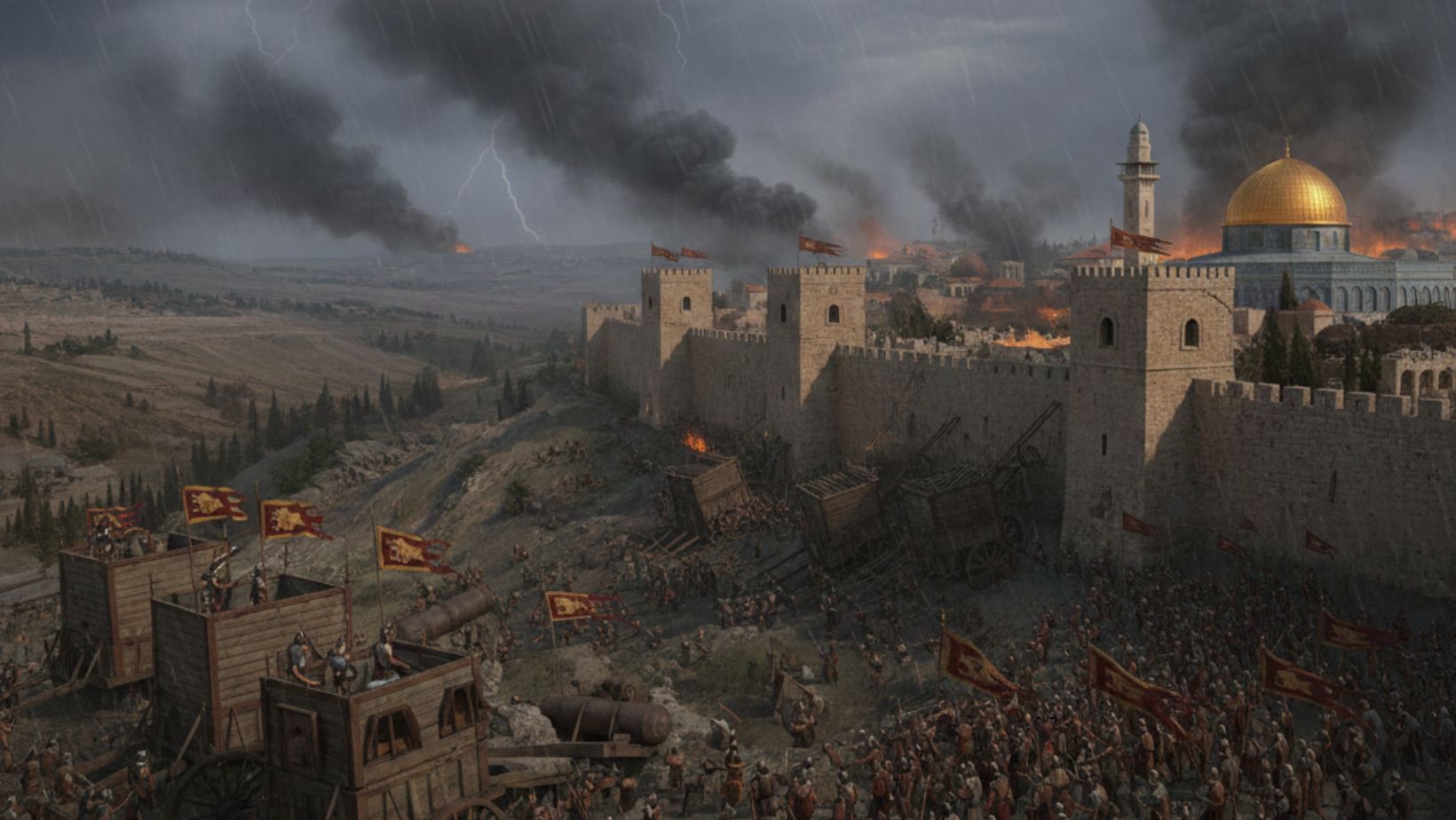
The Book of 2 Kings
2 Kings records the spiritual decline and eventual exile of both Israel and Judah, highlighted by the miracles of Elisha and the final destruction of Solomon’s Temple.
-
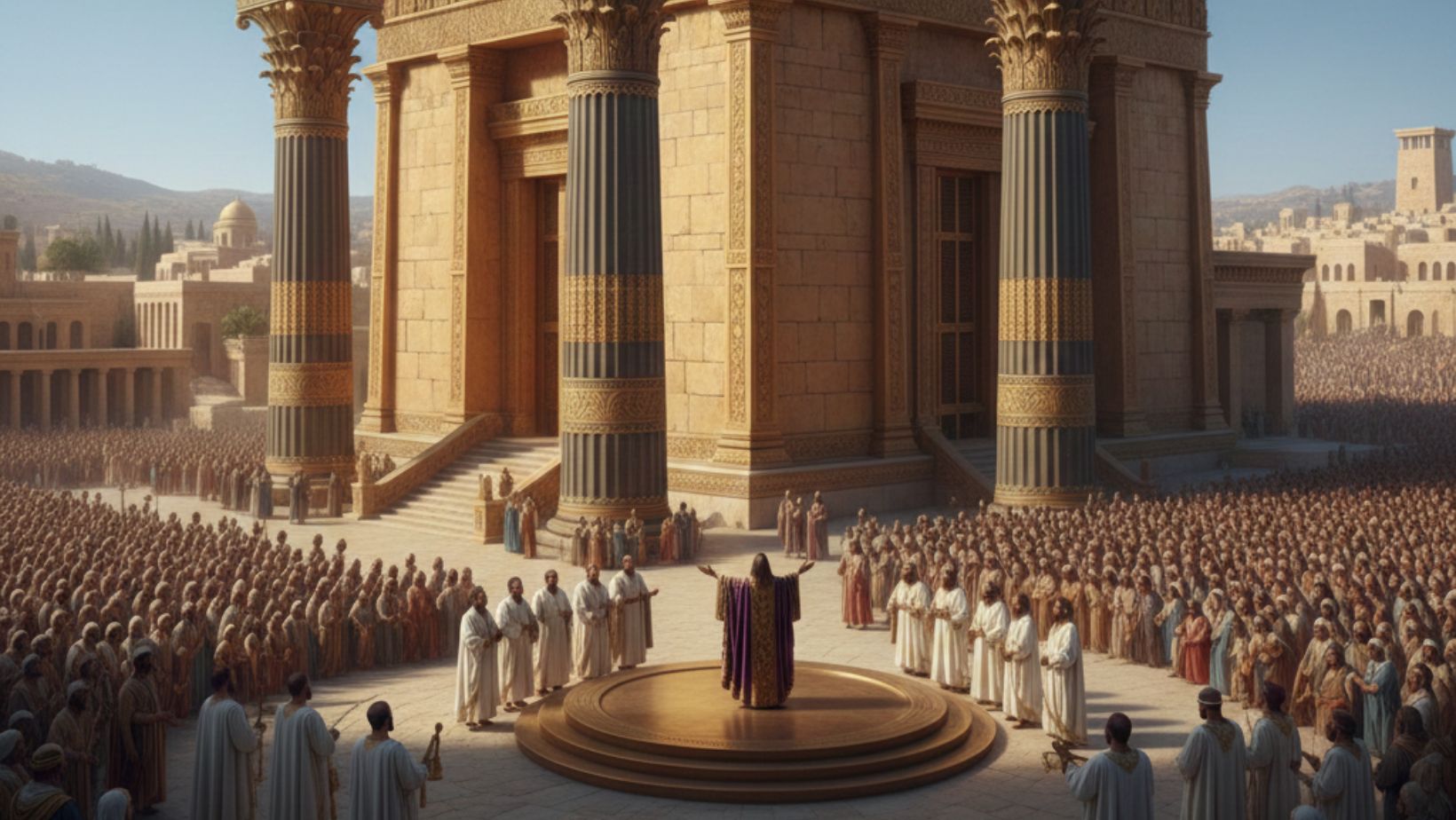
The Book of 1 Kings
1 Kings traces the rise of Solomon’s glorious empire and the construction of the Temple, followed by the tragic division of the kingdom and the emergence of the prophet Elijah to combat rising idolatry.
-
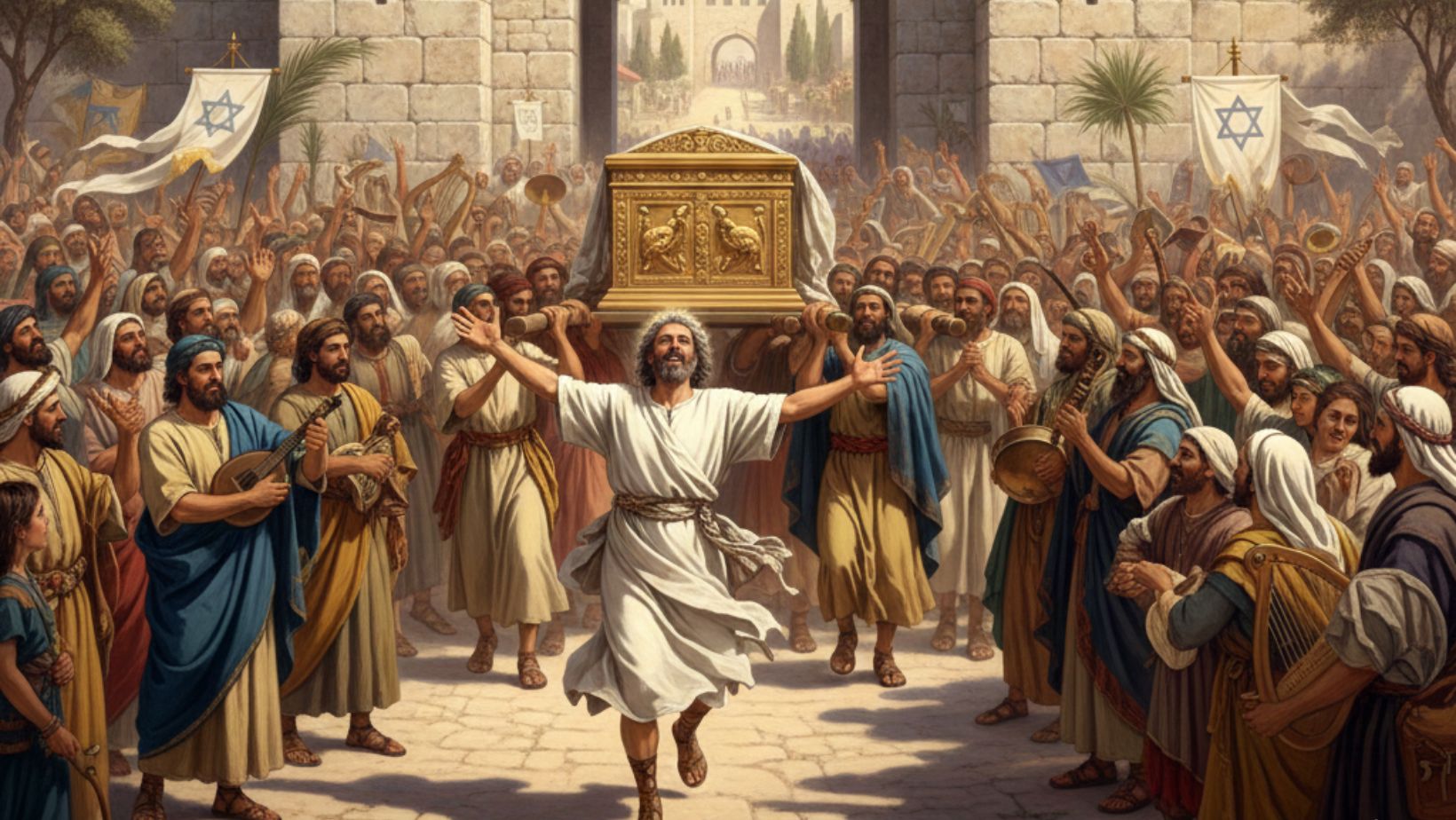
The Book of 2 Samuel
2 Samuel chronicles the reign of King David, highlighting his military triumphs, the divine promise of an eternal dynasty, and the profound personal consequences of his moral failures.
-
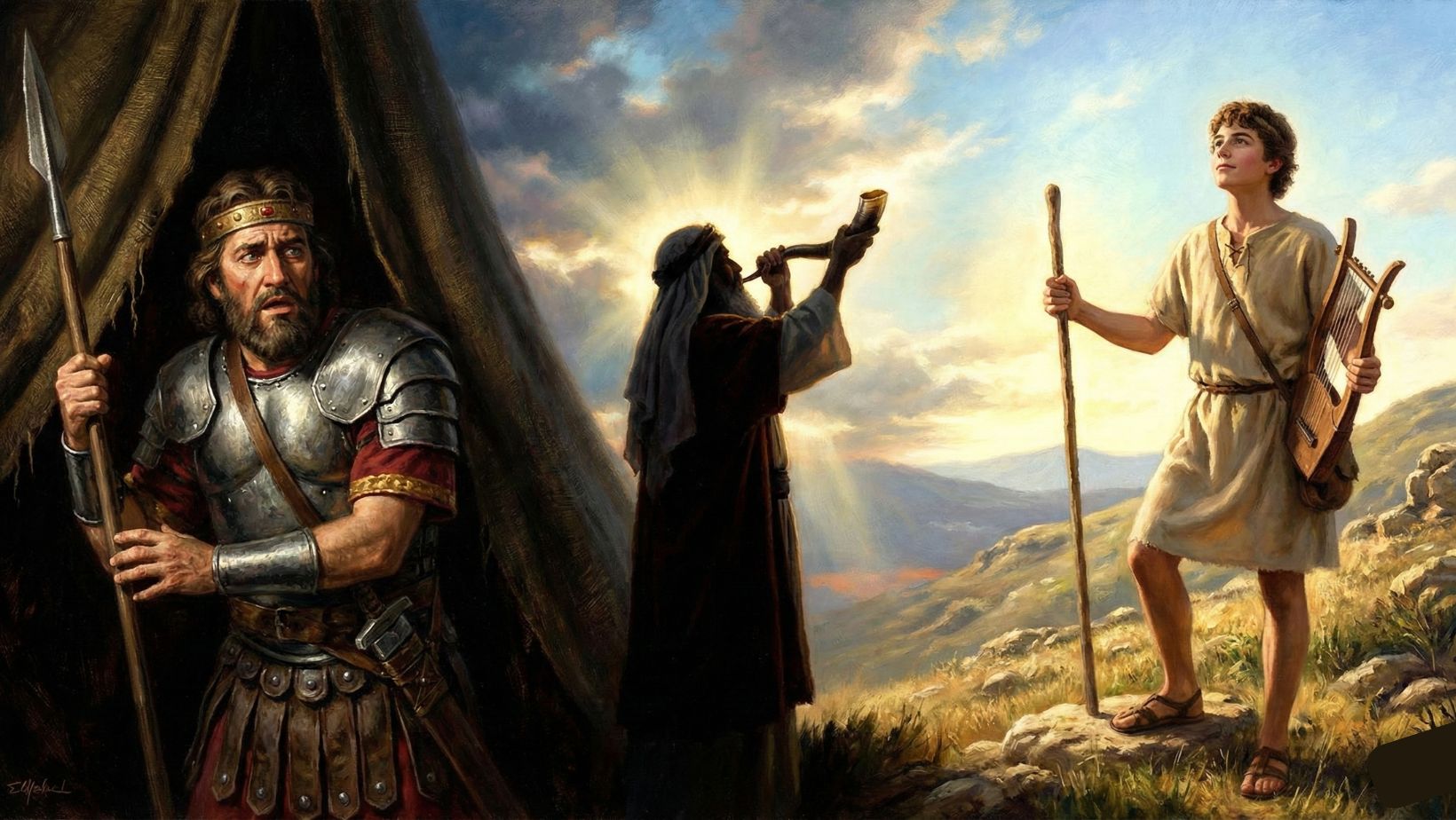
The Book of 1 Samuel
First Samuel is a dramatic historical narrative detailing Israel’s turbulent transition from a theocracy to a monarchy, contrasting the tragic failure of King Saul with the rising faith of King David.
-

The Book of Ruth
The Book of Ruth is a beautiful narrative of loyalty and redemption, showing how God used a faithful Gentile widow and a noble Israelite man to preserve the lineage that would lead to King David and Jesus Christ.
-
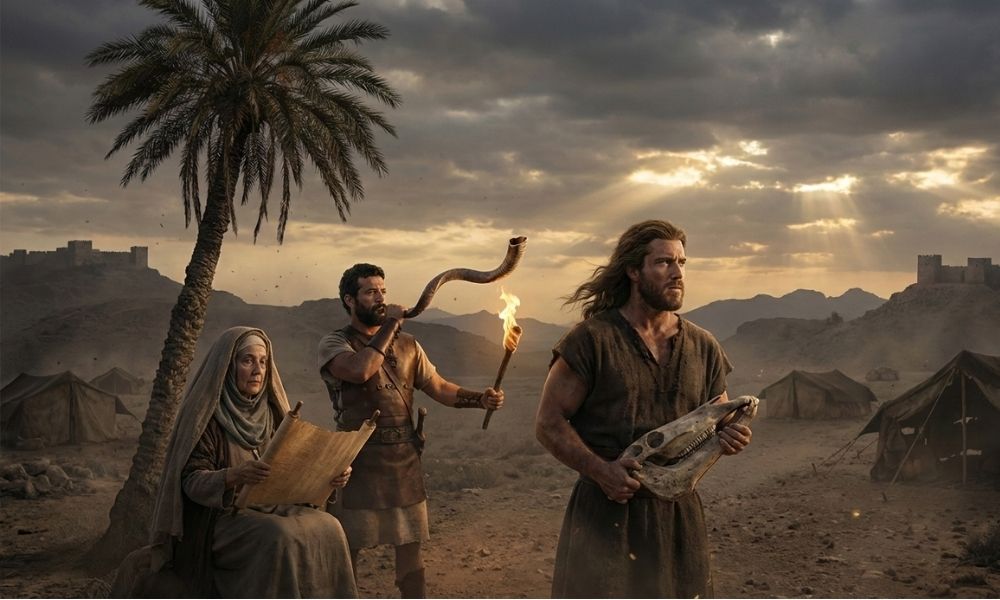
The Book of Judges
Judges tells the story of Israel’s repeated rebellion and God’s faithful deliverance through Spirit-empowered leaders.
-
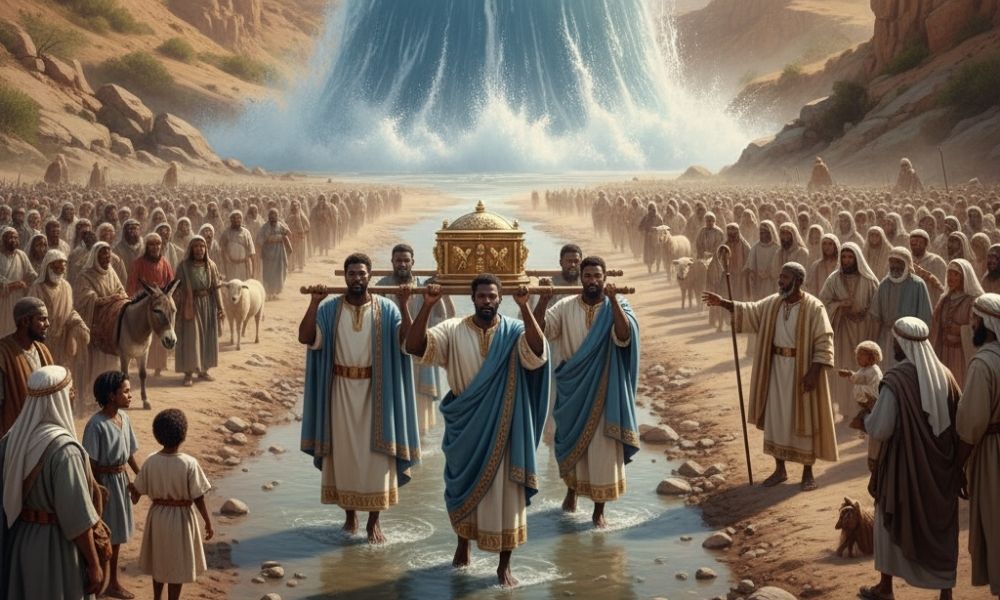
The Book of Joshua
The Book of Joshua recounts how Israel, guided by God and led by Joshua, entered the Promised Land and established a nation through courage, obedience, and covenant faithfulness.
Bible Characters

-
Jonathan
Jonathan was the valiant crown prince of Israel who chose loyalty to God’s anointed over his own ambition, becoming the Bible’s ultimate example of sacrificial friendship.
-
Michal
Michal was the daughter of King Saul who saved David’s life out of love but ultimately ended her life in barren isolation because she valued royal dignity over humble worship.
-
Abner
Abner was the powerful commander of Saul’s army who, after a long rivalry with David, sought to unite all Israel under David’s crown before being tragically assassinated by Joab.
Biblical Events

-
Jonathan
Jonathan was the valiant crown prince of Israel who chose loyalty to God’s anointed over his own ambition, becoming the Bible’s ultimate example of sacrificial friendship.
-
Michal
Michal was the daughter of King Saul who saved David’s life out of love but ultimately ended her life in barren isolation because she valued royal dignity over humble worship.
-
Abner
Abner was the powerful commander of Saul’s army who, after a long rivalry with David, sought to unite all Israel under David’s crown before being tragically assassinated by Joab.
Bible Locations

-
The City of David
The City of David is the ancient, fortified ridge where King David established his capital, serving as the historical seed from which Jerusalem grew and the spiritual center of the Israelite kingdom.
-
Mahanaim
Mahanaim, meaning “Two Camps,” was the historic fortress city east of the Jordan where Jacob met angels and where kings Ishbosheth and David found refuge during Israel’s greatest civil wars.
-
Jabesh-gilead
Jabesh-gilead was a city defined by a legacy of survival and fierce loyalty, best known for the valiant night raid to retrieve the bodies of King Saul and his sons from Philistine desecration.
