

Bible Characters
Characters highlight the people through whom God’s story unfolds—showing faith, failure, courage, and redemption that reveal timeless lessons for life and belief.
-
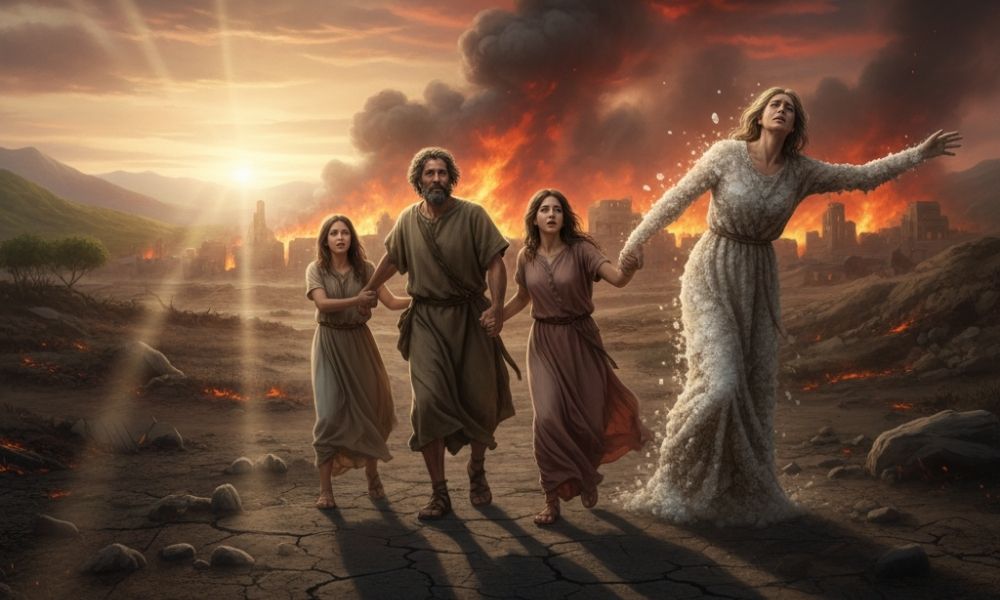
Lot
Lot was Abraham’s nephew who lived in Sodom; though rescued by God’s mercy from its destruction, his story stands as both a warning and a testament to divine compassion.
-
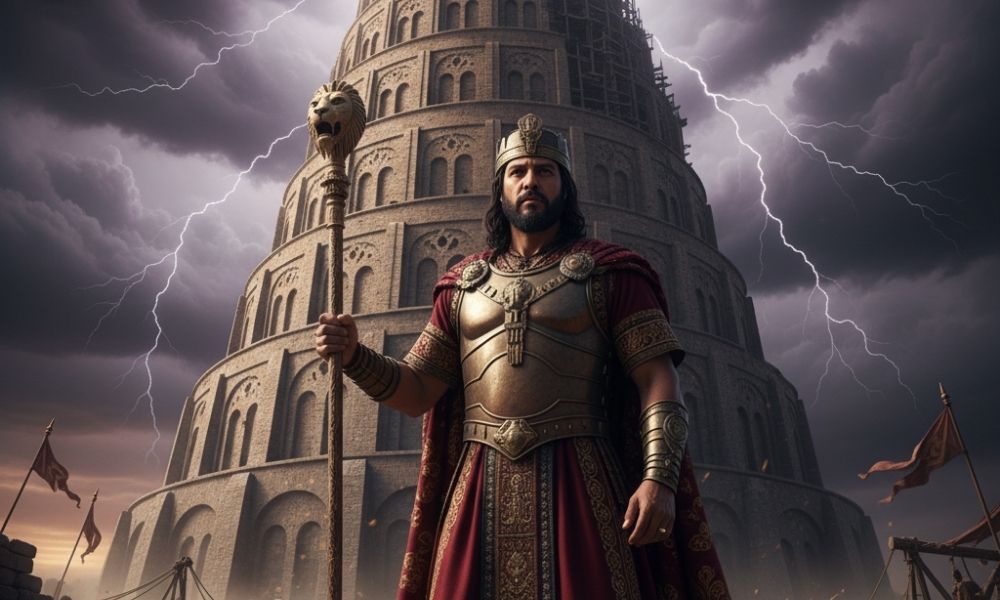
Nimrod
Nimrod, the great-grandson of Noah, was a mighty but rebellious ruler who founded Babel and led humanity in defiance of God, becoming a symbol of pride, idolatry, and worldly power.
-

Japheth
Japheth, the son of Noah, was blessed for honoring his father. His descendants spread across many nations, and his blessing foreshadows the inclusion of all peoples in God’s covenant through Christ.
-
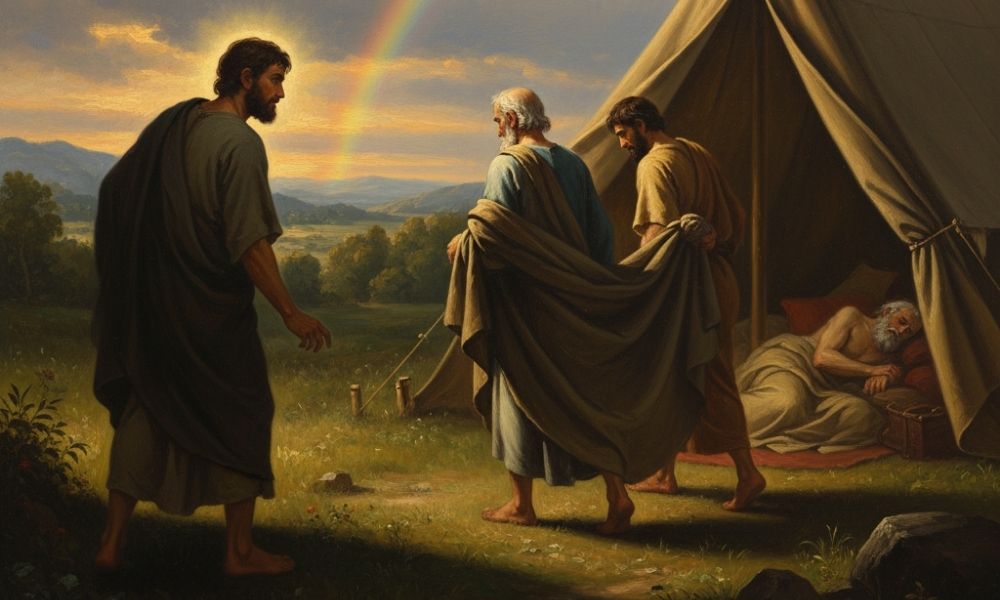
Ham
Ham, the son of Noah, disrespected his father and brought a curse upon his son Canaan, becoming a symbol of dishonor whose descendants often opposed God’s people.
-
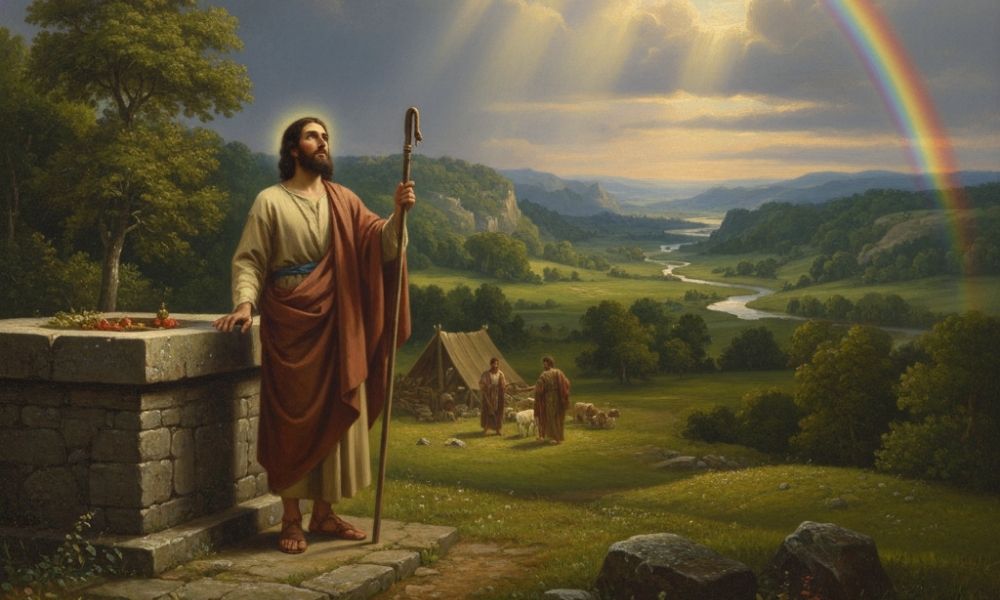
Shem
Shem, the blessed son of Noah, was the ancestor of Abraham and the Hebrews, through whom God preserved His covenant promise leading to Jesus Christ.
-
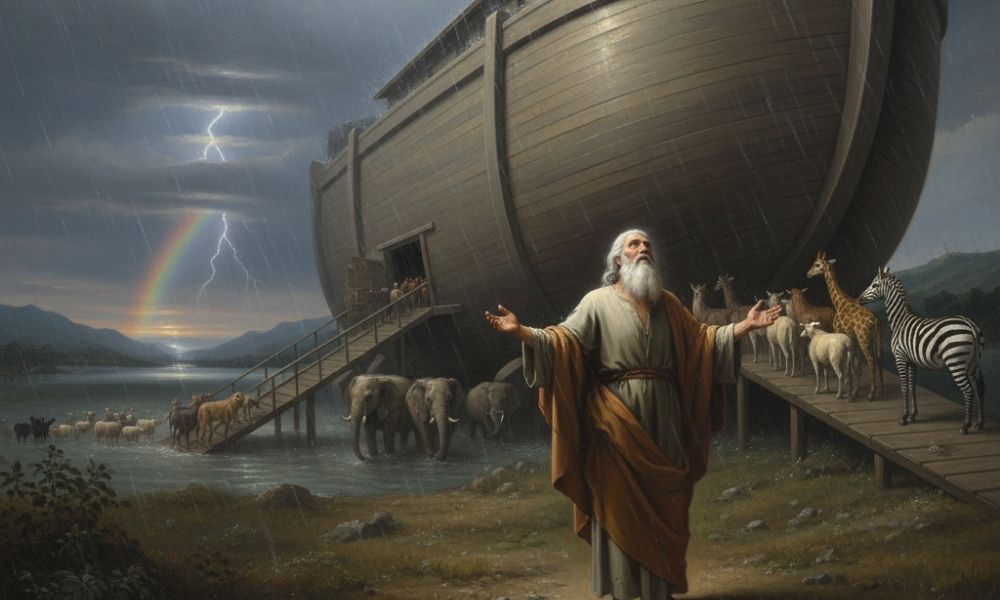
Noah
Noah was a righteous man chosen by God to build the Ark and preserve life through the Flood. His faith, obedience, and covenant with God made him a symbol of divine salvation and renewal.
-
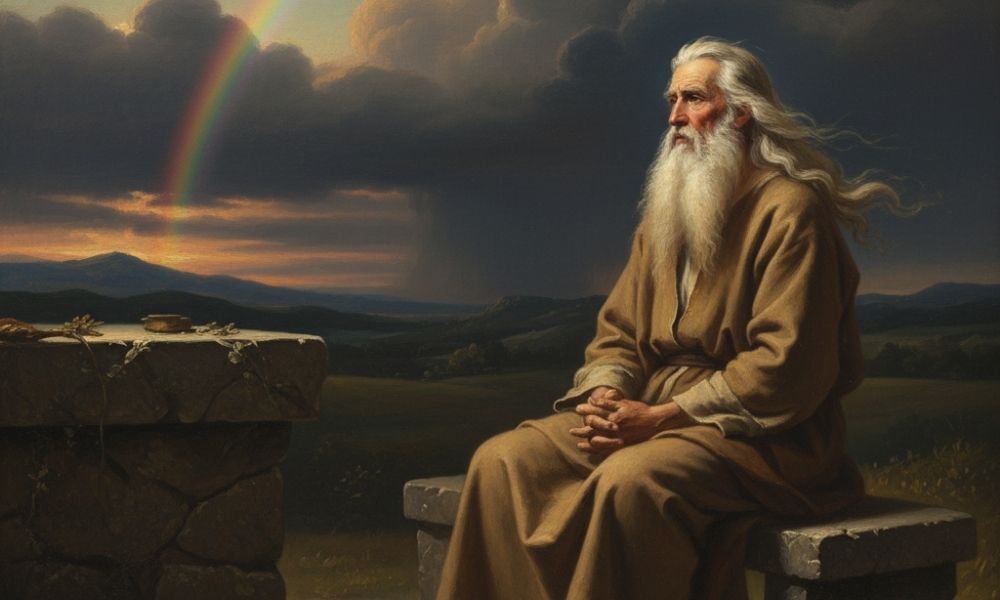
Methuselah
Methuselah, the son of Enoch and grandfather of Noah, lived 969 years — the longest recorded lifespan in the Bible. His name and life symbolized God’s great patience before the judgment of the Flood.
-
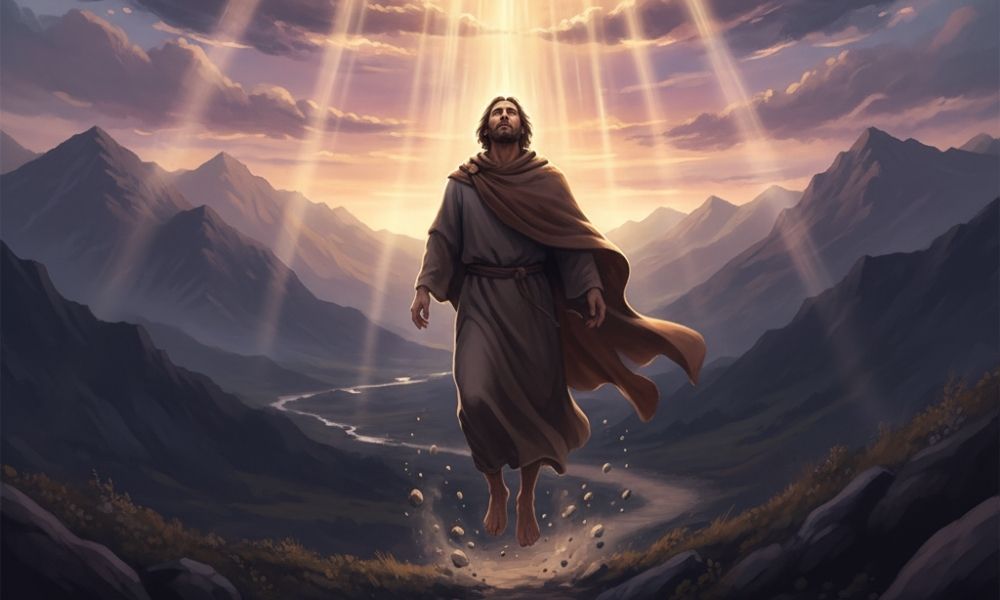
Enoch
Enoch was a righteous man who “walked with God” so closely that God took him to heaven without death — a model of faith, holiness, and eternal hope.
-

Seth
Seth was the righteous son of Adam and Eve, appointed by God to continue the godly lineage after Abel’s death — the ancestor of Noah, and ultimately of Jesus Christ.
-
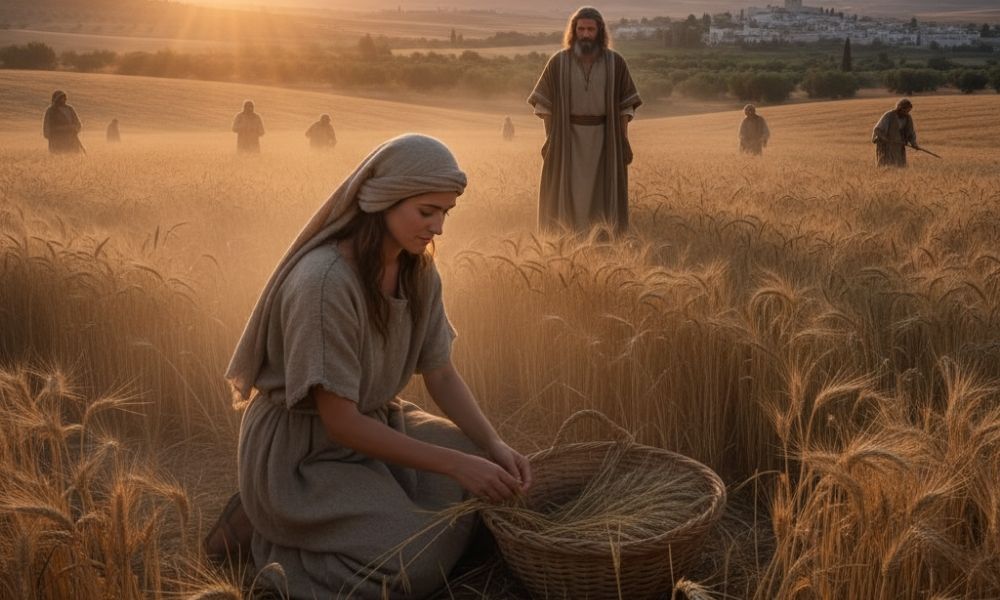
Ruth
Ruth was a faithful Moabite woman whose loyalty to Naomi and faith in God led her to become the great-grandmother of King David and an ancestor of Jesus Christ.
Bible Characters

-
Jonathan
Jonathan was the valiant crown prince of Israel who chose loyalty to God’s anointed over his own ambition, becoming the Bible’s ultimate example of sacrificial friendship.
-
Michal
Michal was the daughter of King Saul who saved David’s life out of love but ultimately ended her life in barren isolation because she valued royal dignity over humble worship.
-
Abner
Abner was the powerful commander of Saul’s army who, after a long rivalry with David, sought to unite all Israel under David’s crown before being tragically assassinated by Joab.
Biblical Events

-
Jonathan
Jonathan was the valiant crown prince of Israel who chose loyalty to God’s anointed over his own ambition, becoming the Bible’s ultimate example of sacrificial friendship.
-
Michal
Michal was the daughter of King Saul who saved David’s life out of love but ultimately ended her life in barren isolation because she valued royal dignity over humble worship.
-
Abner
Abner was the powerful commander of Saul’s army who, after a long rivalry with David, sought to unite all Israel under David’s crown before being tragically assassinated by Joab.
Bible Locations

-
The City of David
The City of David is the ancient, fortified ridge where King David established his capital, serving as the historical seed from which Jerusalem grew and the spiritual center of the Israelite kingdom.
-
Mahanaim
Mahanaim, meaning “Two Camps,” was the historic fortress city east of the Jordan where Jacob met angels and where kings Ishbosheth and David found refuge during Israel’s greatest civil wars.
-
Jabesh-gilead
Jabesh-gilead was a city defined by a legacy of survival and fierce loyalty, best known for the valiant night raid to retrieve the bodies of King Saul and his sons from Philistine desecration.
