

Bible Commentary
Commentary provides insight and explanation of biblical passages, helping readers understand historical context, divine meaning, and practical application for daily life.
-

Genesis 16
Impatient with God’s timing, Sarai and Abram scheme to produce an heir through Hagar, leading to family conflict and Hagar’s flight, where she encounters the Angel of the Lord who comforts her as the “God who sees.”
-
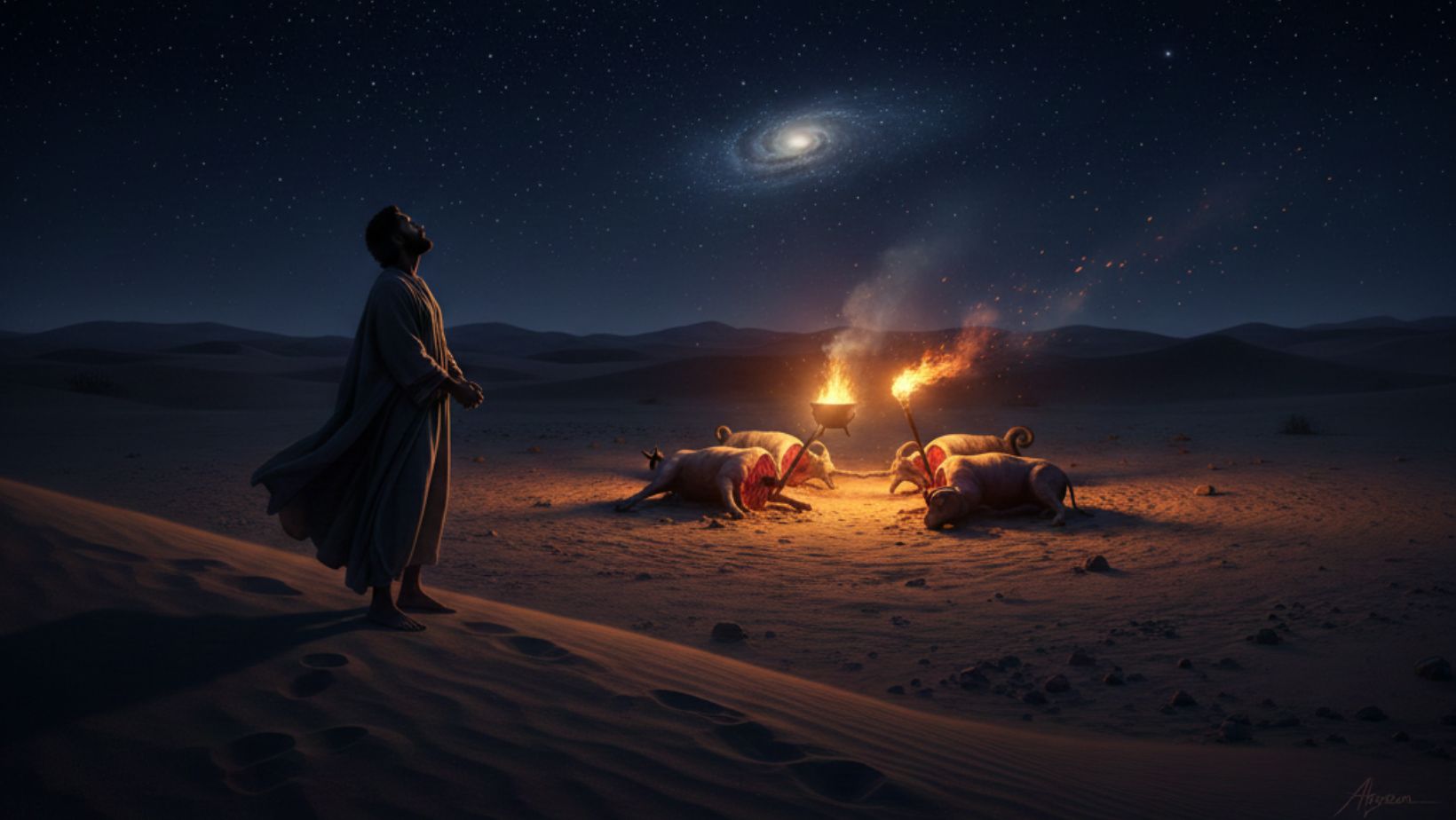
Genesis 15
In a dramatic night vision, God reassures a childless Abram of a biological heir, counts his faith as righteousness, and formally ratifies the land promise by passing alone through severed sacrifices as a smoking firepot.
-
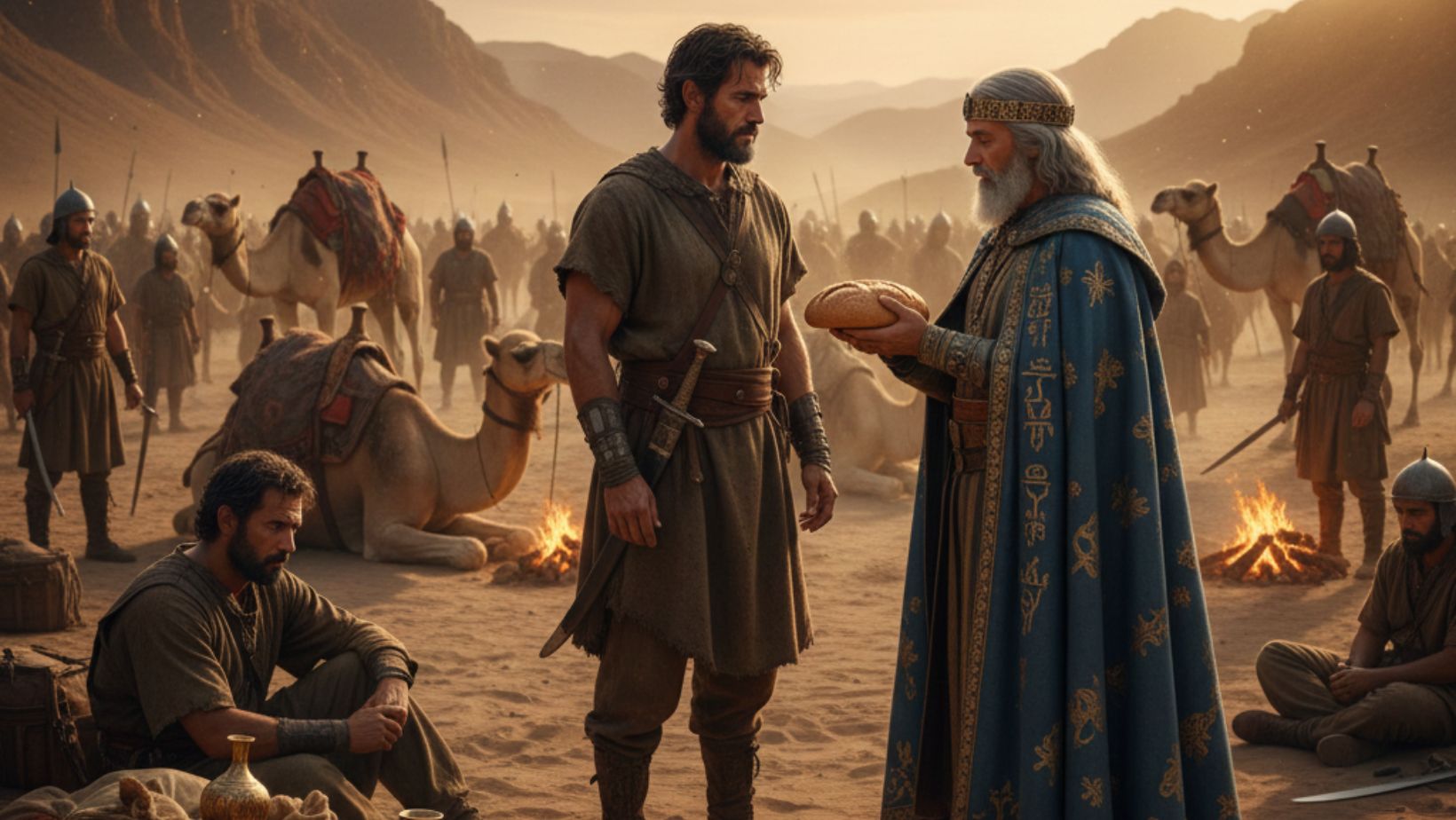
Genesis 14
Abram leads a daring rescue mission to save his nephew Lot from a coalition of invading kings, after which he is blessed by the mysterious priest-king Melchizedek and refuses the spoils offered by the King of Sodom.
-
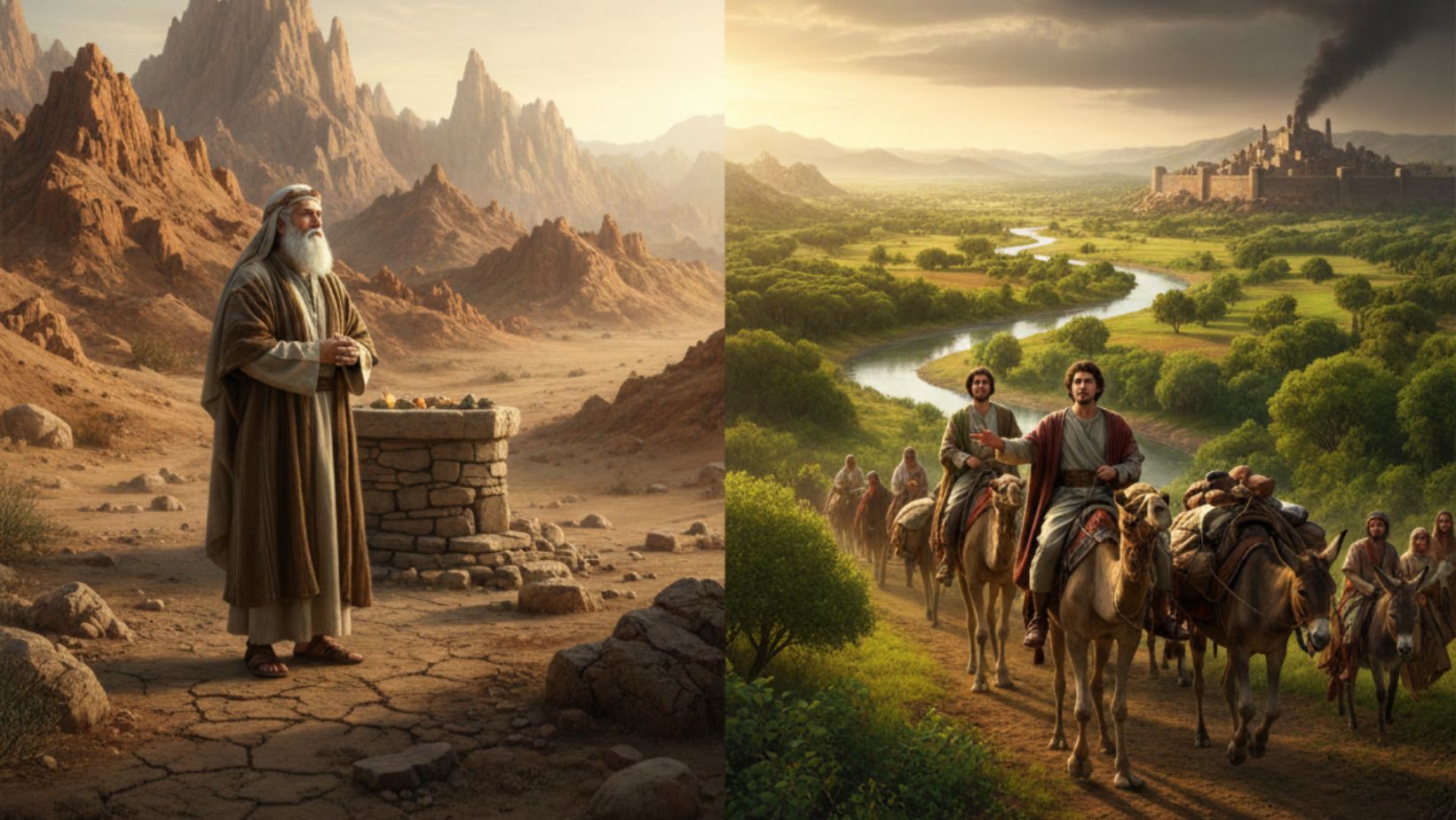
Genesis 13
After returning from Egypt, Abram and Lot separate due to their immense wealth; Lot chooses the lush Jordan plain near wicked Sodom based on sight, while Abram unselfishly accepts the hill country, prompting God to reaffirm and expand the land promise to him.
-
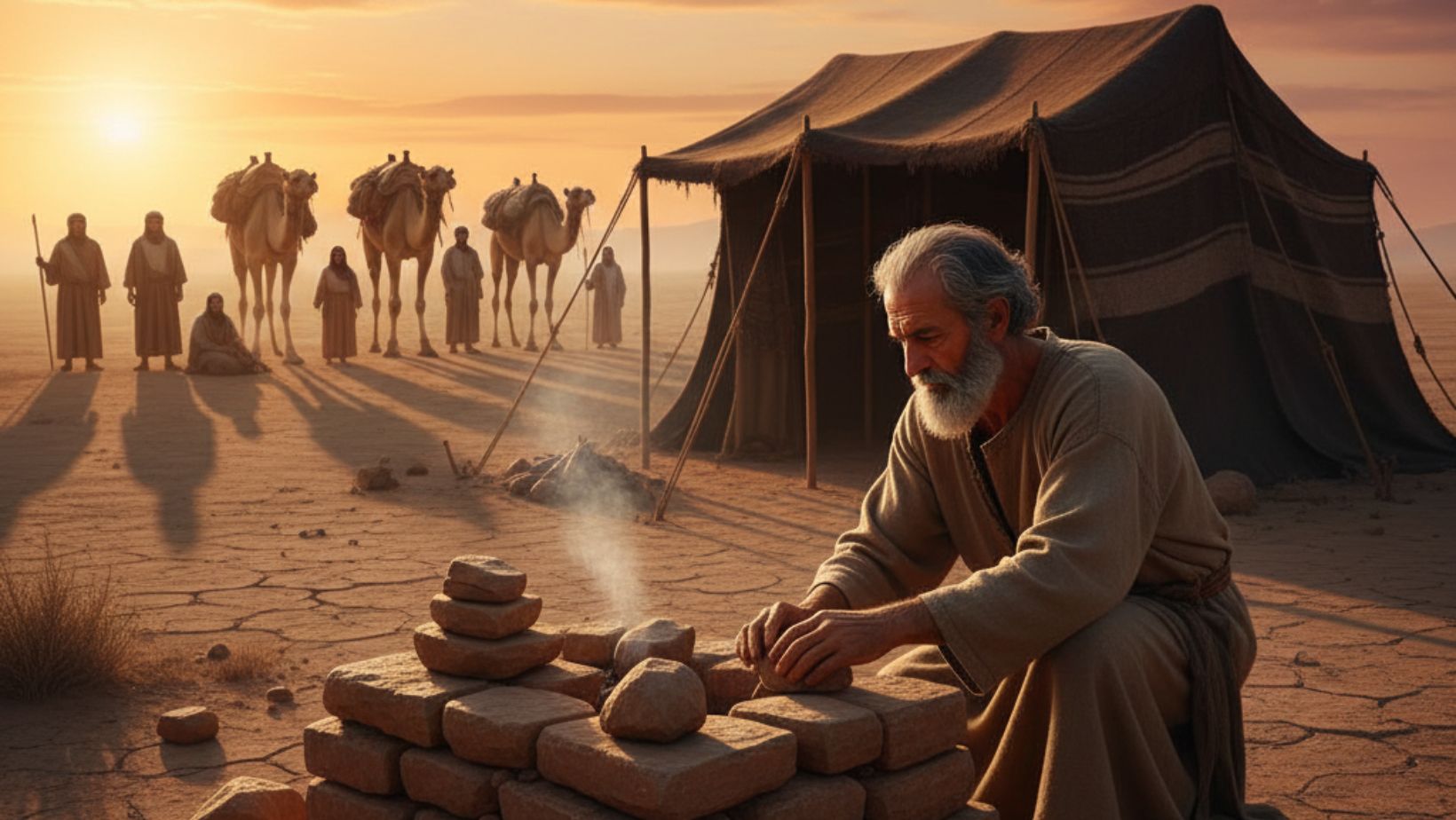
Genesis 12
God calls Abram to leave his home for a promised land, establishing a covenant to bless all nations through him; Abram obeys but later stumbles in faith during a famine in Egypt, requiring God’s intervention to save the promise.
-
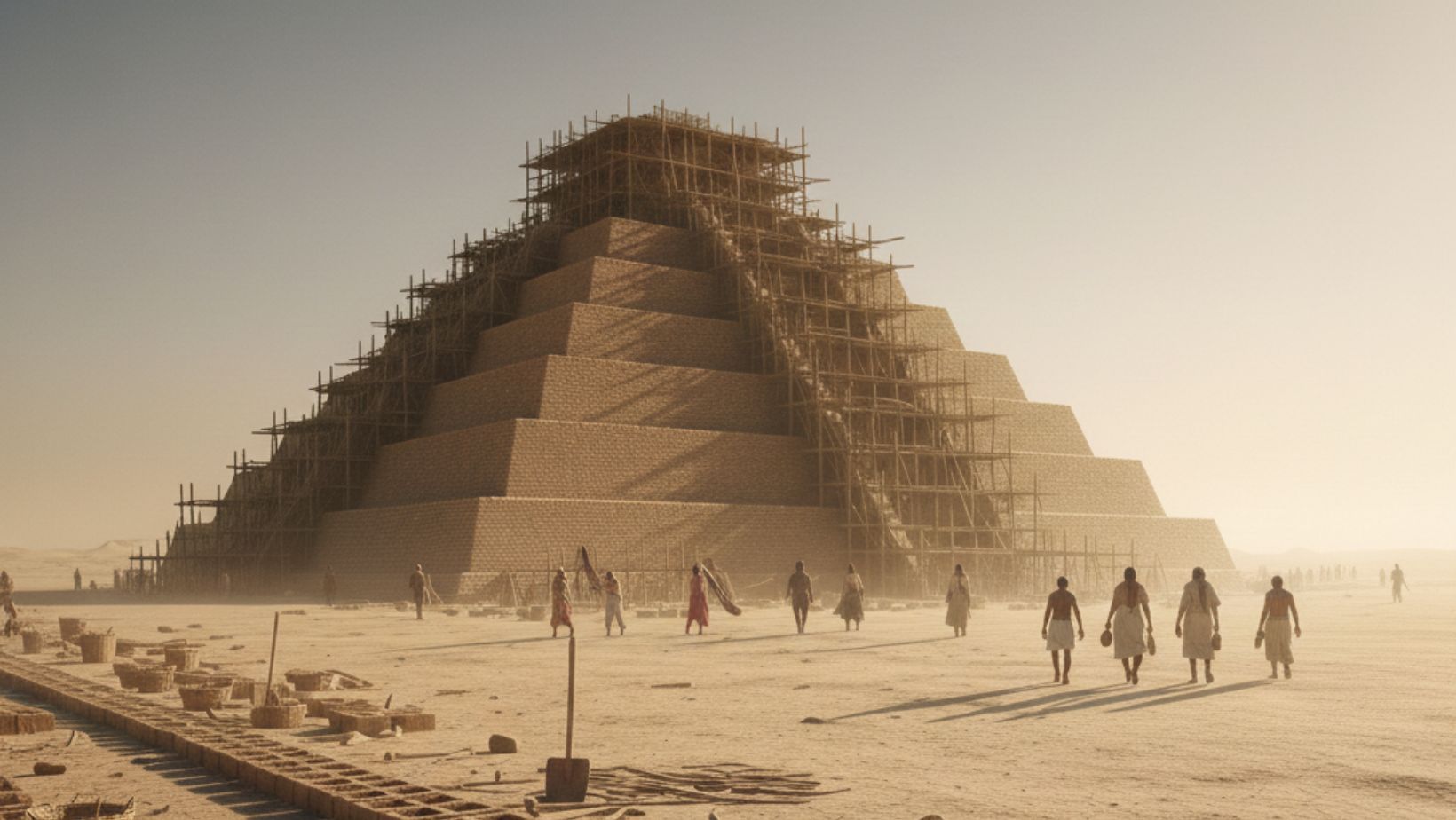
Genesis 11
After humanity rebelliously attempts to build a tower to heaven to make a name for themselves, God judges them by confusing their languages and scattering them, setting the stage for His redemptive plan through the family of Shem and the call of Abram.
-
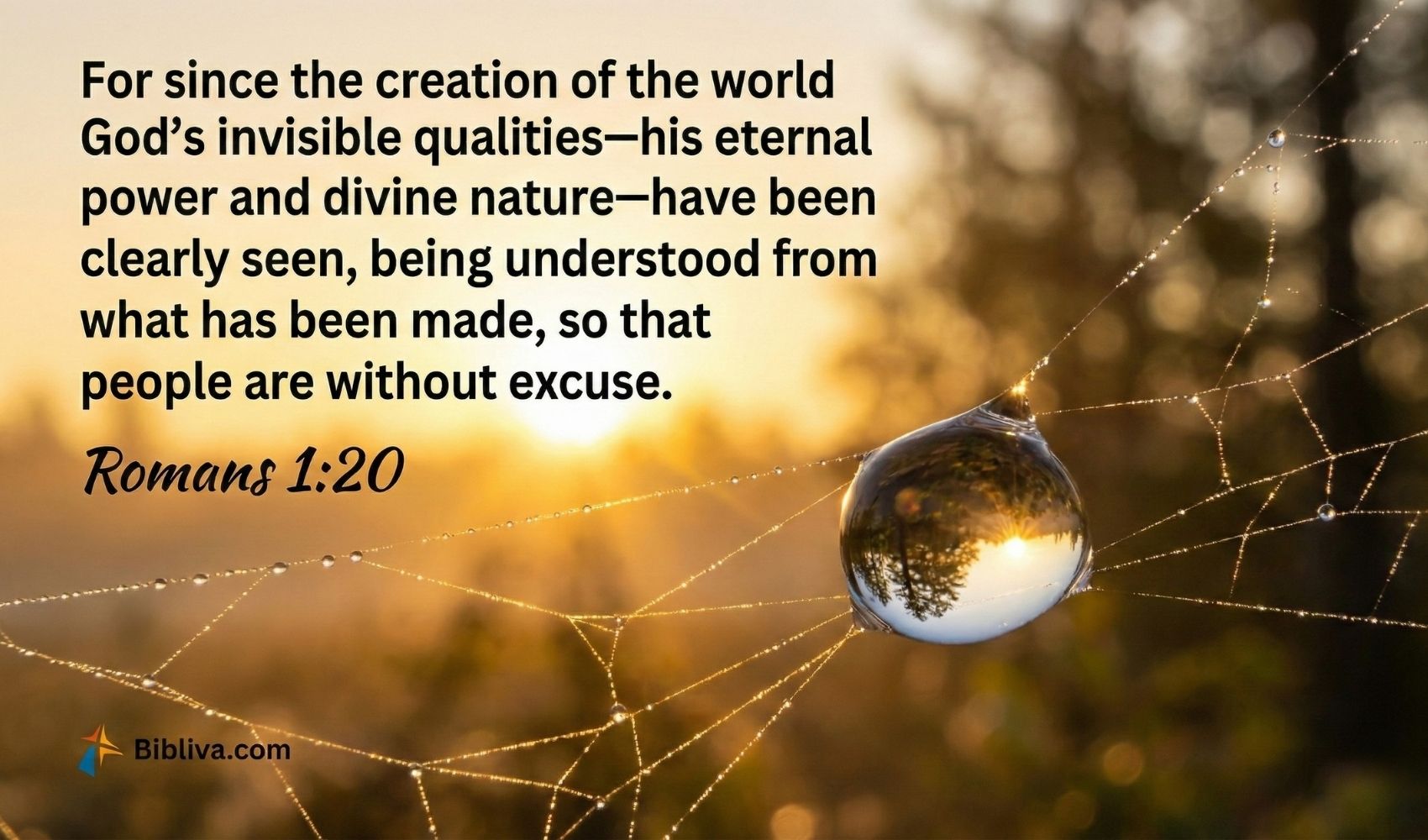
Romans 1:20
“For ever since the world was created, people have seen the earth and sky. Through everything God made, they can clearly see his invisible qualities—his eternal power and divine nature. So they have no excuse for not knowing God.”
-
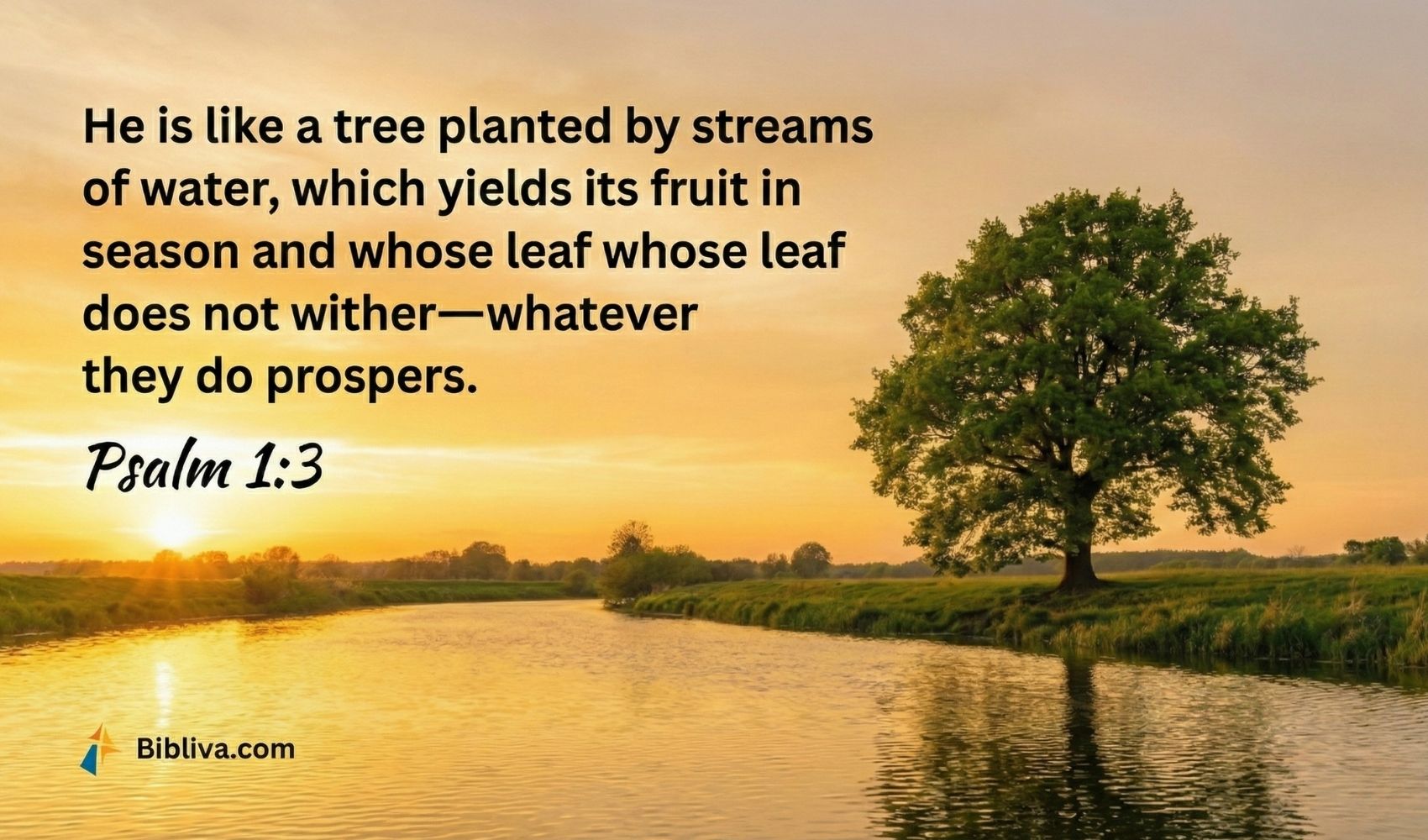
Psalm 1:3
“They are like trees planted along the riverbank, bearing fruit each season. Their leaves never wither, and they prosper in all they do.”
-
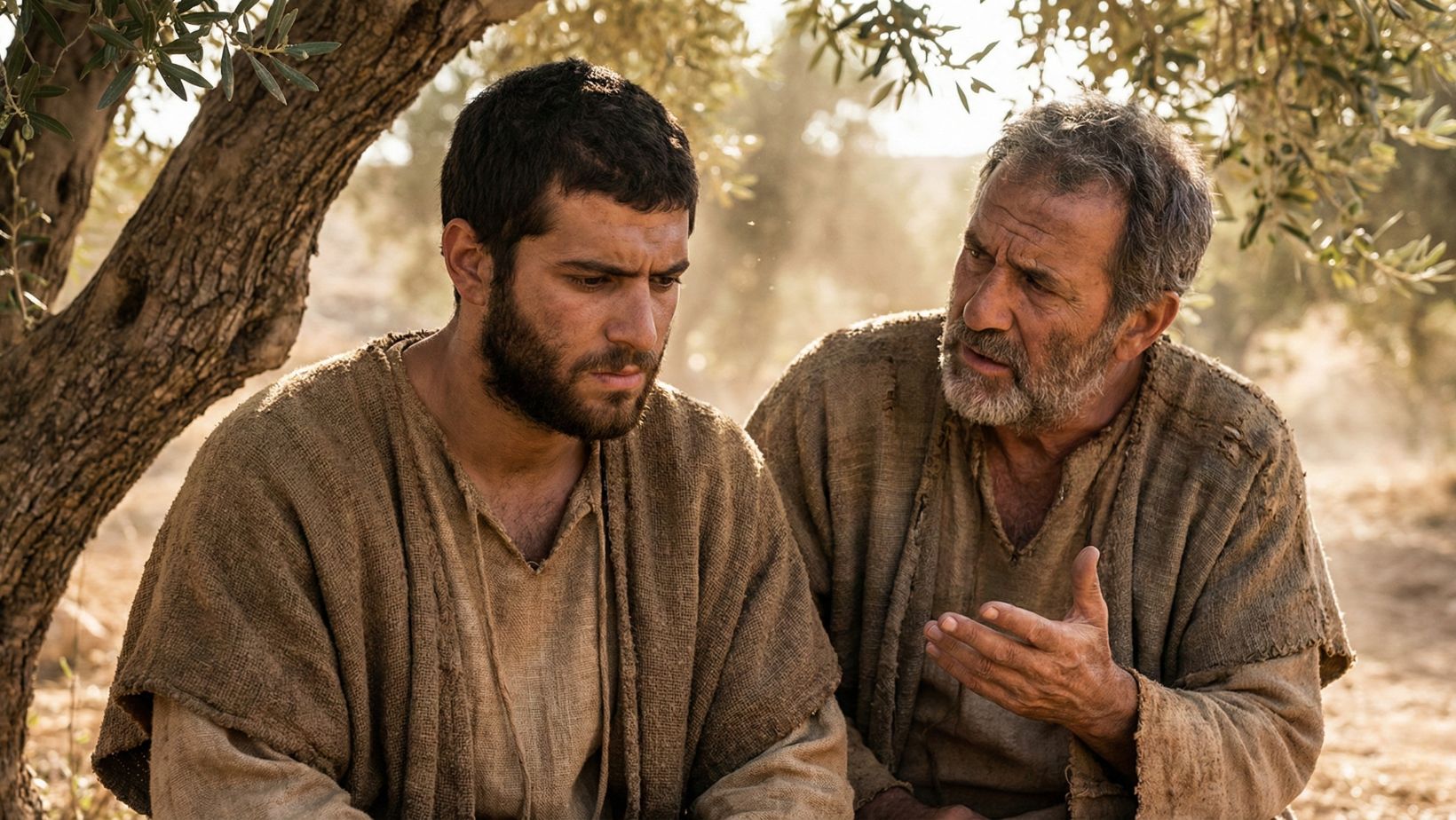
1 Samuel 10:16
“We found the donkeys,” Saul replied. “But Saul didn’t tell his uncle that Samuel had anointed him to be king.”
-
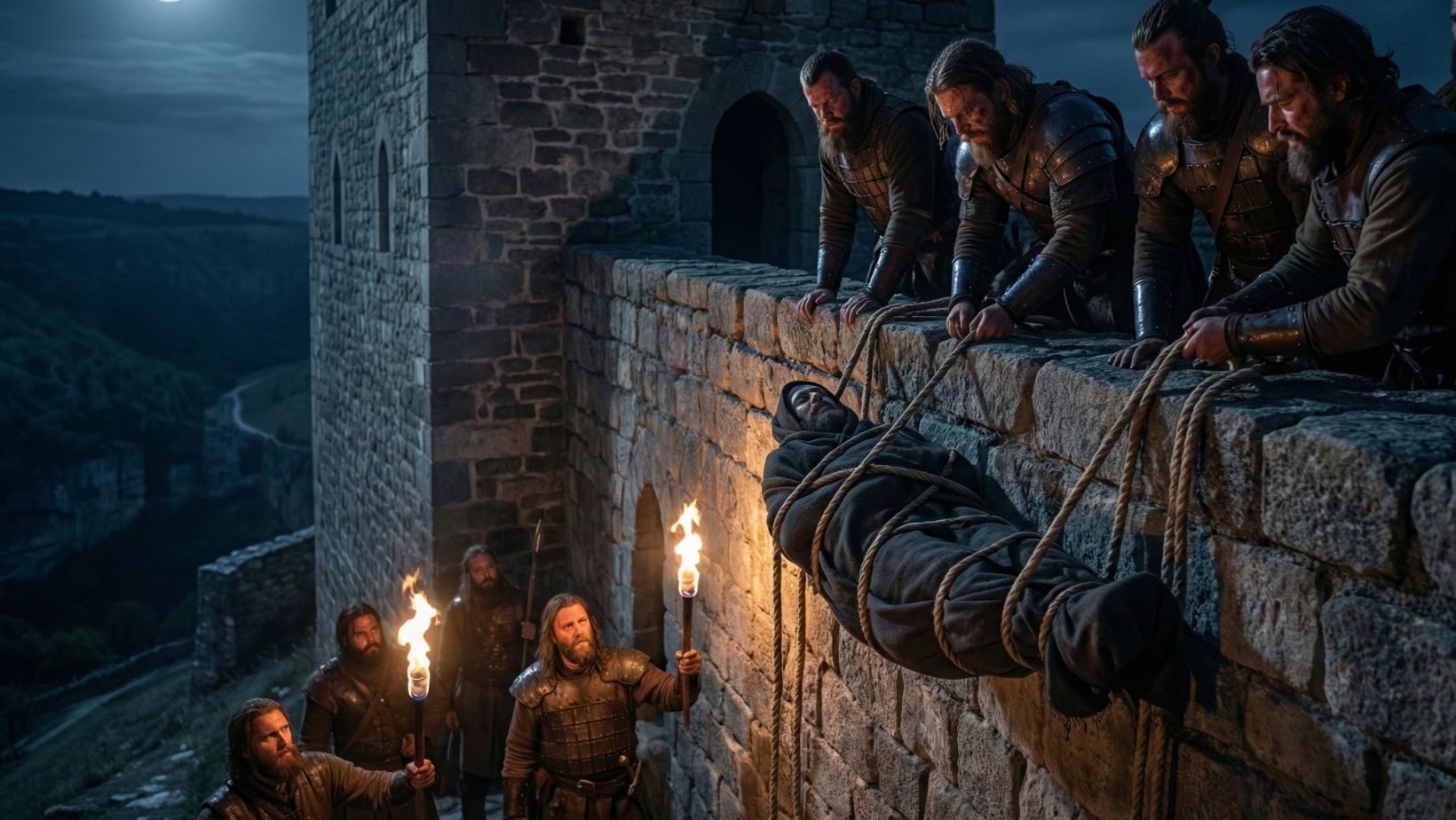
1 Samuel 31
Fulfilling Samuel’s prophecy, King Saul and his sons die in a crushing defeat against the Philistines at Mount Gilboa, ending his tragic reign in suicide and disgrace until the men of Jabesh-gilead recover their bodies.
Bible Characters

-
Jonathan
Jonathan was the valiant crown prince of Israel who chose loyalty to God’s anointed over his own ambition, becoming the Bible’s ultimate example of sacrificial friendship.
-
Michal
Michal was the daughter of King Saul who saved David’s life out of love but ultimately ended her life in barren isolation because she valued royal dignity over humble worship.
-
Abner
Abner was the powerful commander of Saul’s army who, after a long rivalry with David, sought to unite all Israel under David’s crown before being tragically assassinated by Joab.
Biblical Events

-
Jonathan
Jonathan was the valiant crown prince of Israel who chose loyalty to God’s anointed over his own ambition, becoming the Bible’s ultimate example of sacrificial friendship.
-
Michal
Michal was the daughter of King Saul who saved David’s life out of love but ultimately ended her life in barren isolation because she valued royal dignity over humble worship.
-
Abner
Abner was the powerful commander of Saul’s army who, after a long rivalry with David, sought to unite all Israel under David’s crown before being tragically assassinated by Joab.
Bible Locations

-
The City of David
The City of David is the ancient, fortified ridge where King David established his capital, serving as the historical seed from which Jerusalem grew and the spiritual center of the Israelite kingdom.
-
Mahanaim
Mahanaim, meaning “Two Camps,” was the historic fortress city east of the Jordan where Jacob met angels and where kings Ishbosheth and David found refuge during Israel’s greatest civil wars.
-
Jabesh-gilead
Jabesh-gilead was a city defined by a legacy of survival and fierce loyalty, best known for the valiant night raid to retrieve the bodies of King Saul and his sons from Philistine desecration.
