

Bible Commentary
Commentary provides insight and explanation of biblical passages, helping readers understand historical context, divine meaning, and practical application for daily life.
-
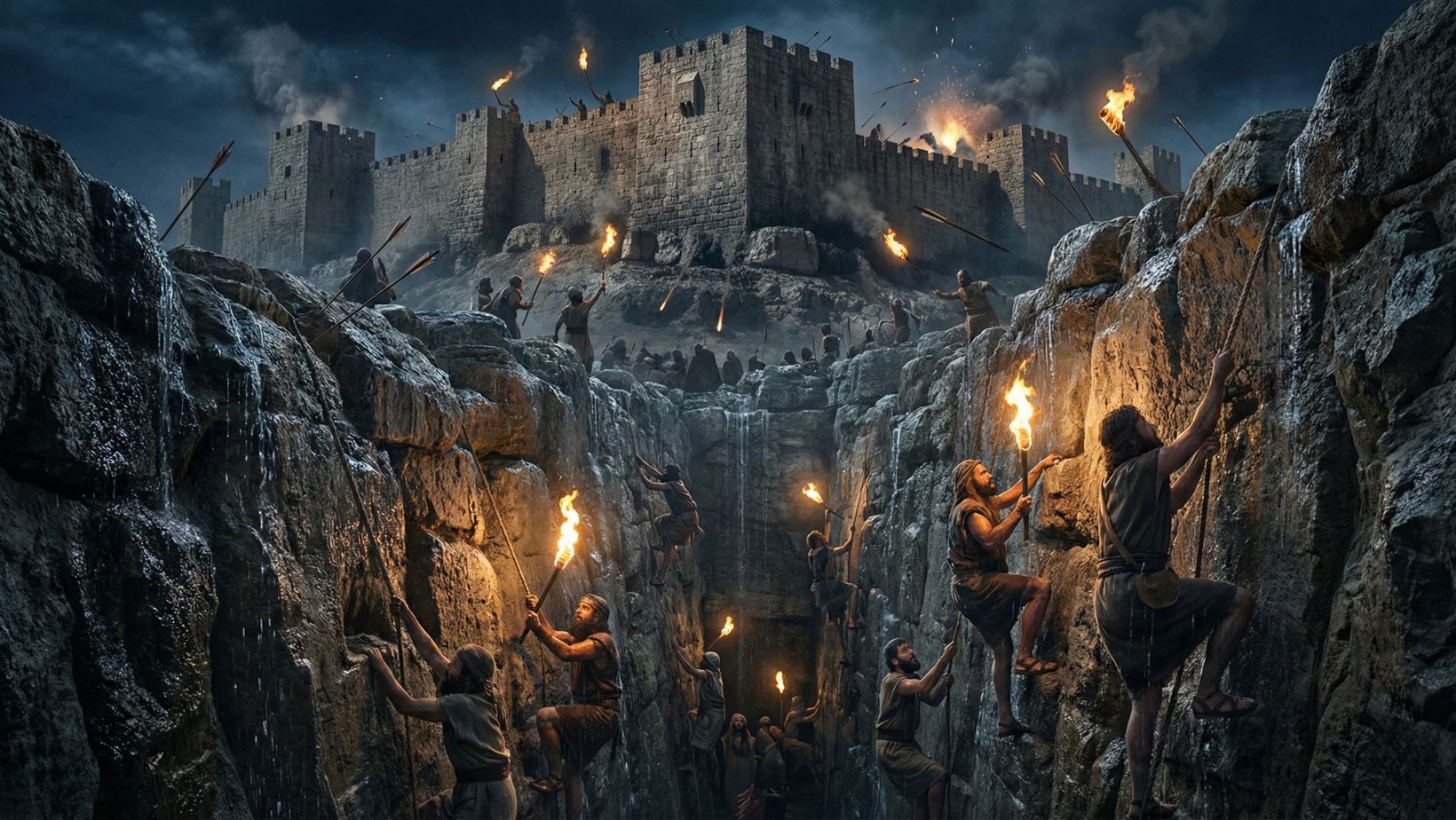
2 Samuel 5
David is anointed king over all Israel, captures Jerusalem to establish his capital, and secures his kingdom through two God-directed victories over the Philistines.
-
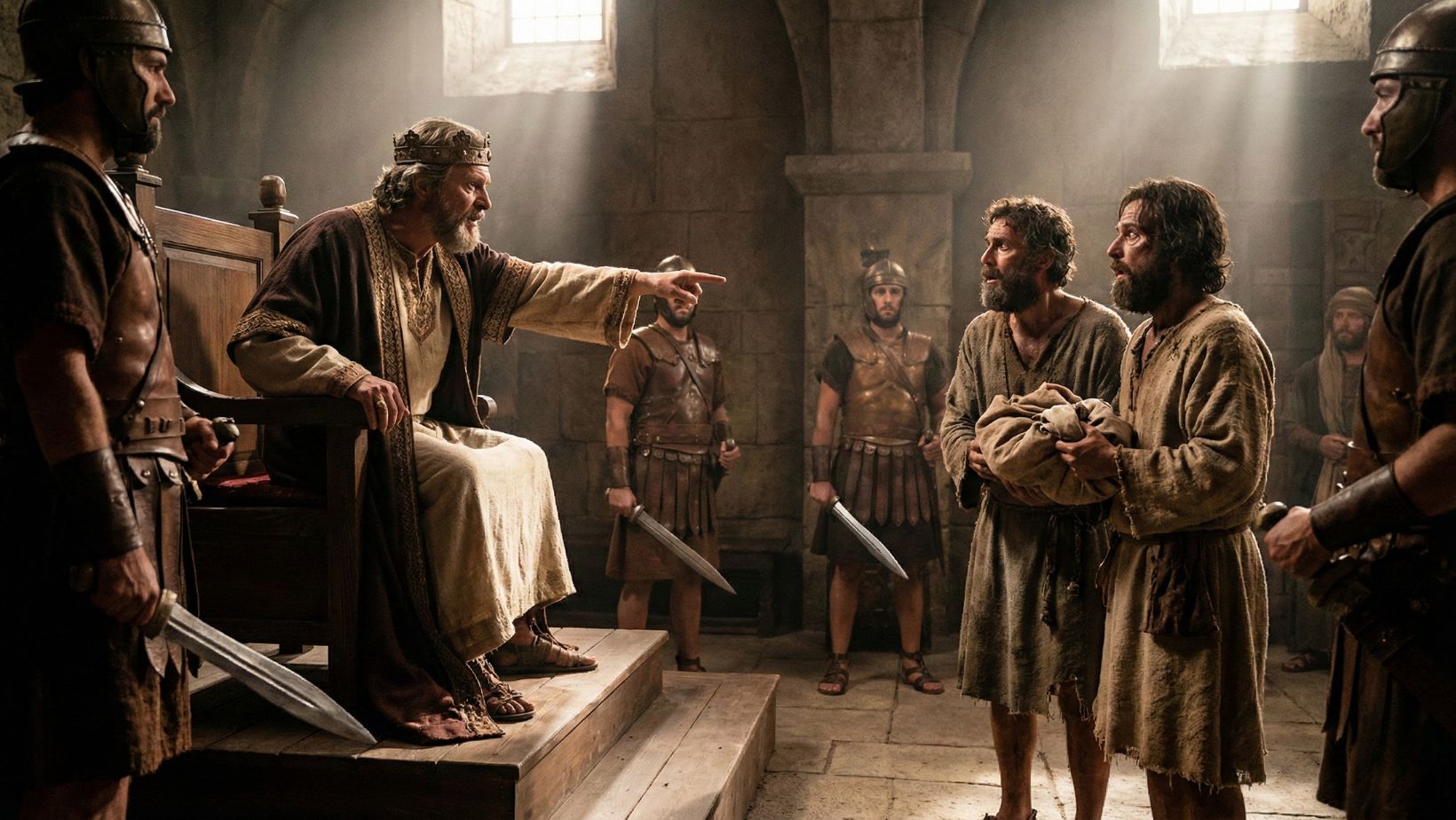
2 Samuel 4
Two traitorous captains assassinate Saul’s son Ishbosheth in his sleep and bring his head to David, who executes them for their wickedness instead of rewarding them, thus clearing the way for his kingship through justice rather than murder.
-
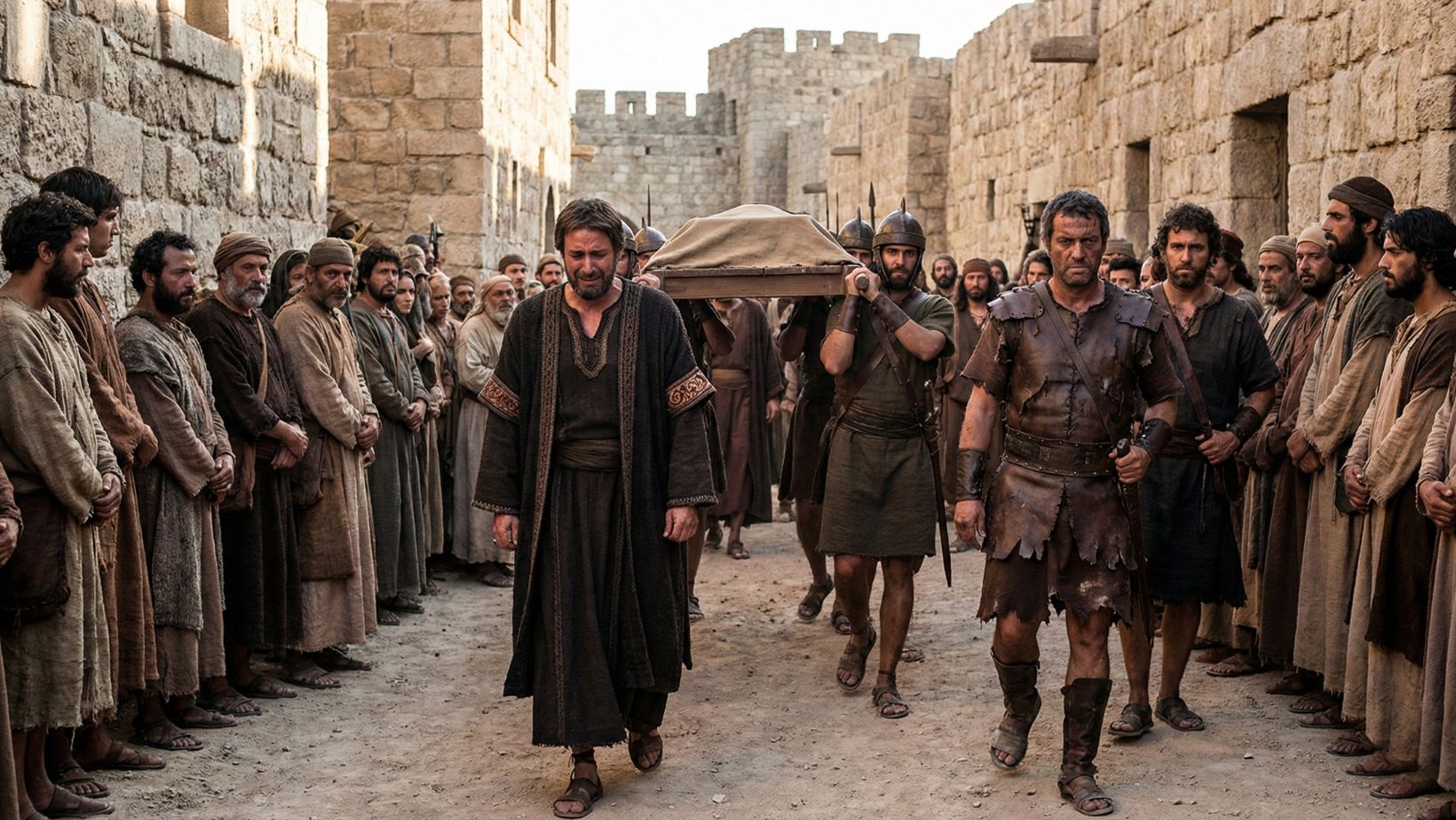
2 Samuel 3
As David’s house grows stronger, Abner defects from Saul’s house to unite the kingdom under David, only to be treacherously murdered by Joab, forcing David to publicly mourn to prove his innocence.
-
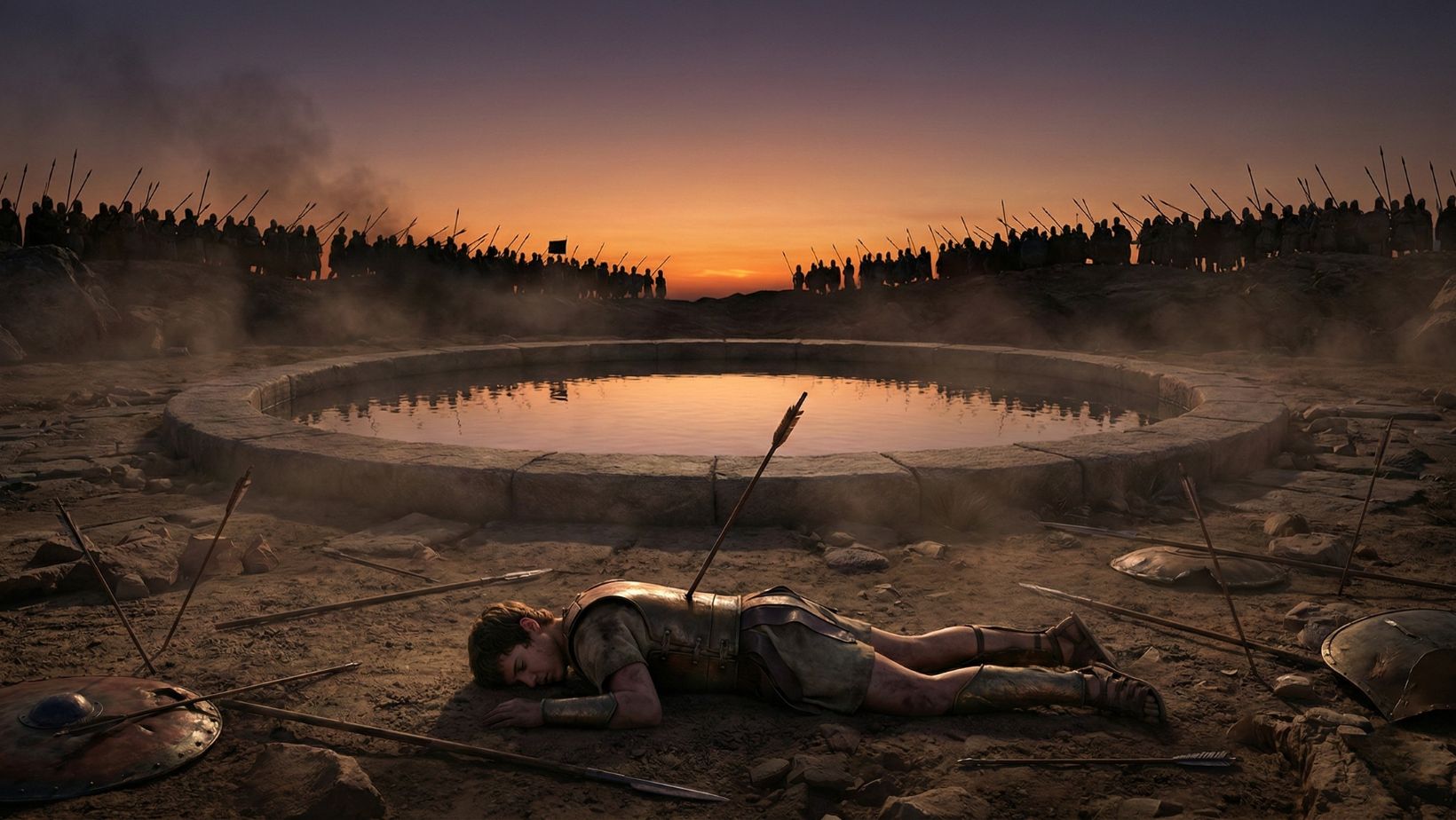
2 Samuel 2
David is anointed king over Judah in Hebron, while Abner installs Ishbosheth as king over Israel, leading to a civil war where David’s forces win a skirmish that tragically results in the death of his nephew Asahel.
-
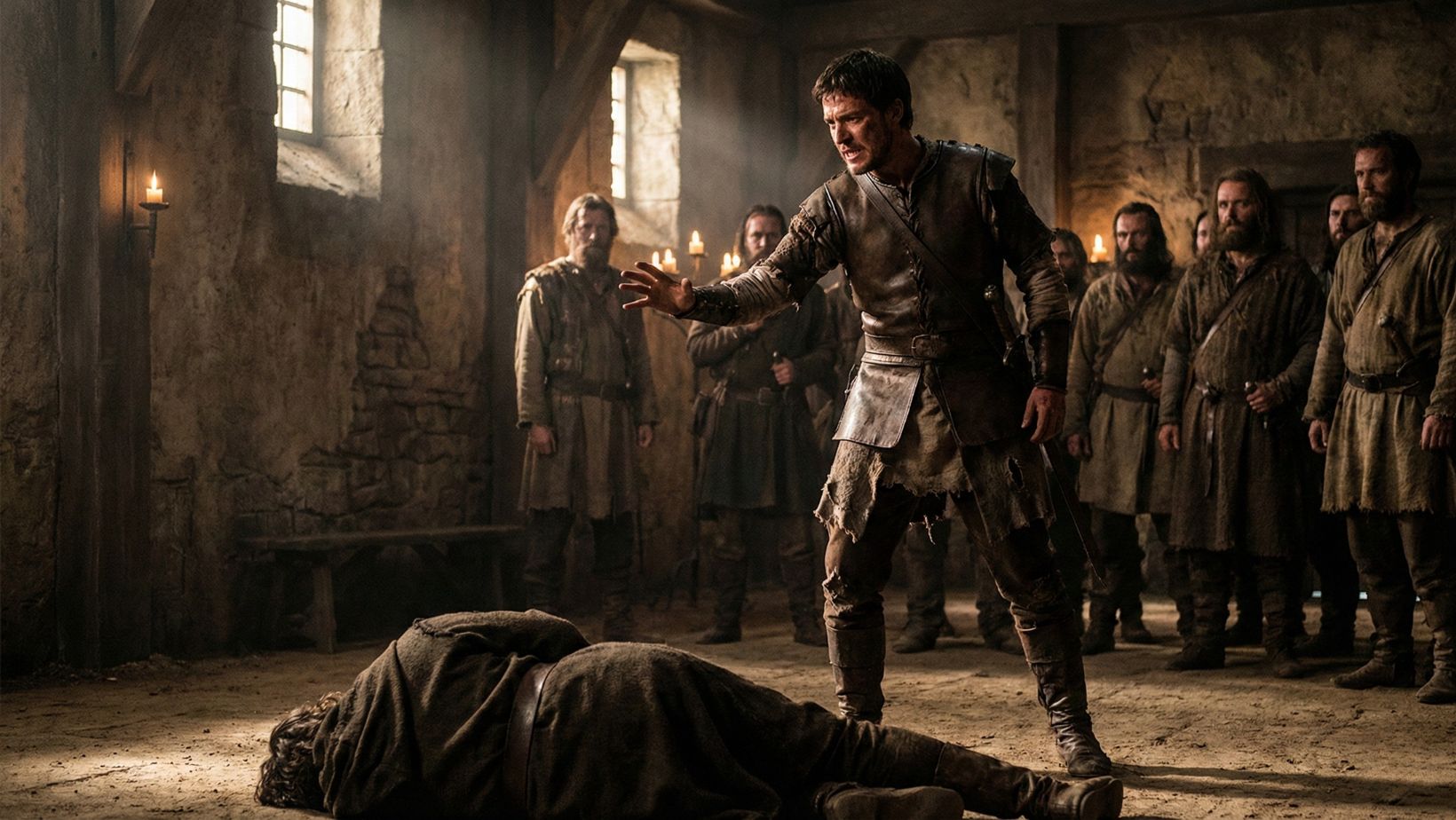
2 Samuel 1
Upon hearing of Saul and Jonathan’s death, David executes the Amalekite messenger who claimed to kill the king, and then leads Israel in a profound lament known as the Song of the Bow.
-
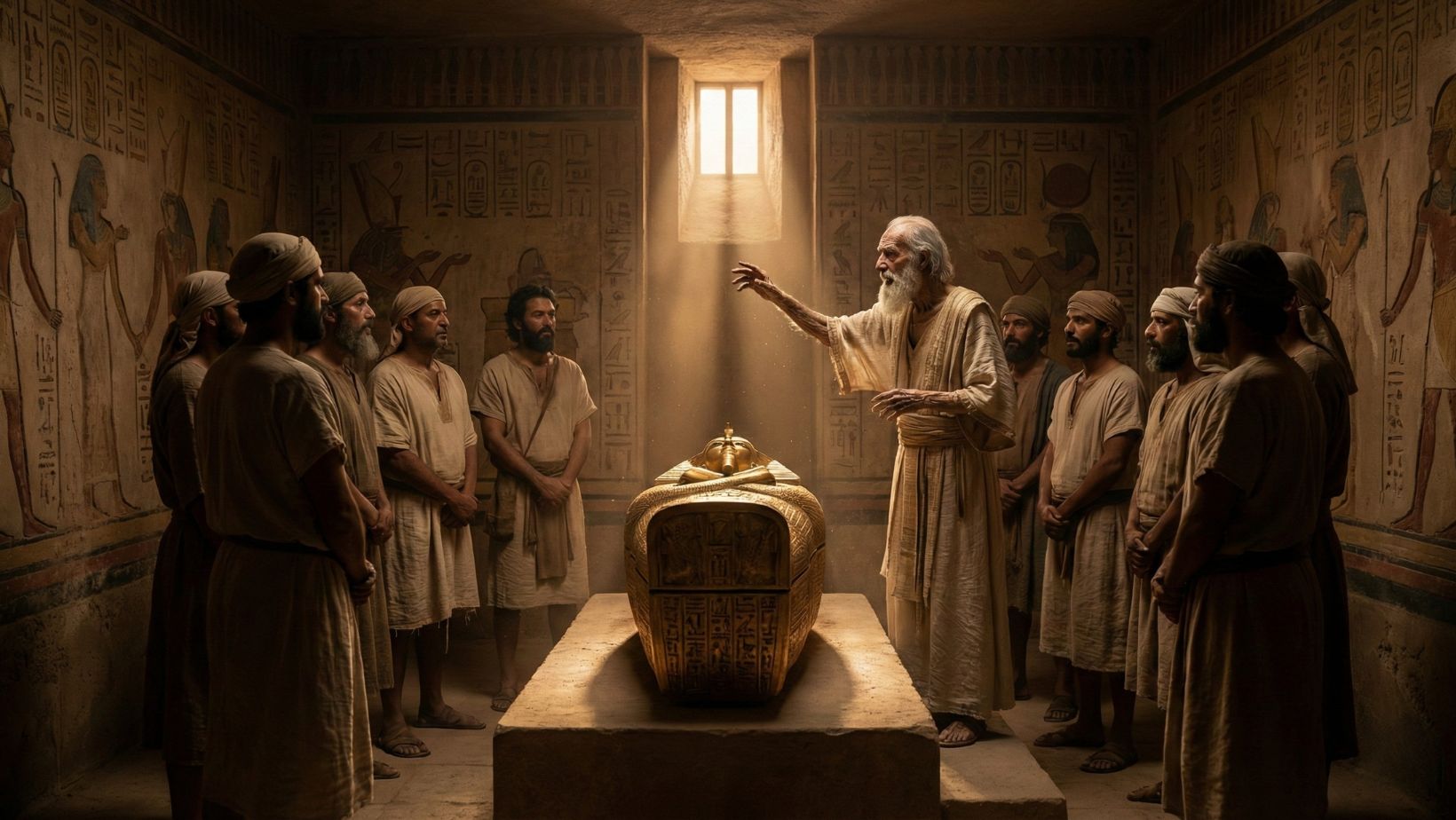
Genesis 50
After burying Jacob in Canaan with great honor, Joseph reassures his fearful brothers that their past evil was overruled by God for good, and he dies in Egypt with a prophetic command that his bones be carried to the Promised Land.
-
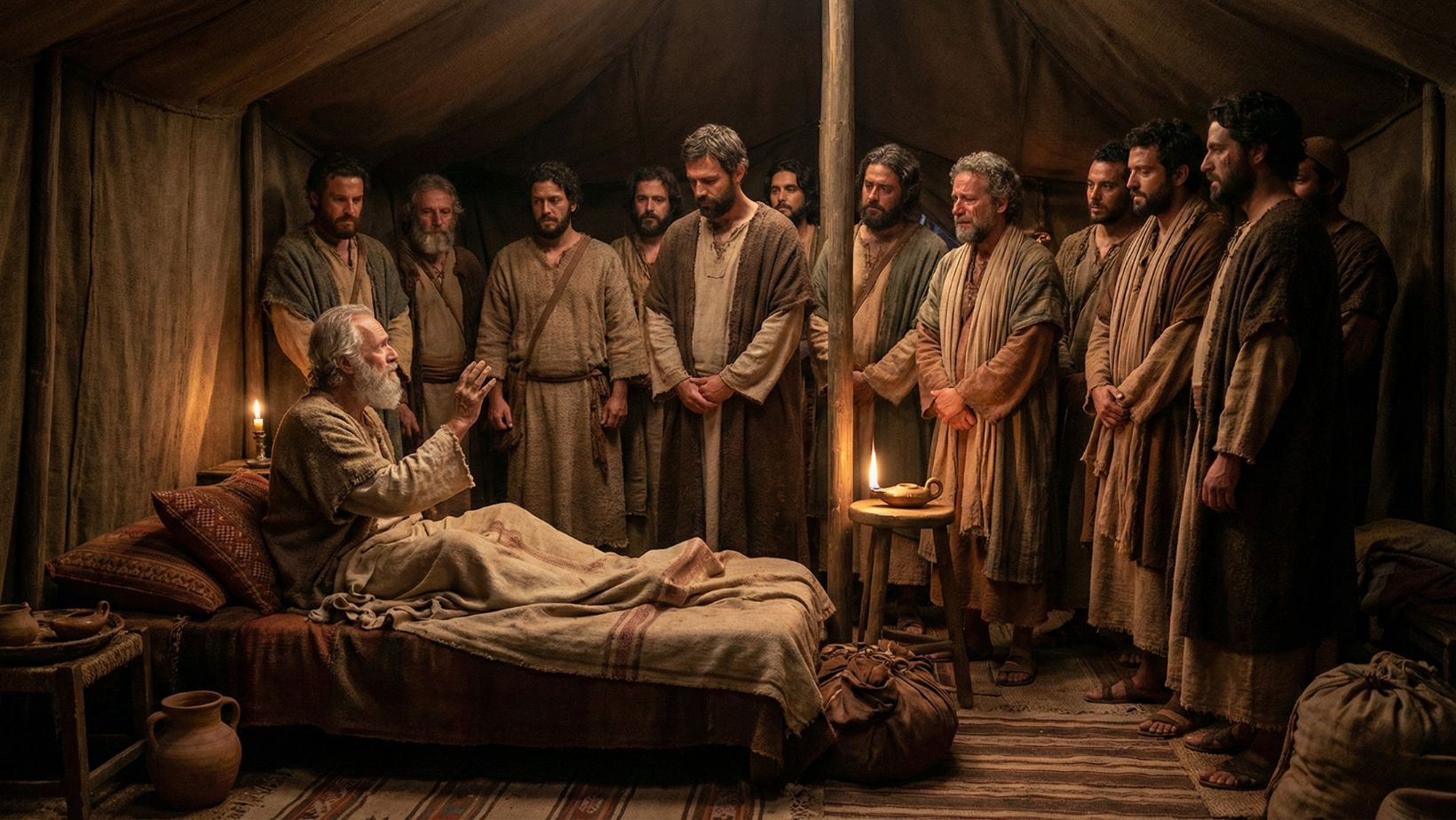
Genesis 49
On his deathbed, Jacob gathers his twelve sons to prophesy their destinies, disqualifying the firstborns for their sins and appointing Judah as the royal line and Joseph as the fruitful recipient of the double portion.
-
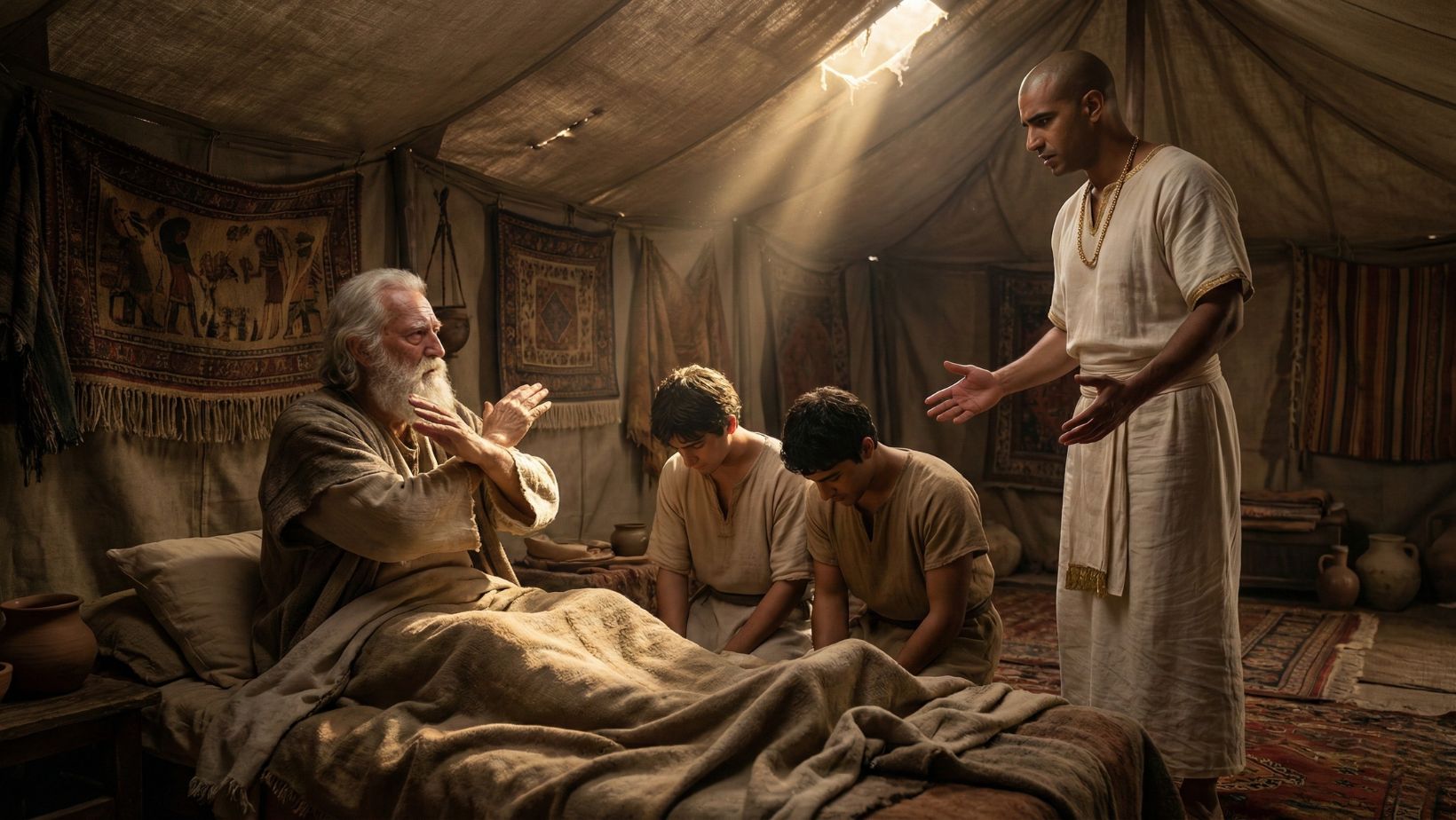
Genesis 48
On his deathbed, Jacob adopts Joseph’s two sons as his own, deliberately crossing his hands to give the greater blessing to the younger Ephraim, declaring God as his Shepherd and Redeemer.
-
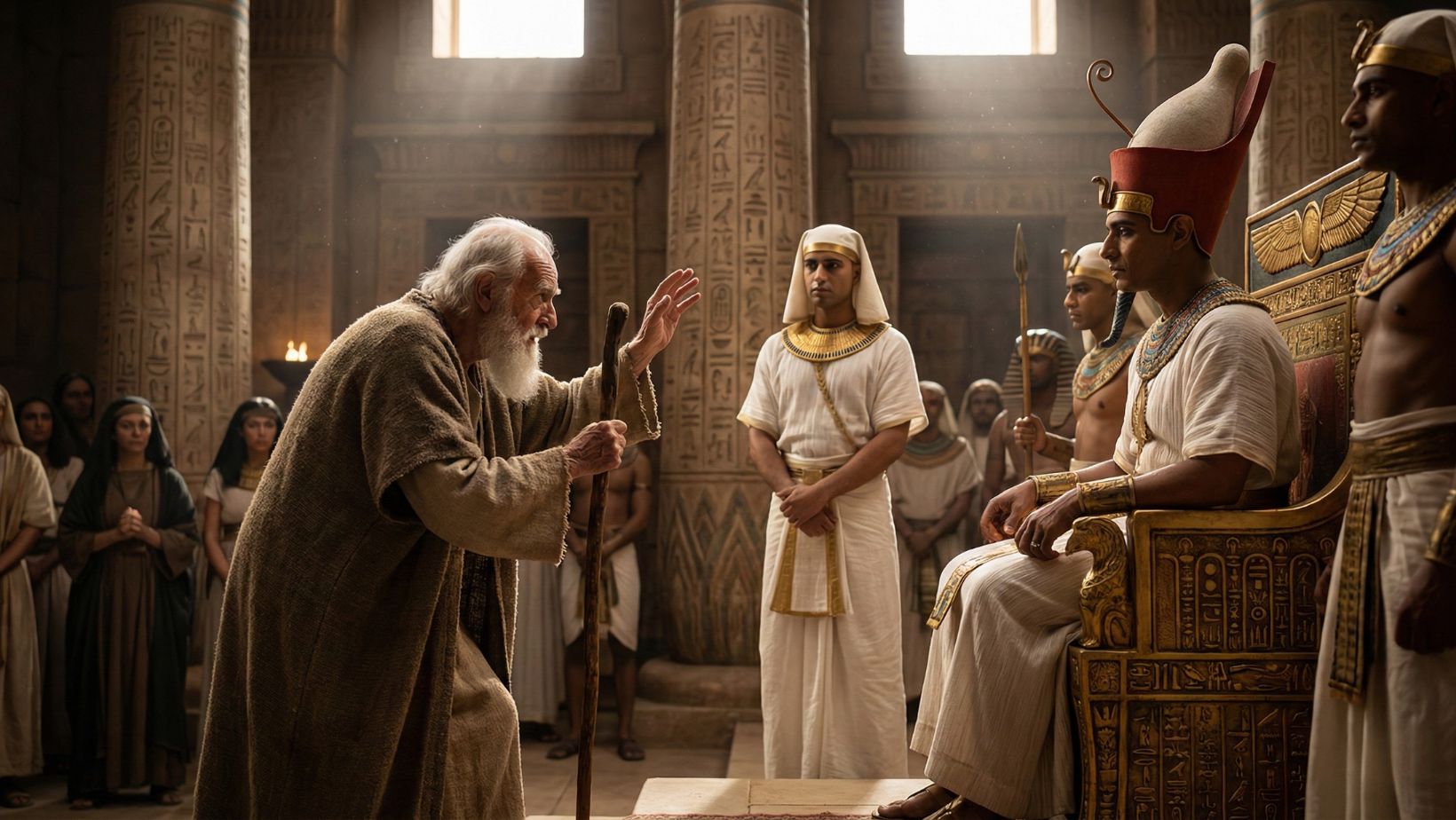
Genesis 47
Jacob blesses Pharaoh and settles his family in the fertile land of Goshen, while Joseph shrewdly manages the famine by nationalizing Egypt’s land for Pharaoh, concluding with Jacob’s solemn request to be buried in Canaan.
-
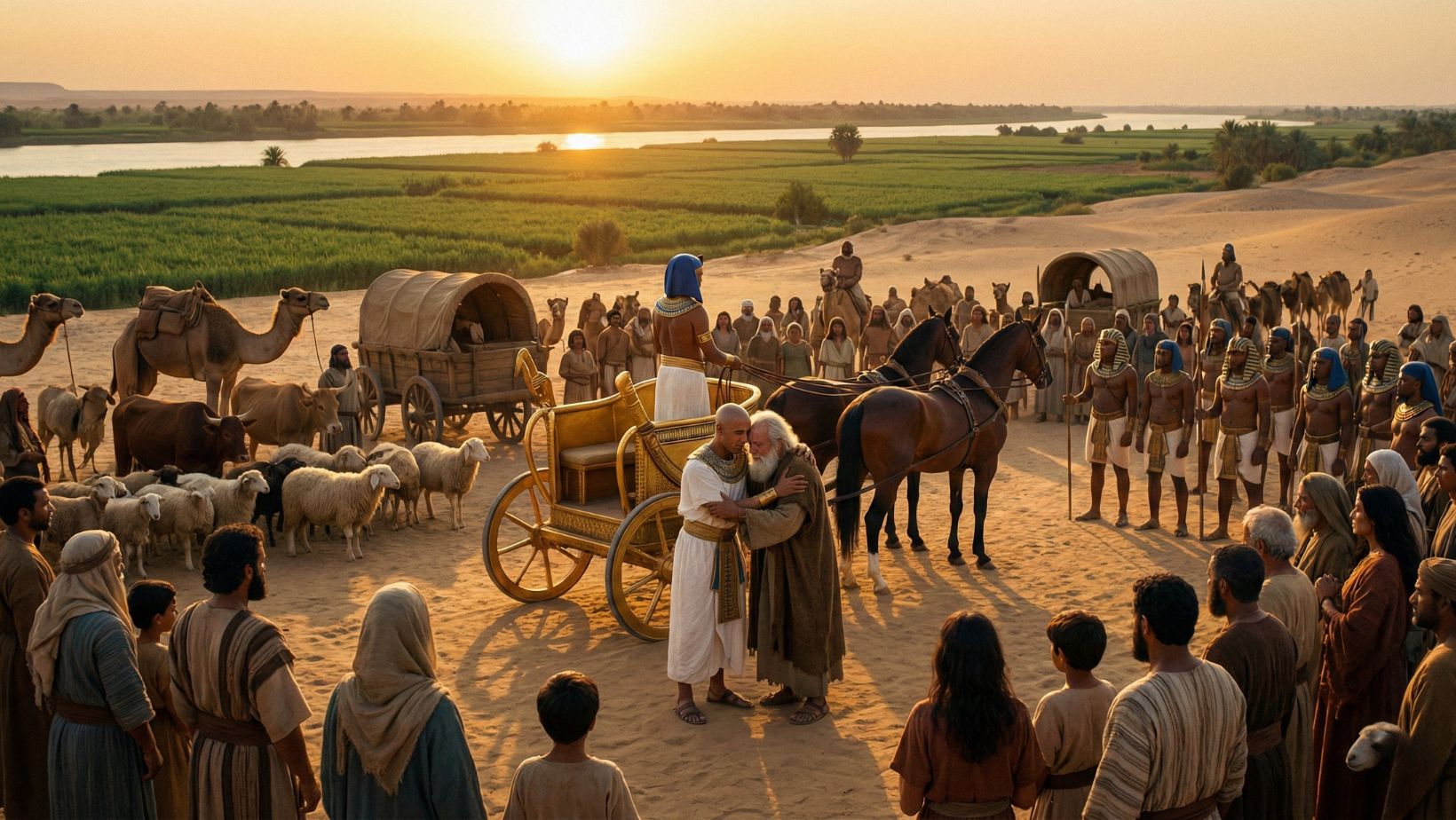
Genesis 46
Encouraged by a vision from God at Beersheba, Jacob moves his entire family of seventy persons to Egypt, where he shares a tearful reunion with Joseph and settles in the land of Goshen.
Bible Characters

-
Jonathan
Jonathan was the valiant crown prince of Israel who chose loyalty to God’s anointed over his own ambition, becoming the Bible’s ultimate example of sacrificial friendship.
-
Michal
Michal was the daughter of King Saul who saved David’s life out of love but ultimately ended her life in barren isolation because she valued royal dignity over humble worship.
-
Abner
Abner was the powerful commander of Saul’s army who, after a long rivalry with David, sought to unite all Israel under David’s crown before being tragically assassinated by Joab.
Biblical Events

-
Jonathan
Jonathan was the valiant crown prince of Israel who chose loyalty to God’s anointed over his own ambition, becoming the Bible’s ultimate example of sacrificial friendship.
-
Michal
Michal was the daughter of King Saul who saved David’s life out of love but ultimately ended her life in barren isolation because she valued royal dignity over humble worship.
-
Abner
Abner was the powerful commander of Saul’s army who, after a long rivalry with David, sought to unite all Israel under David’s crown before being tragically assassinated by Joab.
Bible Locations

-
The City of David
The City of David is the ancient, fortified ridge where King David established his capital, serving as the historical seed from which Jerusalem grew and the spiritual center of the Israelite kingdom.
-
Mahanaim
Mahanaim, meaning “Two Camps,” was the historic fortress city east of the Jordan where Jacob met angels and where kings Ishbosheth and David found refuge during Israel’s greatest civil wars.
-
Jabesh-gilead
Jabesh-gilead was a city defined by a legacy of survival and fierce loyalty, best known for the valiant night raid to retrieve the bodies of King Saul and his sons from Philistine desecration.
