




Bible Commentary
Commentary provides insight and explanation of biblical passages, helping readers understand historical context, divine meaning, and practical application for daily life.
-
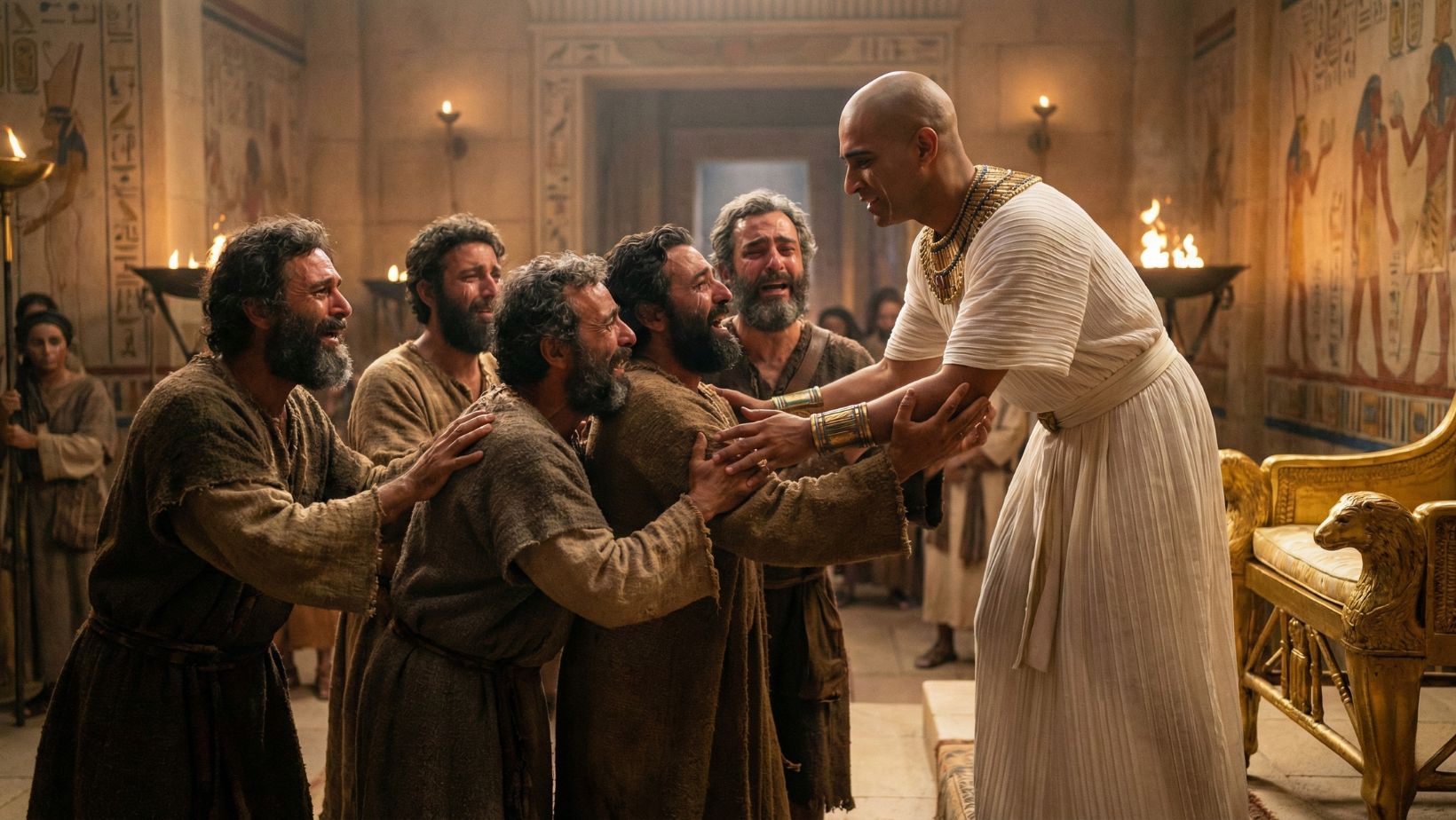
Genesis 45
Joseph reveals his identity to his terrified brothers, assuring them that God orchestrated their betrayal to save lives, and sends them back with royal wagons to bring Jacob to Egypt.
-
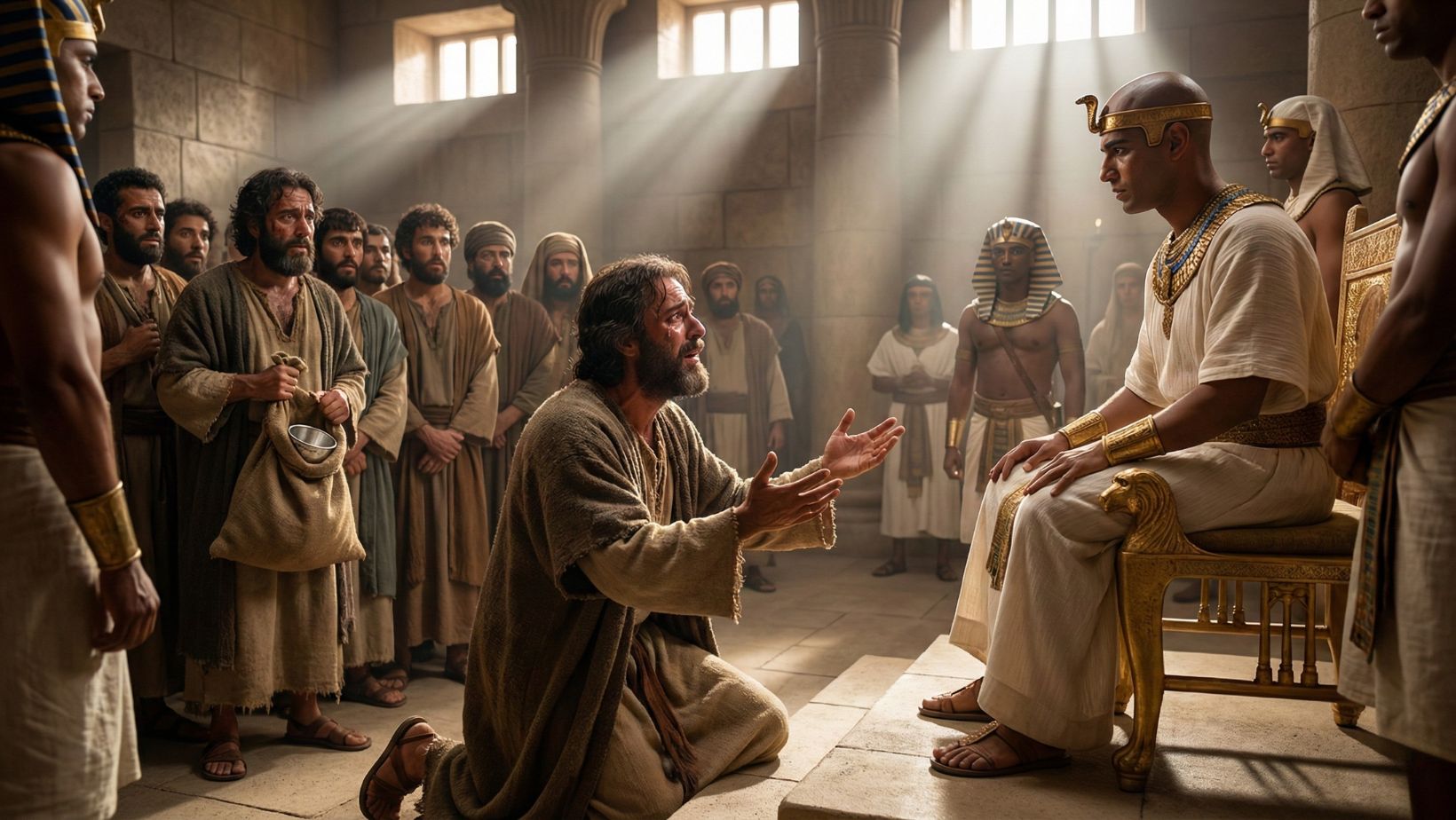
Genesis 44
Joseph tests his brothers by framing Benjamin for theft, leading Judah to offer himself as a sacrificial substitute to save his brother and spare his father’s grief.
-
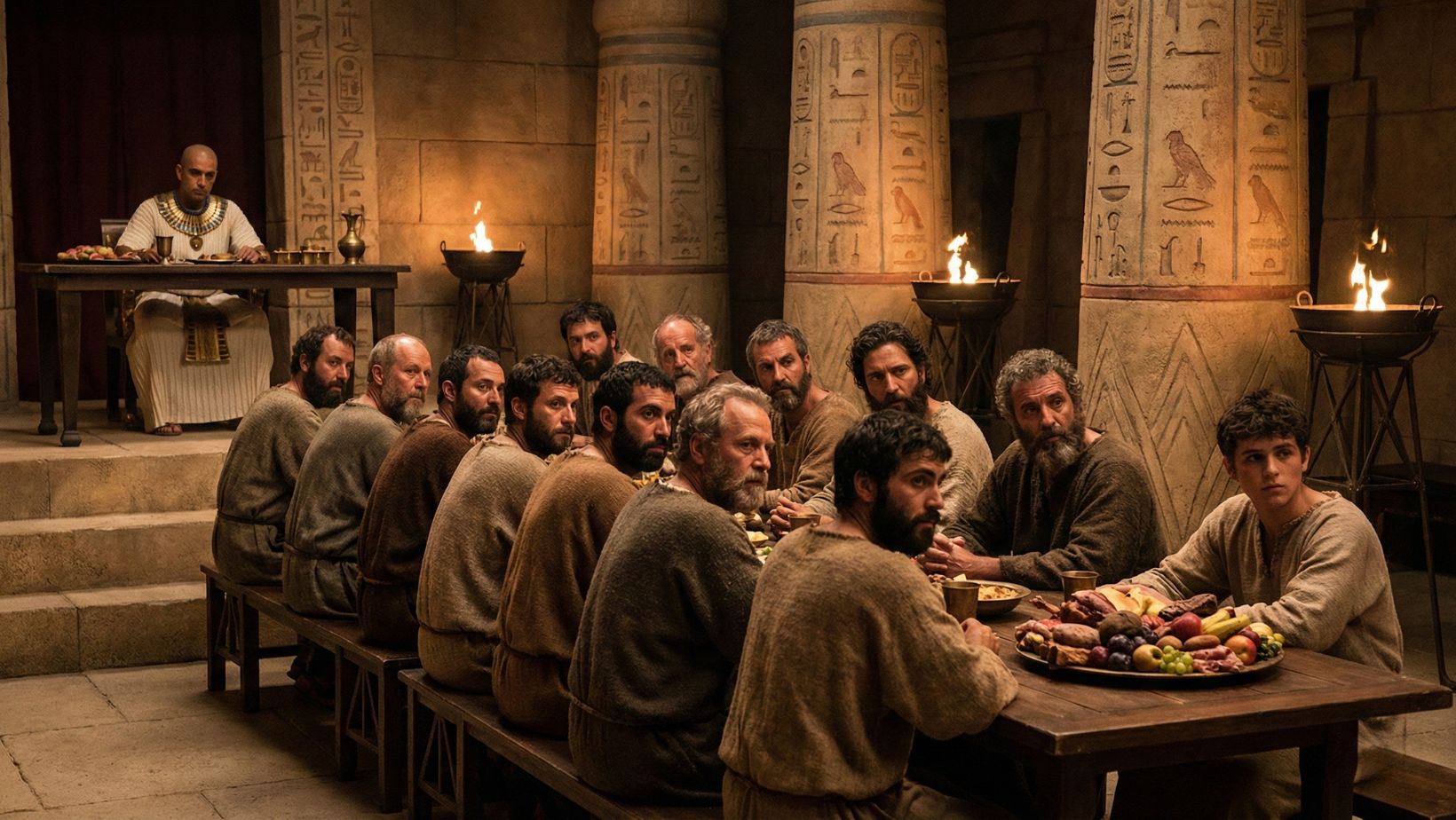
Genesis 43
Driven by starvation, the brothers return to Egypt with Benjamin, where they experience Joseph’s mysterious hospitality and a test of their hidden jealousies.
-
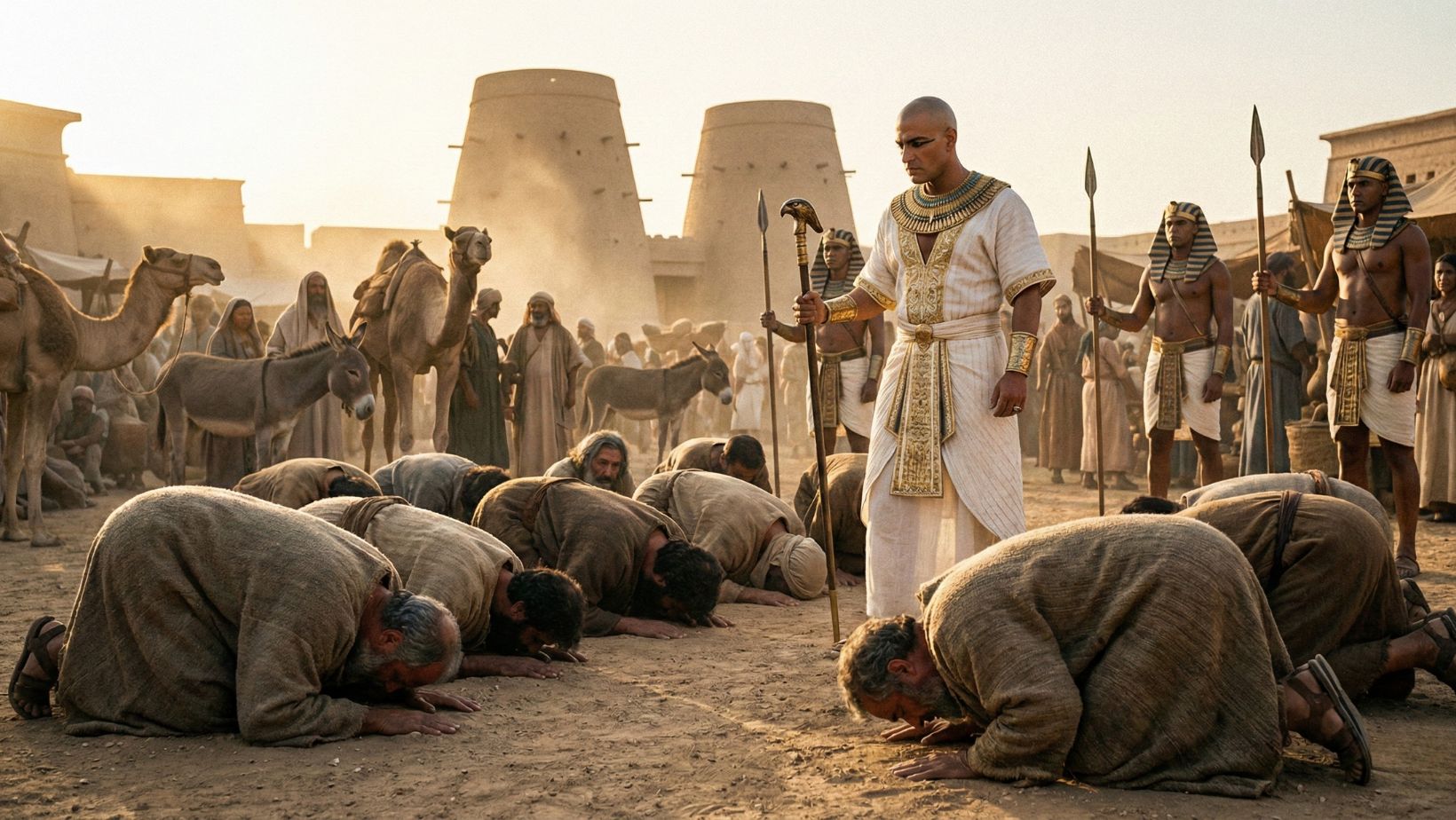
Genesis 42
Driven by famine, Joseph’s brothers travel to Egypt and bow before him in fulfillment of his dreams; Joseph tests their character by accusing them of being spies and demanding they bring Benjamin to Egypt.
-
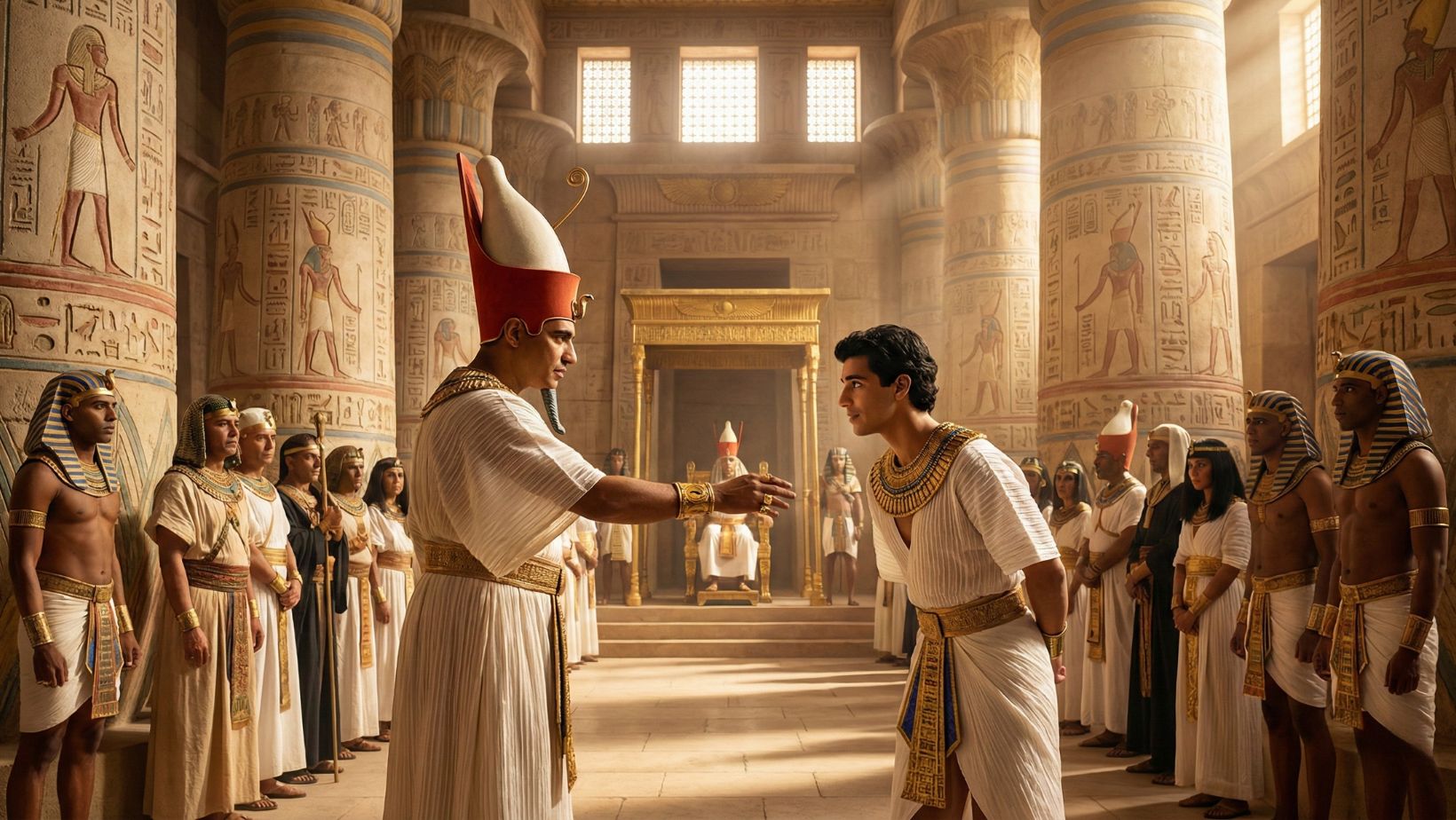
Genesis 41
After two years in prison, Joseph interprets Pharaoh’s dreams, is appointed Vizier of Egypt, and successfully manages the nation’s grain supply to survive a global seven-year famine.
-
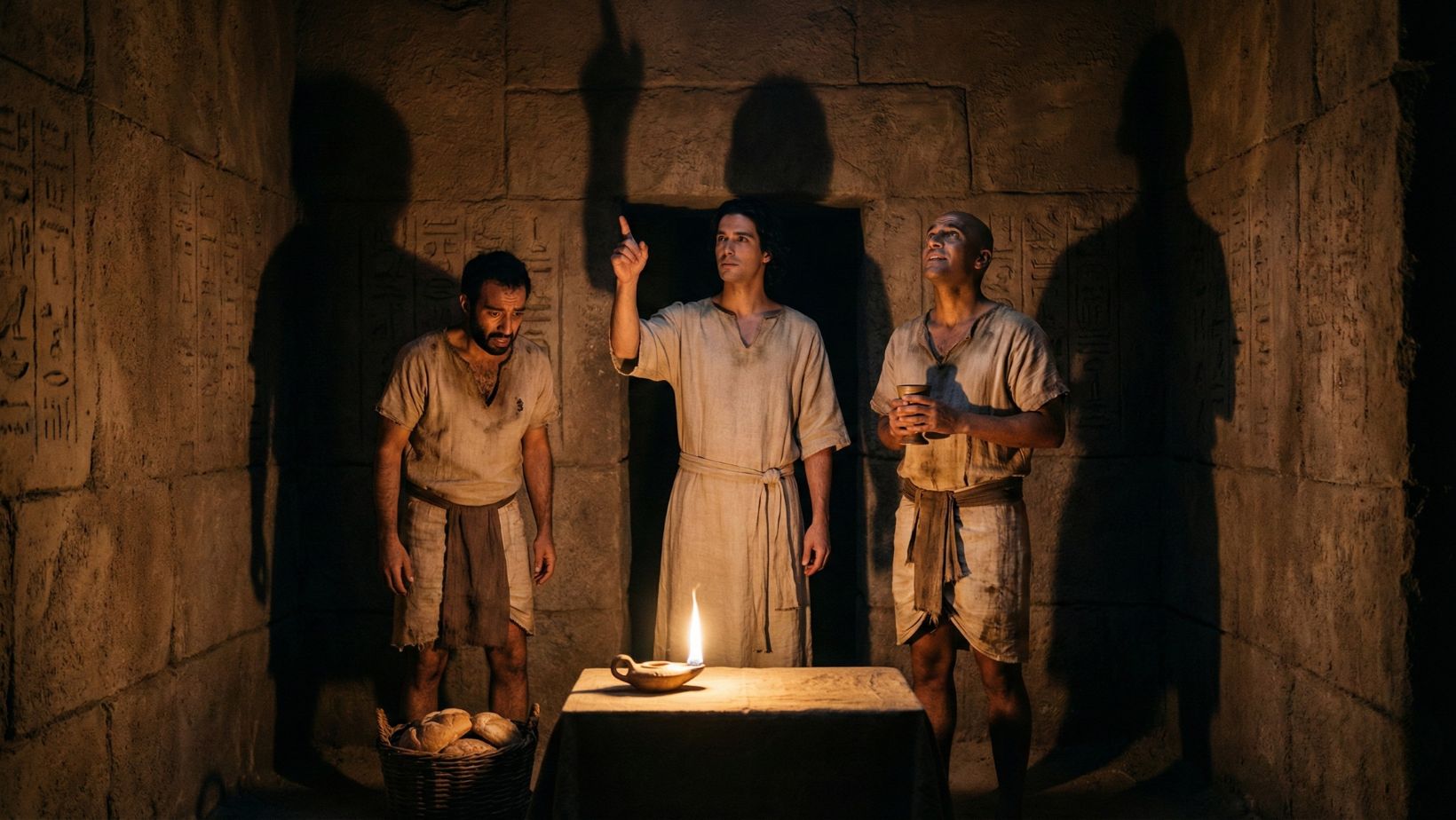
Genesis 40
While imprisoned in Egypt, Joseph correctly interprets the prophetic dreams of Pharaoh’s cupbearer and baker, resulting in the cupbearer’s restoration and the baker’s execution, though Joseph remains forgotten in prison.
-
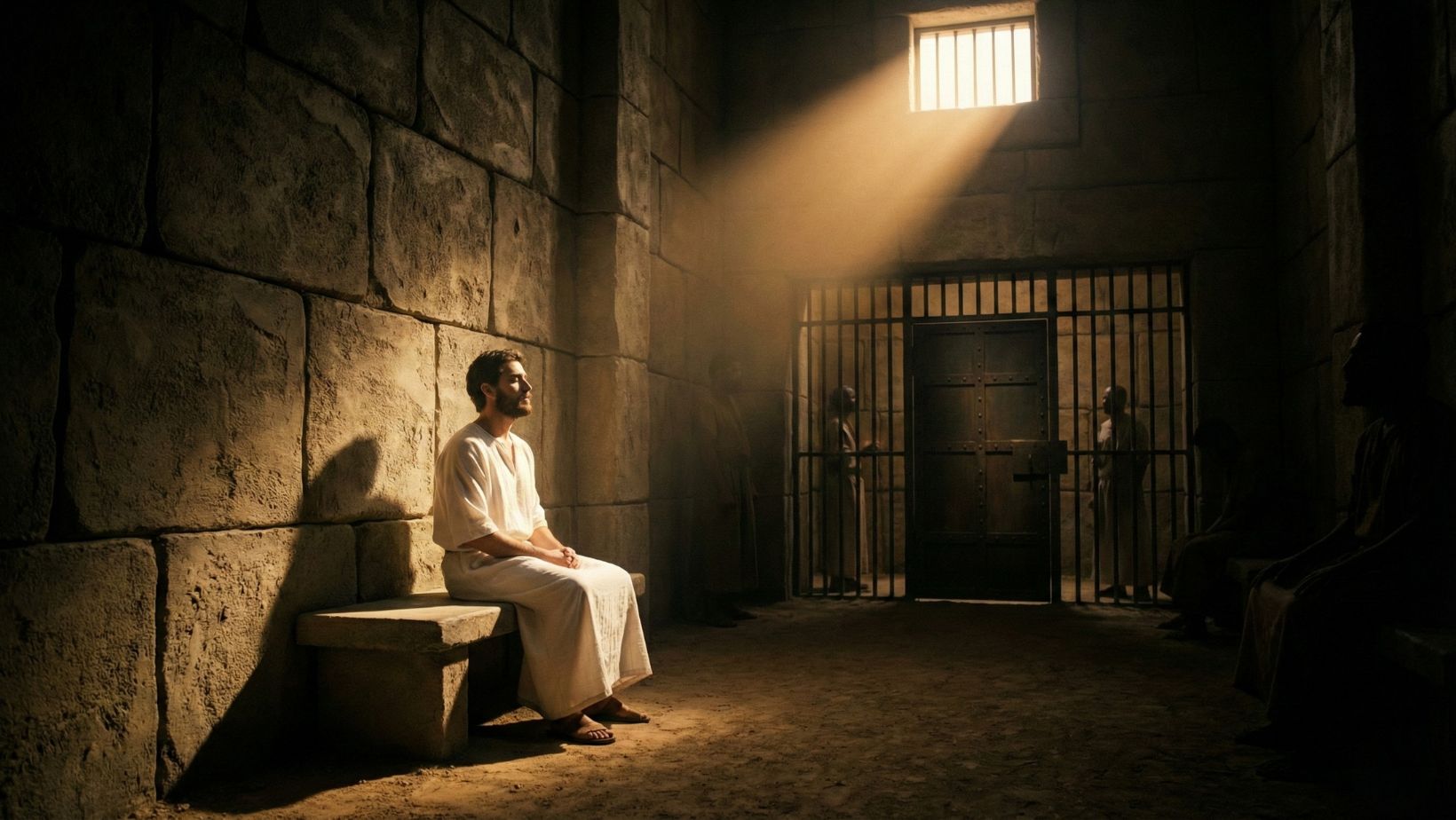
Genesis 39
Despite being unjustly imprisoned after resisting the advances of Potiphar’s wife, Joseph prospers in the king’s prison because the Lord remains with him.
-
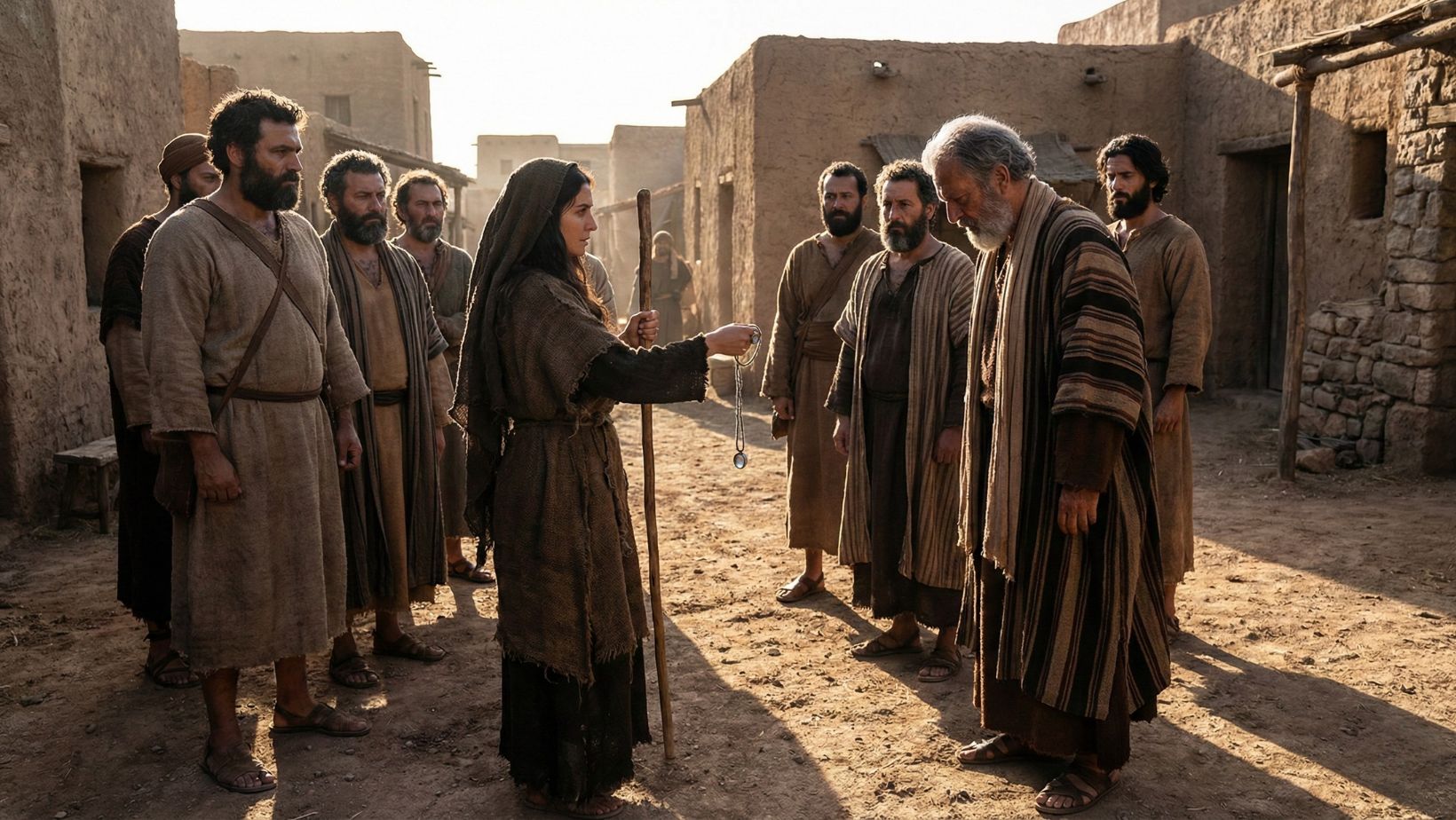
Genesis 38
Judah falls into sexual sin and hypocrisy with his daughter-in-law Tamar, but her courageous exposure of his failure leads to his repentance and the birth of Perez, the ancestor of Christ.
-
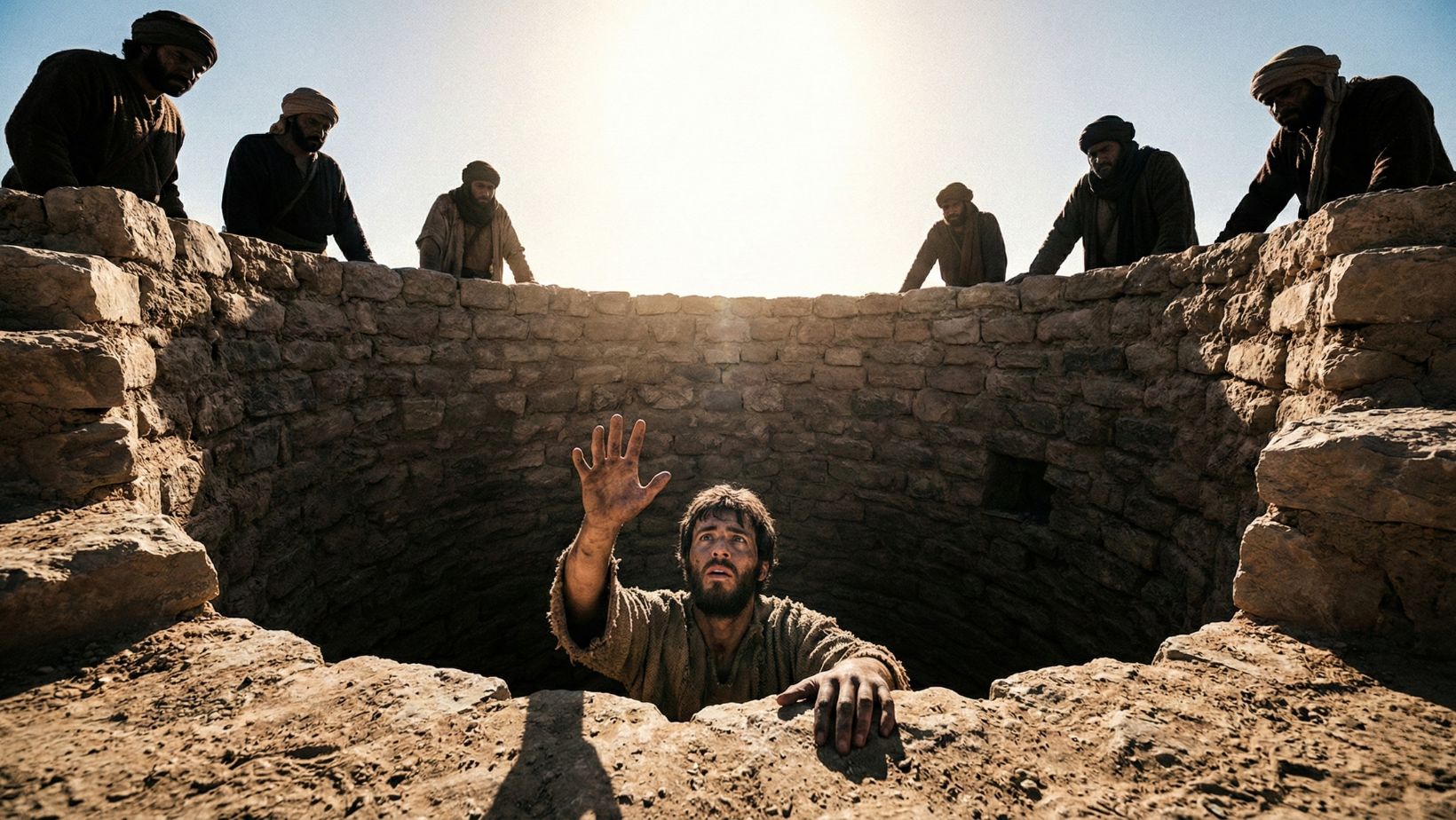
Genesis 37
Fuelled by jealousy over Joseph’s favored status and prophetic dreams, his brothers sell him into Egyptian slavery and deceive their father into believing he is dead.
-

Genesis 36
Genesis 36 details the genealogy and political rise of Esau’s descendants, documenting how his family became the organized nation of Edom in the rugged mountains of Seir.
Bible Characters

-
Jonathan
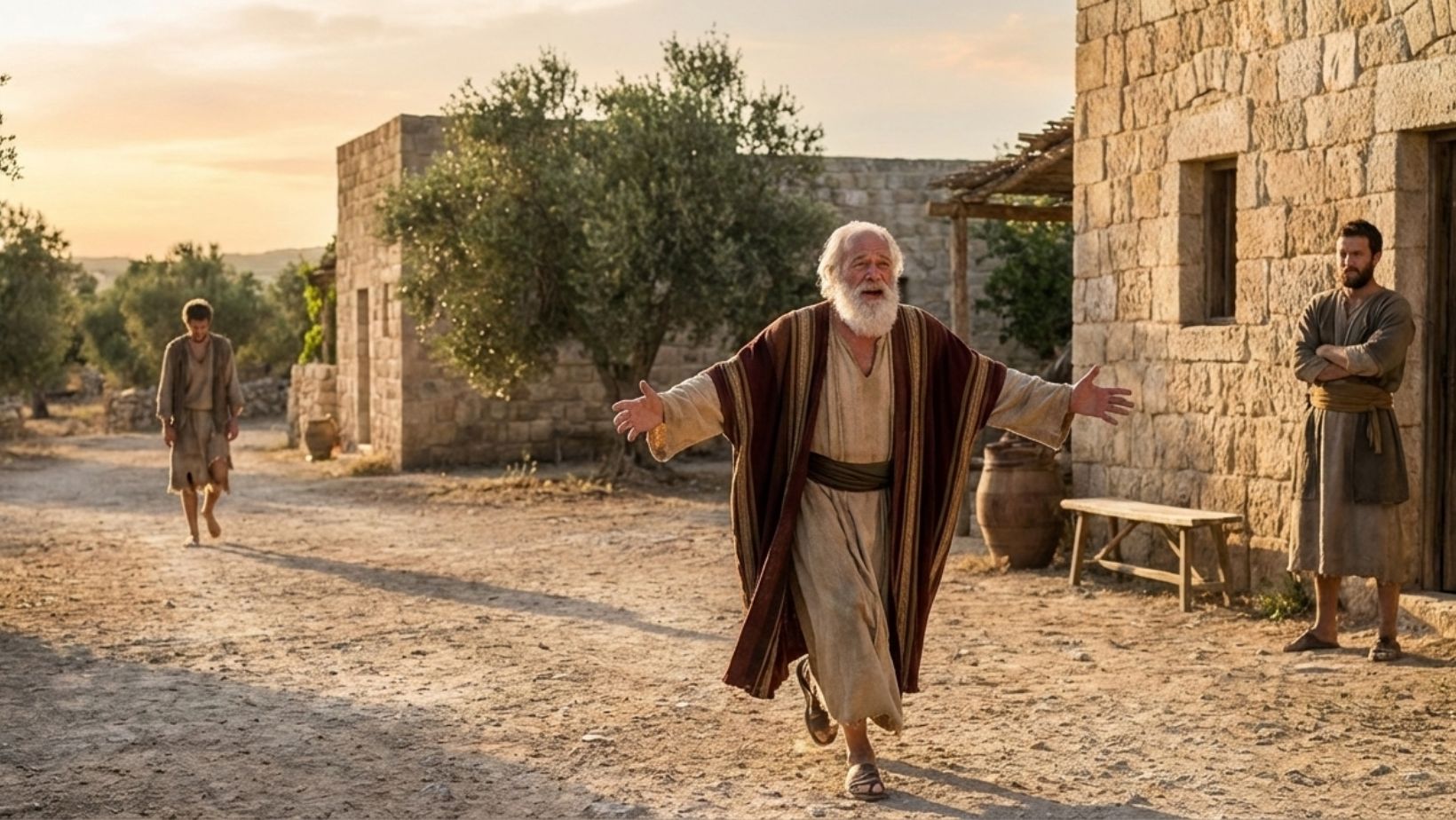
Jonathan was the valiant crown prince of Israel who chose loyalty to God’s anointed over his own ambition, becoming the Bible’s ultimate example of sacrificial friendship.
-
Michal
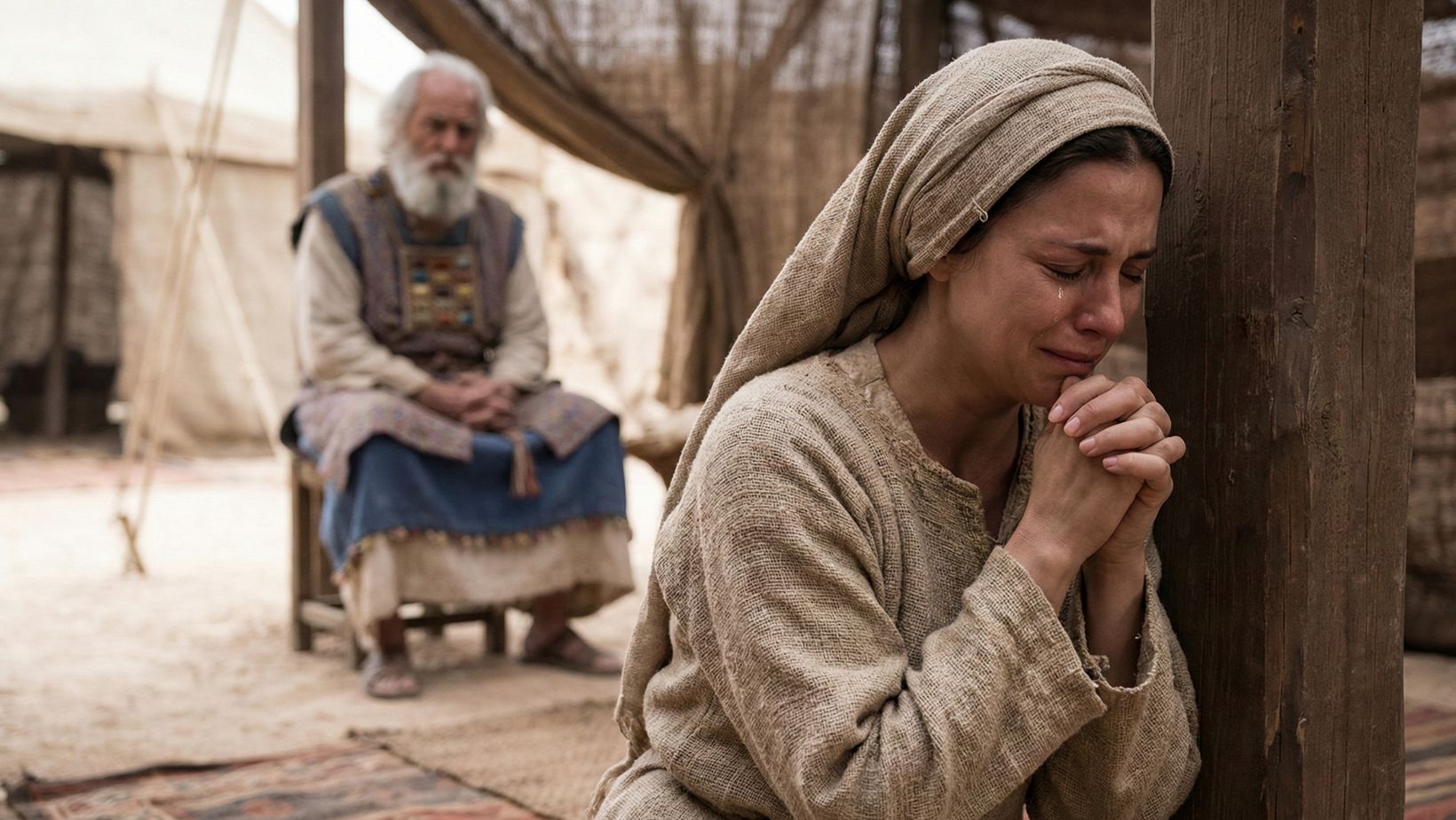
Michal was the daughter of King Saul who saved David’s life out of love but ultimately ended her life in barren isolation because she valued royal dignity over humble worship.
-
Abner
Abner was the powerful commander of Saul’s army who, after a long rivalry with David, sought to unite all Israel under David’s crown before being tragically assassinated by Joab.
Biblical Events

-
Jonathan
Jonathan was the valiant crown prince of Israel who chose loyalty to God’s anointed over his own ambition, becoming the Bible’s ultimate example of sacrificial friendship.
-
Michal
Michal was the daughter of King Saul who saved David’s life out of love but ultimately ended her life in barren isolation because she valued royal dignity over humble worship.
-
Abner
Abner was the powerful commander of Saul’s army who, after a long rivalry with David, sought to unite all Israel under David’s crown before being tragically assassinated by Joab.
Bible Locations

-
The City of David
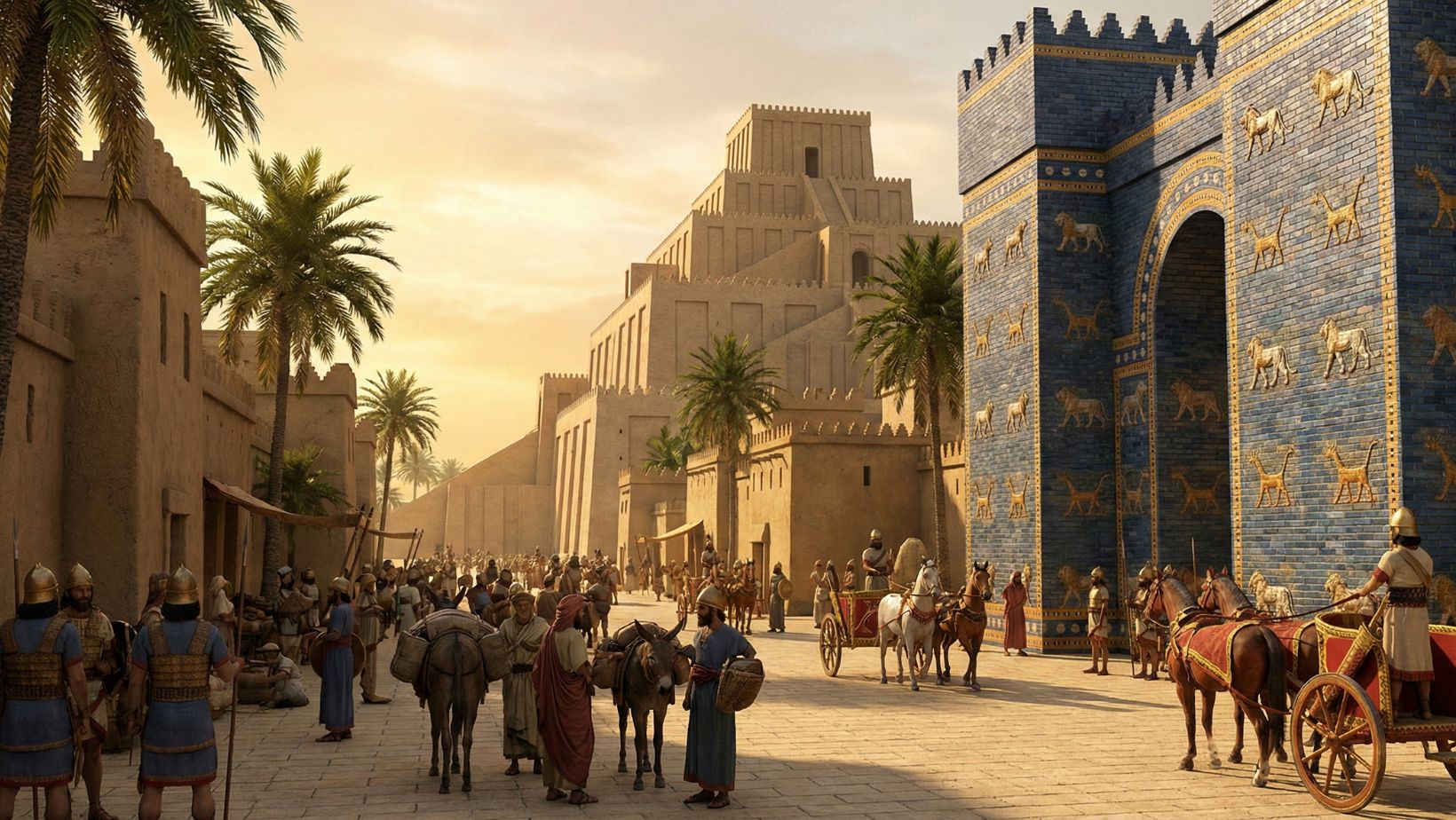
The City of David is the ancient, fortified ridge where King David established his capital, serving as the historical seed from which Jerusalem grew and the spiritual center of the Israelite kingdom.
-
Mahanaim
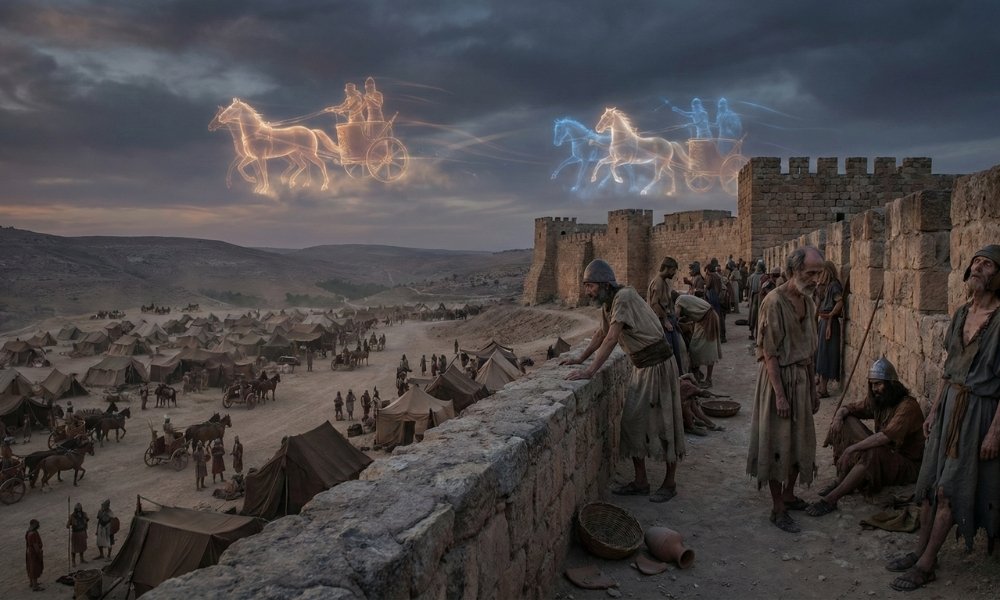
Mahanaim, meaning “Two Camps,” was the historic fortress city east of the Jordan where Jacob met angels and where kings Ishbosheth and David found refuge during Israel’s greatest civil wars.
-
Jabesh-gilead
Jabesh-gilead was a city defined by a legacy of survival and fierce loyalty, best known for the valiant night raid to retrieve the bodies of King Saul and his sons from Philistine desecration.
