



Biblical Events
Events capture key moments in biblical history where God’s power, judgment, and mercy were revealed, shaping the faith and destiny of His people.
-

The Error of Uzzah
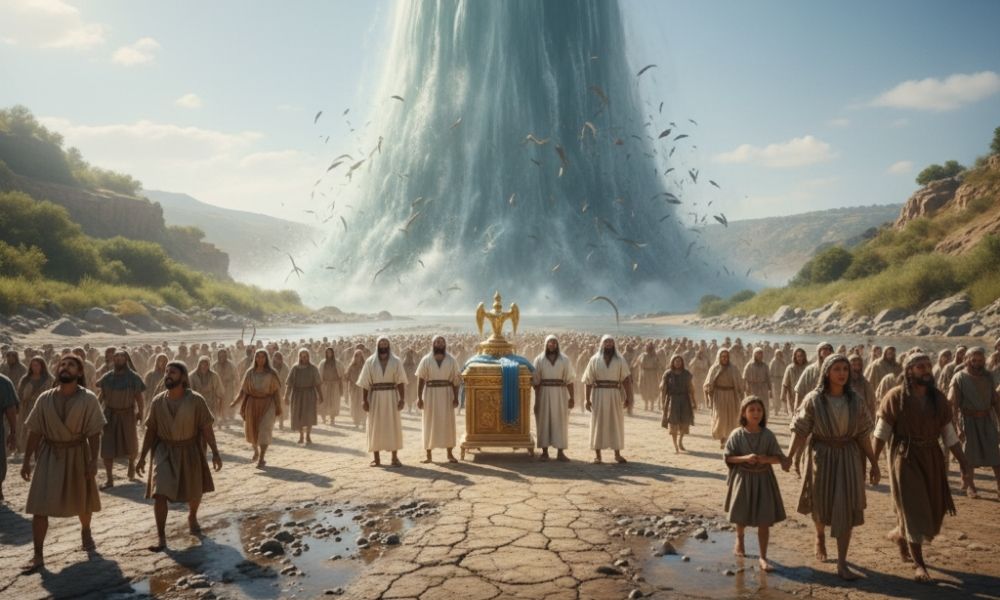
The Error of Uzzah serves as a stark warning that God’s absolute holiness demands profound reverence, and that sincere human intentions can never replace strict obedience to His commands.
-

David lies to Ahimelech
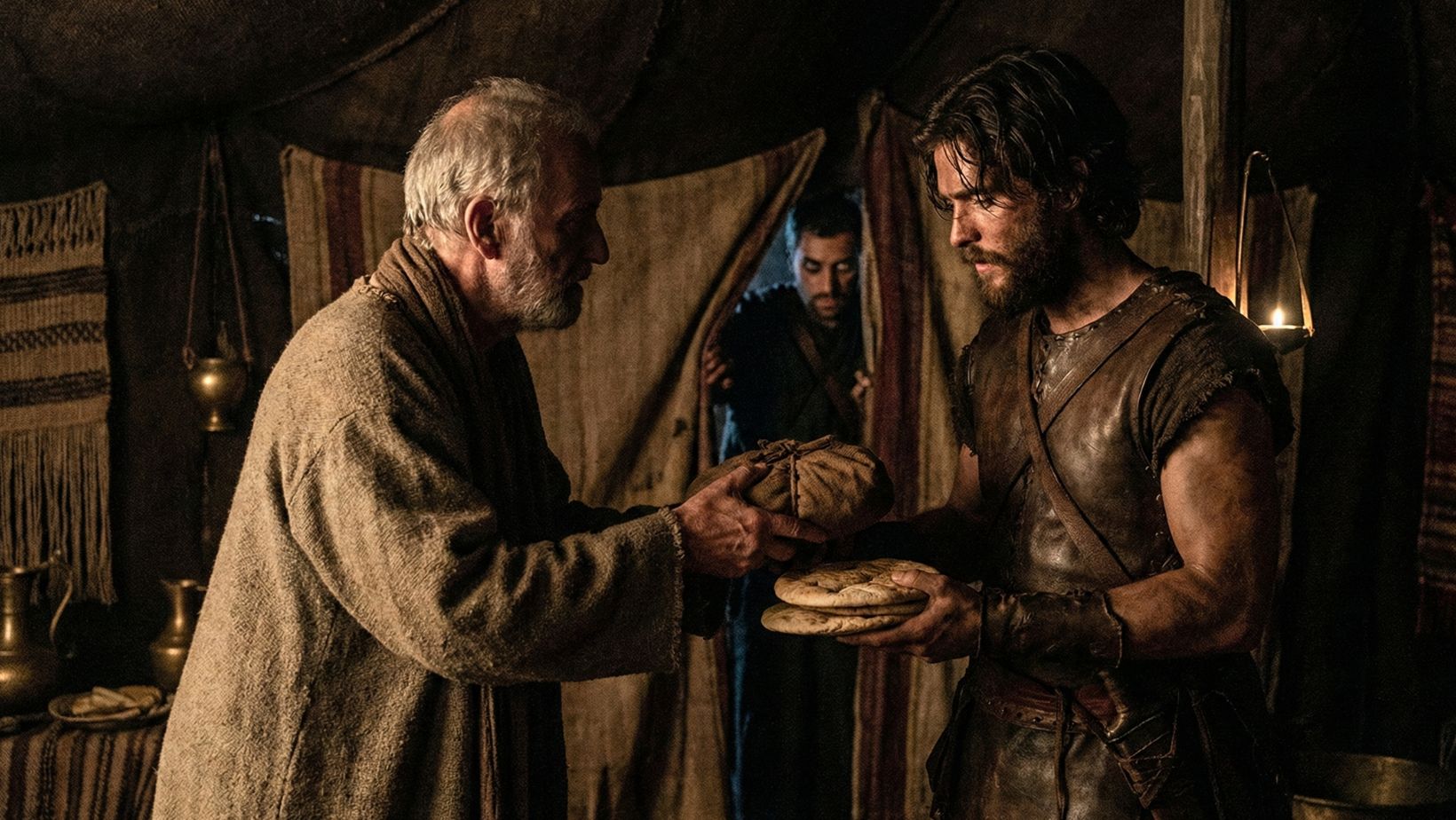
David was Israel’s greatest king and a man after God’s own heart who, despite deep flaws and moments of deceit like his lie to Ahimelech, established the Messianic lineage through his repentance and faith.
-
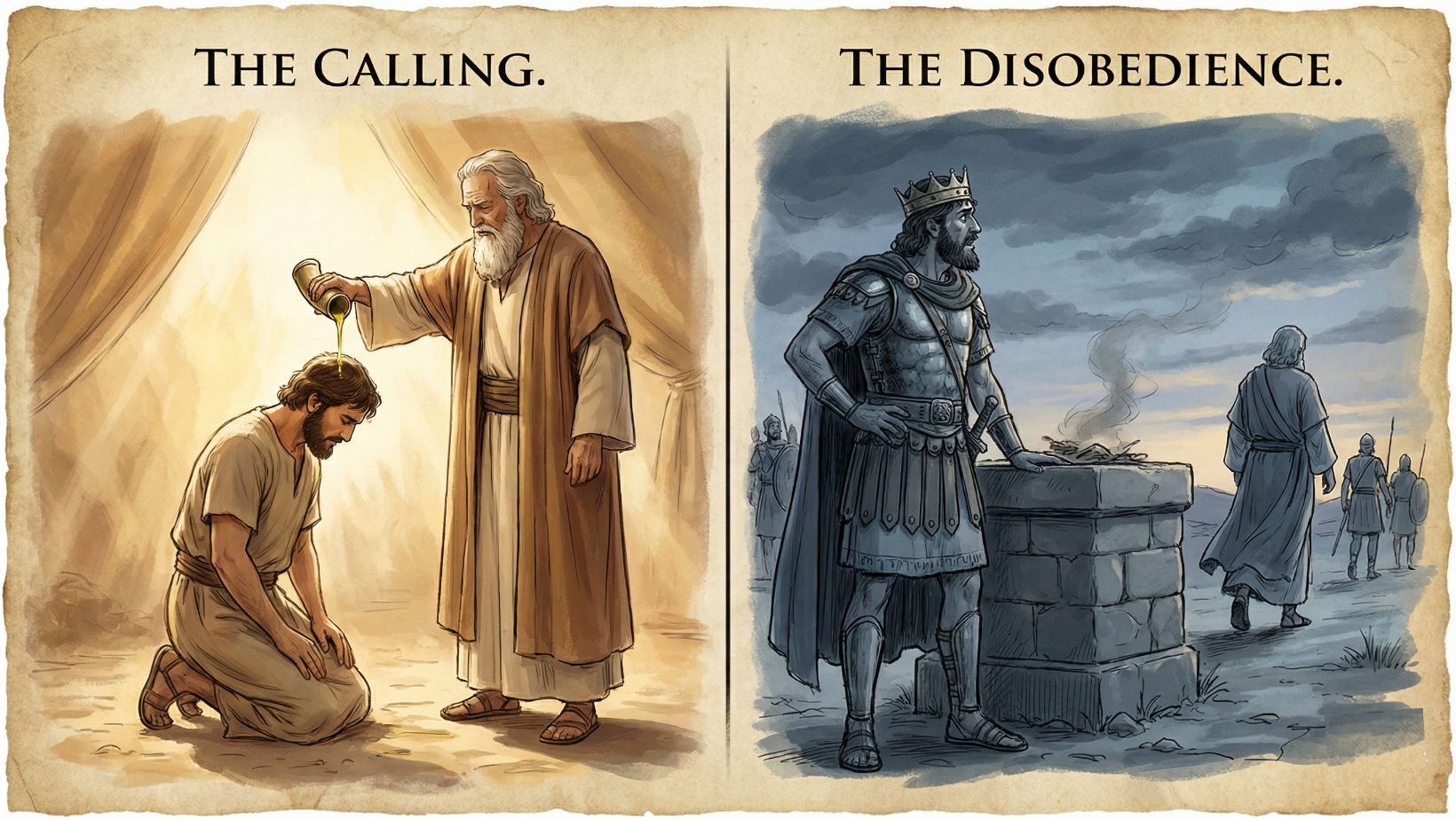
Saul Anointed and Reigns
Saul’s anointing and reign began with divine empowerment and military victory but tragically collapsed because he consistently chose political expediency and fear of man over absolute obedience to God.
-
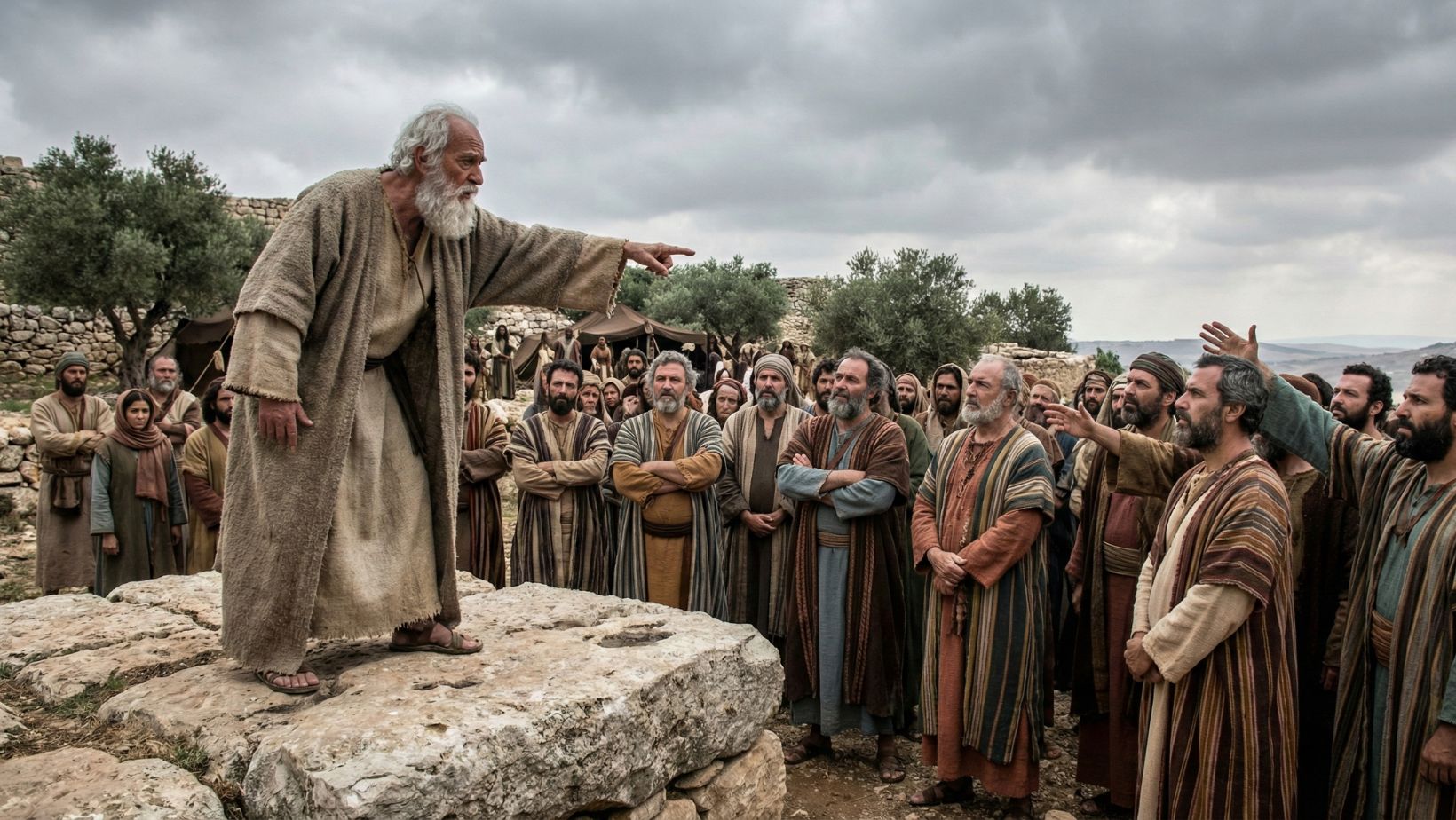
Israel Demands a King
Israel rejected God’s direct rule in favor of a human monarchy, prioritizing military security and conformity with their neighbors over their unique covenant identity.
-

God Calls Samuel
God called the young boy Samuel in the stillness of the night, bypassing the corrupt priesthood to establish a new prophetic voice that would guide Israel.
-
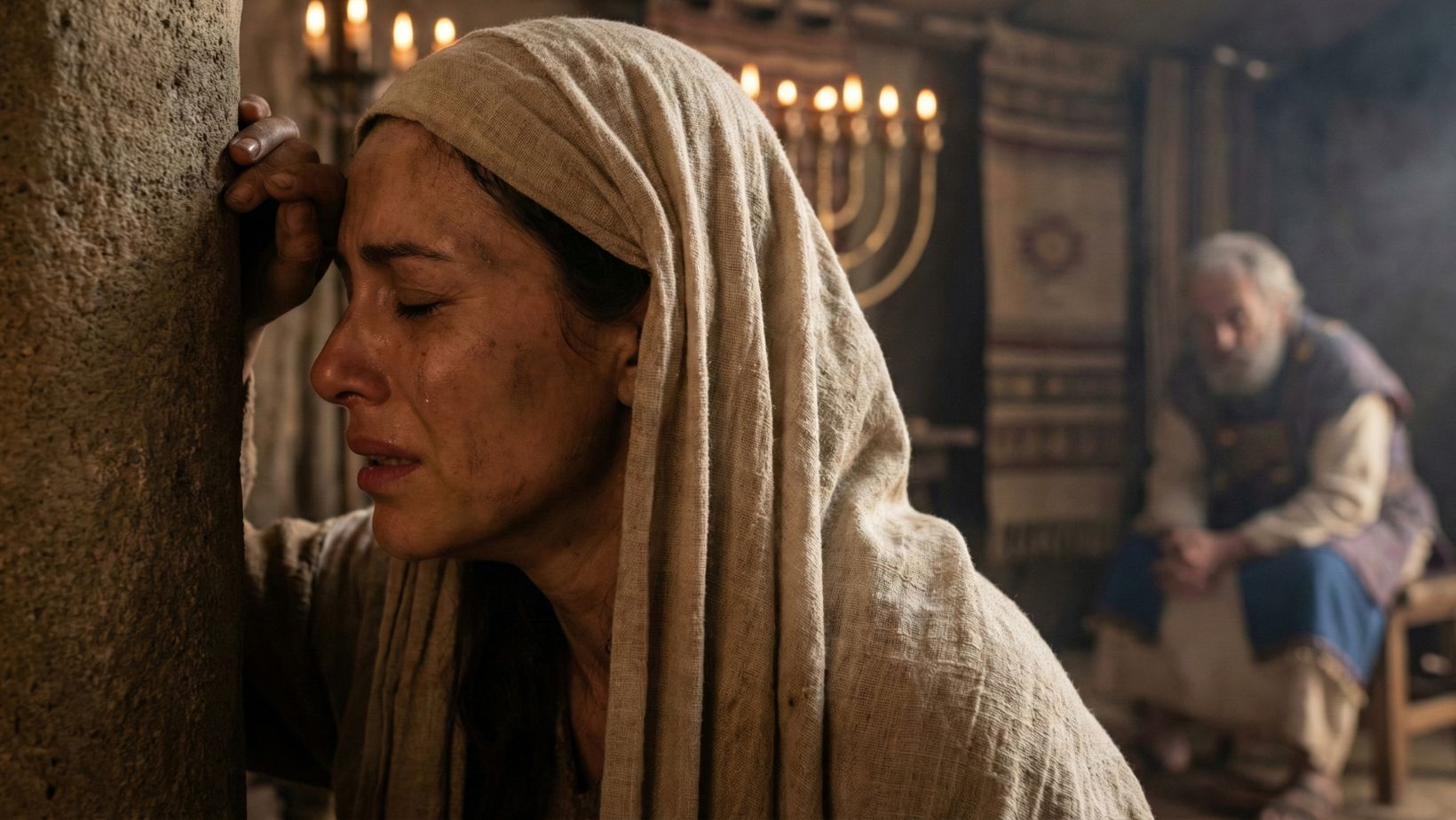
Hannah Prays for a Son
Hannah’s prayer was a watershed moment where a barren woman’s desperation met God’s sovereign purpose, resulting in a vow that would produce Israel’s greatest judge.
-
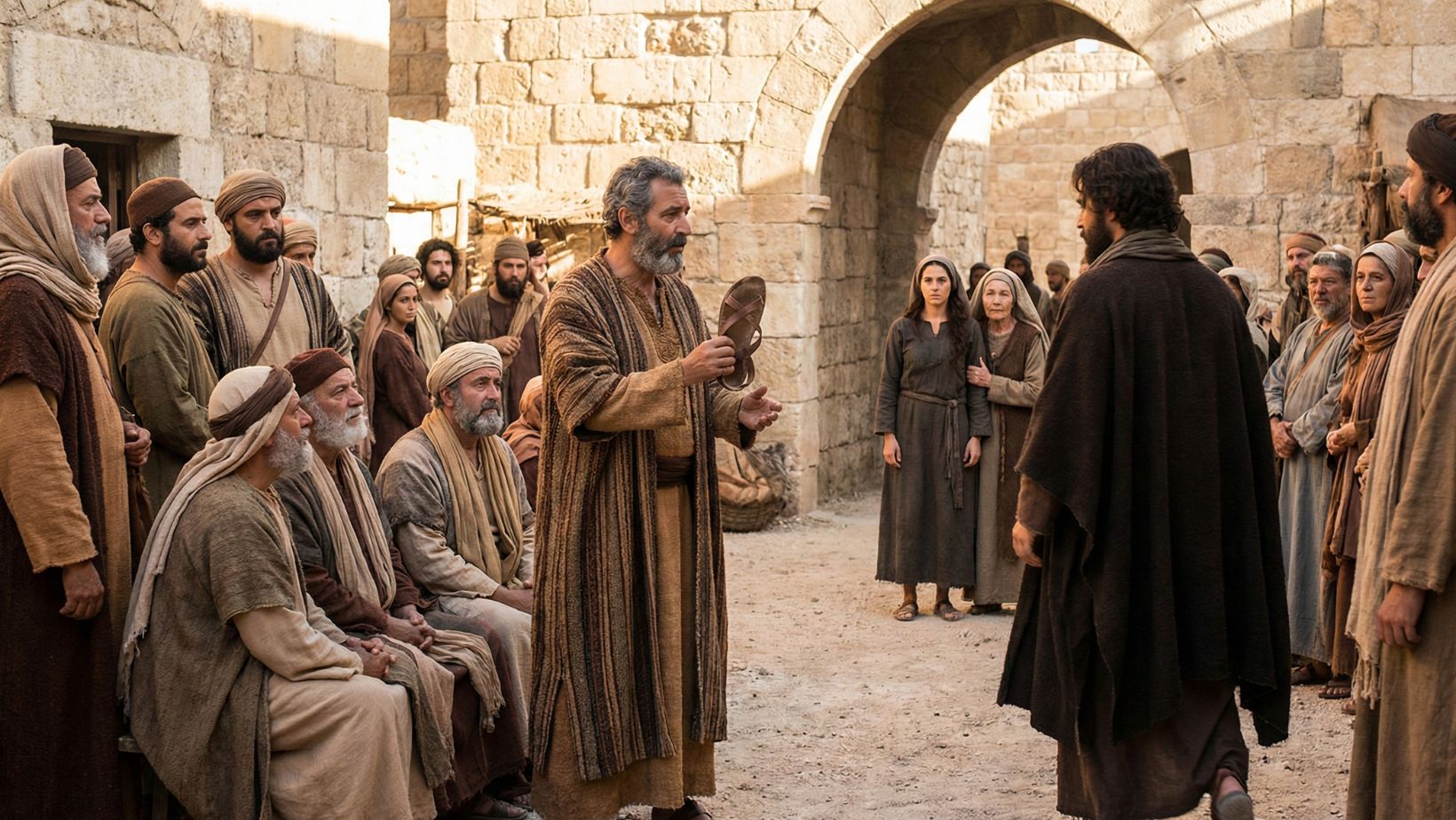
Ruth Marries Boaz
Boaz fulfilled the role of the Kinsman-Redeemer by marrying Ruth, securing her future and producing the grandfather of King David, demonstrating how God weaves personal faithfulness into His grand redemptive plan.
-
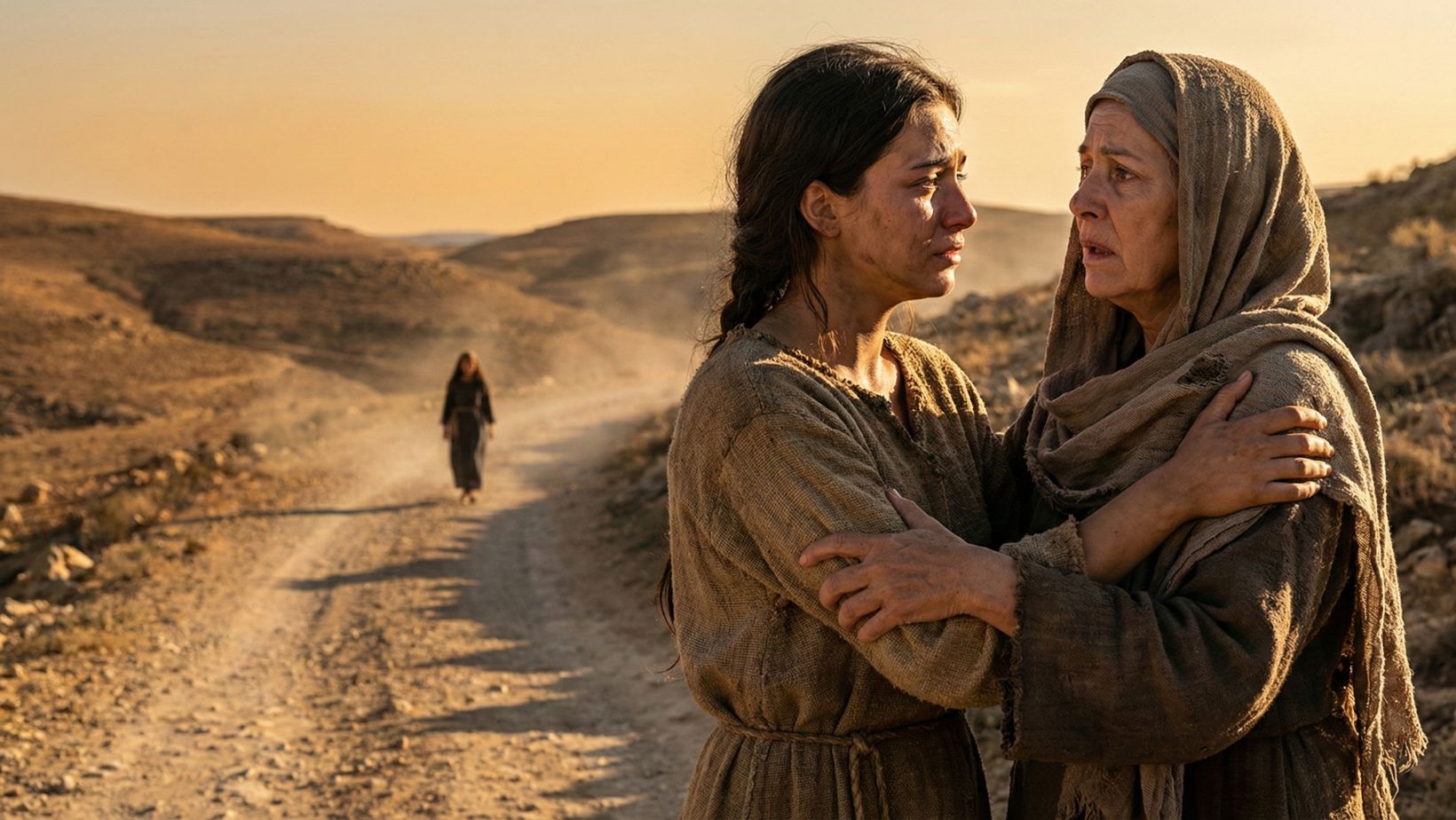
Ruth’s Loyalty to Naomi
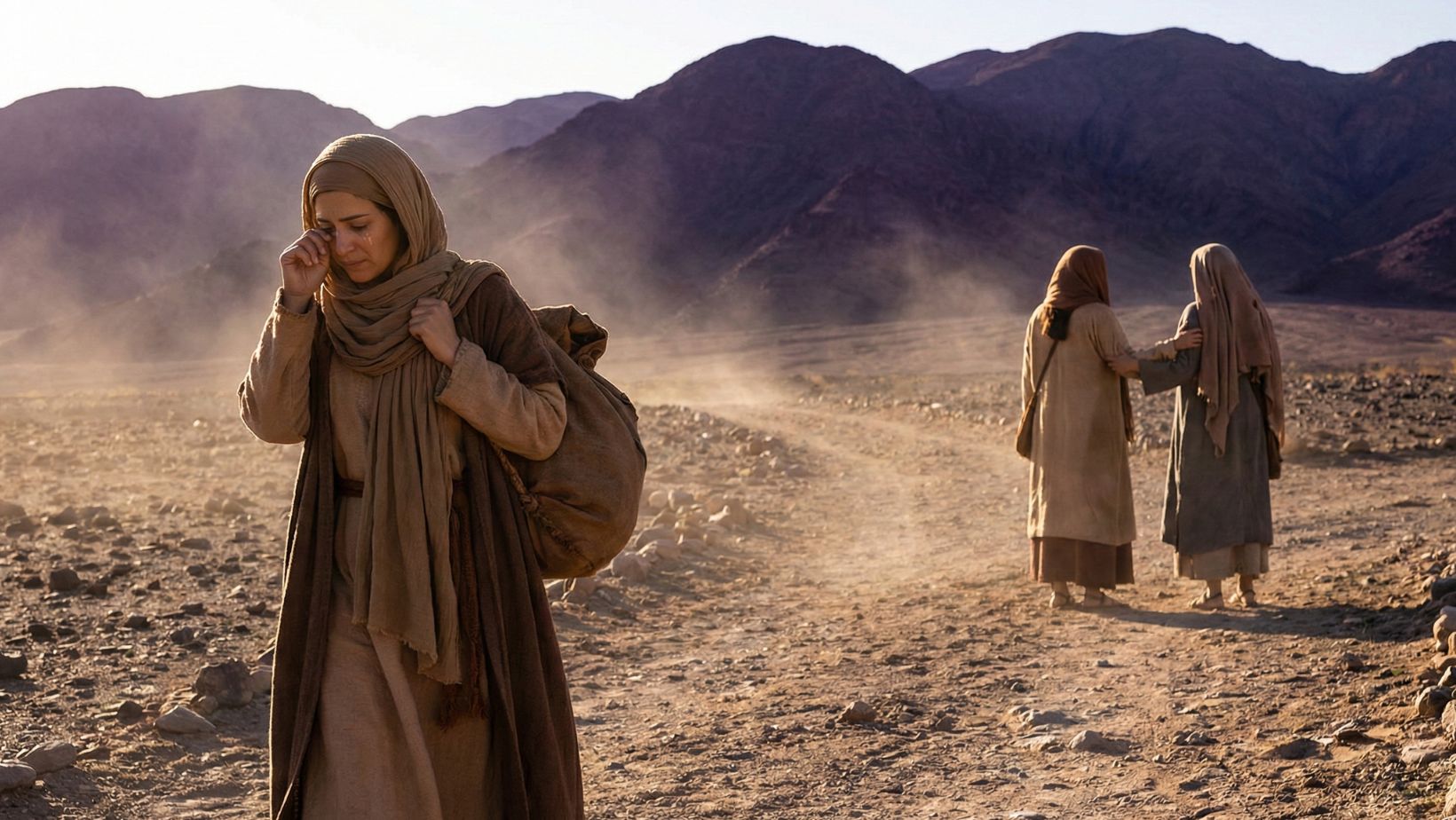
Ruth’s loyalty to Naomi was a radical, self-sacrificing commitment that transcended culture, religion, and death, perfectly embodying the biblical ideal of hesed (loyal love).
-
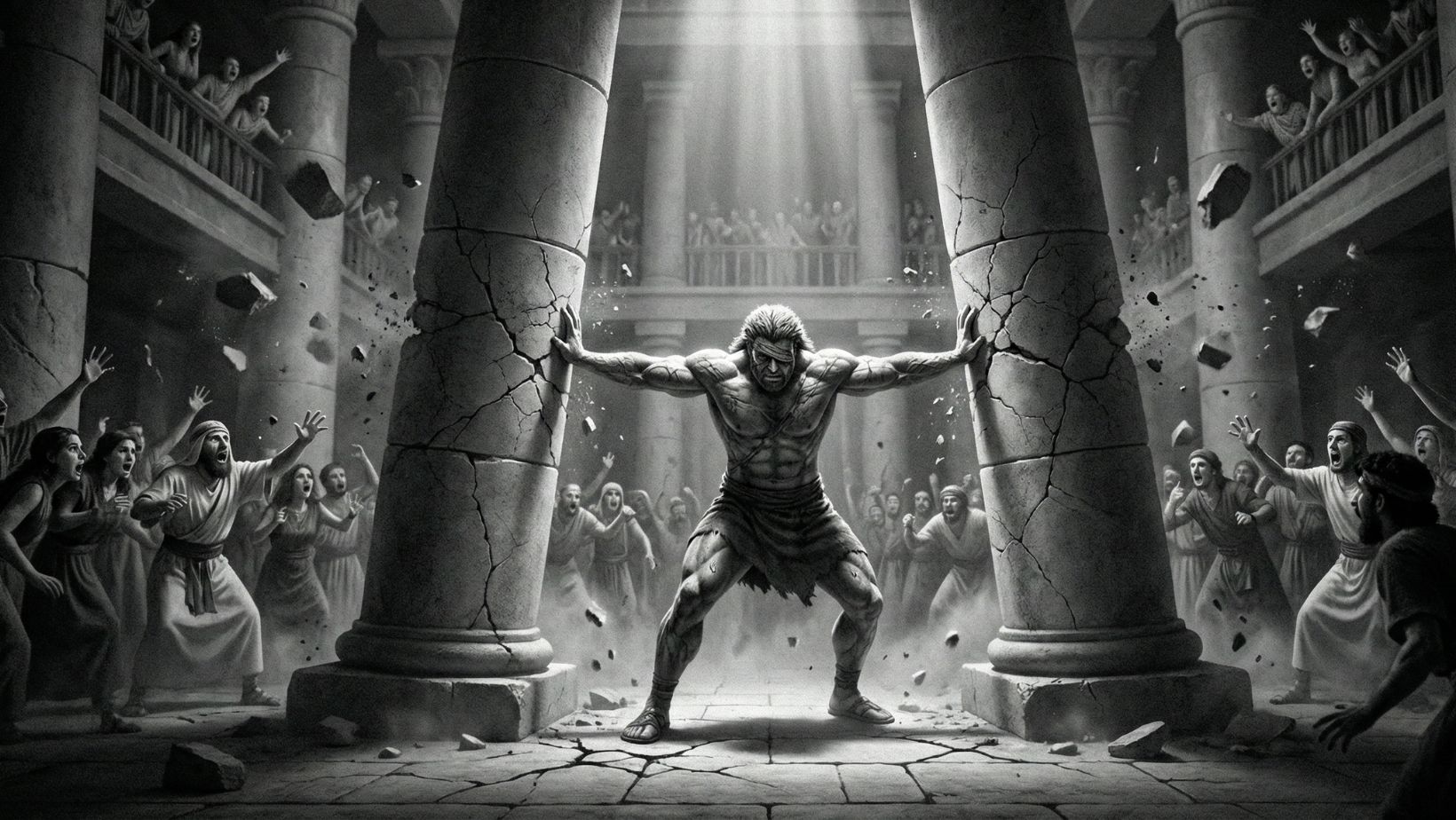
Samson’s Feats and Downfall
Samson was a man of supernatural strength and catastrophic moral weakness who, after being broken and blinded by his own choices, achieved his greatest victory over Israel’s enemies in his final moment of death.
-
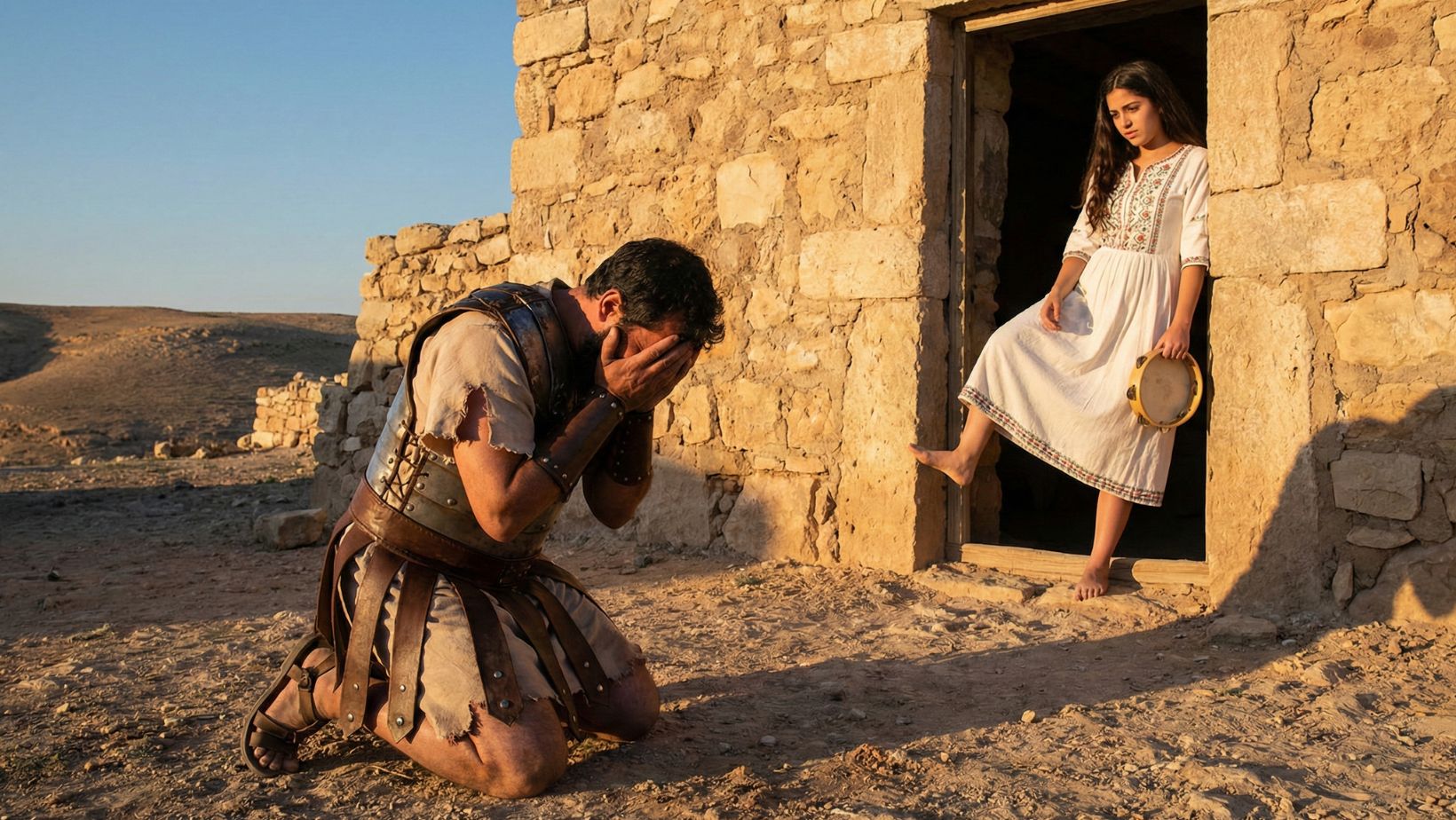
Jephthah’s Vow
Jephthah was a tragic warrior whose desperate need for validation led him to make a reckless vow, costing him his only daughter and ending his family line despite his military victory.
Bible Characters

-
Jonathan
Jonathan was the valiant crown prince of Israel who chose loyalty to God’s anointed over his own ambition, becoming the Bible’s ultimate example of sacrificial friendship.
-
Michal
Michal was the daughter of King Saul who saved David’s life out of love but ultimately ended her life in barren isolation because she valued royal dignity over humble worship.
-
Abner
Abner was the powerful commander of Saul’s army who, after a long rivalry with David, sought to unite all Israel under David’s crown before being tragically assassinated by Joab.
Biblical Events
-
Jonathan
Jonathan was the valiant crown prince of Israel who chose loyalty to God’s anointed over his own ambition, becoming the Bible’s ultimate example of sacrificial friendship.
-
Michal
Michal was the daughter of King Saul who saved David’s life out of love but ultimately ended her life in barren isolation because she valued royal dignity over humble worship.
-
Abner
Abner was the powerful commander of Saul’s army who, after a long rivalry with David, sought to unite all Israel under David’s crown before being tragically assassinated by Joab.
Bible Locations

-
The City of David
The City of David is the ancient, fortified ridge where King David established his capital, serving as the historical seed from which Jerusalem grew and the spiritual center of the Israelite kingdom.
-
Mahanaim
Mahanaim, meaning “Two Camps,” was the historic fortress city east of the Jordan where Jacob met angels and where kings Ishbosheth and David found refuge during Israel’s greatest civil wars.
-
Jabesh-gilead
Jabesh-gilead was a city defined by a legacy of survival and fierce loyalty, best known for the valiant night raid to retrieve the bodies of King Saul and his sons from Philistine desecration.
