


Biblical Events
Events capture key moments in biblical history where God’s power, judgment, and mercy were revealed, shaping the faith and destiny of His people.
-
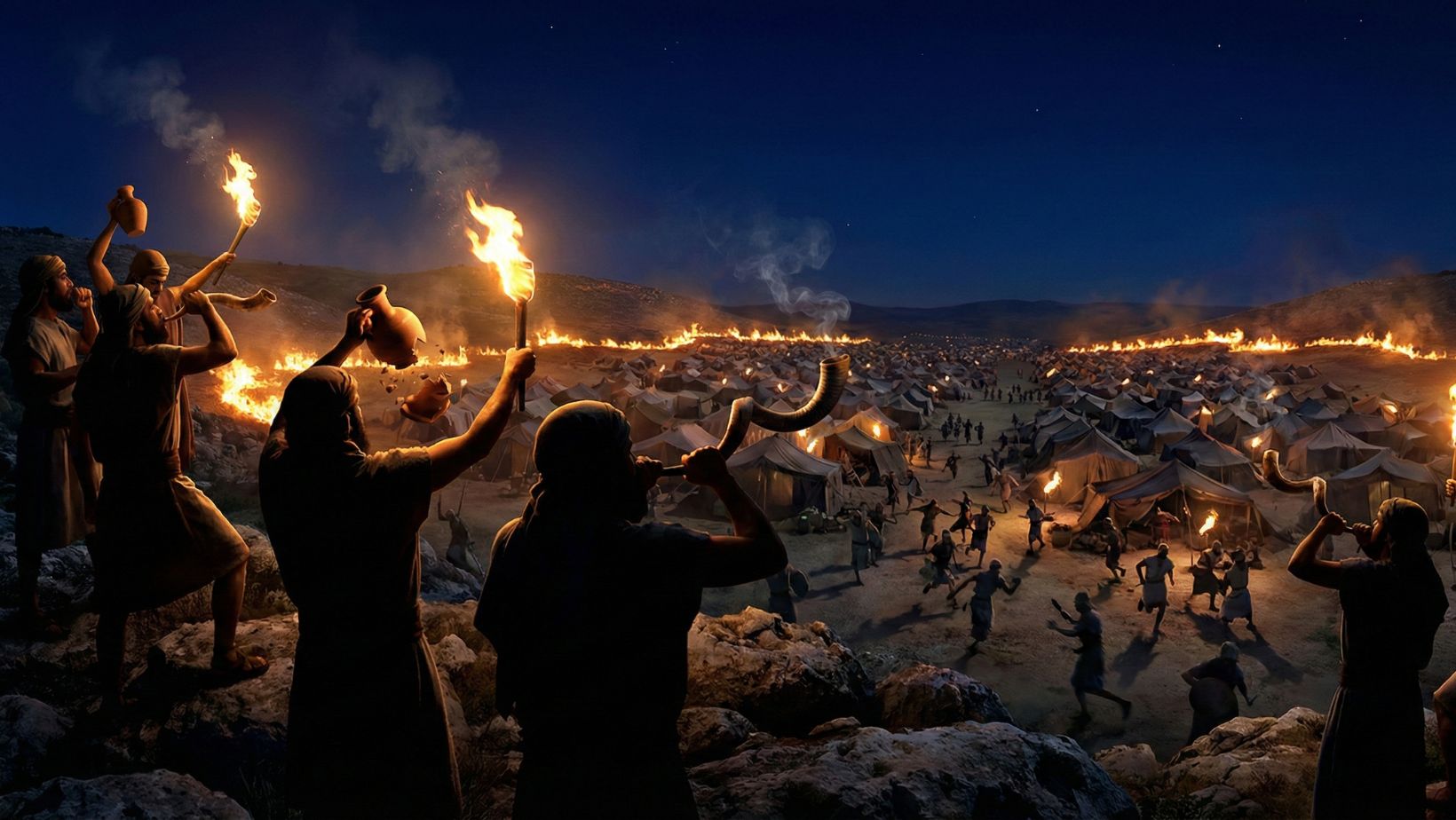
Gideon’s 300 Men Defeat Midianites
Gideon’s defeat of the vast Midianite army with only 300 men, armed with trumpets and torches, stands as a timeless testament that God’s strength is perfected in human weakness.
-
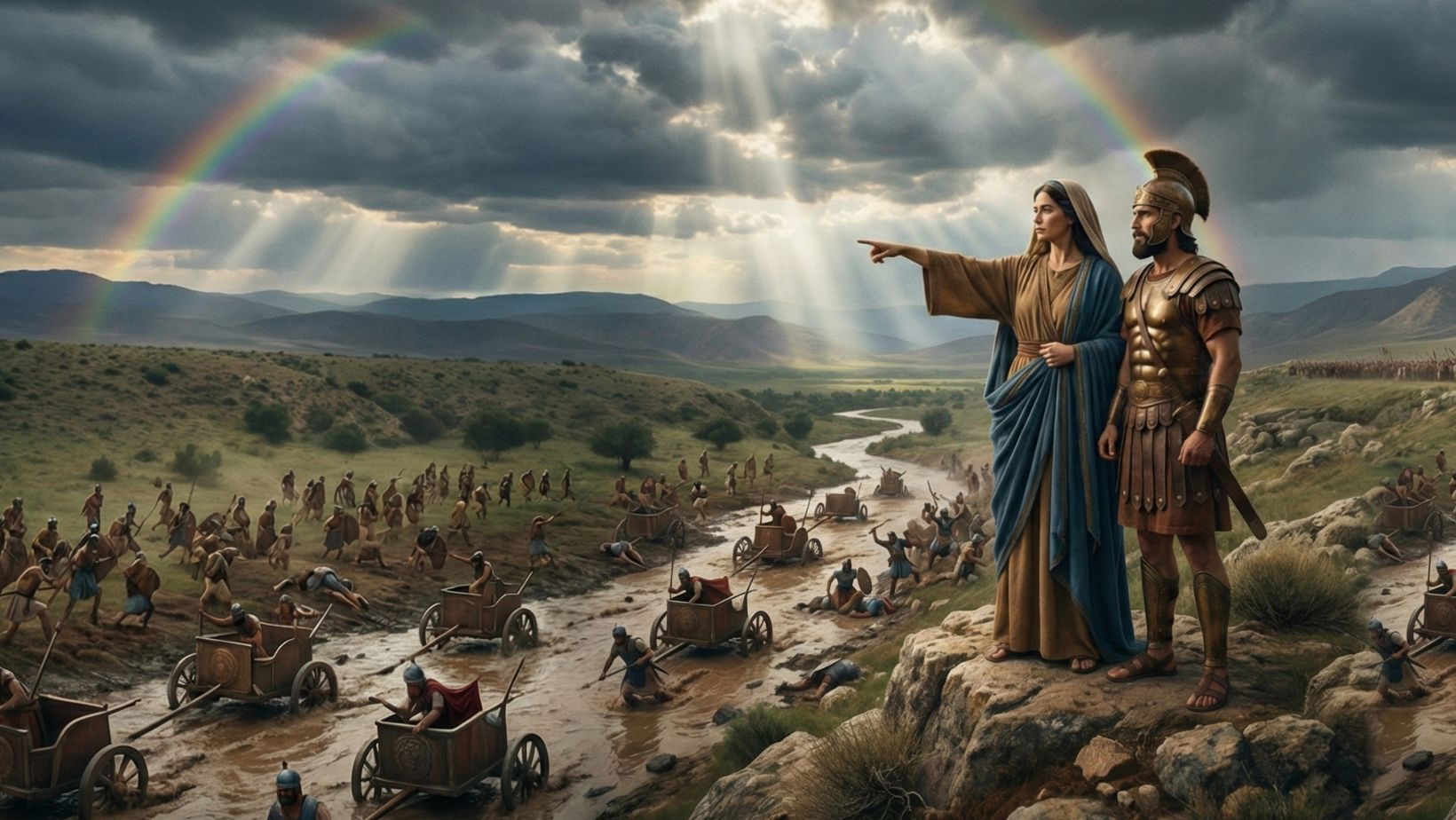
Deborah Leads Victory Over Sisera
Deborah was a fearless prophetess and judge who rallied Israel’s armies to break the yoke of Canaanite oppression, ushering in forty years of peace through her faith and strategic leadership.
-
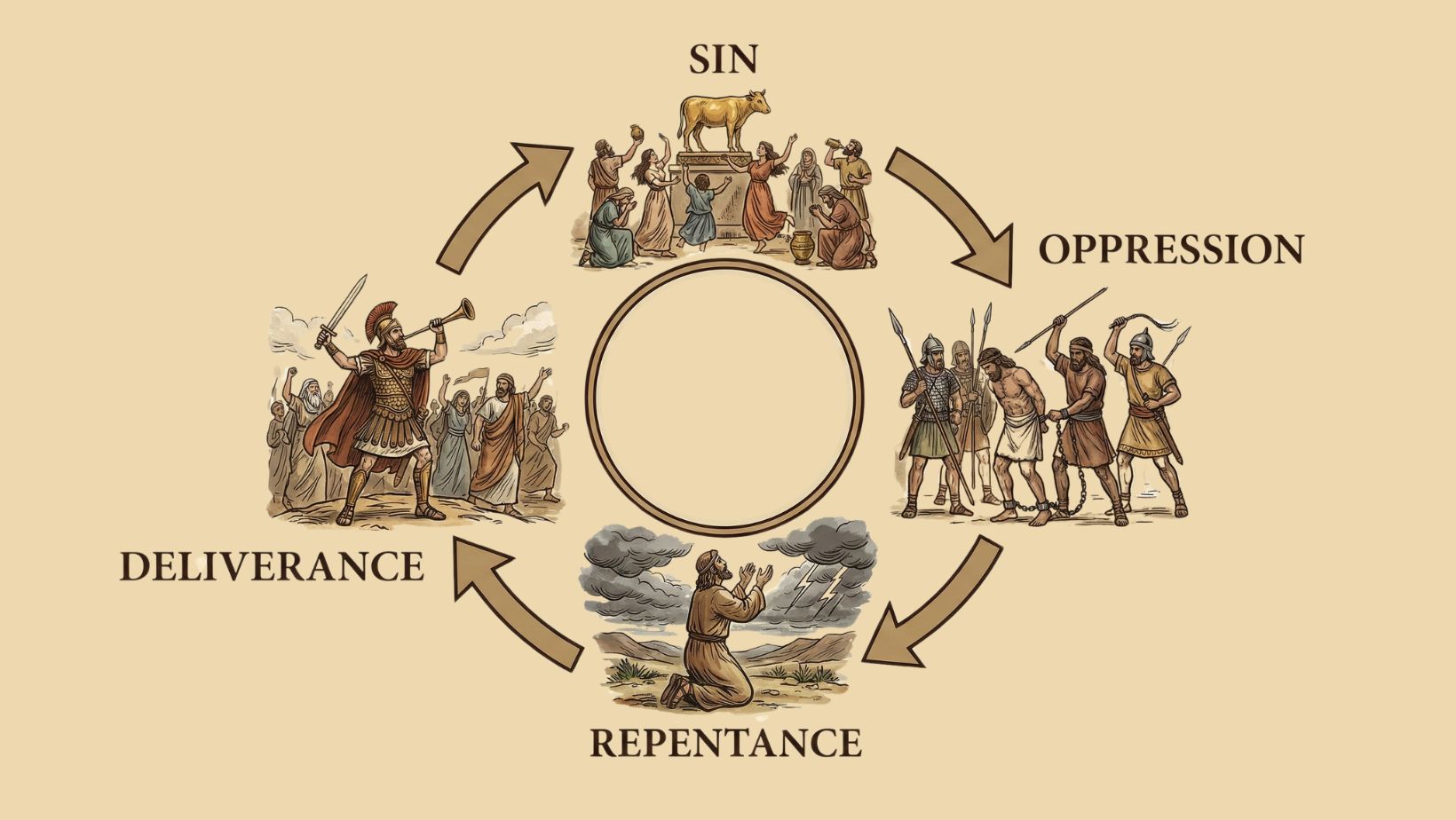
Israel’s Cycle of Rebellion and Deliverance
The Cycle of Judges describes Israel’s repetitive history of rebellion, oppression, and divine rescue, illustrating the disastrous consequences of abandoning God and the depths of His redeeming mercy.
-
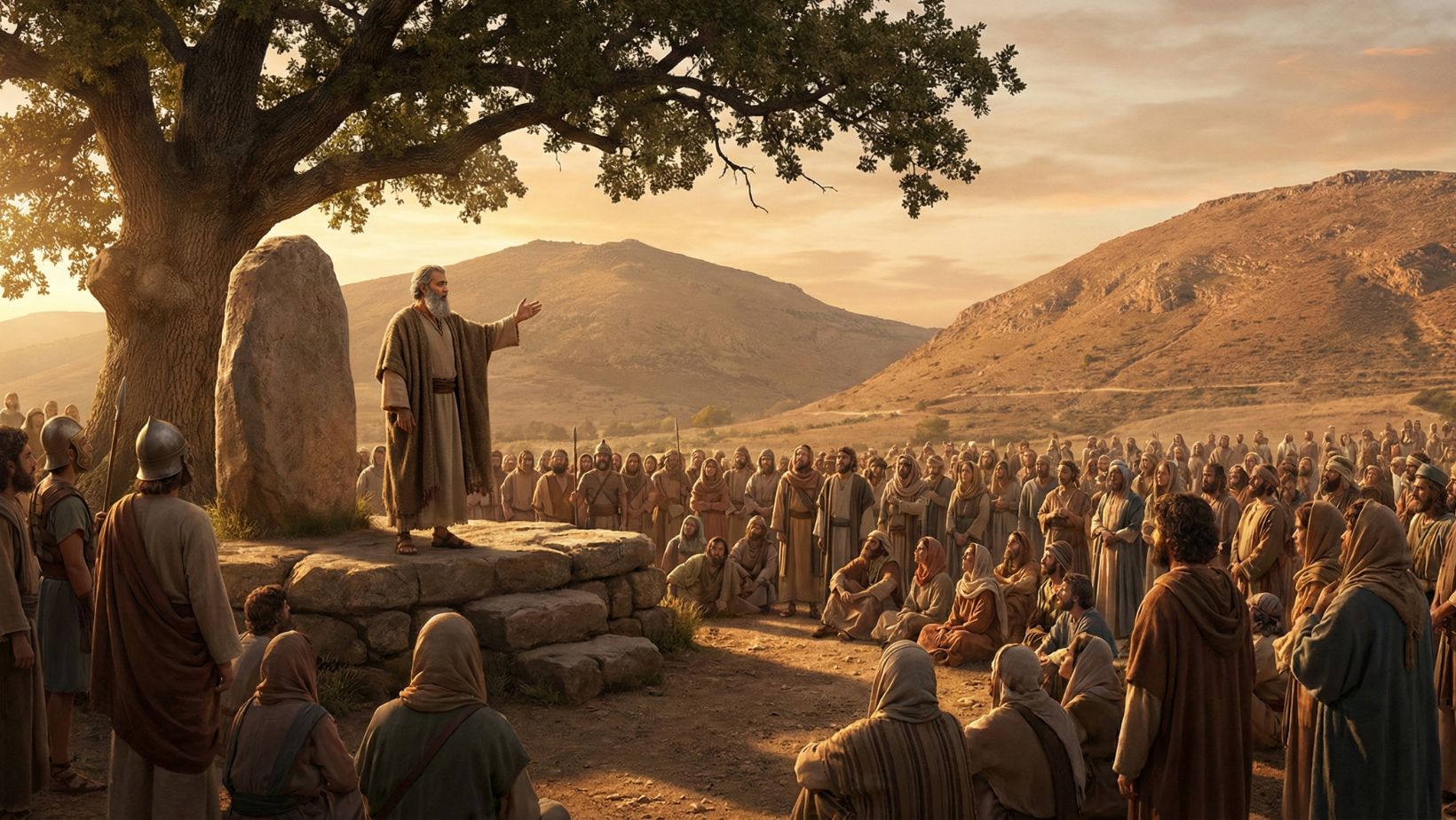
Joshua’s Farewell and Death
Joshua’s final farewell challenged Israel to make a deliberate choice to serve Yahweh, sealing the conquest era with a covenant renewal before his death and the burial of the patriarchs.
-
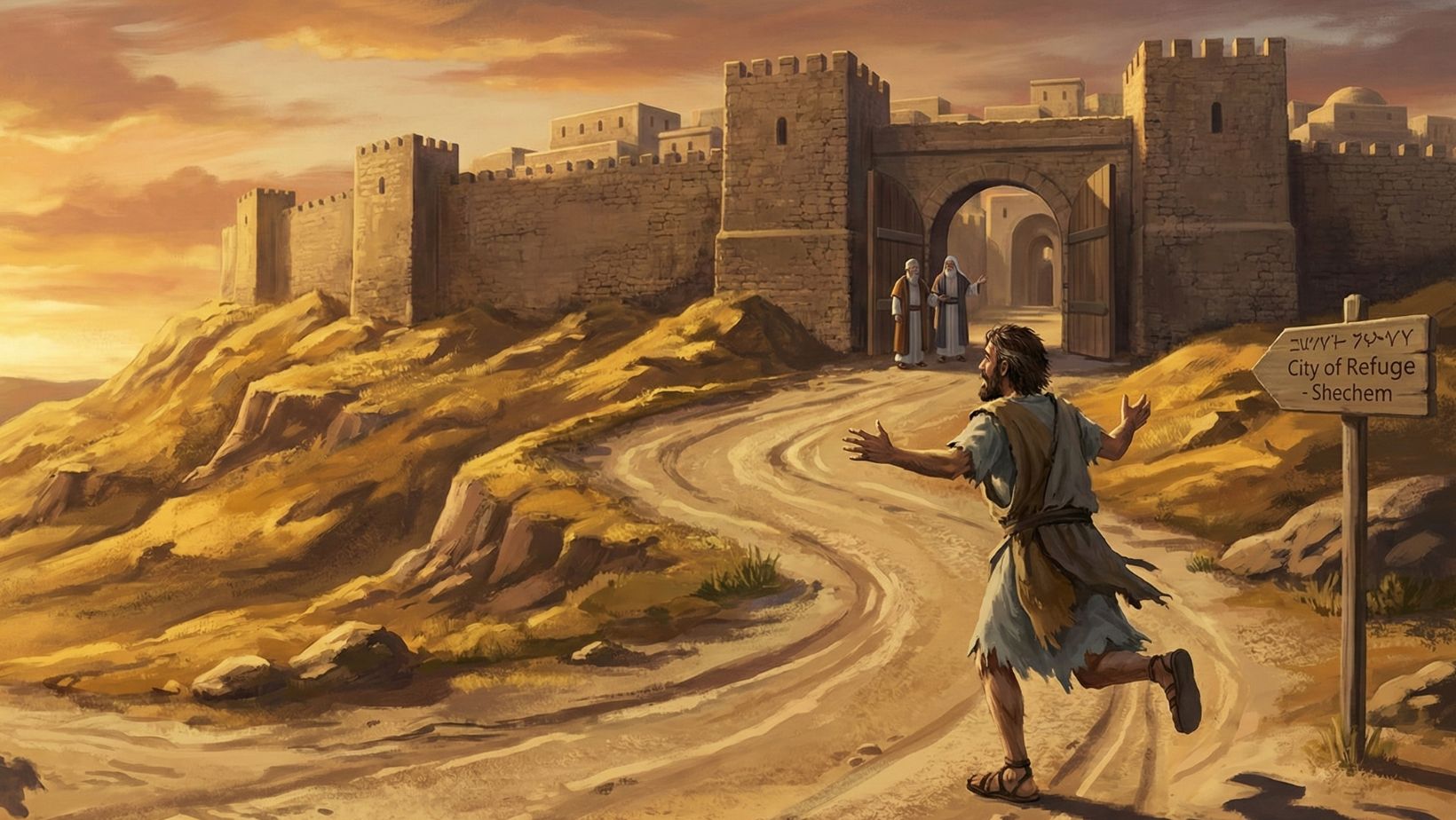
Cities of Refuge Established
The Cities of Refuge provided a divine system of justice that protected the unintentional killer from vengeance, foreshadowing the safety and freedom found in Christ, our High Priest.
-
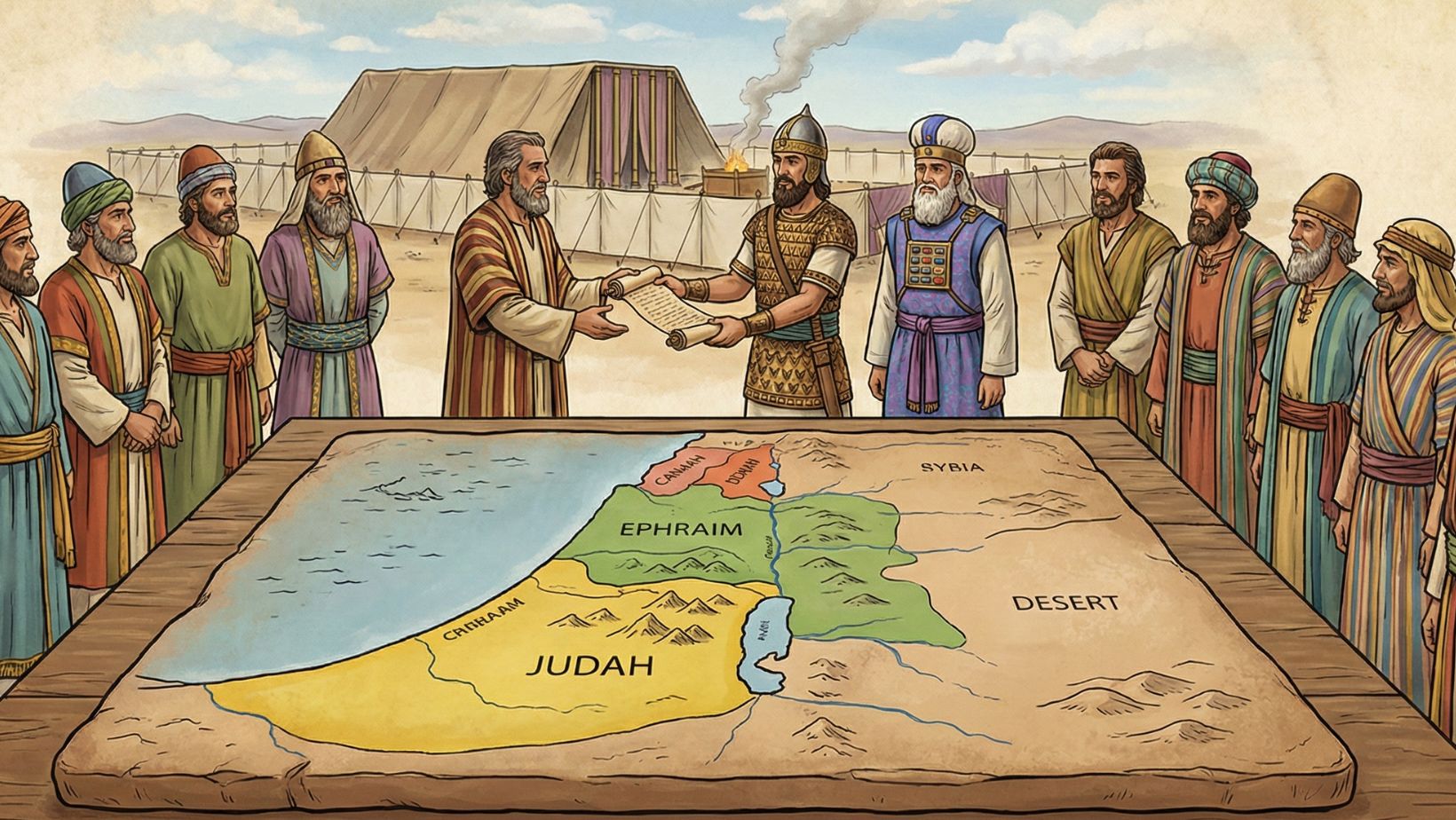
Land Divided Among Tribes
The division of the land was the tangible fulfillment of God’s covenant with Abraham, distributing the Promised Land to the tribes by divine lot while setting apart the Levites for spiritual service.
-
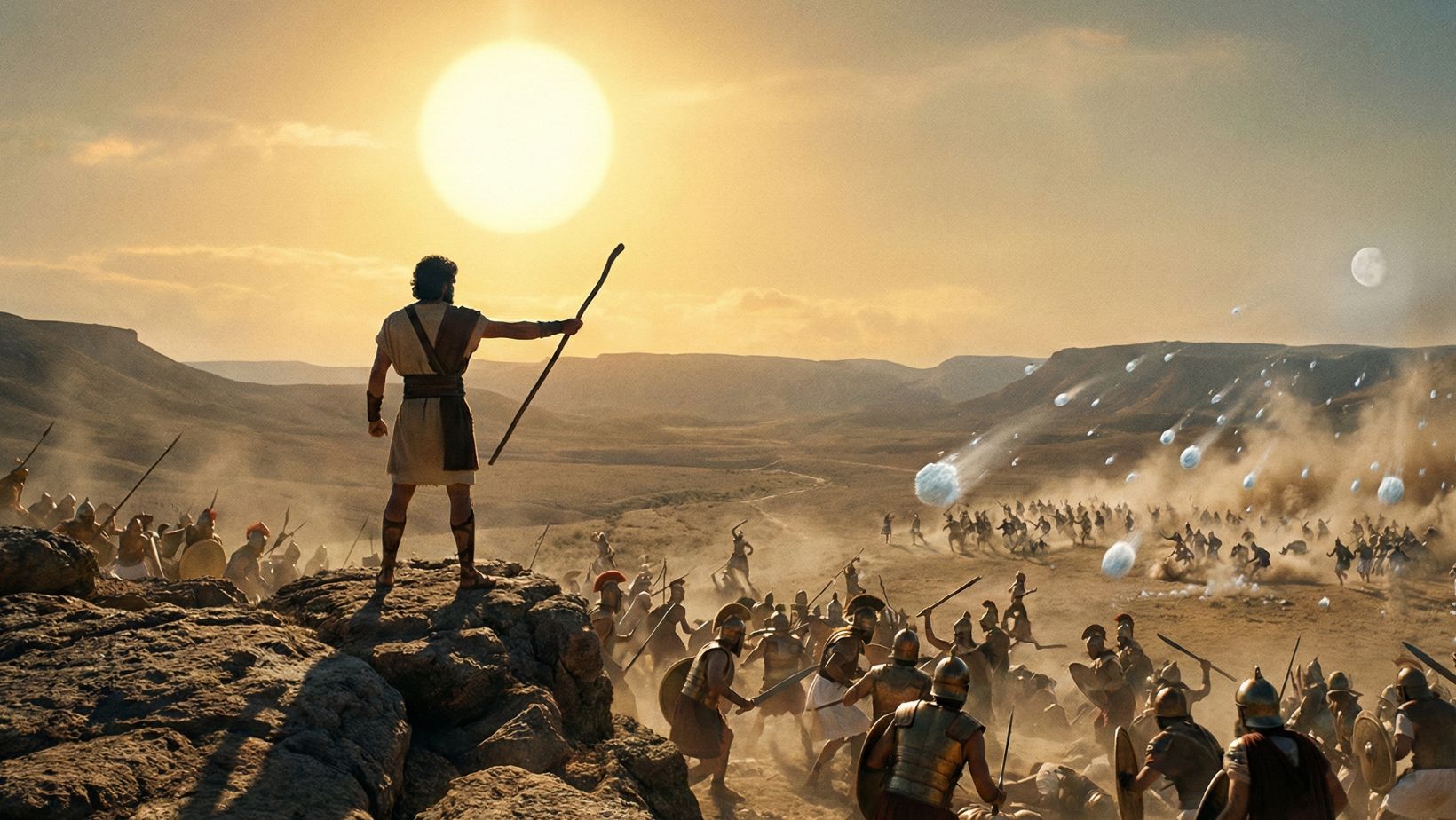
Sun Stands Still Over Gibeon
The miracle of the sun standing still over Gibeon stands as a testament to the power of bold prayer and God’s willingness to suspend the laws of nature to fulfill His covenant promises.
-
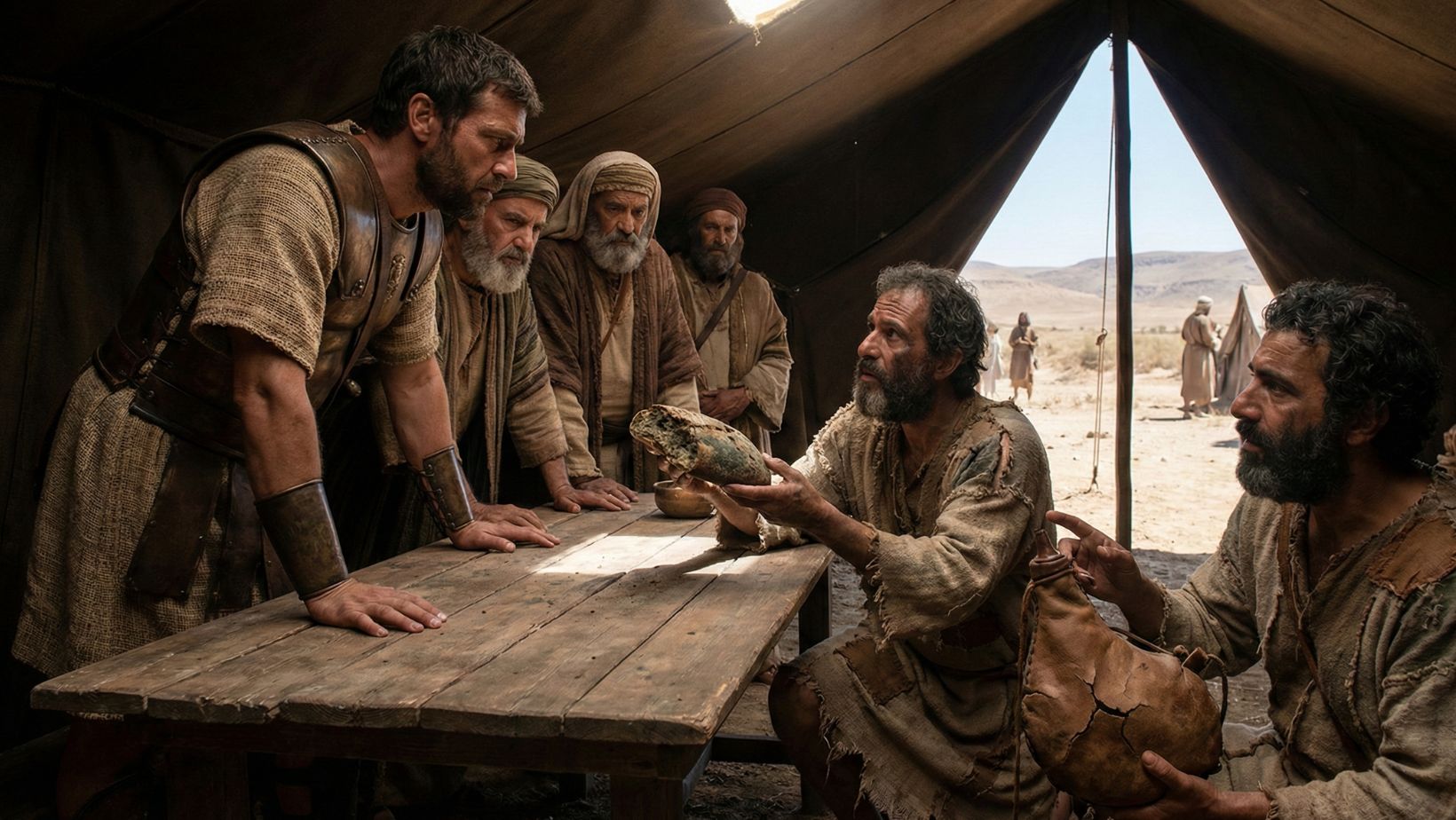
Gibeonite Deception
The Gibeonite deception serves as a timeless warning against making decisions without prayer, while simultaneously highlighting the inviolable nature of a covenant and God’s mercy in sparing those who fear Him.
-
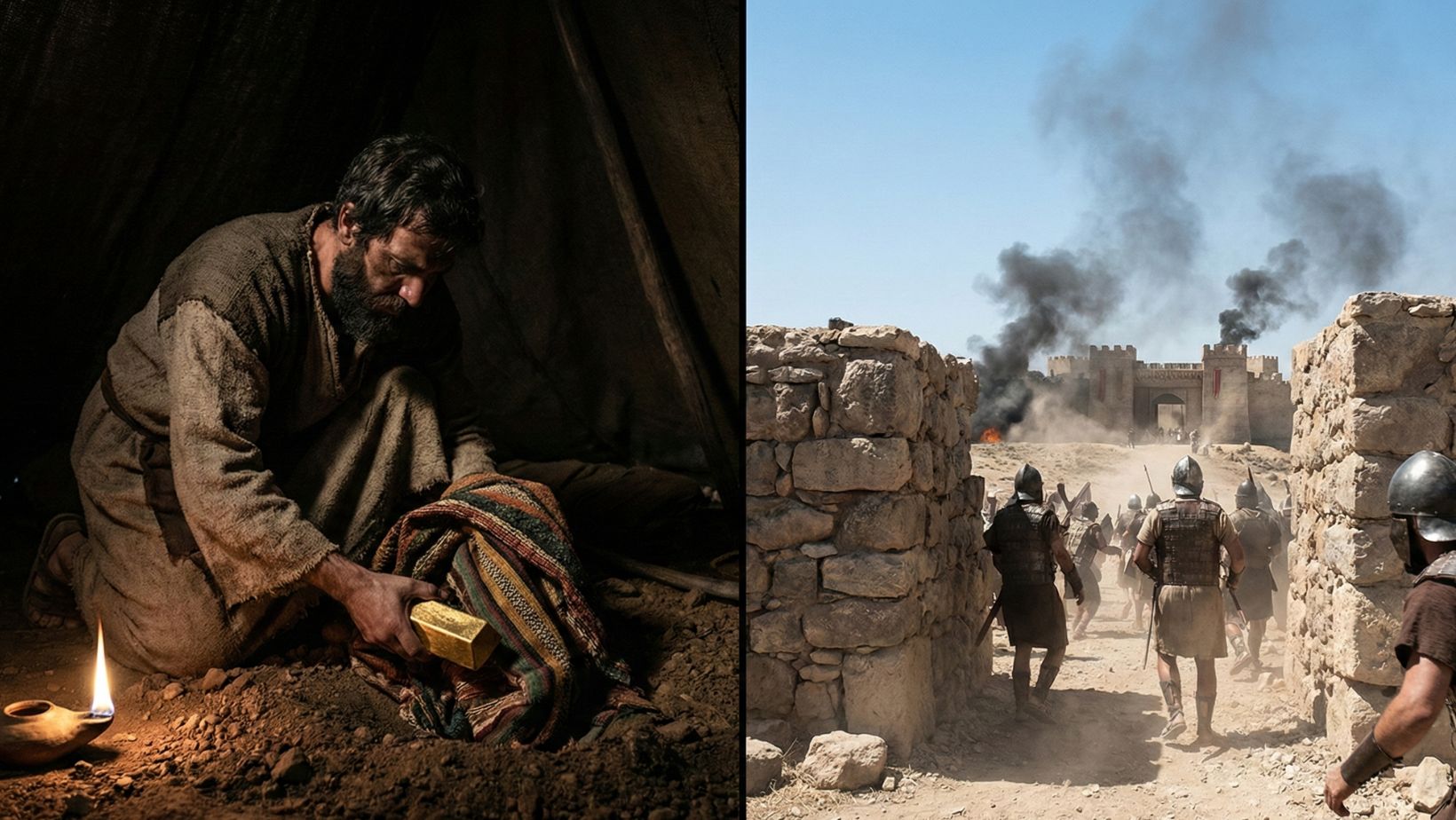
Sin of Achan and conquest of Ai
The story of Achan and Ai vividly demonstrates that hidden sin leads to corporate defeat, but honest repentance and obedience open the door to divine restoration and victory.
-
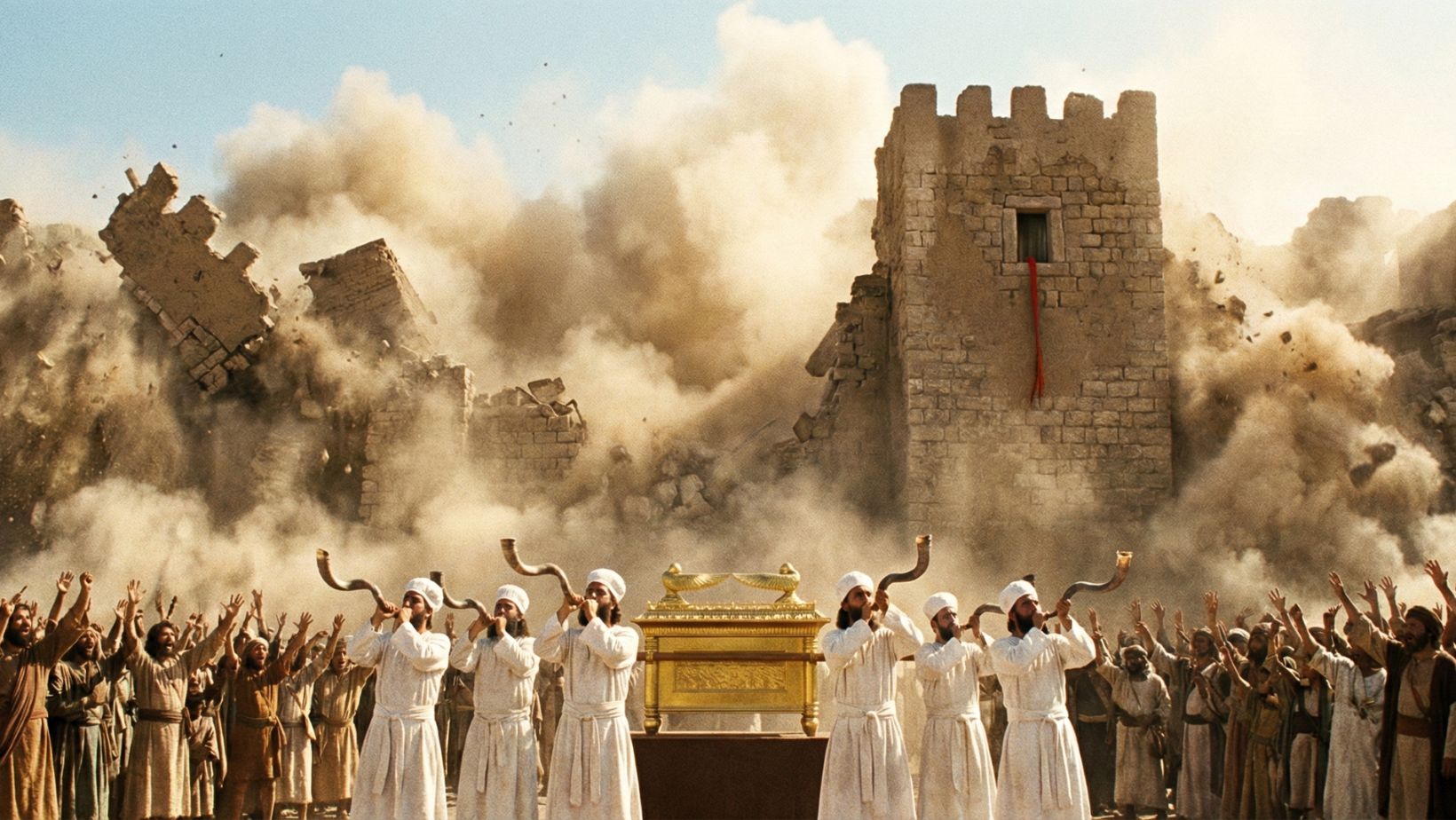
Fall of Jericho
The Fall of Jericho is the first major battle of the Israelite conquest of Canaan, distinguished not by military strategy but by a miraculous display of divine power. Following the crossing of the Jordan, the Israelites faced Jericho, a heavily fortified city that stood as the gateway to the Promised Land. Instead of a siege…
Bible Characters

-
Jonathan
Jonathan was the valiant crown prince of Israel who chose loyalty to God’s anointed over his own ambition, becoming the Bible’s ultimate example of sacrificial friendship.
-
Michal
Michal was the daughter of King Saul who saved David’s life out of love but ultimately ended her life in barren isolation because she valued royal dignity over humble worship.
-
Abner
Abner was the powerful commander of Saul’s army who, after a long rivalry with David, sought to unite all Israel under David’s crown before being tragically assassinated by Joab.
Biblical Events

-
Jonathan
Jonathan was the valiant crown prince of Israel who chose loyalty to God’s anointed over his own ambition, becoming the Bible’s ultimate example of sacrificial friendship.
-
Michal
Michal was the daughter of King Saul who saved David’s life out of love but ultimately ended her life in barren isolation because she valued royal dignity over humble worship.
-
Abner
Abner was the powerful commander of Saul’s army who, after a long rivalry with David, sought to unite all Israel under David’s crown before being tragically assassinated by Joab.
Bible Locations

-
The City of David
The City of David is the ancient, fortified ridge where King David established his capital, serving as the historical seed from which Jerusalem grew and the spiritual center of the Israelite kingdom.
-
Mahanaim
Mahanaim, meaning “Two Camps,” was the historic fortress city east of the Jordan where Jacob met angels and where kings Ishbosheth and David found refuge during Israel’s greatest civil wars.
-
Jabesh-gilead
Jabesh-gilead was a city defined by a legacy of survival and fierce loyalty, best known for the valiant night raid to retrieve the bodies of King Saul and his sons from Philistine desecration.
