
Biblical Events
Events capture key moments in biblical history where God’s power, judgment, and mercy were revealed, shaping the faith and destiny of His people.
-
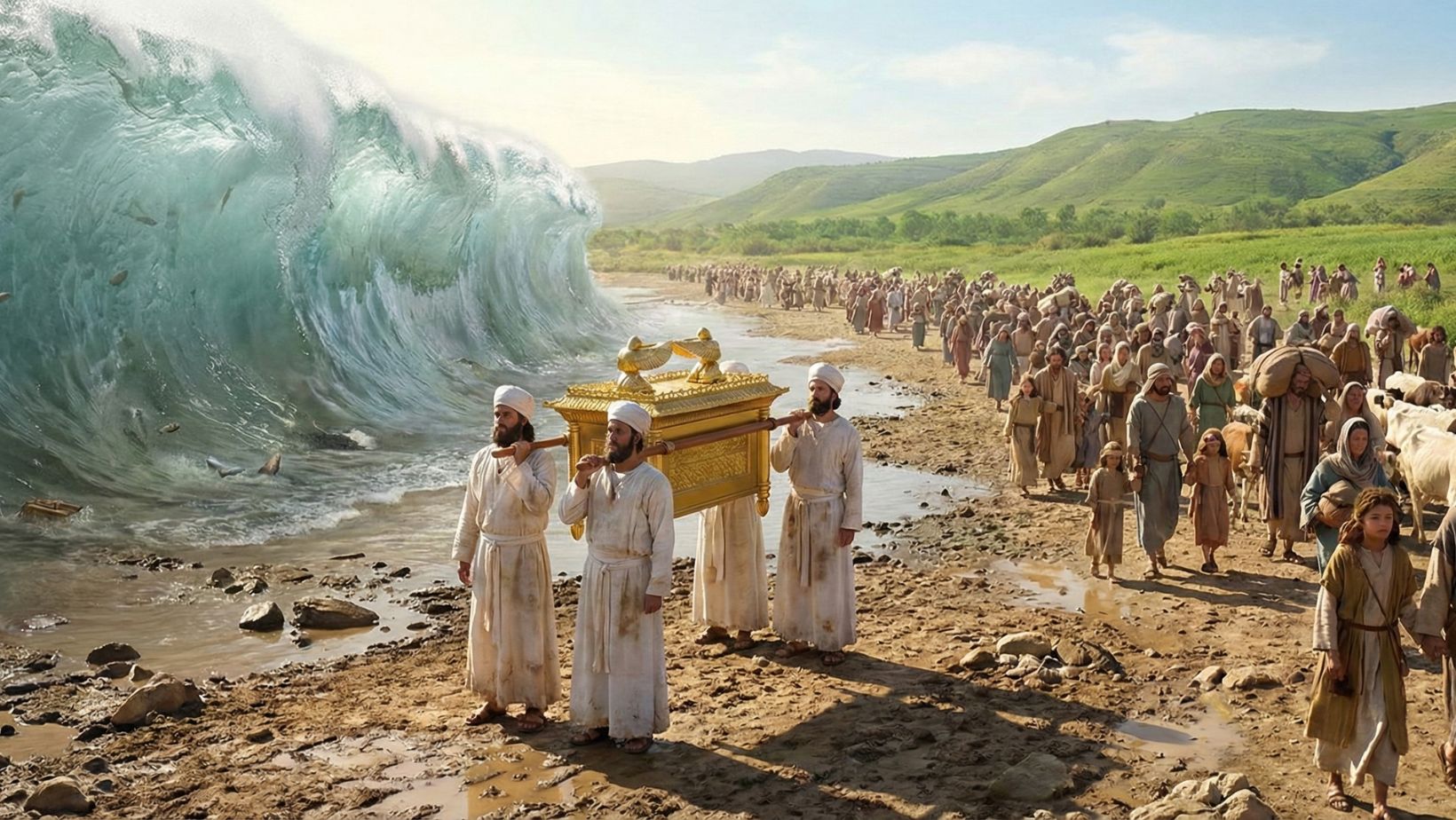
Crossing the Jordan River
The Crossing of the Jordan was a miraculous confirmation of God’s covenant, where the waters were parted for the Israelites to enter the Promised Land on dry ground, signifying the end of their wilderness wanderings.
-
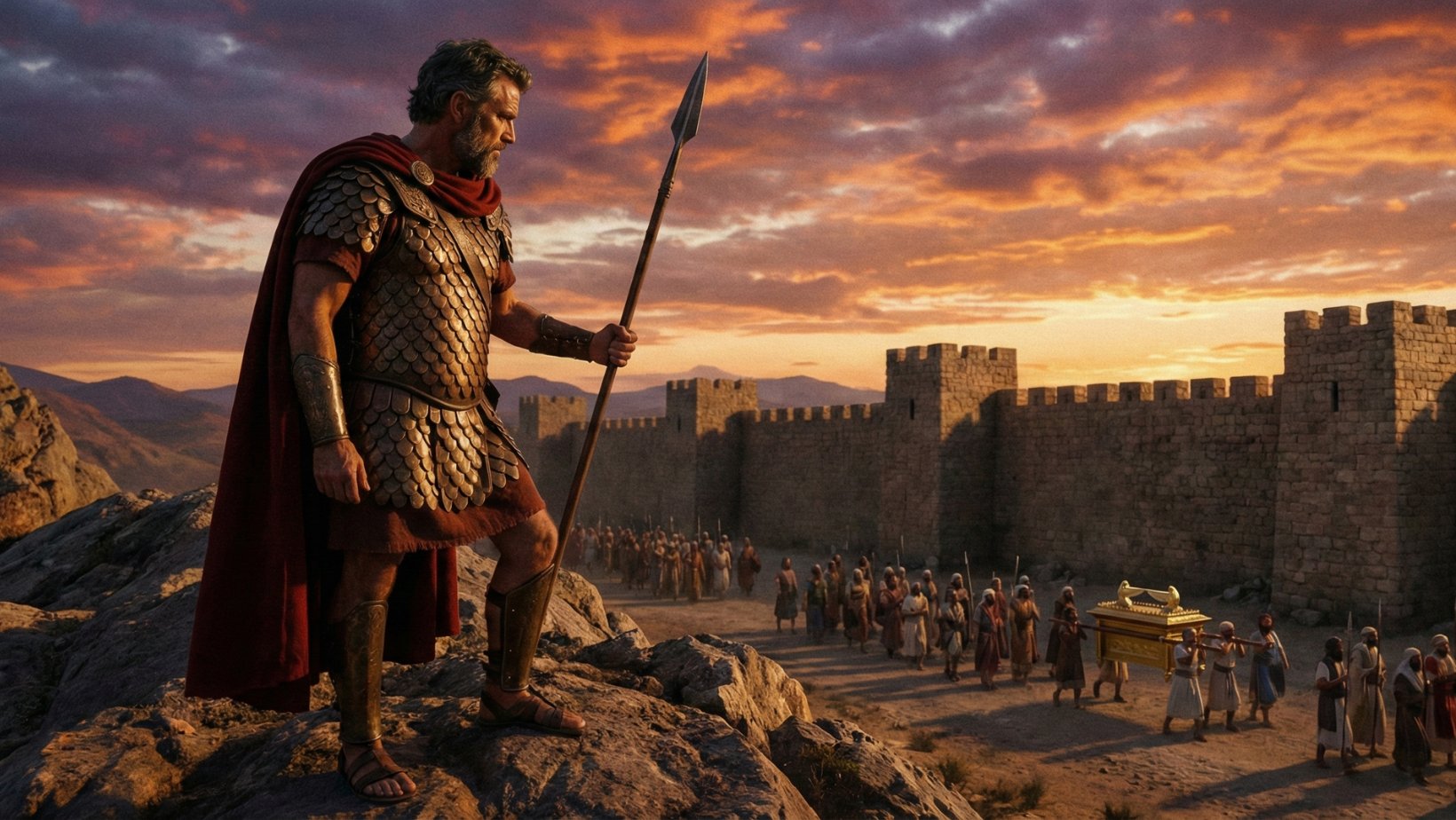
Joshua Leads Israel
Joshua was the courageous successor to Moses who led the Israelites in the miraculous conquest of Canaan and established them in the Promised Land through unwavering obedience to God.
-

Moses Views the Promised Land and Dies
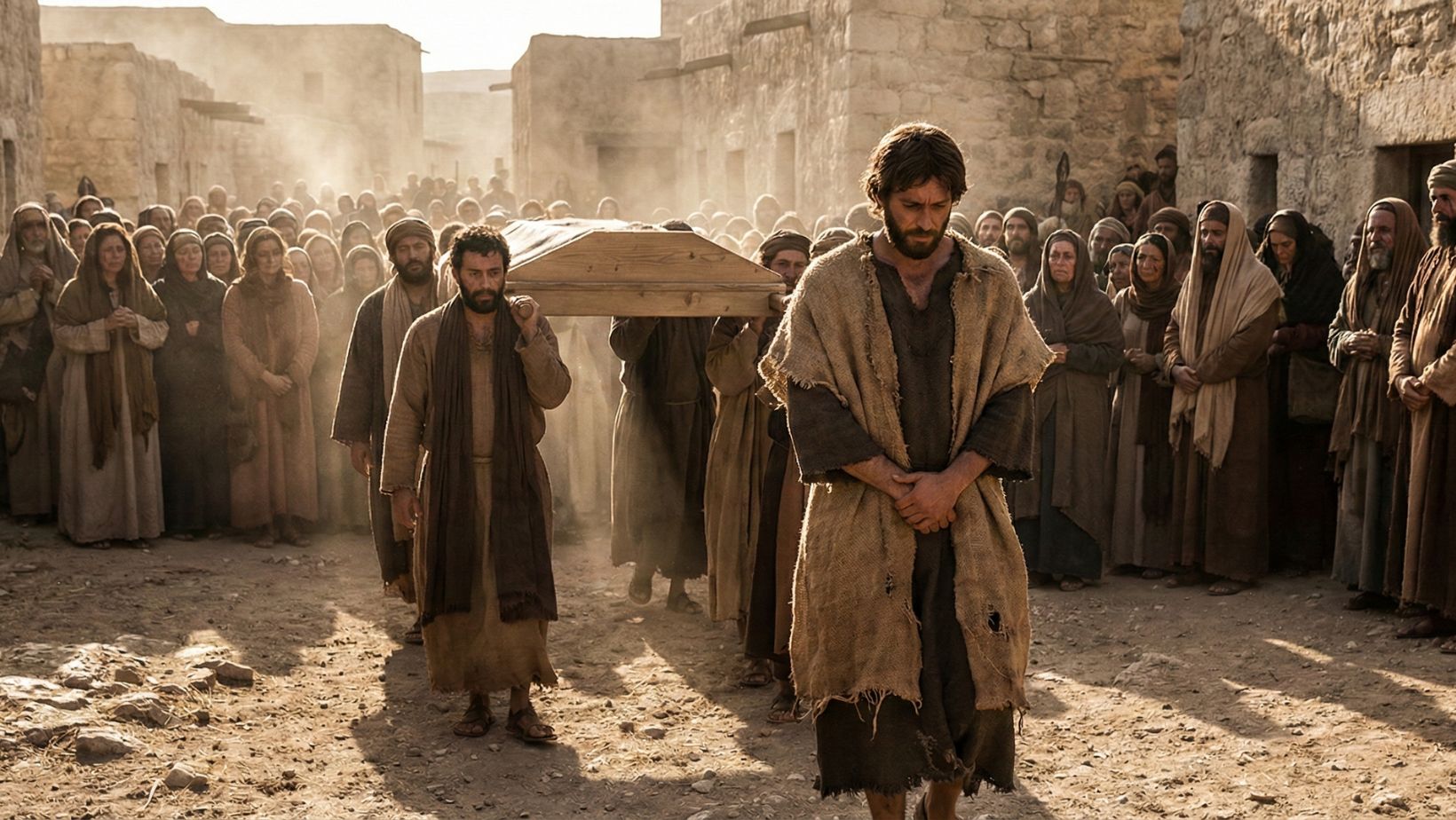
Moses’ death on Mount Nebo was a moment of divine intimacy where the great Lawgiver saw the fulfillment of the Promise from afar, died in the arms of God, and made way for Joshua to lead the people home.
-
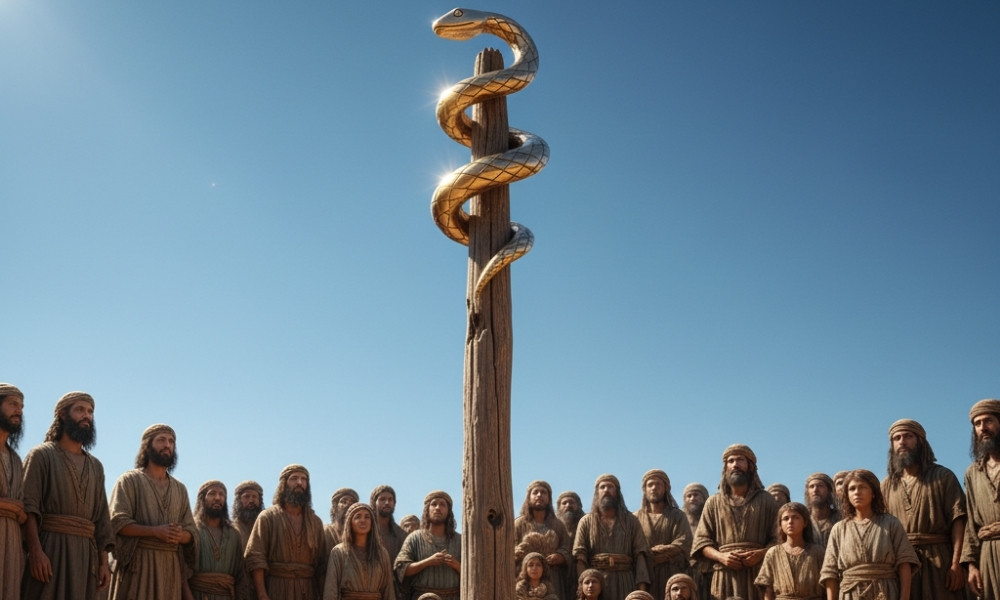
Bronze Serpent Lifted Up
The lifting of the Bronze Serpent was a divine paradox where the symbol of the curse became the means of cure, foreshadowing Christ becoming sin on the cross to save those who look to Him in faith.
-
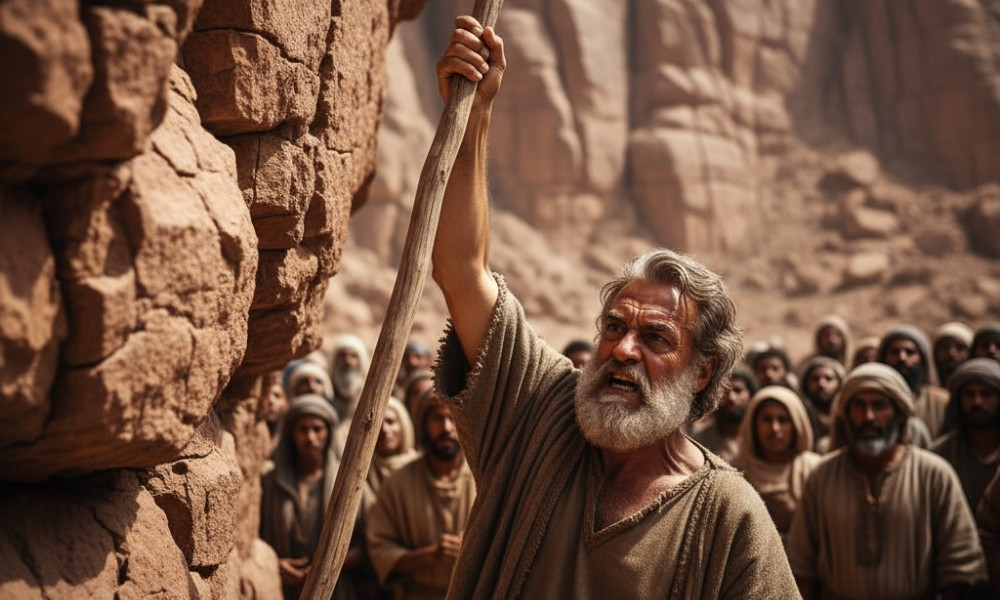
Moses Strikes the Rock
Moses’ striking of the rock was a tragedy of leadership where momentary anger and pride misrepresented God’s character, costing Moses the earthly reward of entering the Promised Land.
-

Forty Years of Wandering
The Forty Years of Wandering was a divine crucible that purged Israel of its slave mentality and unbelief, transforming a rebellious mob into a disciplined nation ready to inherit the Promise.
-
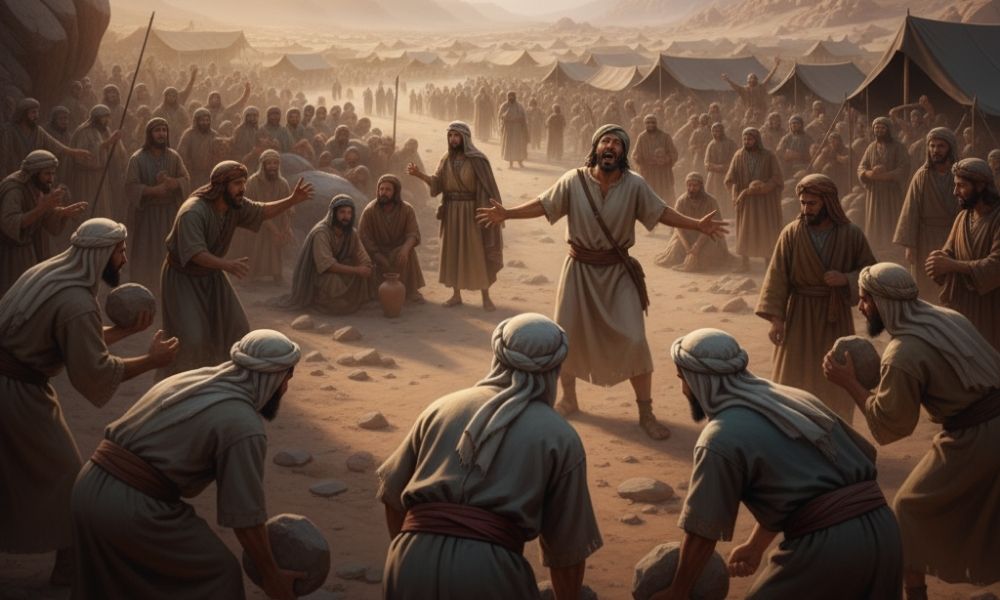
Israel Refuses to Enter the Promised Land
Israel’s refusal to enter Canaan was a full-scale rebellion at Kadesh-barnea, where, motivated by fear and unbelief, they rejected God’s promise and were sentenced to 40 years of wilderness wandering.
-
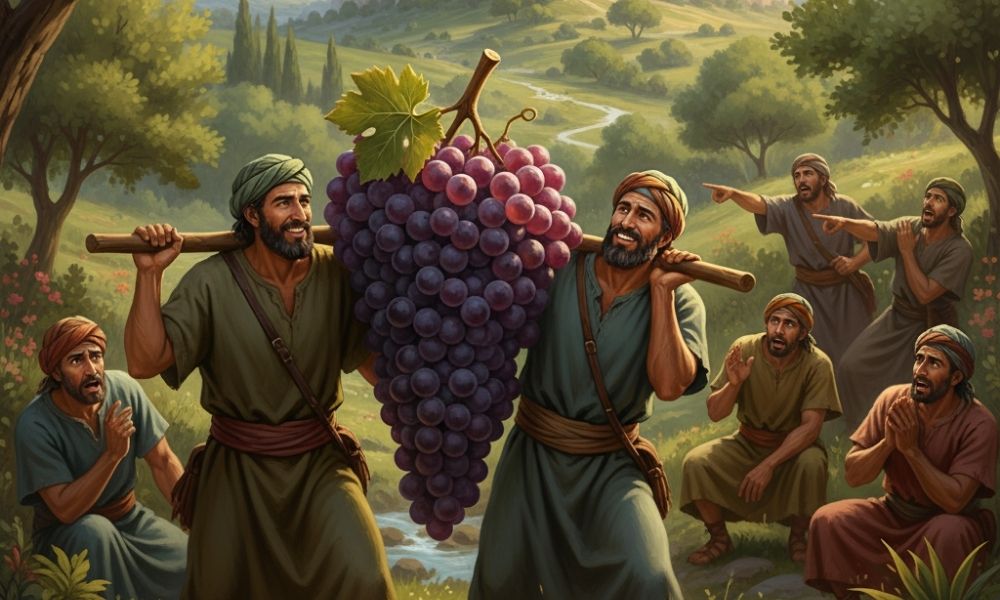
Twelve Spies Explore Canaan
The mission of the twelve spies resulted in a faithless report from ten, leading Israel to rebel against God and consequently be judged to wander the wilderness for forty years until that generation died.
-
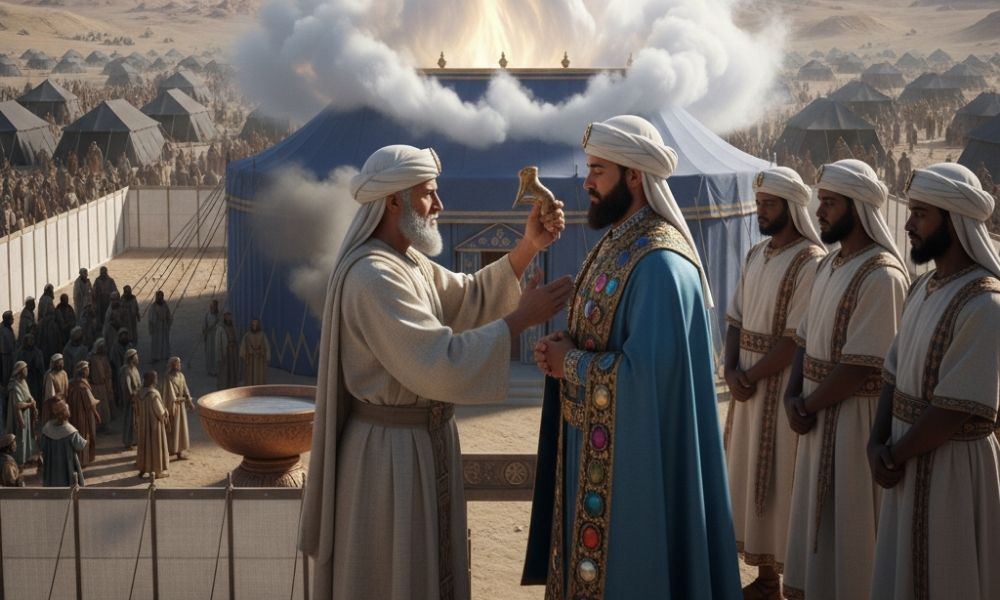
Aaron Becomes High priest
Aaron’s consecration as High Priest was the divinely-ordained event that established the Aaronic priesthood, creating a mediator, chosen by grace, to offer sacrifices and represent Israel before a holy God.
-
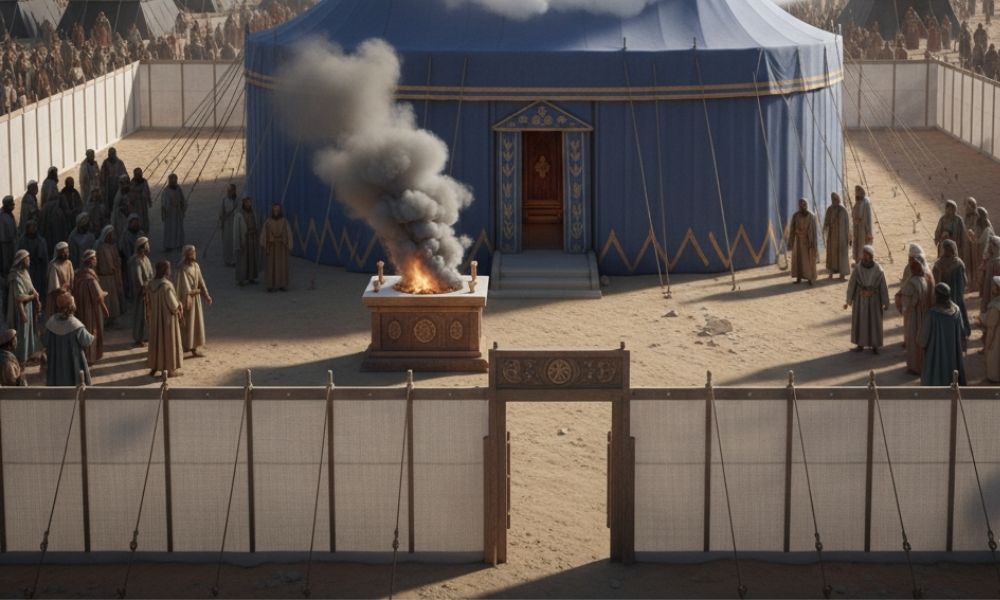
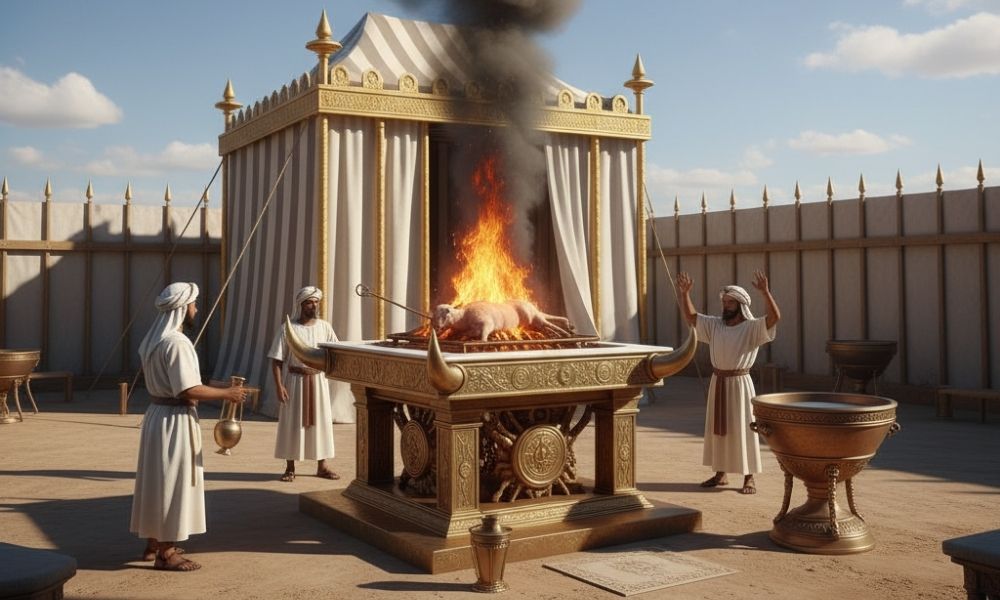
Tabernacle Constructed
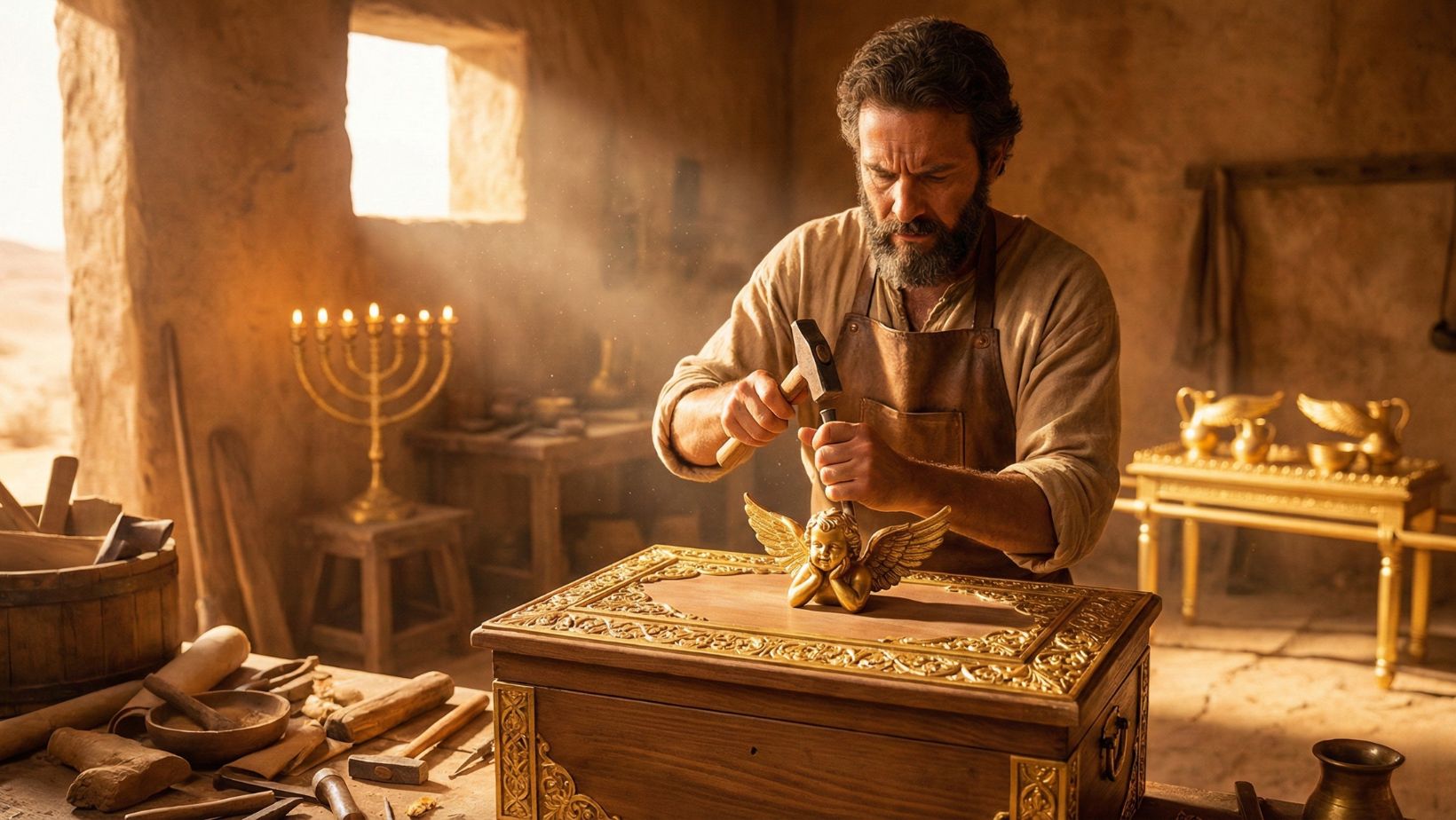
The Tabernacle was the divinely-designed, portable sanctuary built in the wilderness, allowing the holy God to dwell among His people and establishing the center for Israel’s worship and sacrifice.
Bible Characters

-
Jonathan
Jonathan was the valiant crown prince of Israel who chose loyalty to God’s anointed over his own ambition, becoming the Bible’s ultimate example of sacrificial friendship.
-
Michal
Michal was the daughter of King Saul who saved David’s life out of love but ultimately ended her life in barren isolation because she valued royal dignity over humble worship.
-
Abner
Abner was the powerful commander of Saul’s army who, after a long rivalry with David, sought to unite all Israel under David’s crown before being tragically assassinated by Joab.
Biblical Events

-
Jonathan
Jonathan was the valiant crown prince of Israel who chose loyalty to God’s anointed over his own ambition, becoming the Bible’s ultimate example of sacrificial friendship.
-
Michal
Michal was the daughter of King Saul who saved David’s life out of love but ultimately ended her life in barren isolation because she valued royal dignity over humble worship.
-
Abner
Abner was the powerful commander of Saul’s army who, after a long rivalry with David, sought to unite all Israel under David’s crown before being tragically assassinated by Joab.
Bible Locations

-
The City of David
The City of David is the ancient, fortified ridge where King David established his capital, serving as the historical seed from which Jerusalem grew and the spiritual center of the Israelite kingdom.
-
Mahanaim
Mahanaim, meaning “Two Camps,” was the historic fortress city east of the Jordan where Jacob met angels and where kings Ishbosheth and David found refuge during Israel’s greatest civil wars.
-
Jabesh-gilead
Jabesh-gilead was a city defined by a legacy of survival and fierce loyalty, best known for the valiant night raid to retrieve the bodies of King Saul and his sons from Philistine desecration.
