

Biblical Events
Events capture key moments in biblical history where God’s power, judgment, and mercy were revealed, shaping the faith and destiny of His people.
-
Golden Calf Rebellion
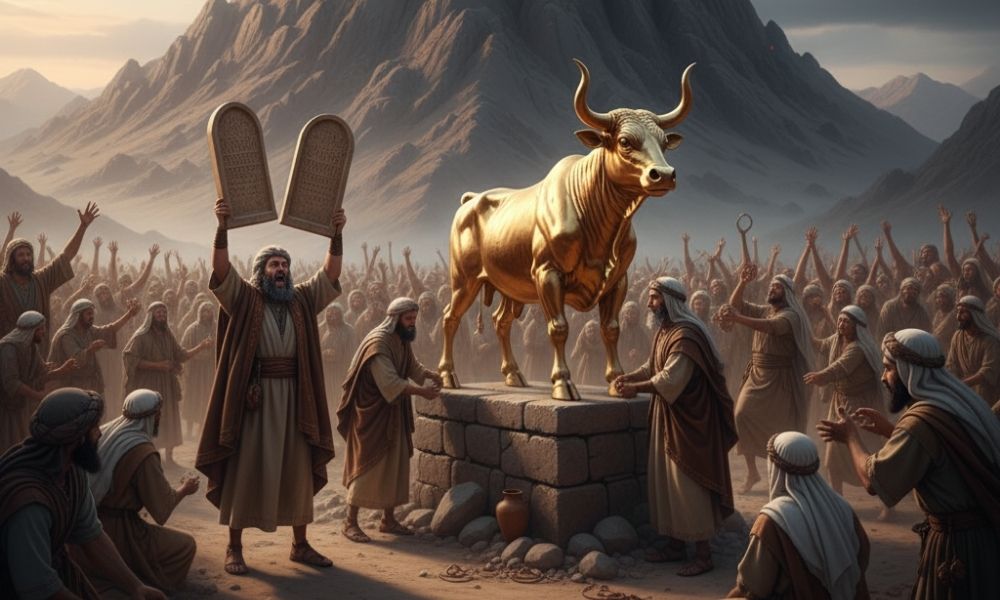
The Golden Calf rebellion was Israel’s catastrophic act of idolatry at Mount Sinai, where they broke their new covenant by worshiping a calf, prompting God’s wrath, Moses’ intercession, and a judgment that revealed their deep-seated unfaithfulness.
-
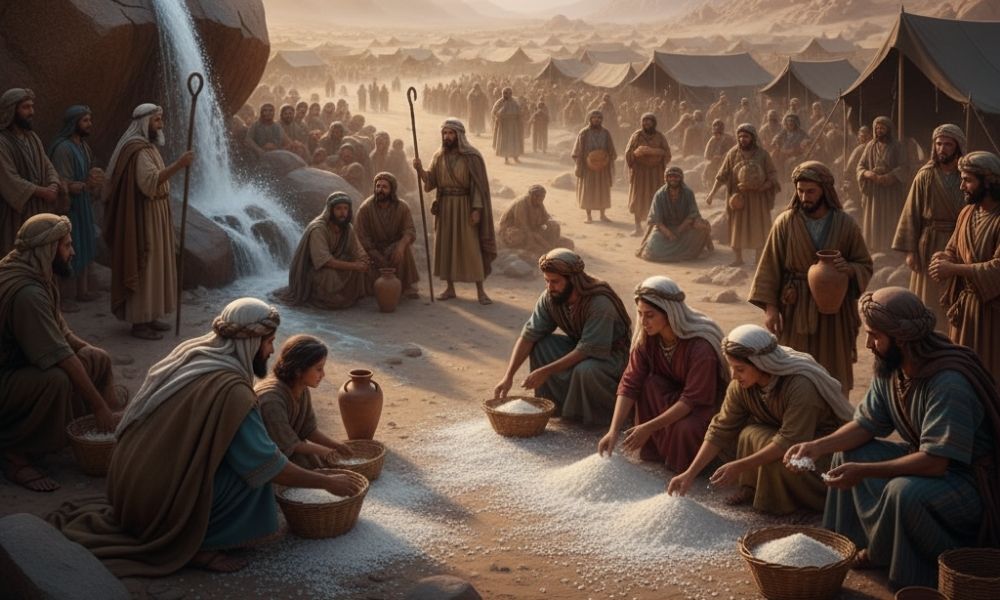
Manna and Water Provided in Wilderness
God miraculously sustained the Israelites in the wilderness by providing daily manna (bread from heaven) and water from a rock, teaching them total dependence and obedience.
-
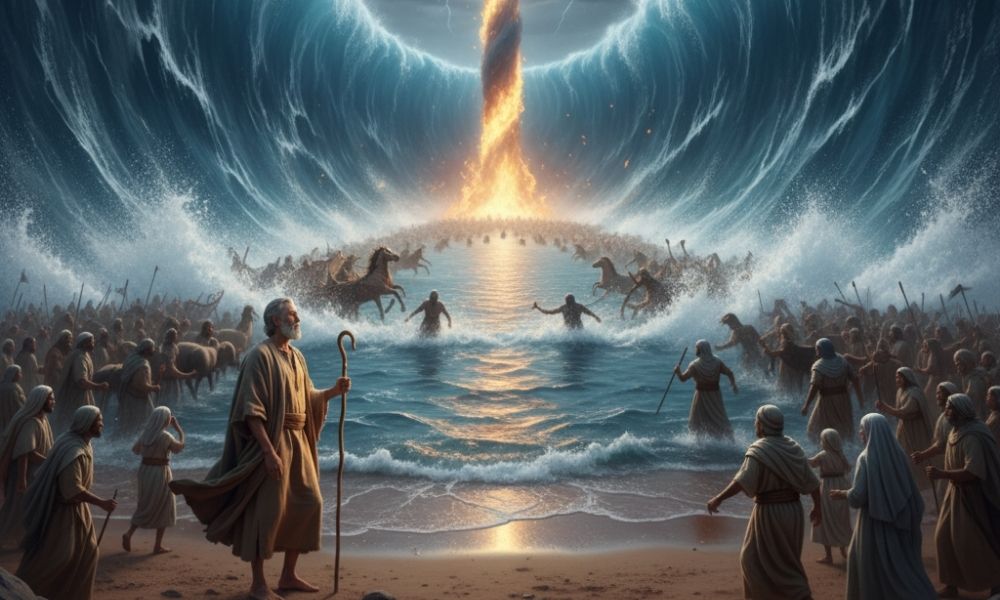
Exodus From Egypt
The Exodus from Egypt was the foundational redeeming event of the Old Testament, where God, led by Moses, liberated the Israelites from slavery by miraculously parting the Red Sea.
-
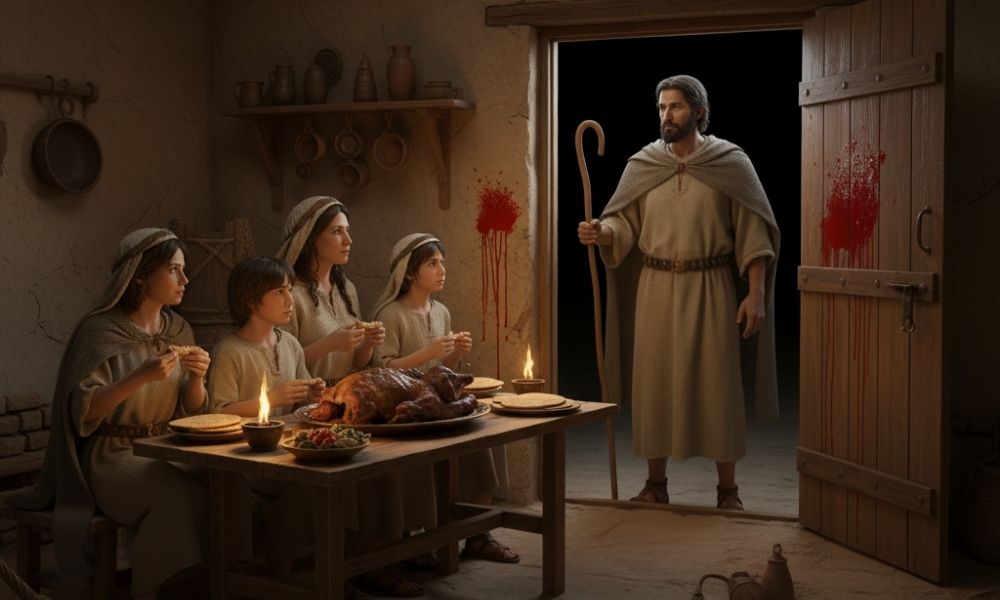
Passover Instituted
God instituted the Passover as a sacrificial meal of faith, where the blood of a spotless lamb protected the Israelites from judgment and initiated their historic redemption from slavery in Egypt.
-
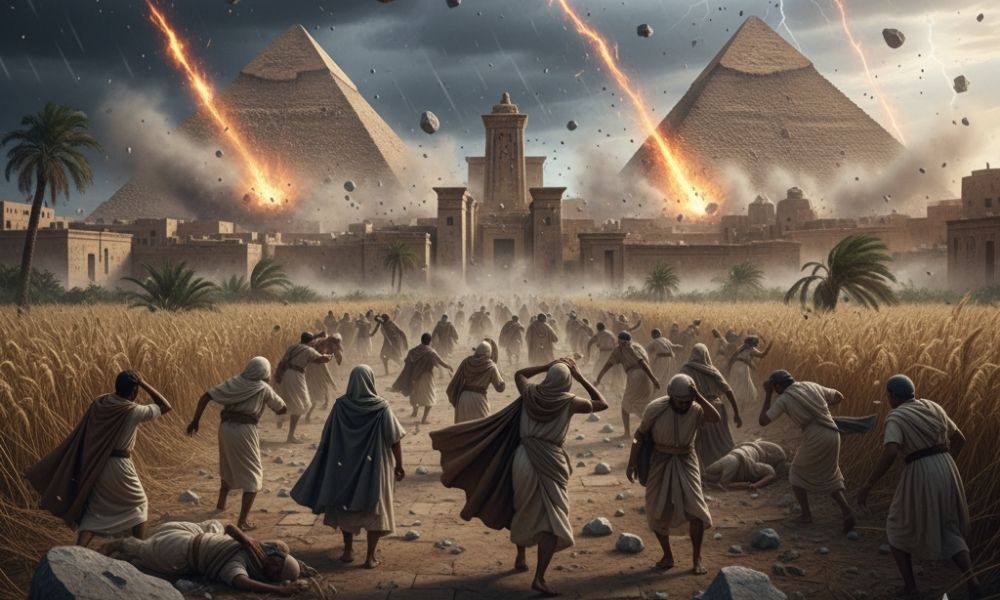
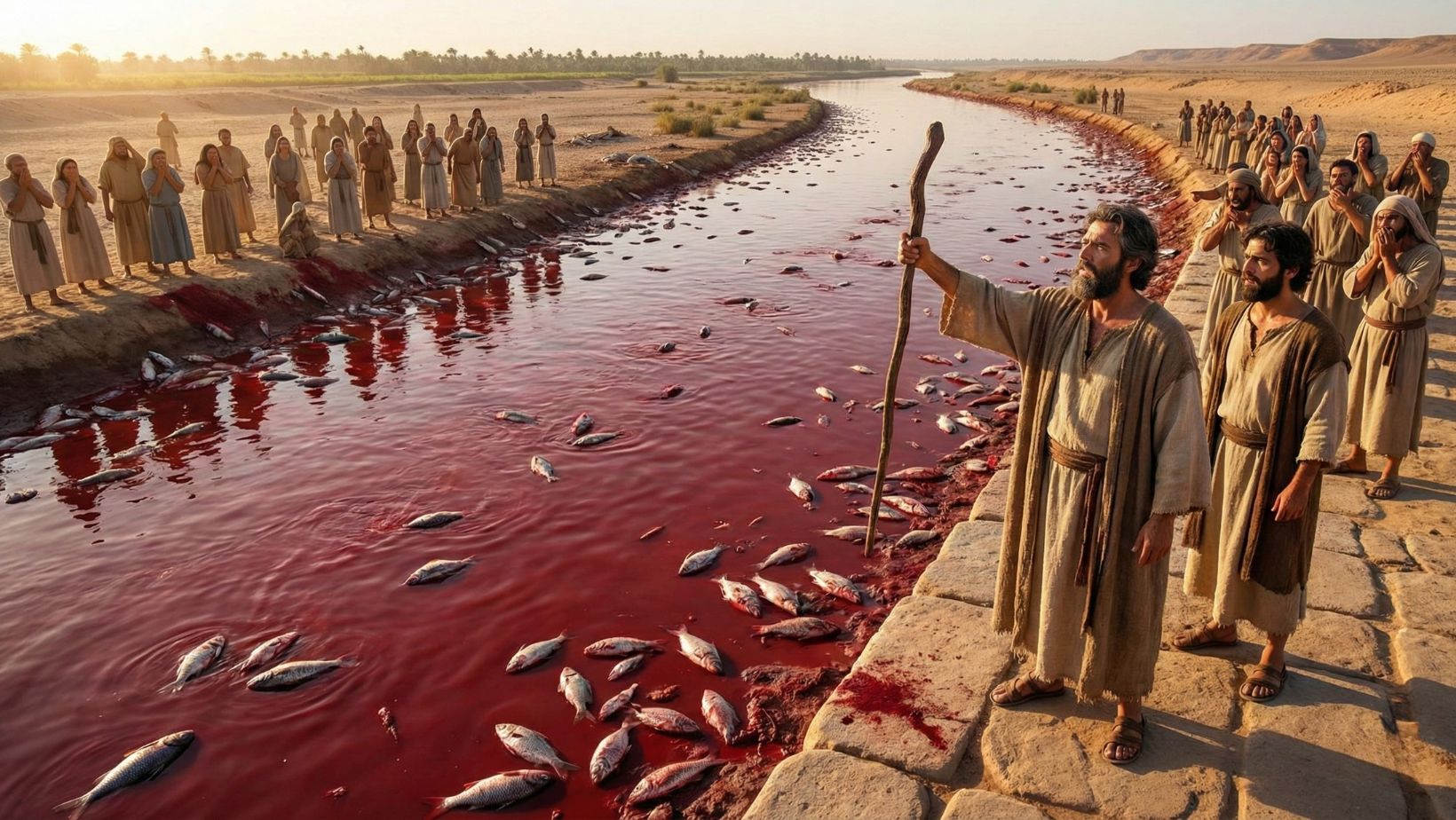
Ten Plagues Strike Egypt
The Ten Plagues were a series of targeted divine judgments on Egypt that demonstrated God’s supreme power, defeated Egypt’s gods, and liberated the Israelites from slavery.
-
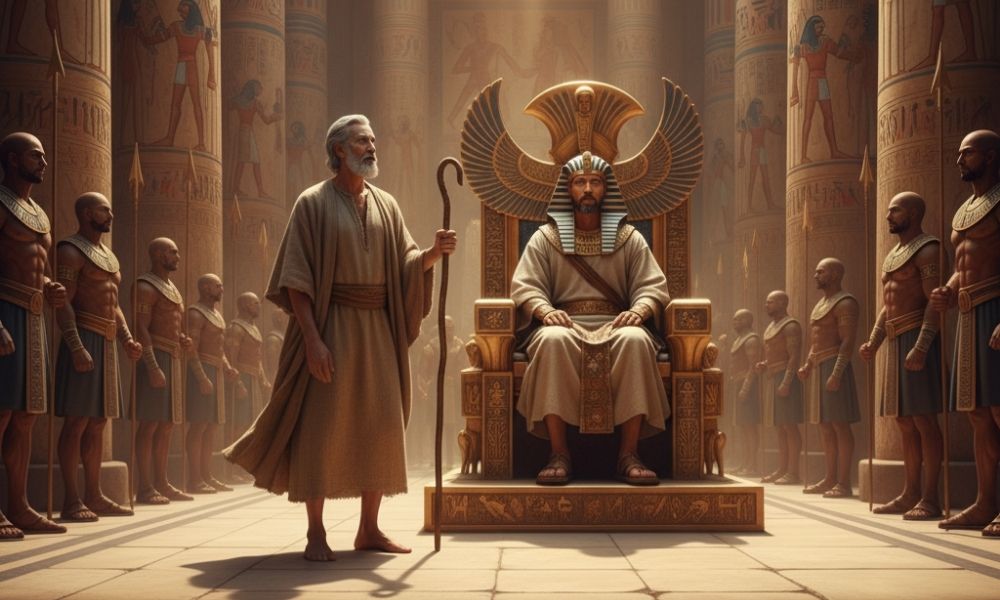
Moses Sent to Pharaoh
Moses was sent by God to confront Pharaoh with the command to free the Israelites from slavery.
-
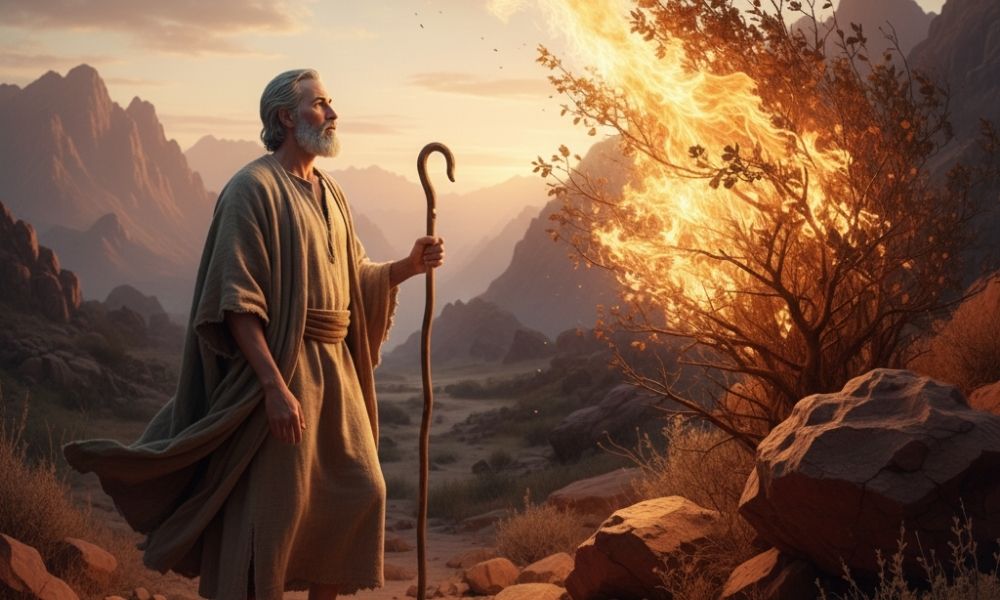
God Speaks Through the Burning Bush
God revealed His holy presence and mission to Moses through a bush that burned without being consumed, calling him to deliver Israel from oppression.
-
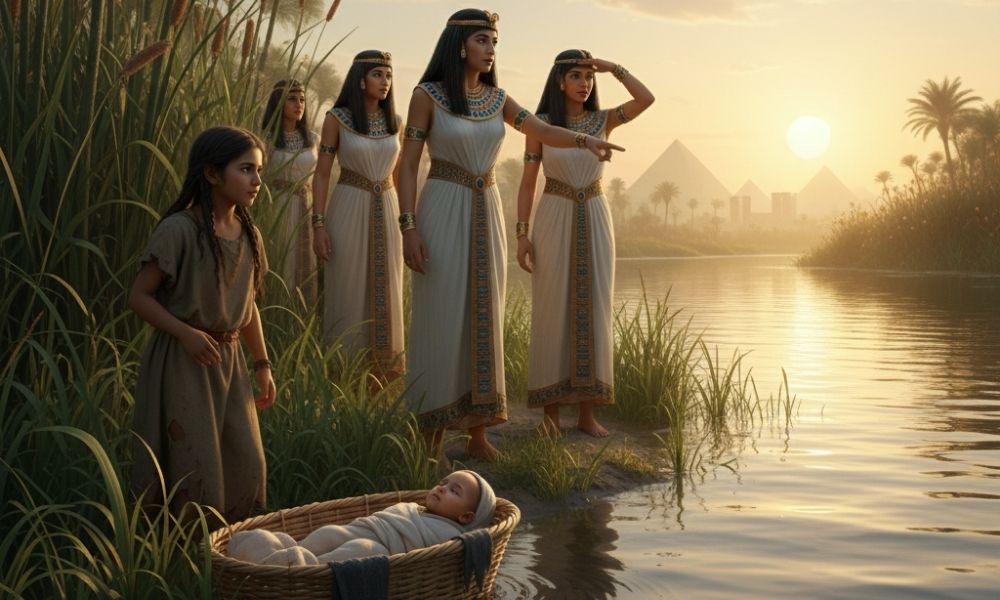
Birth and Rescue of Moses
Moses survived Pharaoh’s deadly decree through the brave actions of his family and the compassion of Pharaoh’s daughter, revealing God’s guiding hand from the moment of his birth.
-
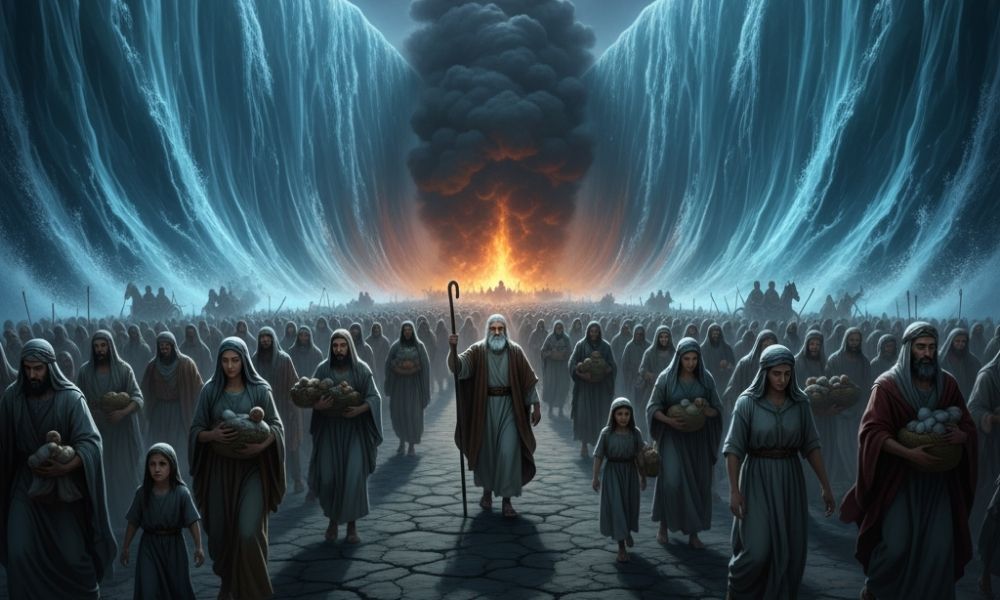
Crossing of the Red Sea
God parted the Red Sea, allowing Israel to cross safely on dry ground and destroying Pharaoh’s army, revealing His power to save and His faithfulness to His people.
-
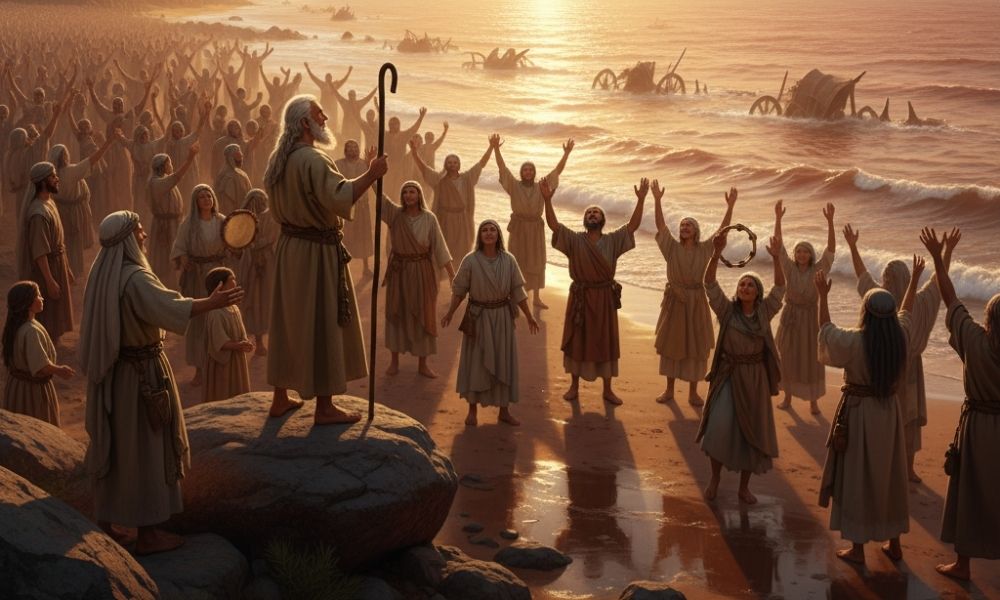
The Song of Deliverance
After crossing the Red Sea, Moses and the Israelites sang a song of praise to the Lord, celebrating His power, faithfulness, and everlasting reign.
Bible Characters

-
Jonathan
Jonathan was the valiant crown prince of Israel who chose loyalty to God’s anointed over his own ambition, becoming the Bible’s ultimate example of sacrificial friendship.
-
Michal
Michal was the daughter of King Saul who saved David’s life out of love but ultimately ended her life in barren isolation because she valued royal dignity over humble worship.
-
Abner
Abner was the powerful commander of Saul’s army who, after a long rivalry with David, sought to unite all Israel under David’s crown before being tragically assassinated by Joab.
Biblical Events
-
Jonathan
Jonathan was the valiant crown prince of Israel who chose loyalty to God’s anointed over his own ambition, becoming the Bible’s ultimate example of sacrificial friendship.
-
Michal
Michal was the daughter of King Saul who saved David’s life out of love but ultimately ended her life in barren isolation because she valued royal dignity over humble worship.
-
Abner
Abner was the powerful commander of Saul’s army who, after a long rivalry with David, sought to unite all Israel under David’s crown before being tragically assassinated by Joab.
Bible Locations

-
The City of David
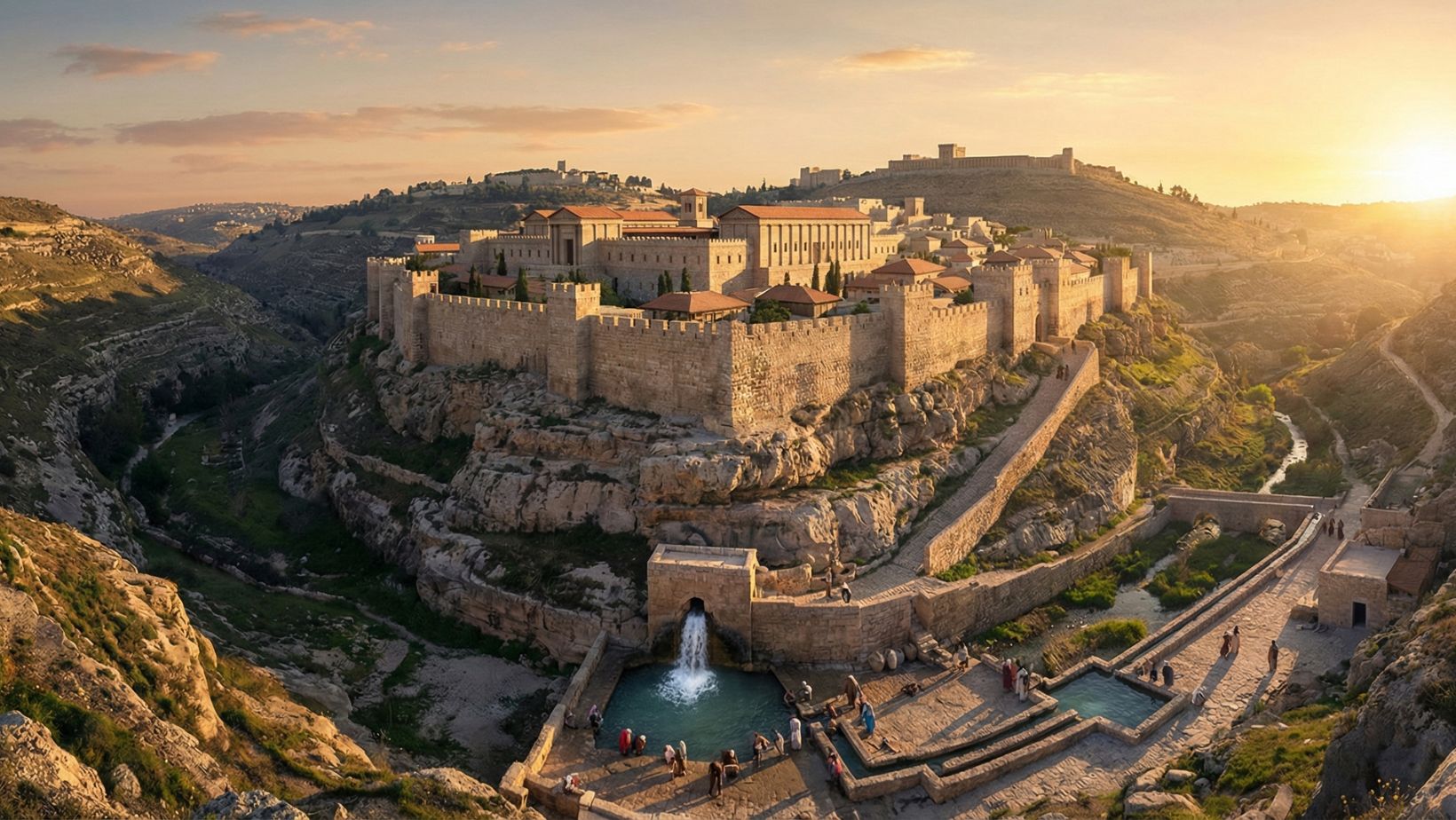
The City of David is the ancient, fortified ridge where King David established his capital, serving as the historical seed from which Jerusalem grew and the spiritual center of the Israelite kingdom.
-
Mahanaim
Mahanaim, meaning “Two Camps,” was the historic fortress city east of the Jordan where Jacob met angels and where kings Ishbosheth and David found refuge during Israel’s greatest civil wars.
-
Jabesh-gilead
Jabesh-gilead was a city defined by a legacy of survival and fierce loyalty, best known for the valiant night raid to retrieve the bodies of King Saul and his sons from Philistine desecration.
