

Biblical Feasts
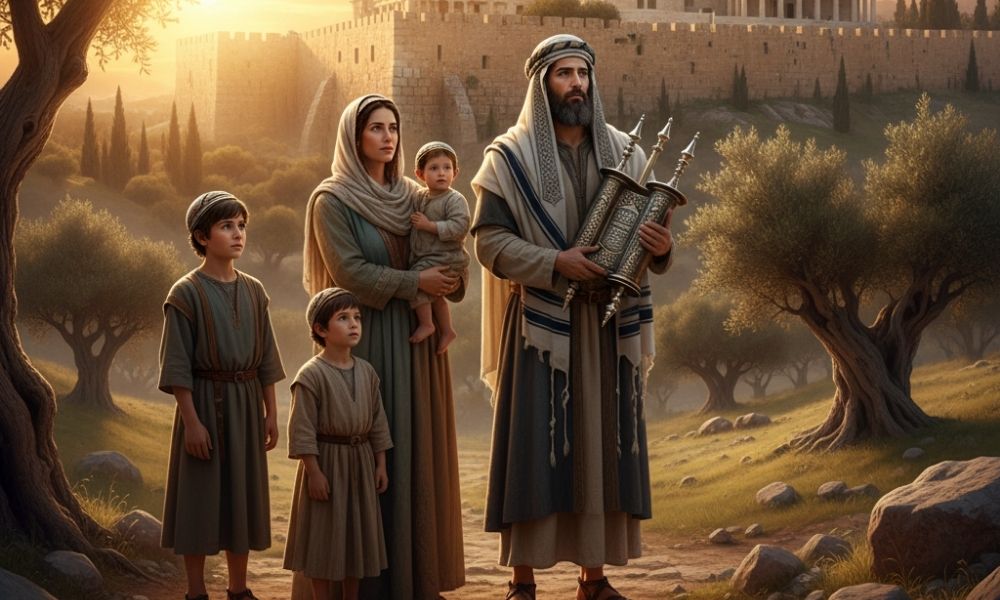
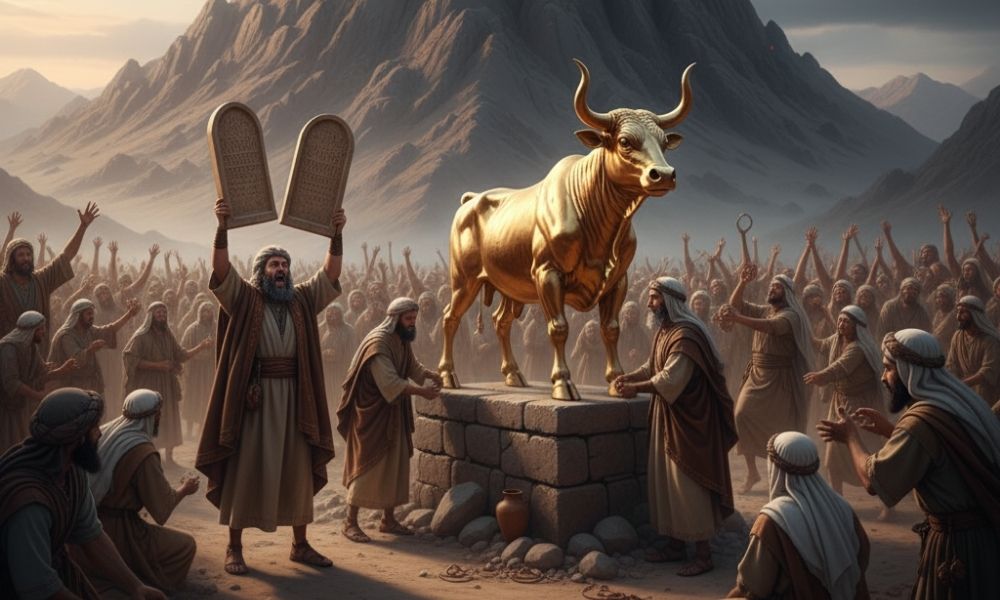
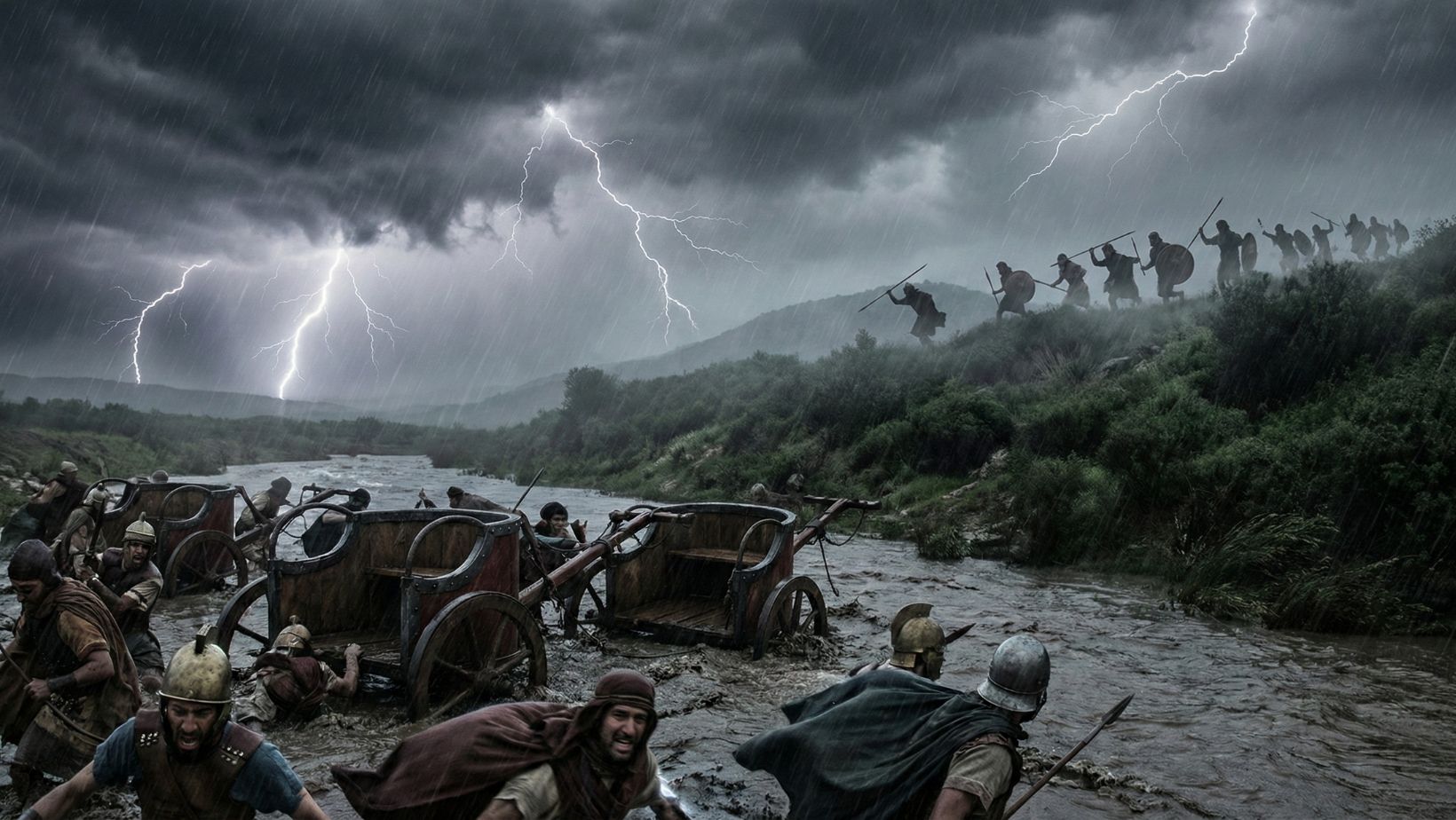
Biblical Feasts are sacred celebrations established by God to remind His people of His covenant, deliverance, and provision—each feast pointing to deeper spiritual truths and the redemptive work of Christ.
-
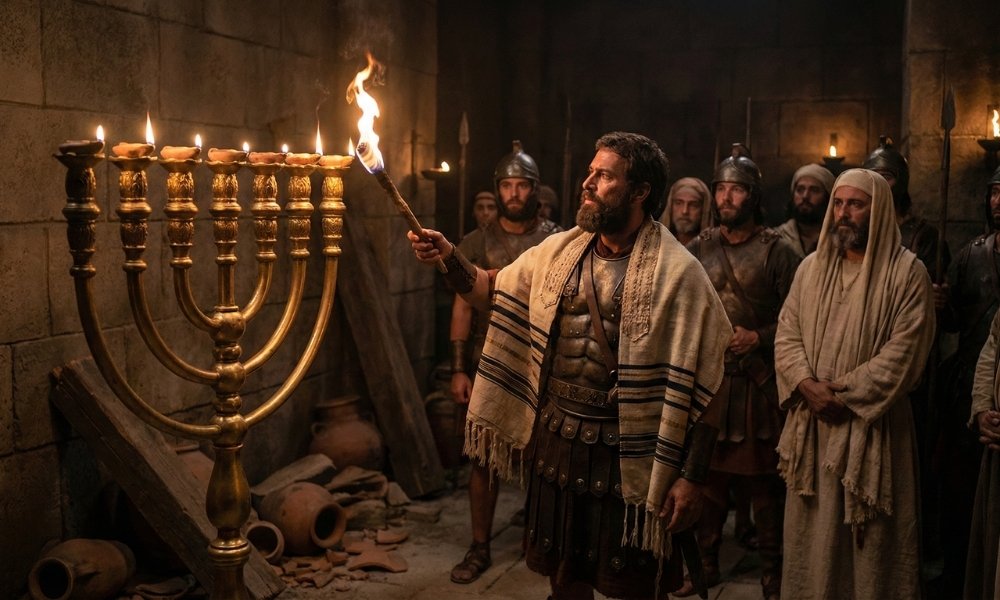
Hanukkah (Feast of Dedication)
Hanukkah is a festival of victory and light that celebrates the miraculous preservation of the Jewish faith and the rededication of God’s Temple against the forces of assimilation.
-
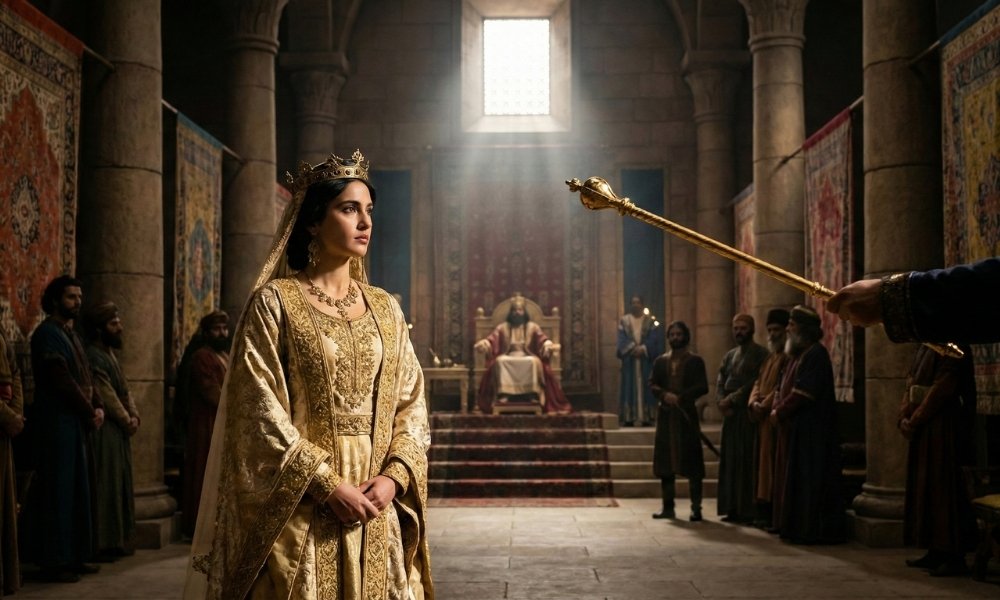
Purim
Purim is a jubilant celebration of Jewish survival and Divine Providence, commemorating how God used Queen Esther’s courage to reverse a decree of genocide and save His people.
-
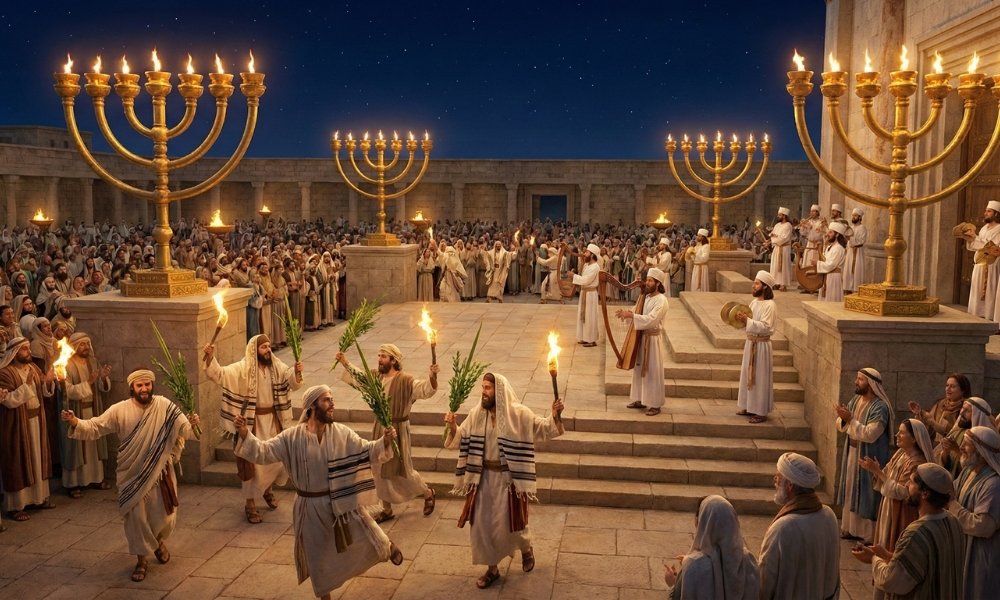
Feast of Tabernacles
The Feast of Tabernacles is a joyous celebration of God’s past provision in the wilderness and a prophetic rehearsal of His future permanent dwelling with humanity in the Messianic Kingdom.
-
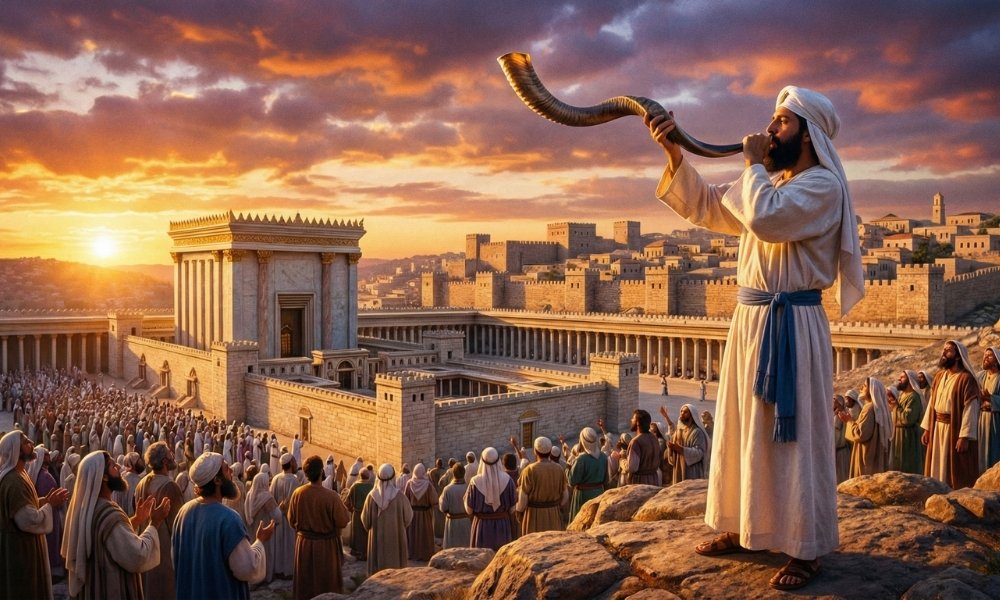
Feast of Trumpets
The Feast of Trumpets is a holy day of alarm and awakening that calls believers to repentance and anticipates the trumpet sound of God’s final judgment and the return of the King.
-
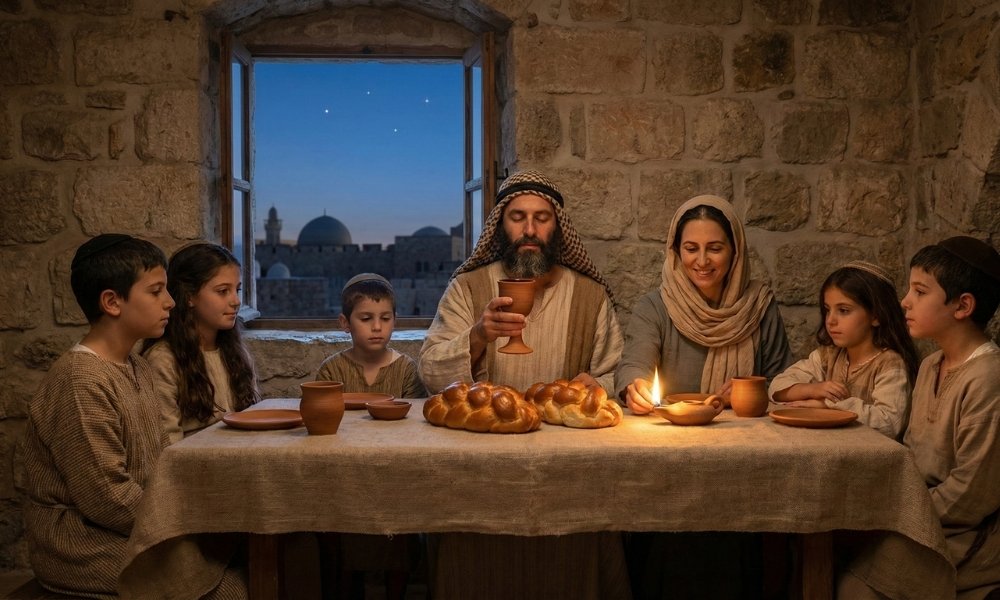
Sabbath
The Sabbath is a divinely instituted day of holy rest and covenant sign that celebrates God as Creator and Redeemer, pointing ultimately to the spiritual rest found in Jesus Christ.
-
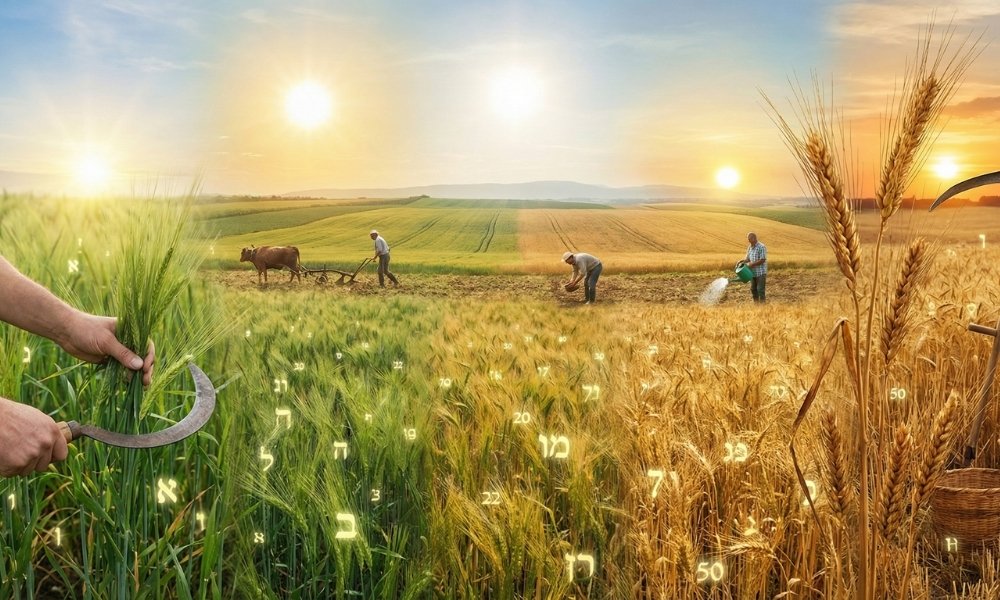
Counting the Omer
Counting the Omer is the 49-day bridge between Passover and Pentecost, representing the necessary journey of spiritual refinement between receiving salvation and receiving the fullness of God’s Word and Spirit.
-
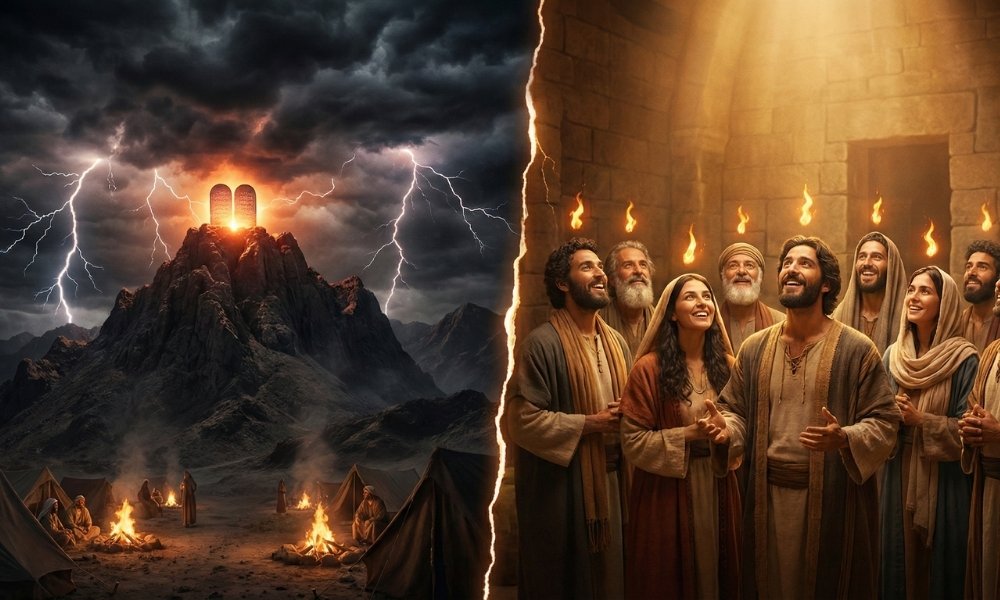
Feast of Weeks (Pentecost)
The Feast of Weeks (Pentecost) celebrates the wheat harvest and the giving of the Law at Sinai, fulfilled in the New Testament by the outpouring of the Holy Spirit which empowered the Church and wrote God’s Law on the hearts of believers.
-
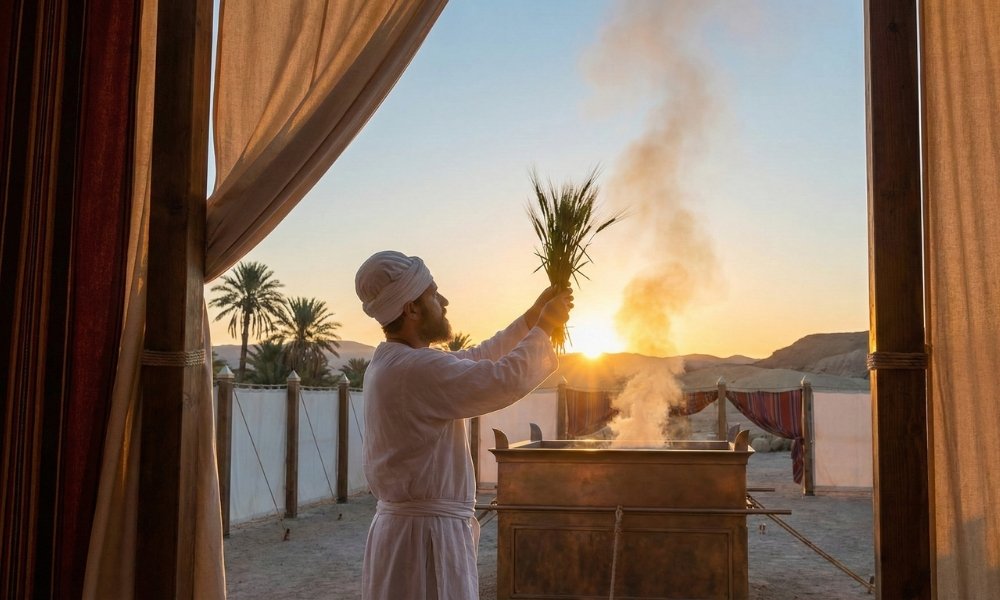
The Feast of Firstfruits
Firstfruits is the feast of the early harvest that required Israelites to trust God with their first crops, typifying the Resurrection of Jesus Christ who rose on this day as the guarantee of the future resurrection of all believers.
-
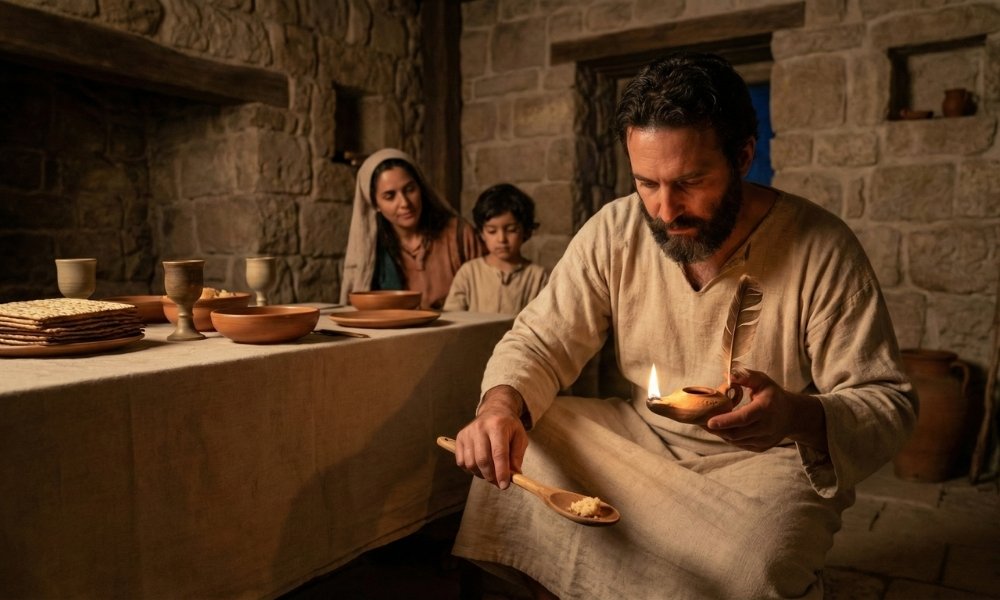
Feast of Unleavened Bread
The Feast of Unleavened Bread is the seven-day festival immediately following Passover that calls God’s people to symbolically and practically purge the “leaven” of sin from their lives to walk in holiness.
-
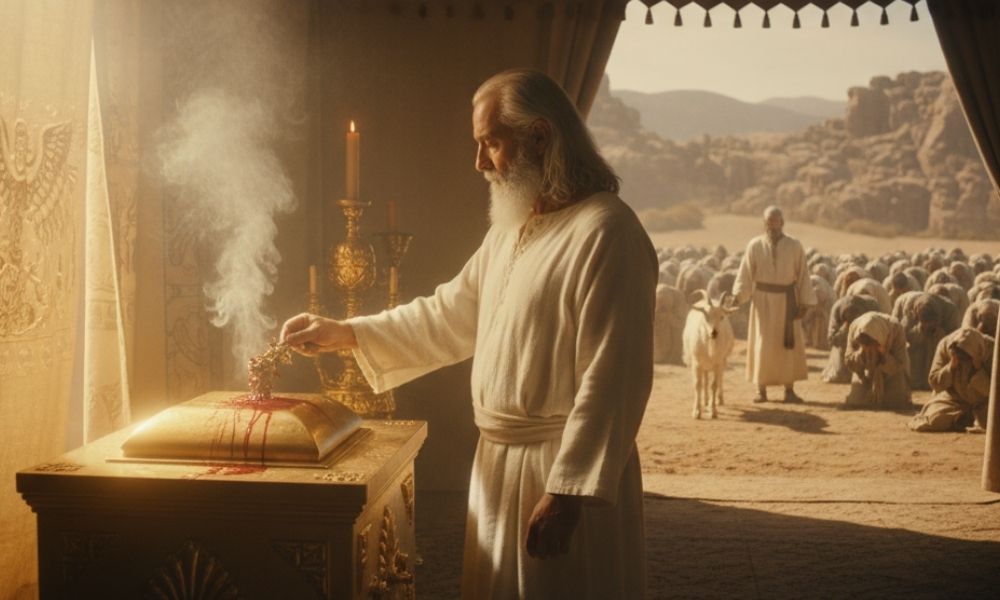
Day of Atonement (Yom Kippur)
The Day of Atonement is the holiest day of repentance and forgiveness, fulfilled in Jesus Christ’s ultimate sacrifice for sin.
Bible Characters

-
Jonathan
Jonathan was the valiant crown prince of Israel who chose loyalty to God’s anointed over his own ambition, becoming the Bible’s ultimate example of sacrificial friendship.
-
Michal
Michal was the daughter of King Saul who saved David’s life out of love but ultimately ended her life in barren isolation because she valued royal dignity over humble worship.
-
Abner
Abner was the powerful commander of Saul’s army who, after a long rivalry with David, sought to unite all Israel under David’s crown before being tragically assassinated by Joab.
Biblical Events

-
Jonathan
Jonathan was the valiant crown prince of Israel who chose loyalty to God’s anointed over his own ambition, becoming the Bible’s ultimate example of sacrificial friendship.
-
Michal
Michal was the daughter of King Saul who saved David’s life out of love but ultimately ended her life in barren isolation because she valued royal dignity over humble worship.
-
Abner
Abner was the powerful commander of Saul’s army who, after a long rivalry with David, sought to unite all Israel under David’s crown before being tragically assassinated by Joab.
Bible Locations

-
The City of David
The City of David is the ancient, fortified ridge where King David established his capital, serving as the historical seed from which Jerusalem grew and the spiritual center of the Israelite kingdom.
-
Mahanaim
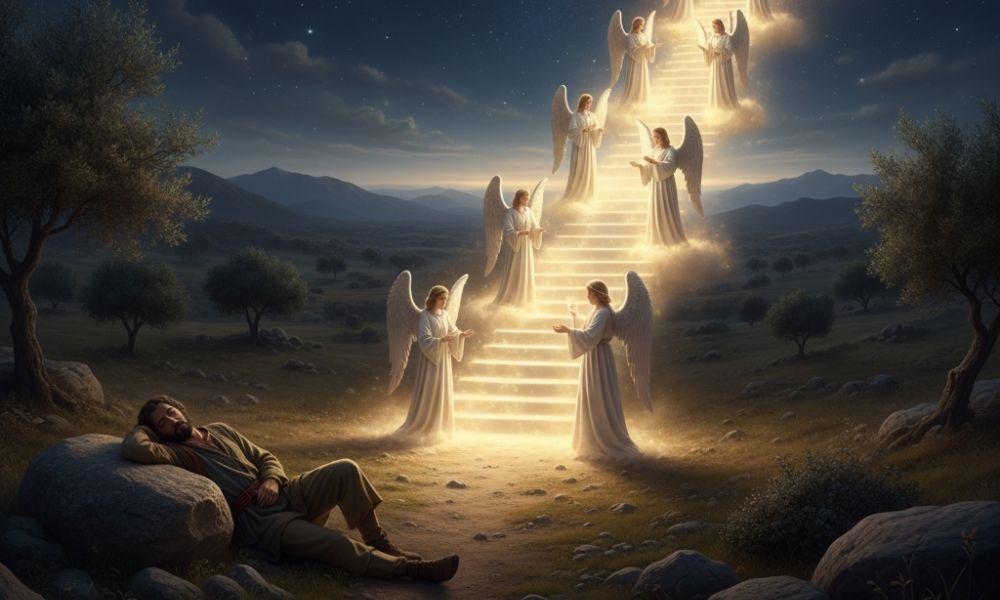
Mahanaim, meaning “Two Camps,” was the historic fortress city east of the Jordan where Jacob met angels and where kings Ishbosheth and David found refuge during Israel’s greatest civil wars.
-
Jabesh-gilead
Jabesh-gilead was a city defined by a legacy of survival and fierce loyalty, best known for the valiant night raid to retrieve the bodies of King Saul and his sons from Philistine desecration.
