


Bible Locations
Locations mark the sacred places where God’s promises, encounters, and miracles unfolded, grounding biblical stories in real historical settings.
-
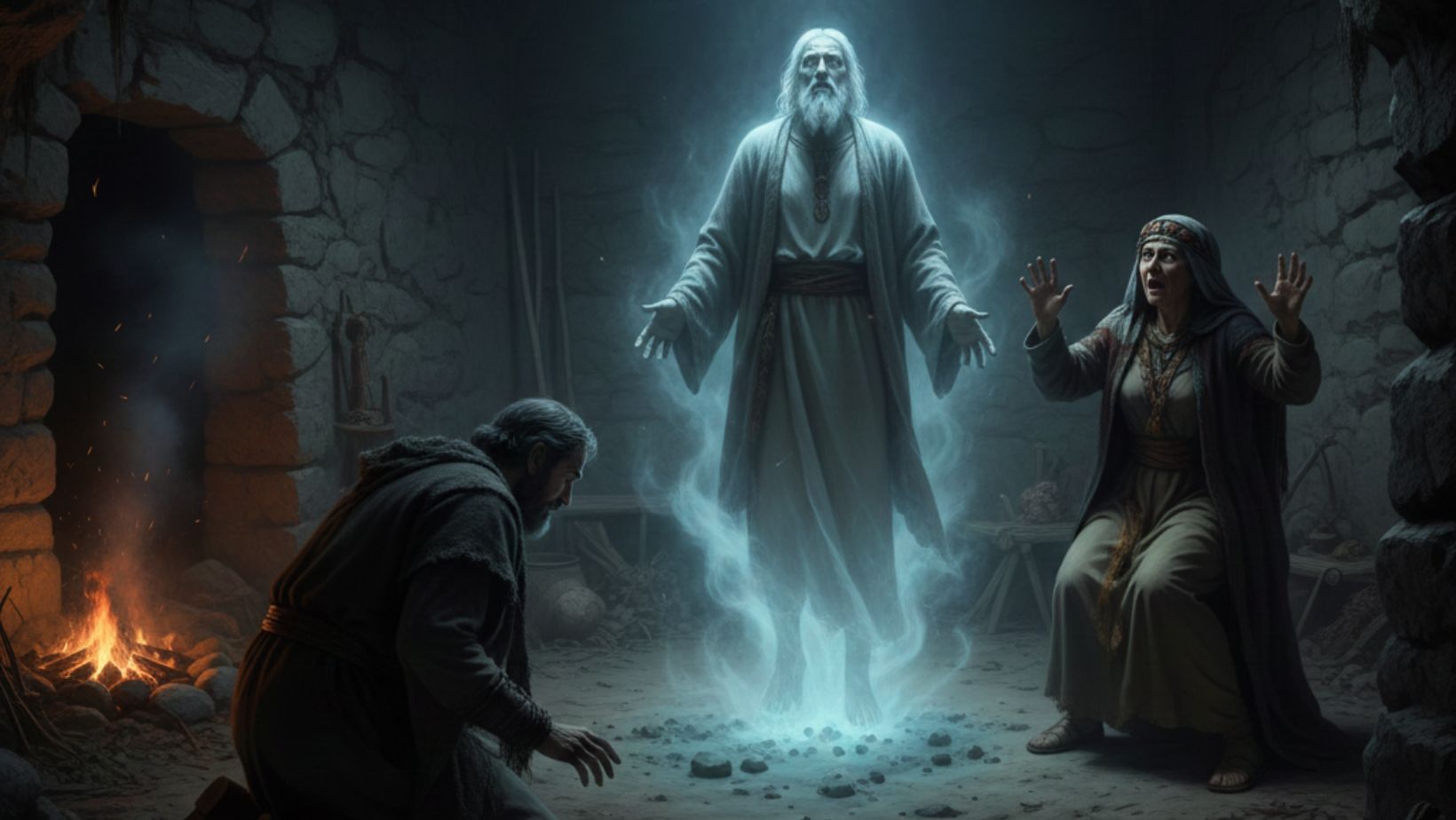
Endor
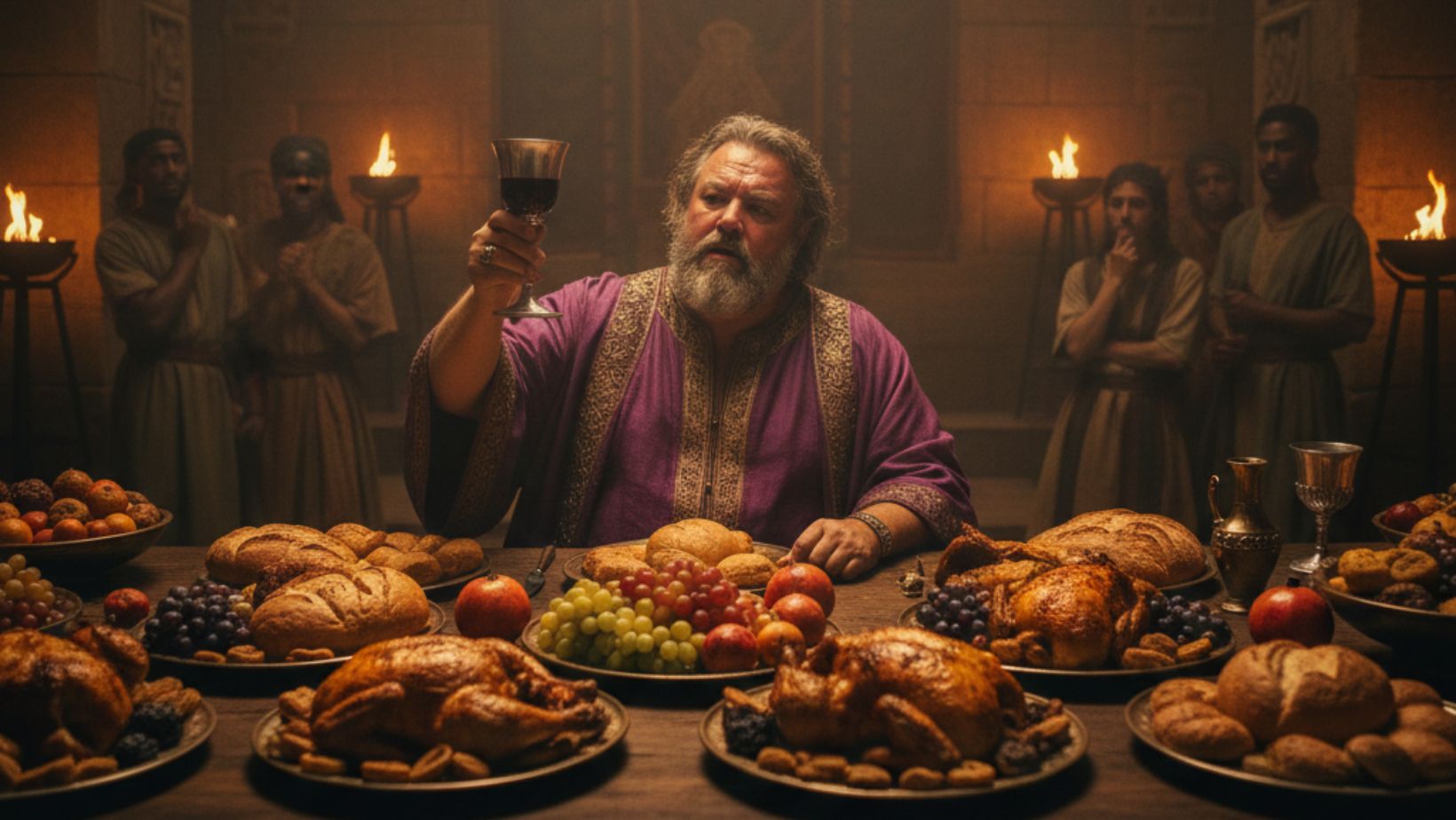
The Medium of Endor was a forbidden necromancer consulted by a desperate King Saul, serving as the catalyst for his final judgment while unexpectedly showing him human compassion before his death.
-

Antioch (of Syria)
Antioch of Syria was the cosmopolitan hub where the term “Christian” was coined and where the early church transitioned from a Jewish sect to a global missionary movement through the ministries of Paul and Barnabas.
-
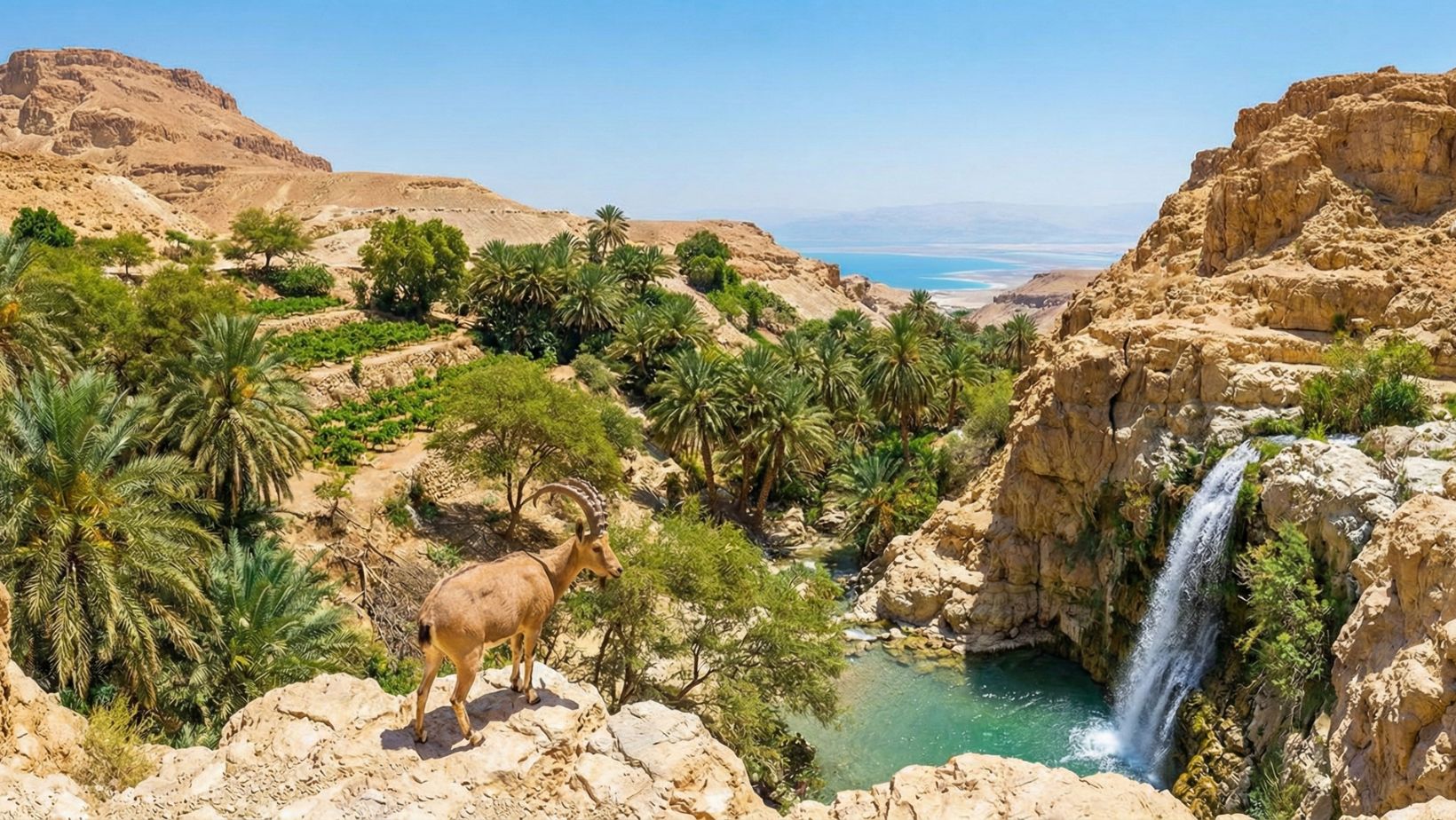
En Gedi
En Gedi is a biblical oasis and stronghold where David famously spared King Saul’s life, serving as a powerful symbol of God’s provision, refuge, and future restoration in the midst of the wilderness.
-
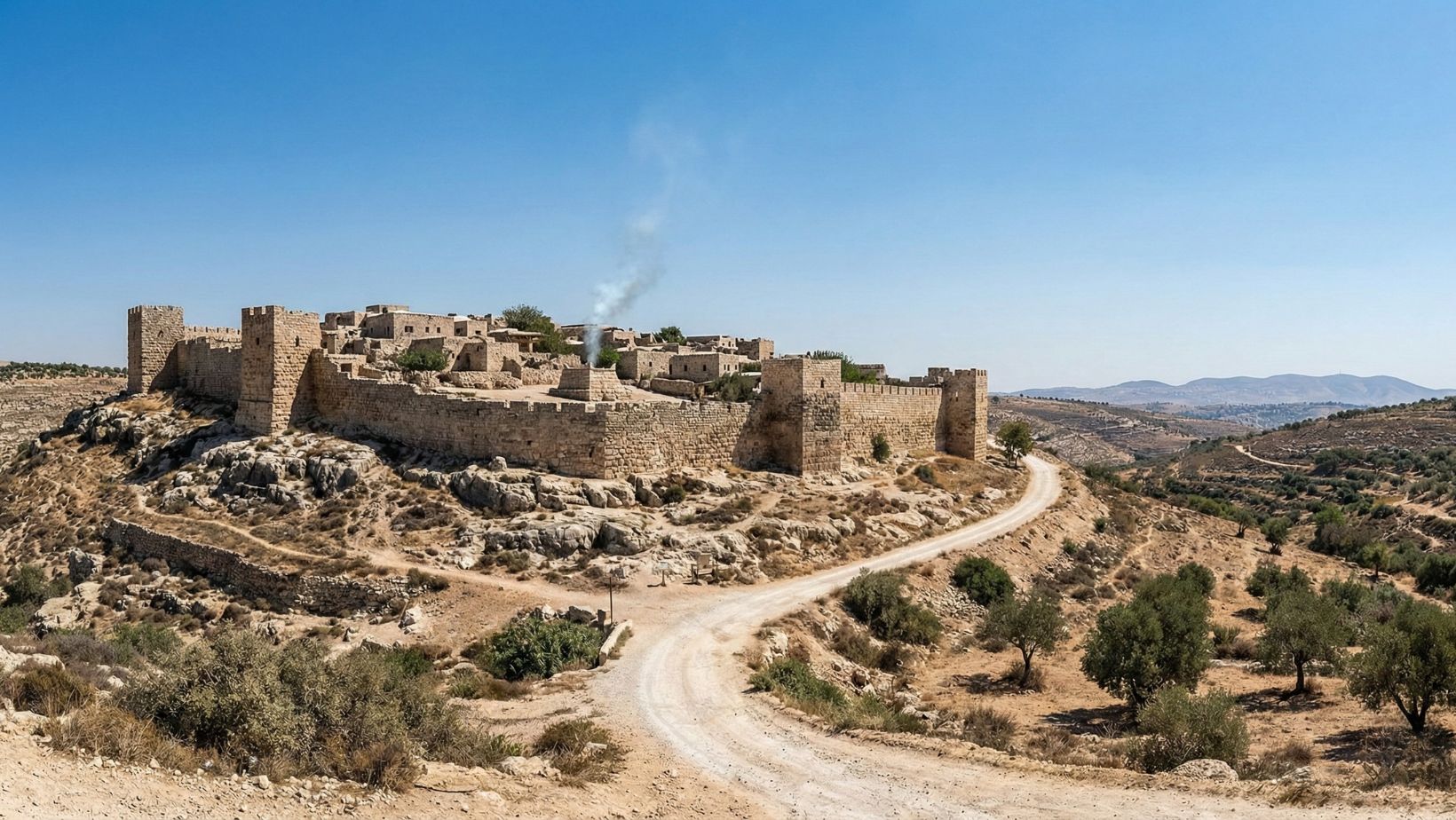
Ramah
Ramah was the strategic hilltop home and headquarters of the prophet Samuel, serving as the spiritual hub of Israel during the early monarchy and later a contested military fortification.
-
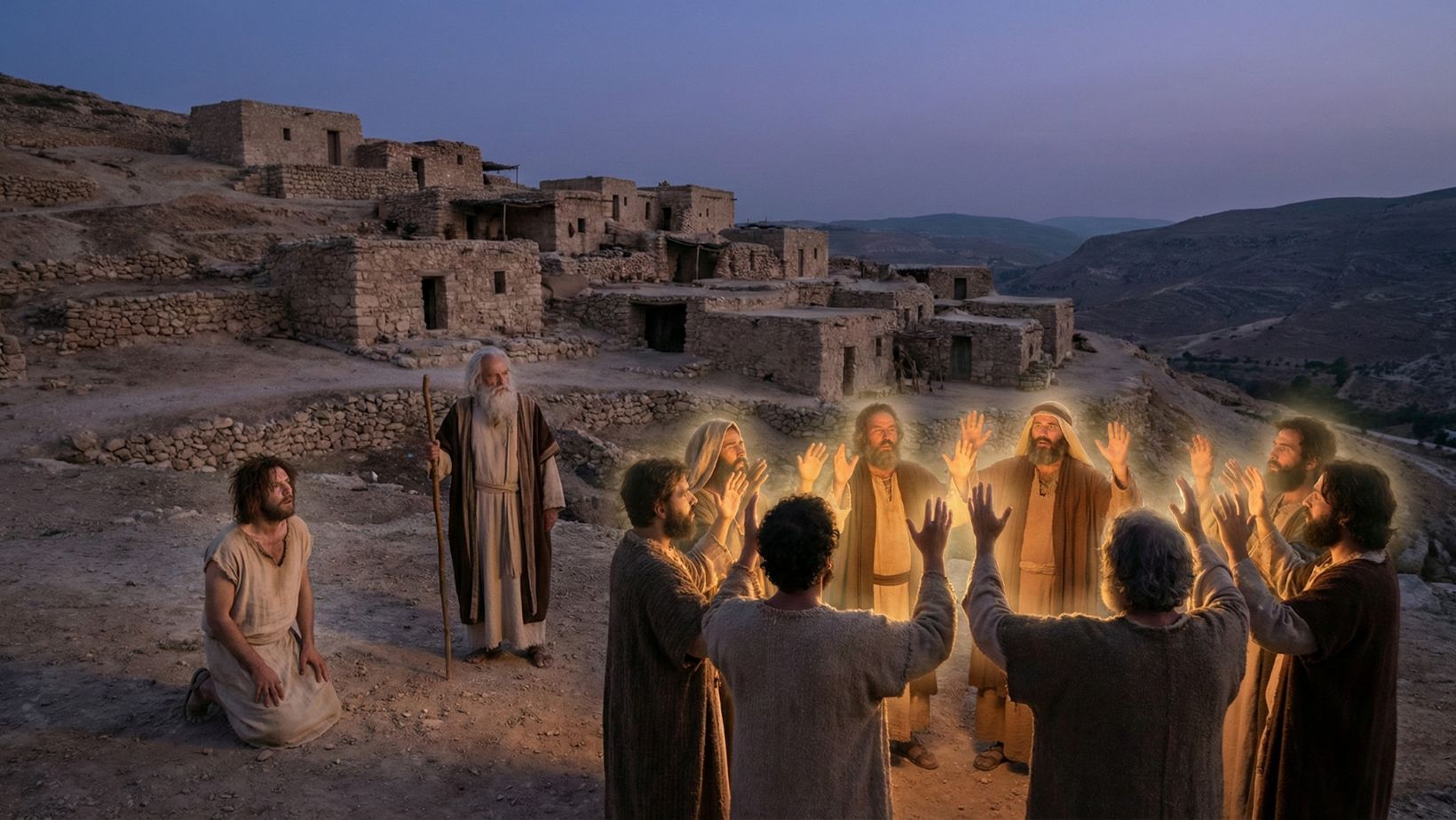
Naioth
Naioth in Ramah was a dwelling place for the school of prophets led by Samuel, famous for being the sanctuary where the Spirit of God overpowered King Saul and his messengers to protect David.
-
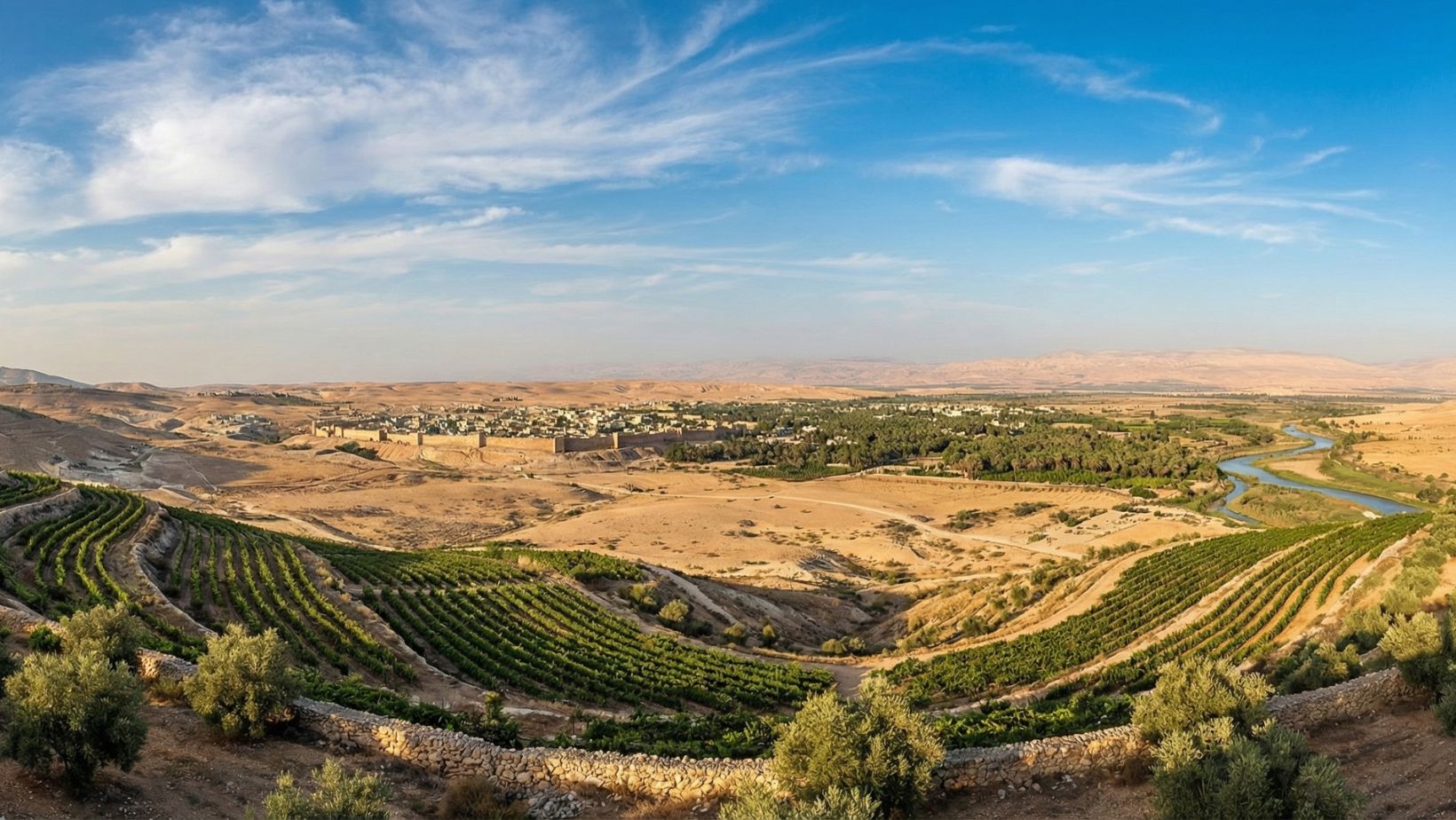
Canaan
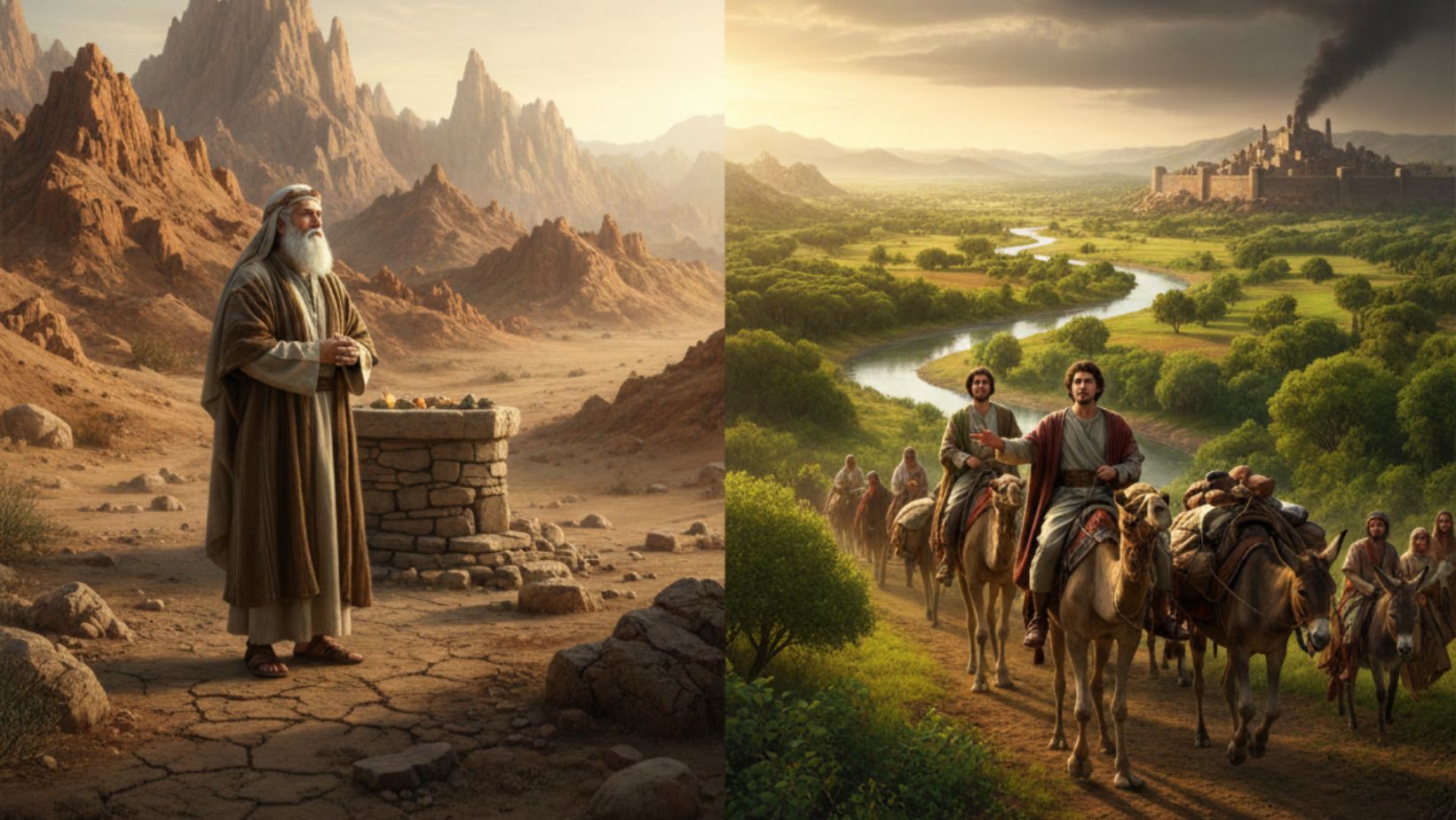
Canaan was the fertile and strategically vital land promised to Abraham, characterized by powerful city-states and idolatrous nations, which the Israelites eventually conquered to establish their covenant home.
-
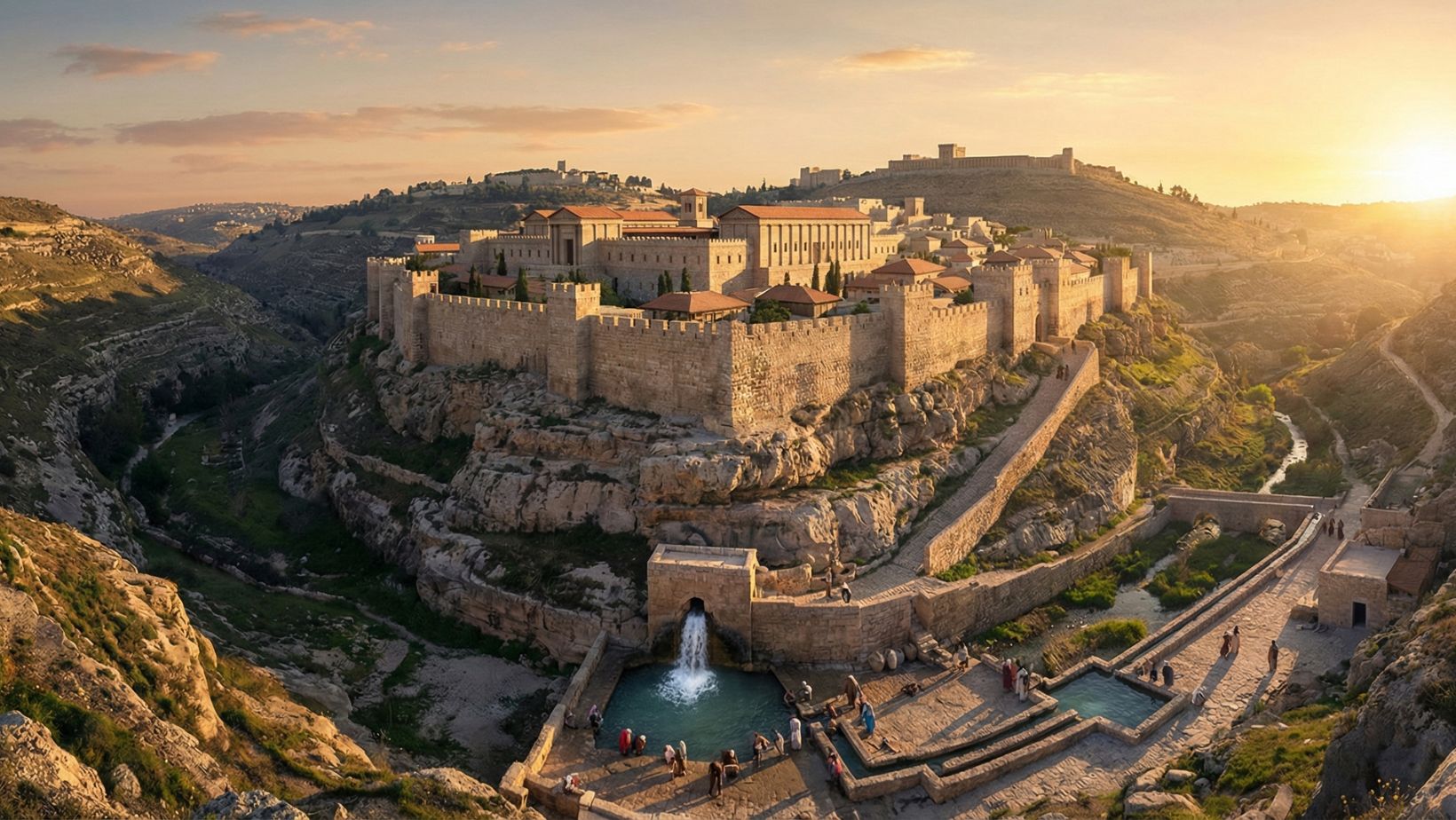
City of David
The City of David is the ancient heart of Jerusalem, established by King David as the capital of Israel and the site where the Davidic dynasty and the spiritual legacy of Zion began.
-
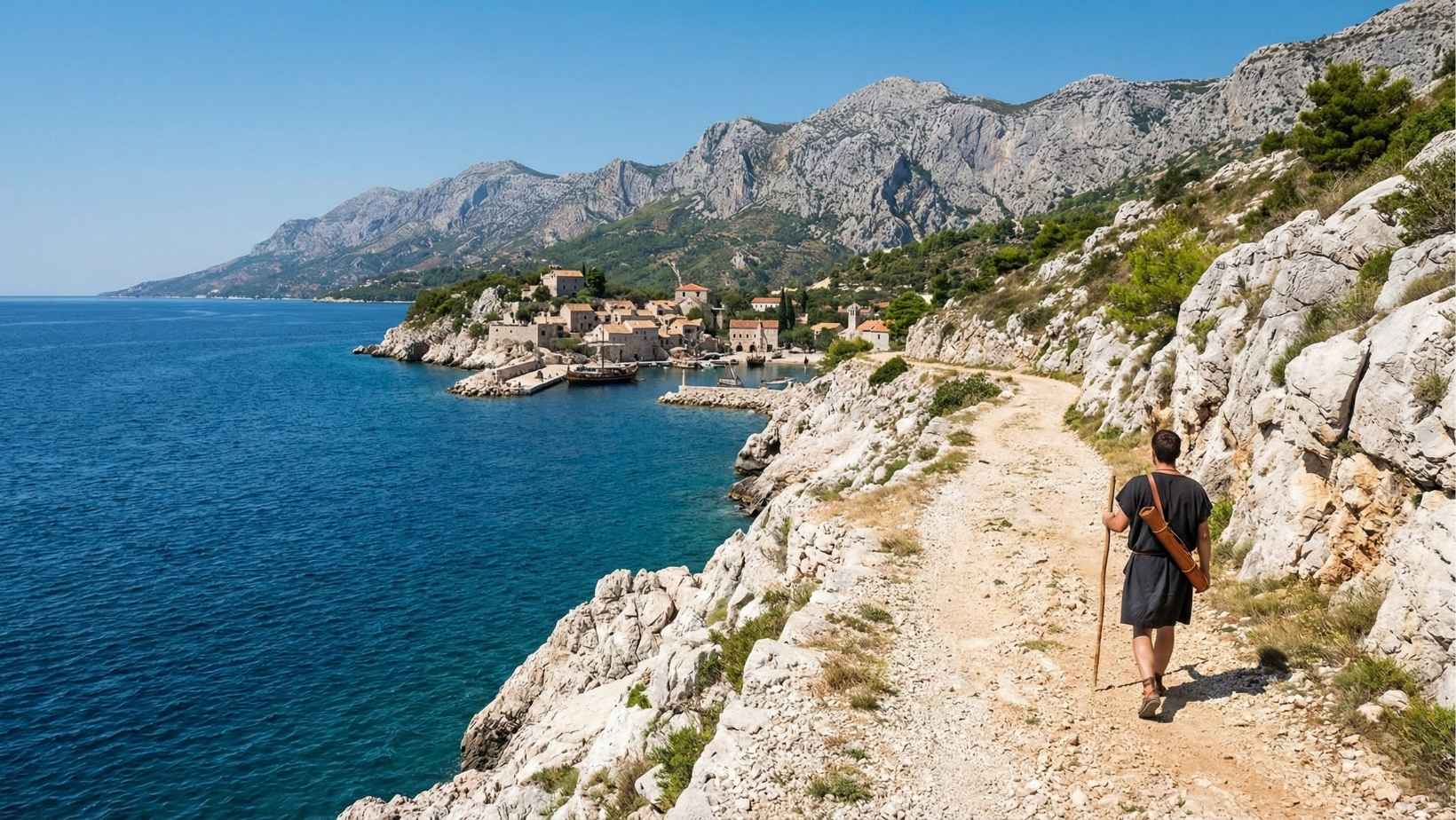
Dalmatia
Dalmatia was a rugged Roman province evangelized by Titus during Paul’s final days, representing the unstoppable expansion of the Gospel into the difficult frontiers of the ancient world.
-
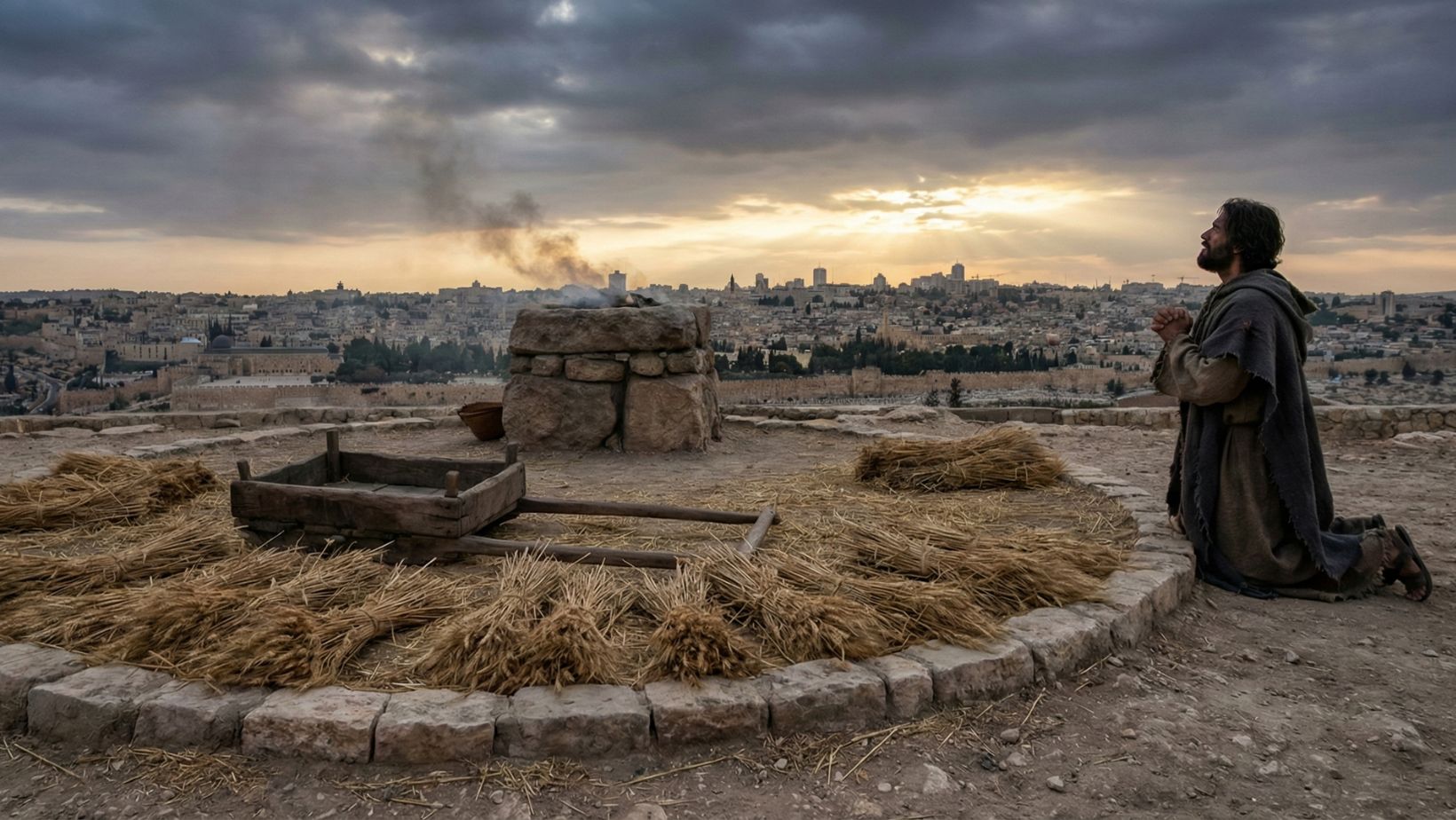
Mount Moriah
Mount Moriah is the pivotal biblical location where Abraham proved his faith, David found mercy, and Solomon built the Temple, establishing it as the eternal symbol of God’s provision and dwelling place.
-
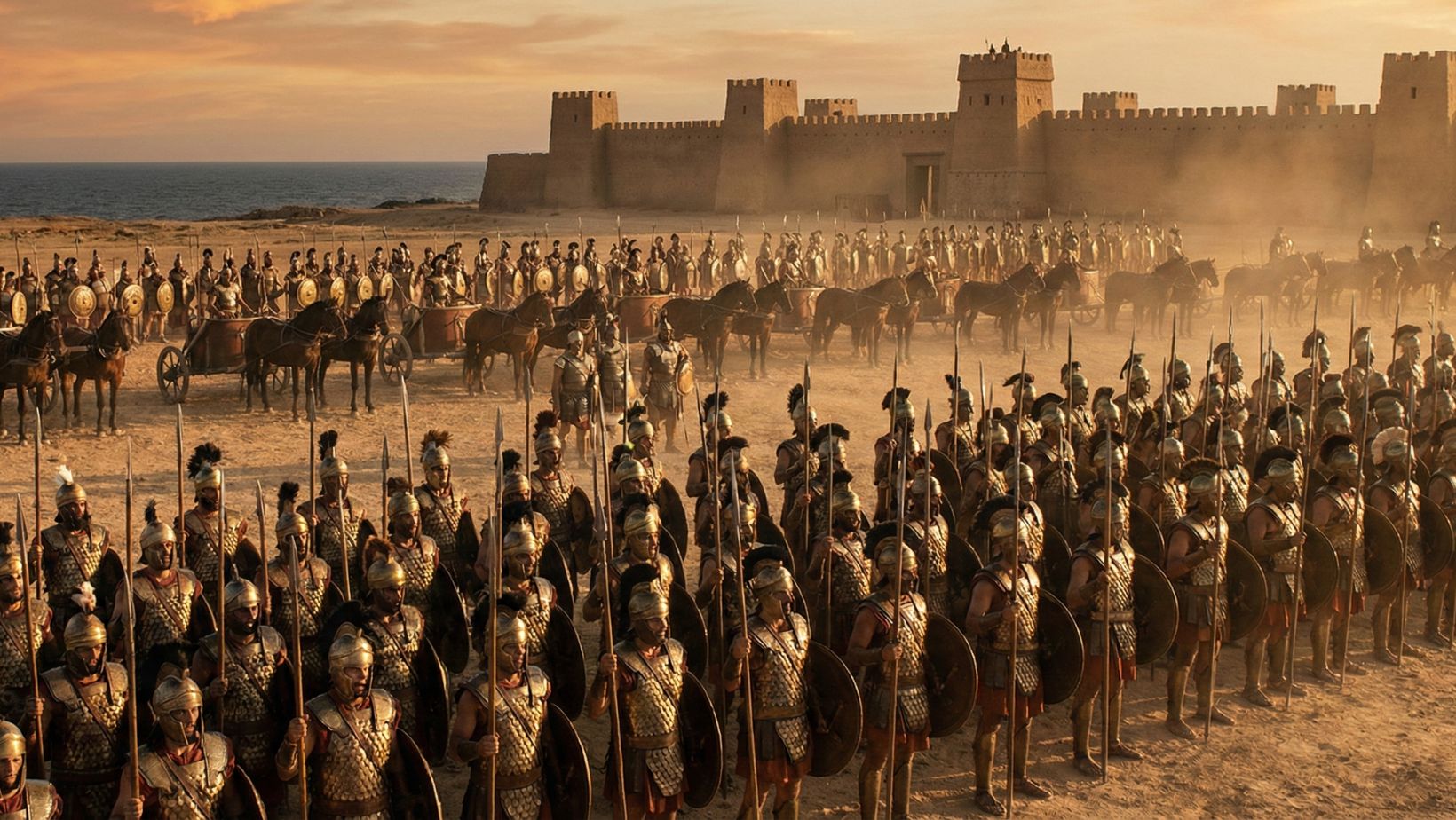
Philistia
The Philistines were a powerful, iron-wielding maritime nation who served as ancient Israel’s most persistent military rival, acting as the catalyst for Israel’s unification under a monarchy.
Bible Characters

-
Jonathan
Jonathan was the valiant crown prince of Israel who chose loyalty to God’s anointed over his own ambition, becoming the Bible’s ultimate example of sacrificial friendship.
-
Michal
Michal was the daughter of King Saul who saved David’s life out of love but ultimately ended her life in barren isolation because she valued royal dignity over humble worship.
-
Abner
Abner was the powerful commander of Saul’s army who, after a long rivalry with David, sought to unite all Israel under David’s crown before being tragically assassinated by Joab.
Biblical Events

-
Jonathan
Jonathan was the valiant crown prince of Israel who chose loyalty to God’s anointed over his own ambition, becoming the Bible’s ultimate example of sacrificial friendship.
-
Michal
Michal was the daughter of King Saul who saved David’s life out of love but ultimately ended her life in barren isolation because she valued royal dignity over humble worship.
-
Abner
Abner was the powerful commander of Saul’s army who, after a long rivalry with David, sought to unite all Israel under David’s crown before being tragically assassinated by Joab.
Bible Locations

-
The City of David
The City of David is the ancient, fortified ridge where King David established his capital, serving as the historical seed from which Jerusalem grew and the spiritual center of the Israelite kingdom.
-
Mahanaim
Mahanaim, meaning “Two Camps,” was the historic fortress city east of the Jordan where Jacob met angels and where kings Ishbosheth and David found refuge during Israel’s greatest civil wars.
-
Jabesh-gilead
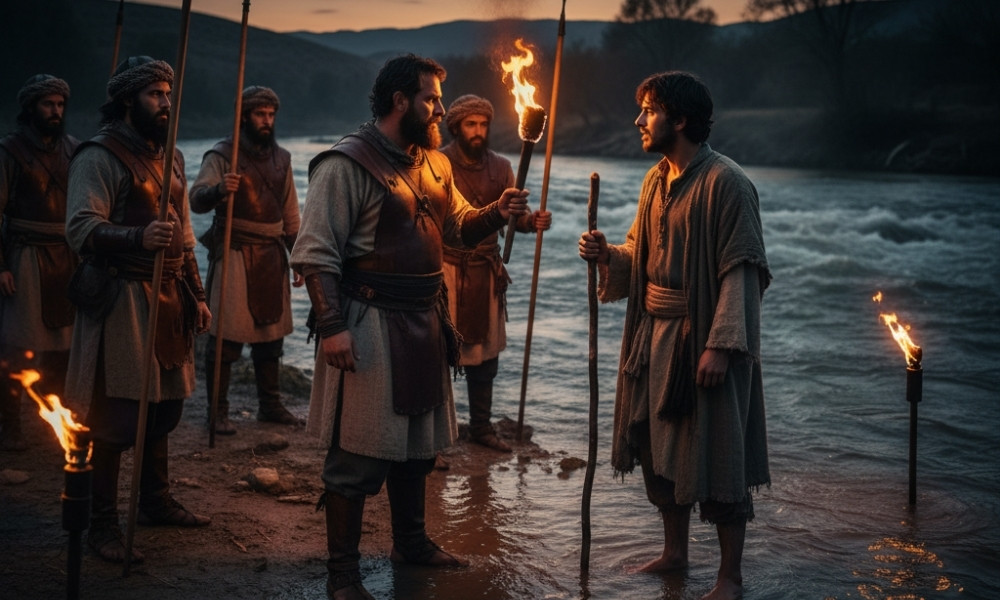
Jabesh-gilead was a city defined by a legacy of survival and fierce loyalty, best known for the valiant night raid to retrieve the bodies of King Saul and his sons from Philistine desecration.
