

Bible Locations
Locations mark the sacred places where God’s promises, encounters, and miracles unfolded, grounding biblical stories in real historical settings.
-
Mizpah
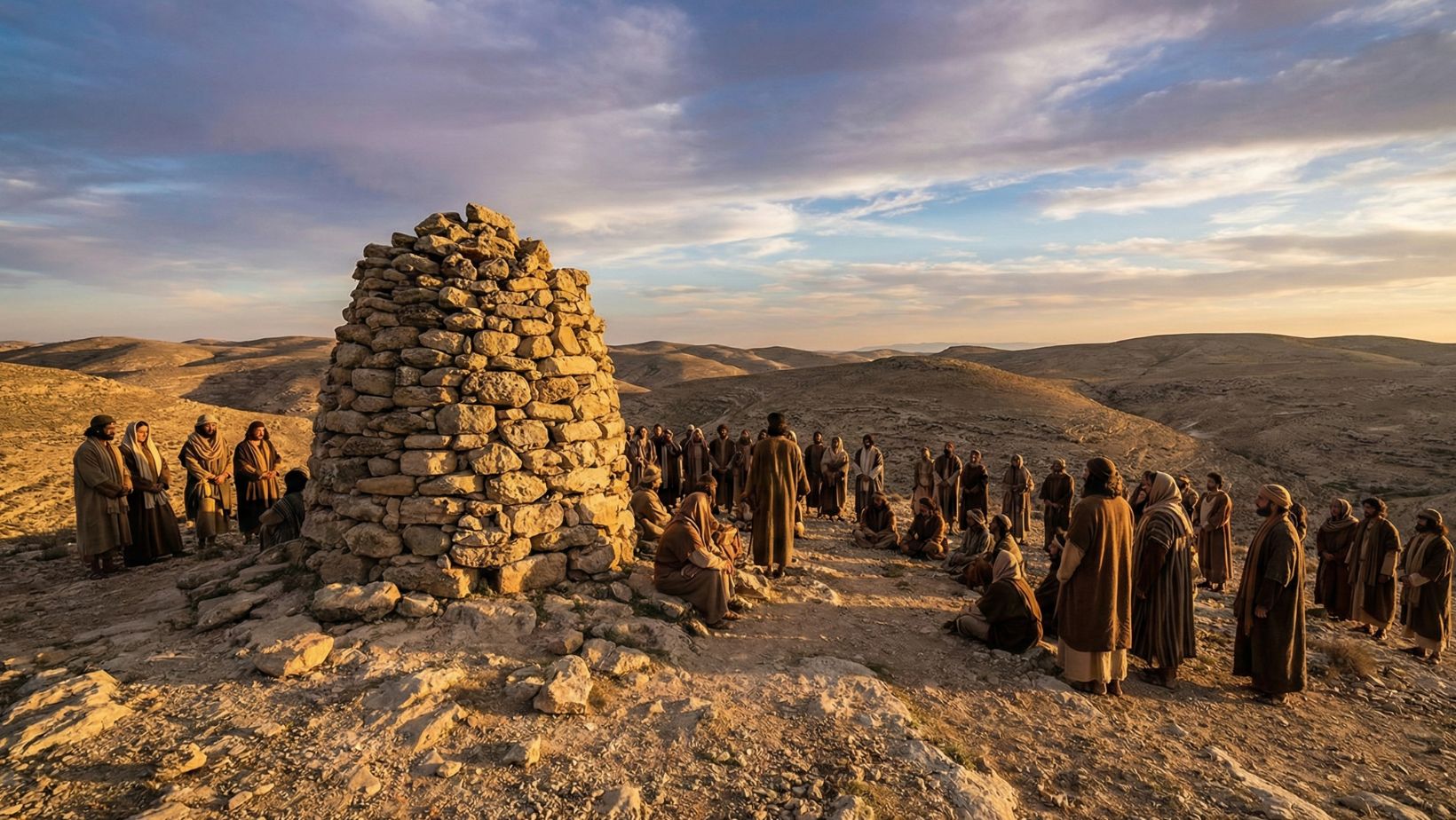
Mizpah, meaning “Watchtower,” is the biblical site of the covenant between Jacob and Laban, the place of Israel’s national repentance and victory under Samuel, and the location where Saul was proclaimed the first King of Israel.
-
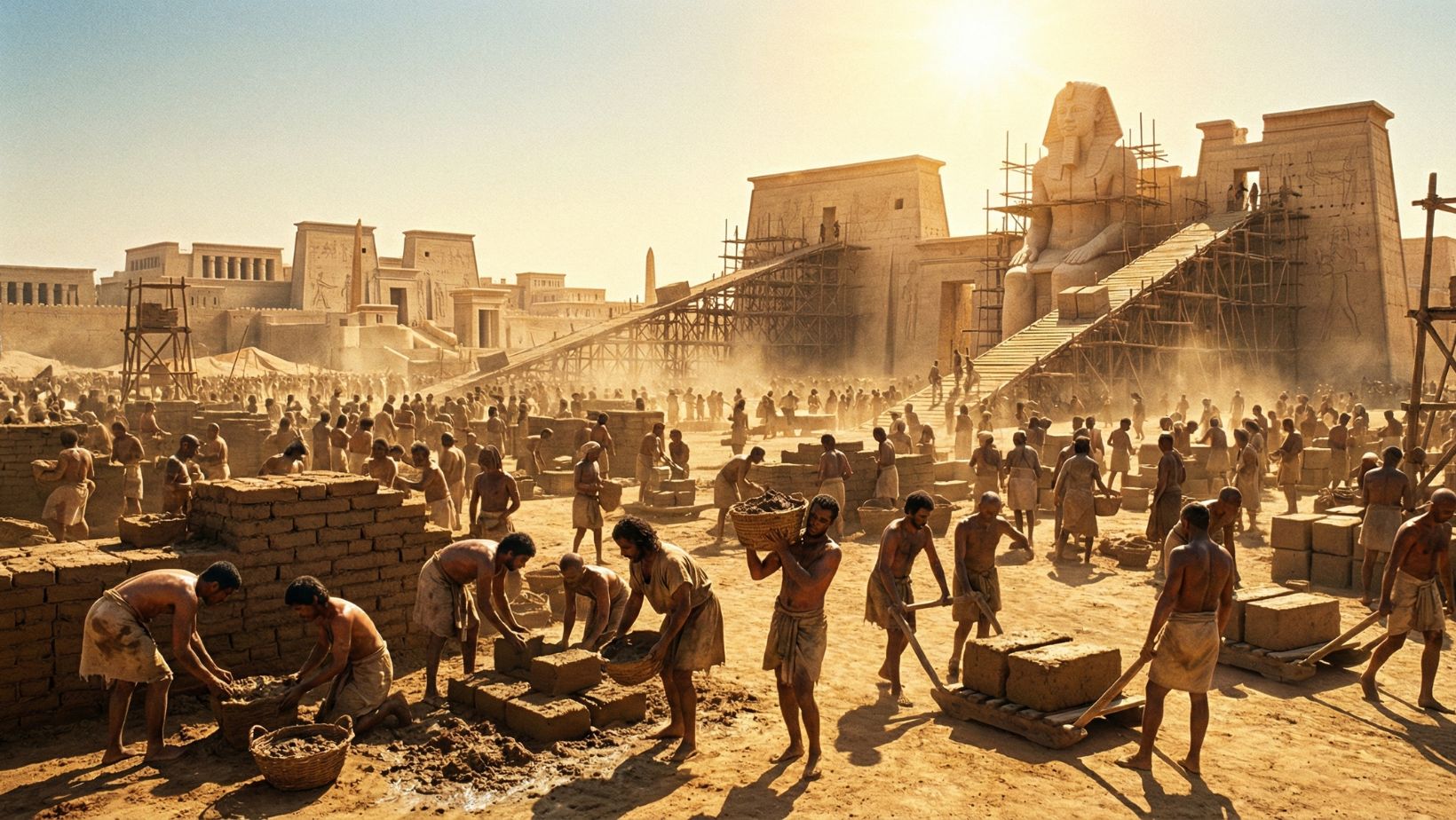
Rameses
Rameses was the Egyptian treasure city built by Israelite slave labor, representing the height of their oppression, and the starting point of their triumphant Exodus after the Passover.
-
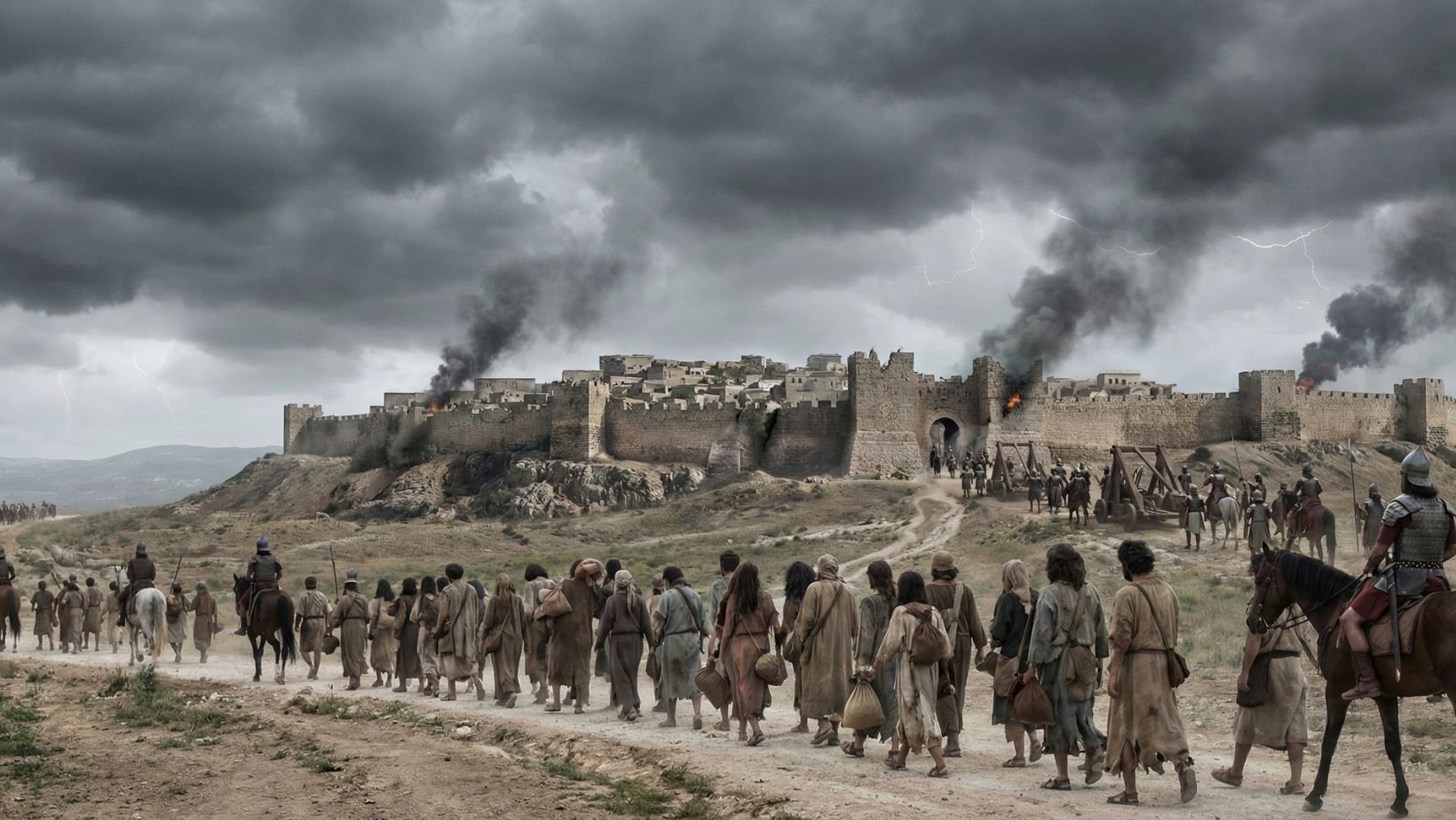
Samaria
After centuries of idolatry and ignored warnings, God allows the Assyrians to destroy Samaria and exile Israel, repopulating the land with foreigners who create a mixed religion, giving rise to the Samaritan people.
-
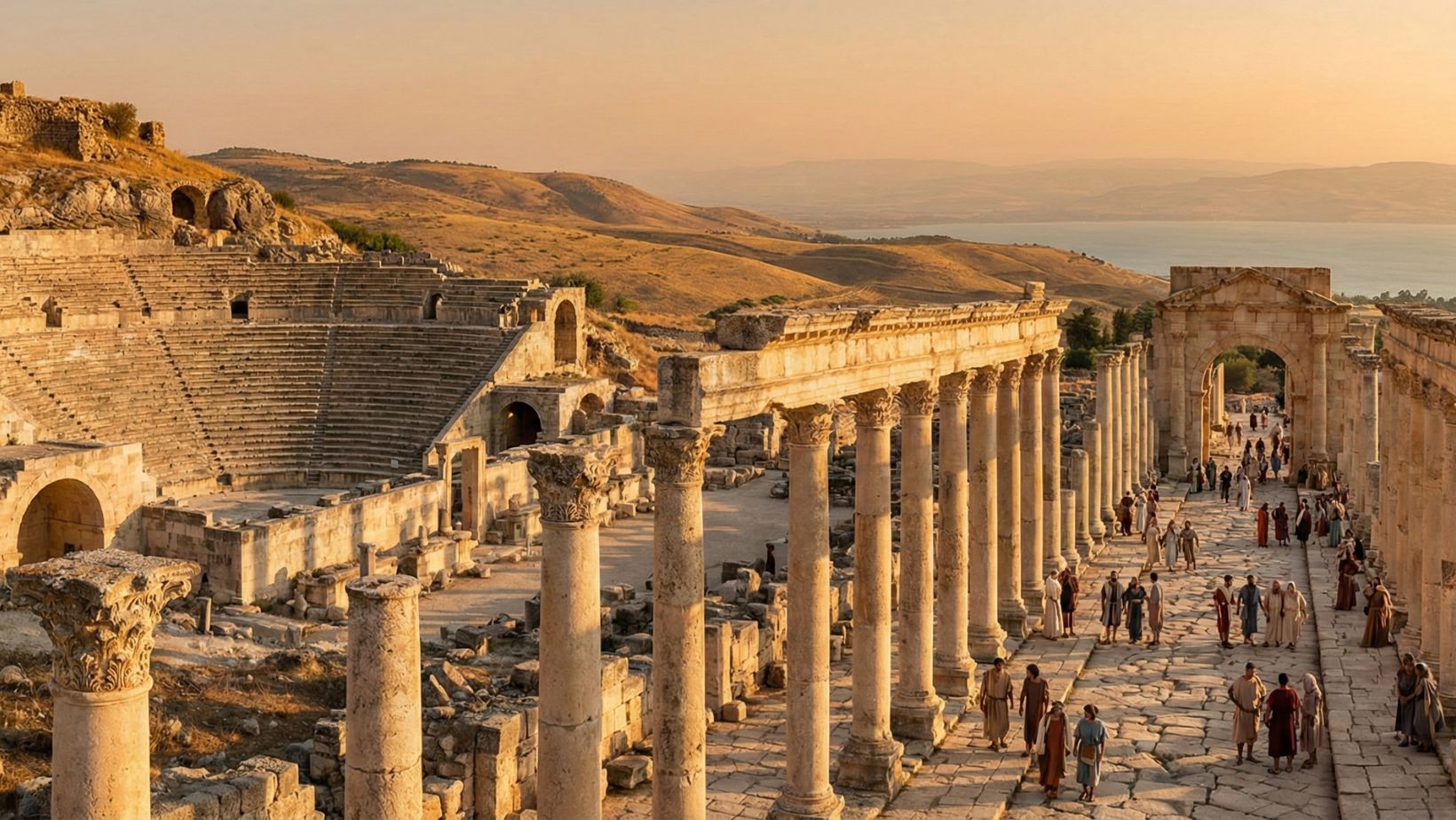
Decapolis
The Decapolis was a league of ten Hellenistic cities on the eastern frontier of Rome that served as a significant setting for Jesus’ ministry to the Gentiles and a refuge for the early Church.
-
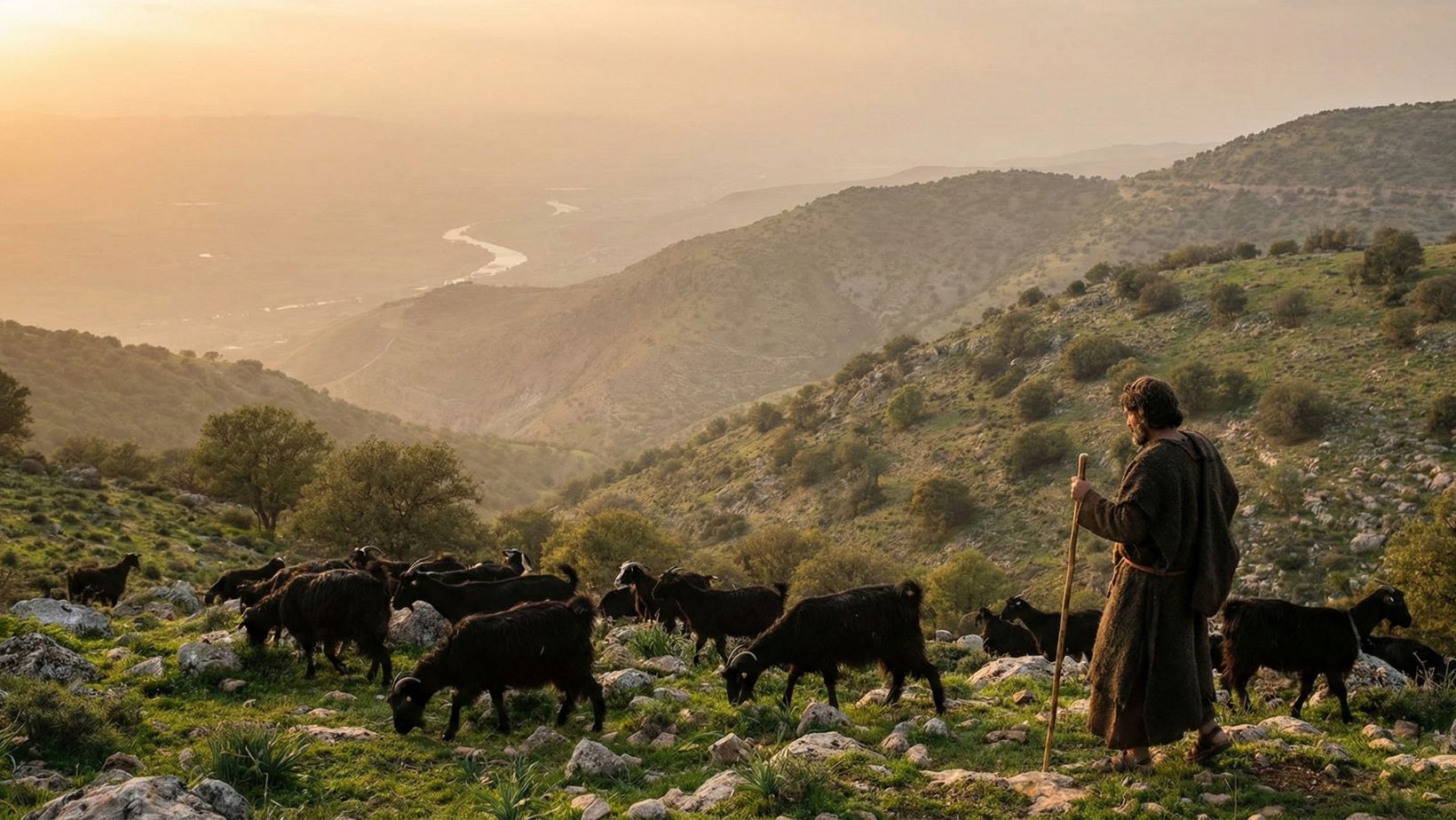
Gilead
Gilead was the rugged, fertile frontier east of the Jordan, known for its warriors, its healing balm, and its role as a refuge for biblical leaders in crisis.
-
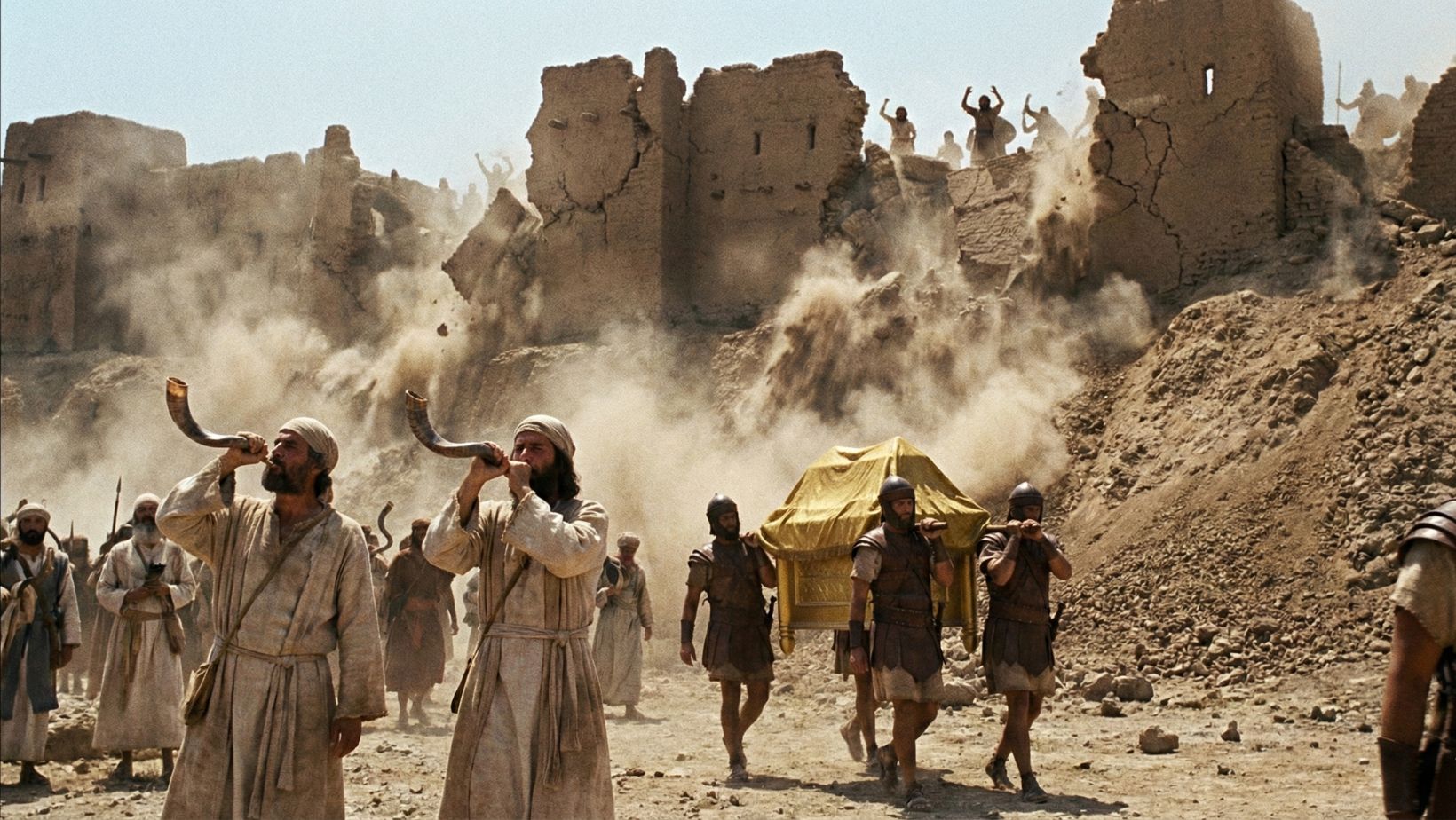
The walls of Jericho
The Walls of Jericho were a formidable double-tier fortification that collapsed through the Israelites’ obedient faith, demonstrating that the conquest of Canaan was accomplished by God’s power rather than military might.
-
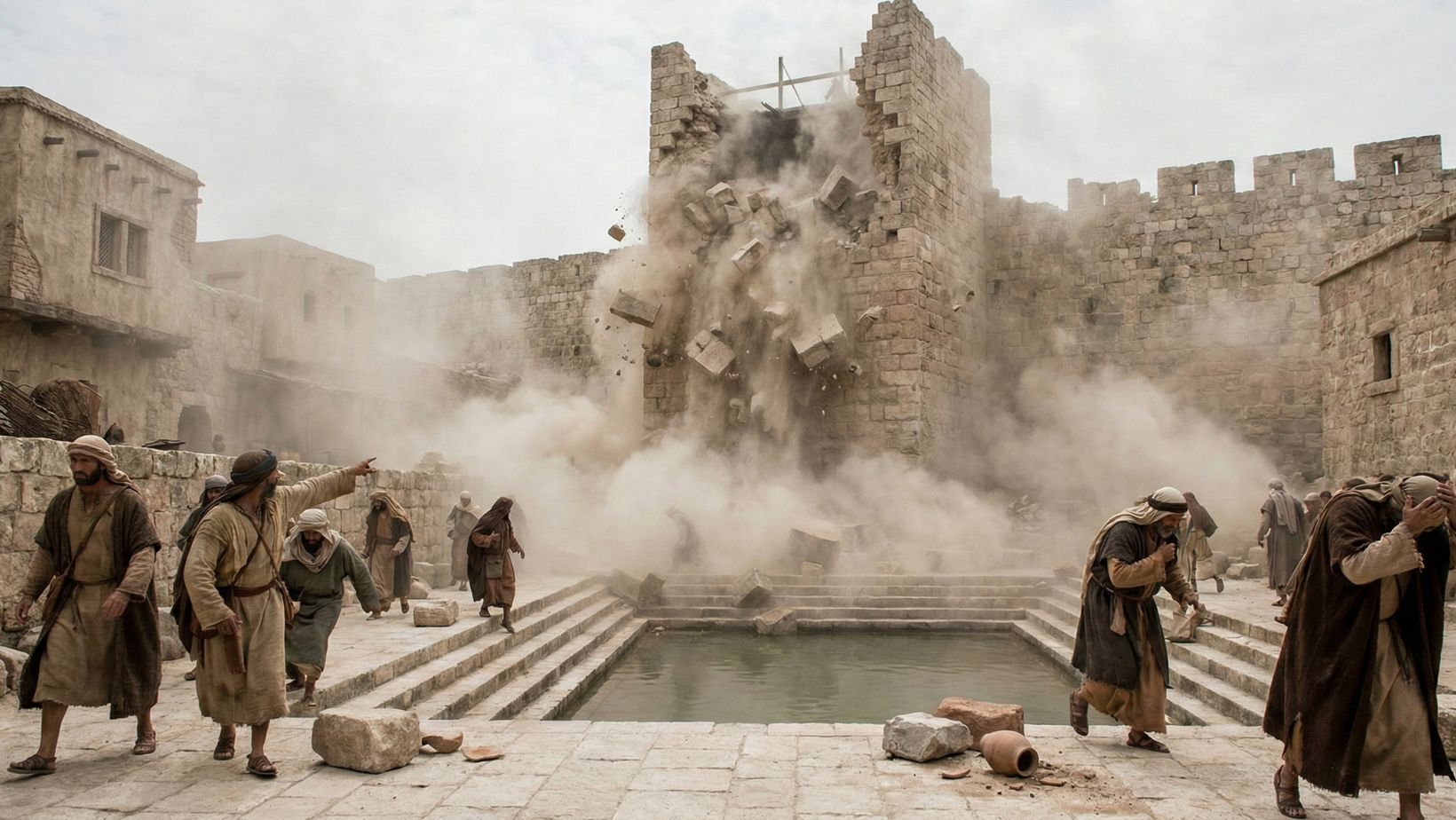
Tower of Siloam
The Tower of Siloam was a structure in Jerusalem that collapsed and killed 18 people, an event Jesus used to teach that tragedy is not proof of exceptional sinfulness, but a warning of the fragility of life.
-
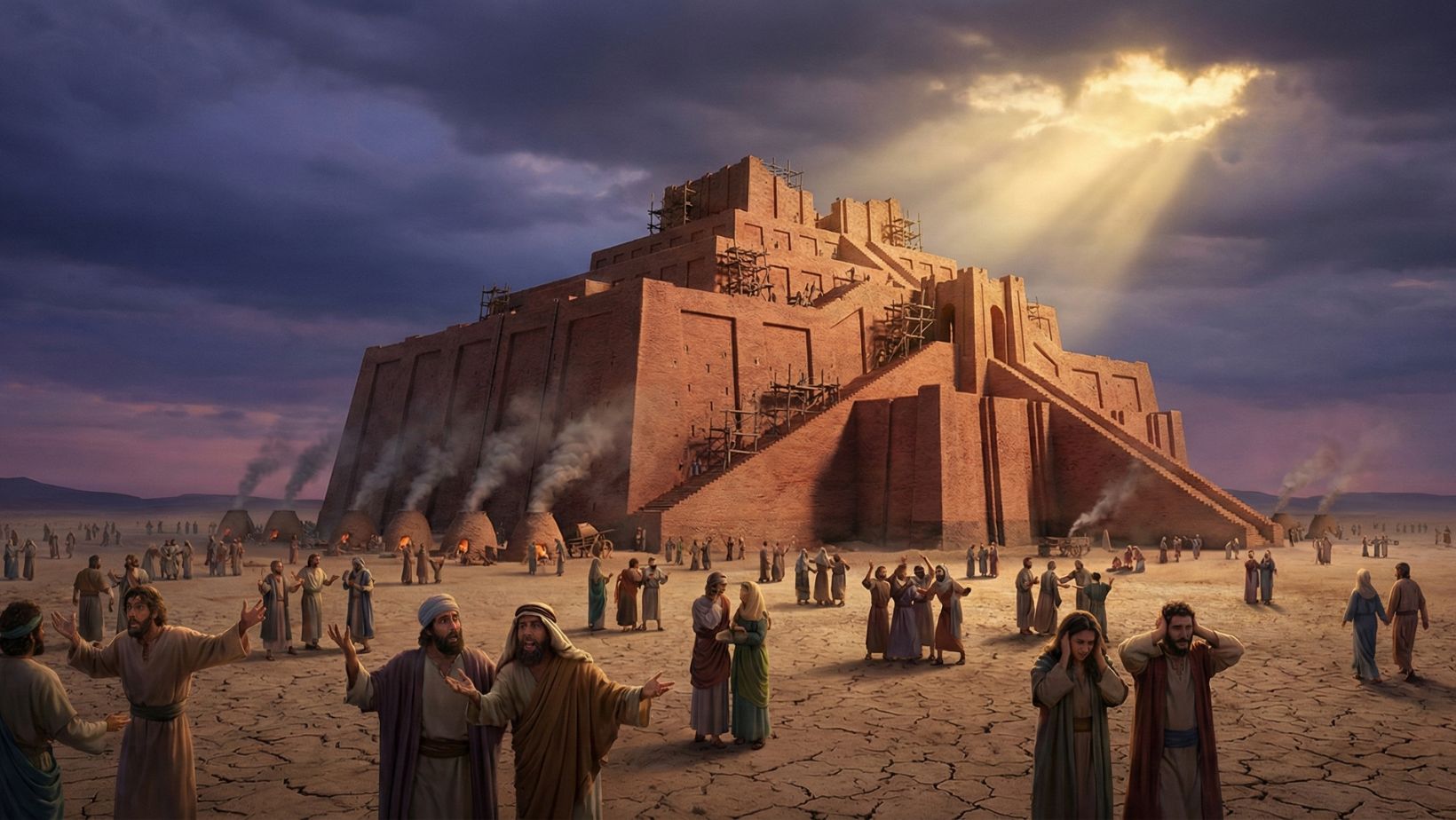
Tower of Babel
The Tower of Babel was humanity’s first organized attempt to replace divine authority with human achievement, resulting in the judgment of confused languages and global dispersion.
-
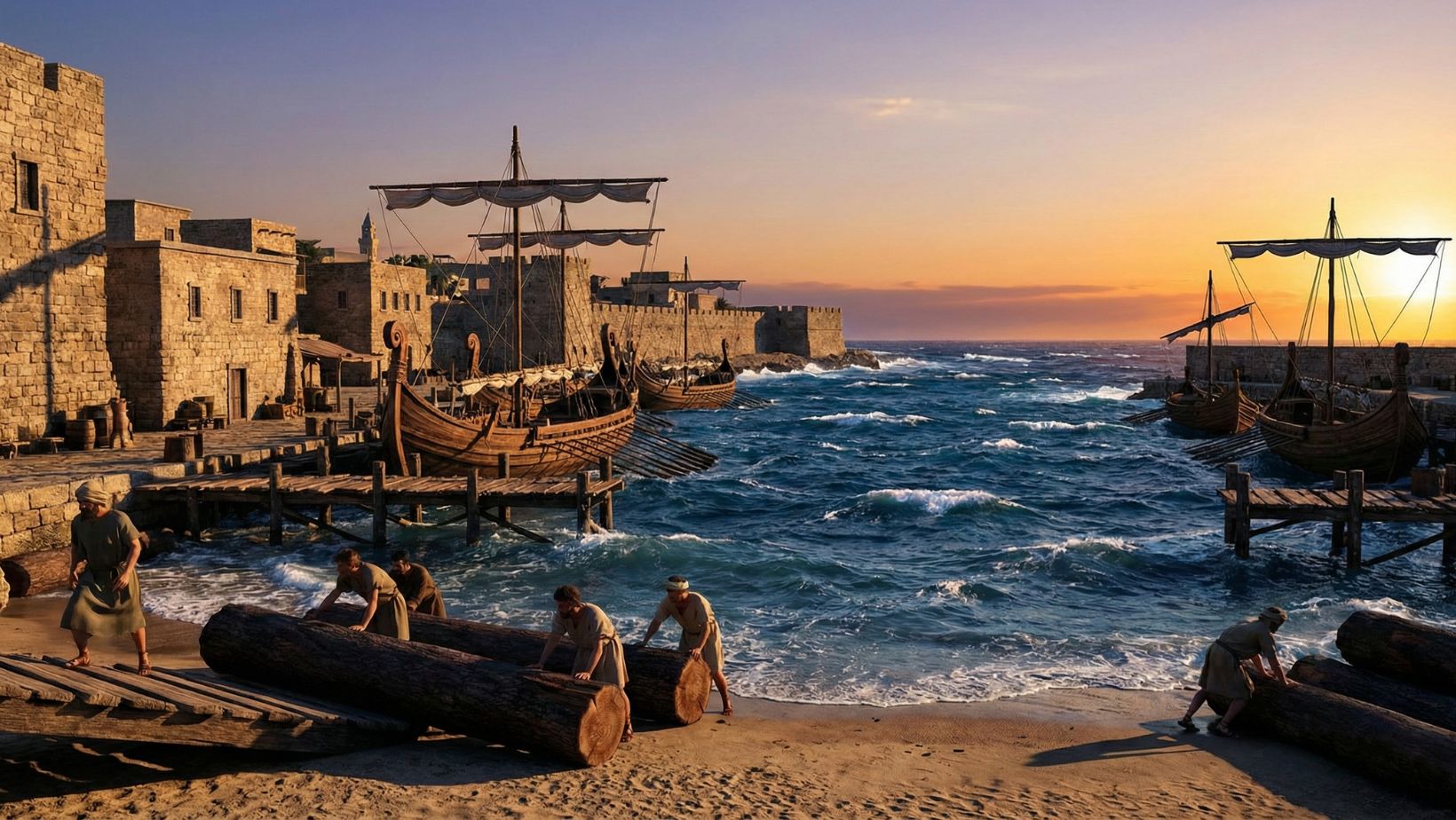
Mediterranean Sea
The Mediterranean Sea served as the western border of the Promised Land and the mysterious gateway to the Gentile nations, eventually becoming the maritime highway for the spread of the Gospel.
-
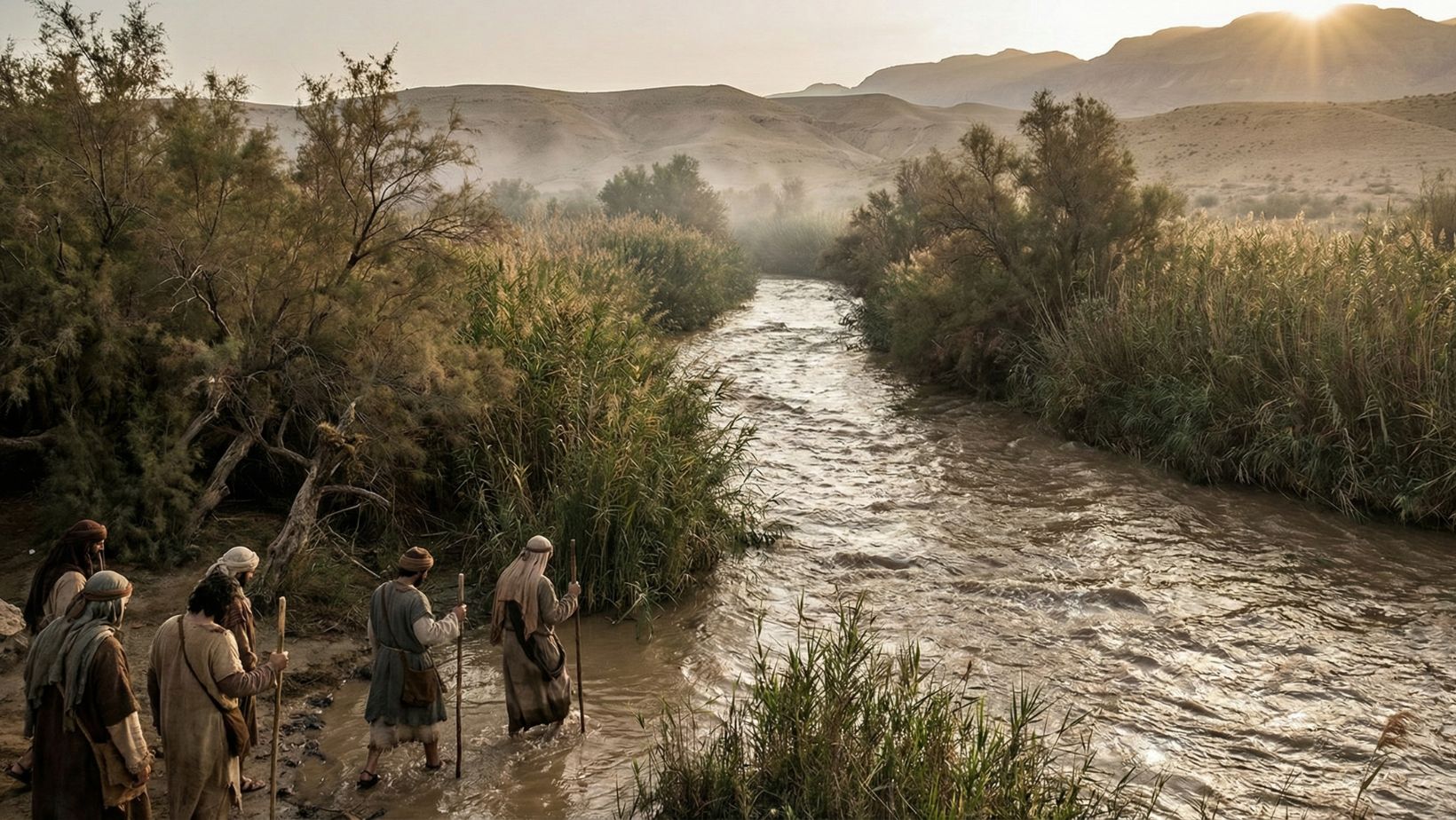
Jordan River
The Jordan River is the biblical boundary between the wilderness and the promise, symbolizing the necessity of passing through death and repentance to enter into new life with God.
Bible Characters

-
Jonathan
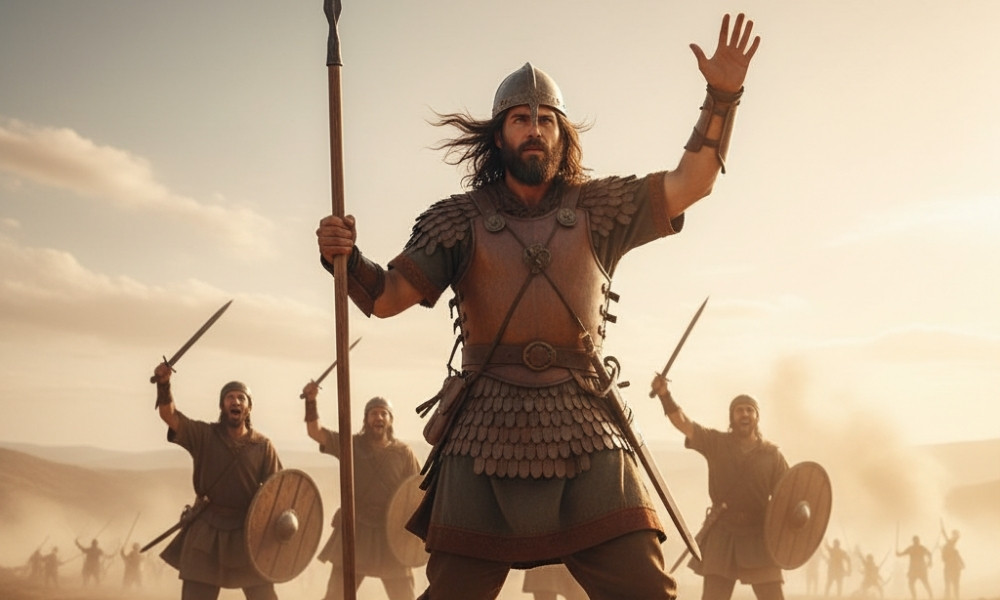
Jonathan was the valiant crown prince of Israel who chose loyalty to God’s anointed over his own ambition, becoming the Bible’s ultimate example of sacrificial friendship.
-
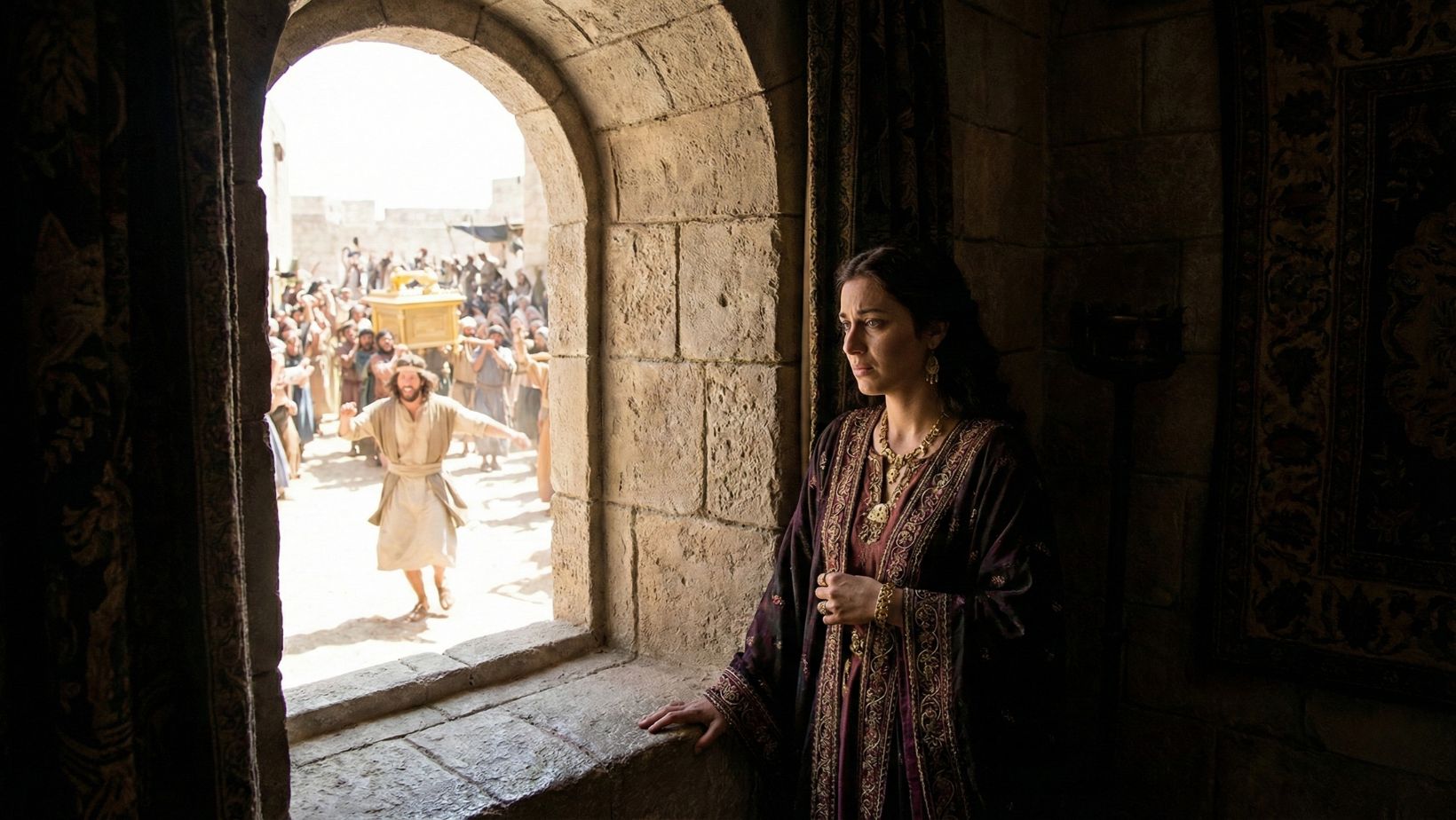
Michal
Michal was the daughter of King Saul who saved David’s life out of love but ultimately ended her life in barren isolation because she valued royal dignity over humble worship.
-
Abner
Abner was the powerful commander of Saul’s army who, after a long rivalry with David, sought to unite all Israel under David’s crown before being tragically assassinated by Joab.
Biblical Events
-
Jonathan
Jonathan was the valiant crown prince of Israel who chose loyalty to God’s anointed over his own ambition, becoming the Bible’s ultimate example of sacrificial friendship.
-
Michal
Michal was the daughter of King Saul who saved David’s life out of love but ultimately ended her life in barren isolation because she valued royal dignity over humble worship.
-
Abner
Abner was the powerful commander of Saul’s army who, after a long rivalry with David, sought to unite all Israel under David’s crown before being tragically assassinated by Joab.
Bible Locations

-
The City of David
The City of David is the ancient, fortified ridge where King David established his capital, serving as the historical seed from which Jerusalem grew and the spiritual center of the Israelite kingdom.
-
Mahanaim
Mahanaim, meaning “Two Camps,” was the historic fortress city east of the Jordan where Jacob met angels and where kings Ishbosheth and David found refuge during Israel’s greatest civil wars.
-
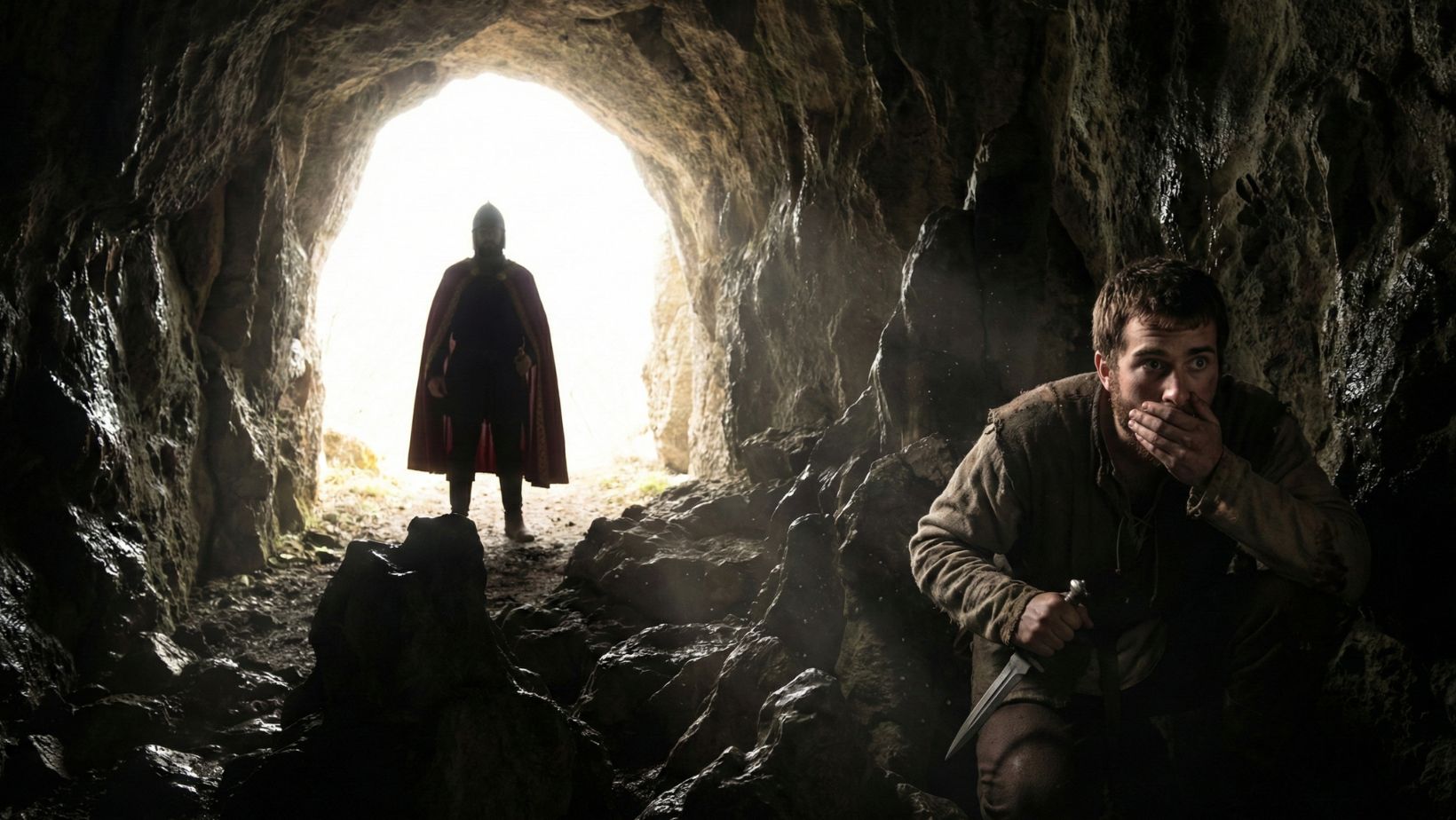
Jabesh-gilead
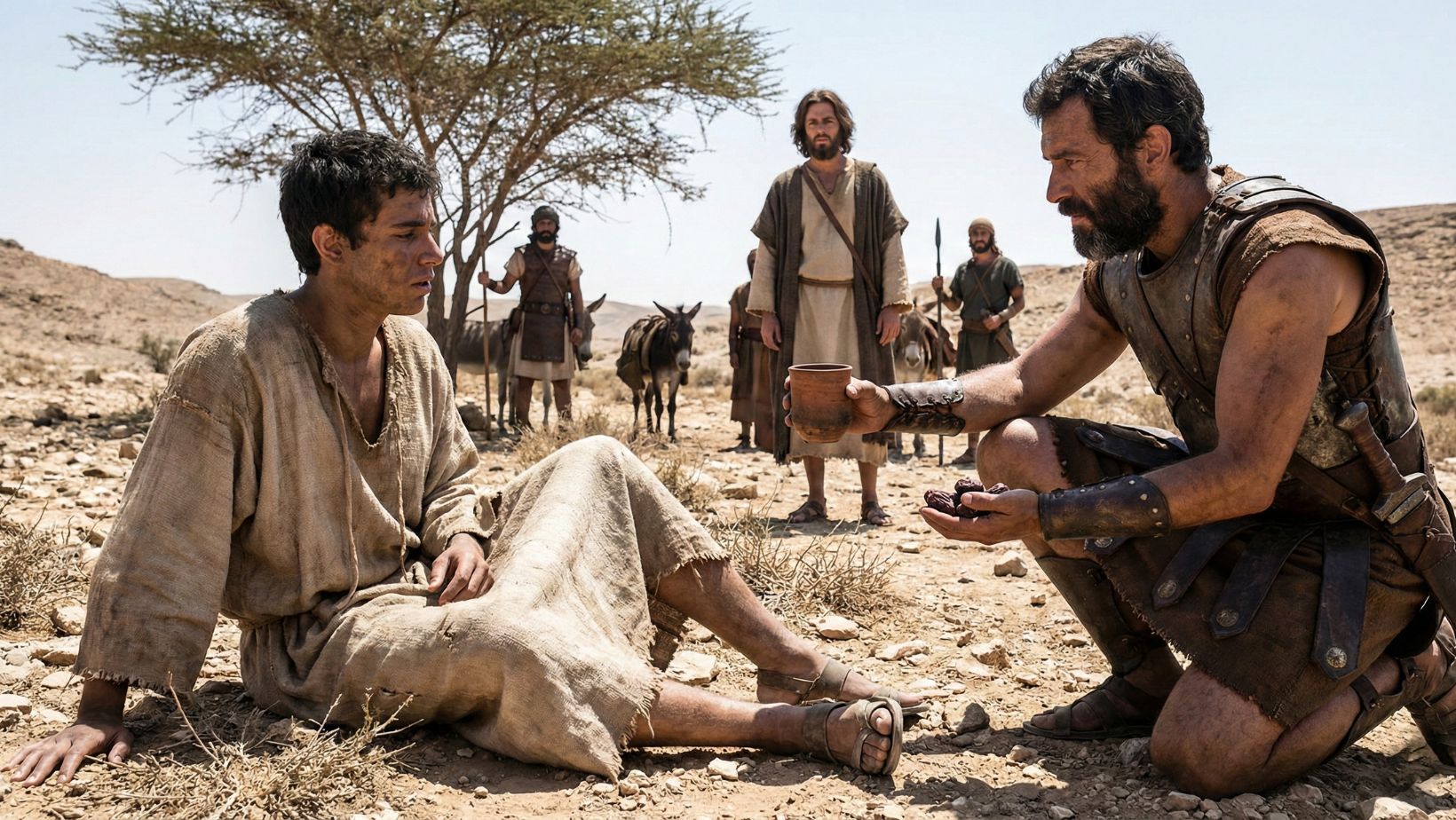
Jabesh-gilead was a city defined by a legacy of survival and fierce loyalty, best known for the valiant night raid to retrieve the bodies of King Saul and his sons from Philistine desecration.
