


Bible Locations
Locations mark the sacred places where God’s promises, encounters, and miracles unfolded, grounding biblical stories in real historical settings.
-
Moab
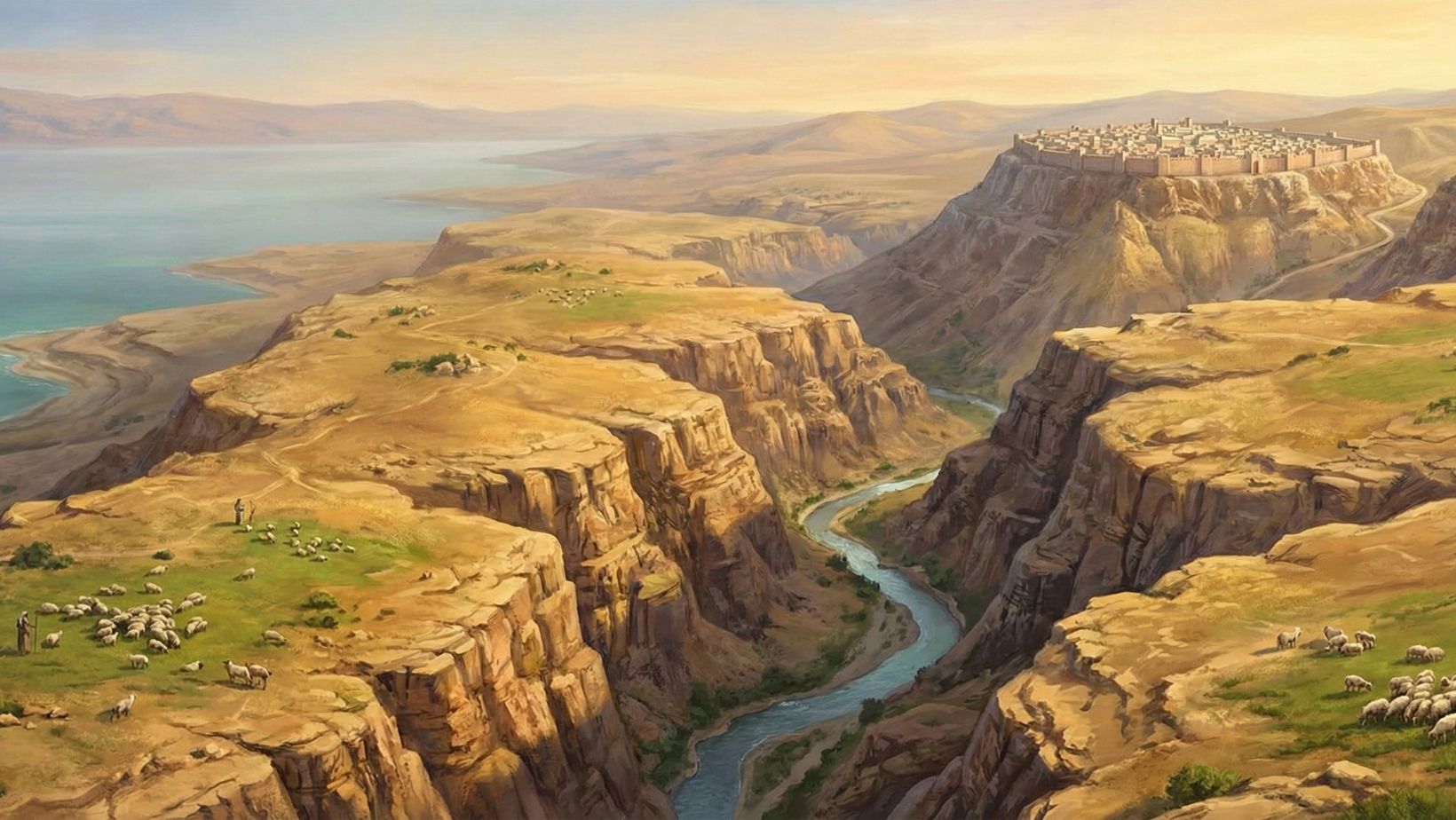
The region of Moab was a high, fertile plateau and natural fortress east of the Dead Sea that served as the final staging ground for the Exodus, a breadbasket for refugees like Ruth, and a perennial military rival to the kingdom of Israel.
-
Corinth
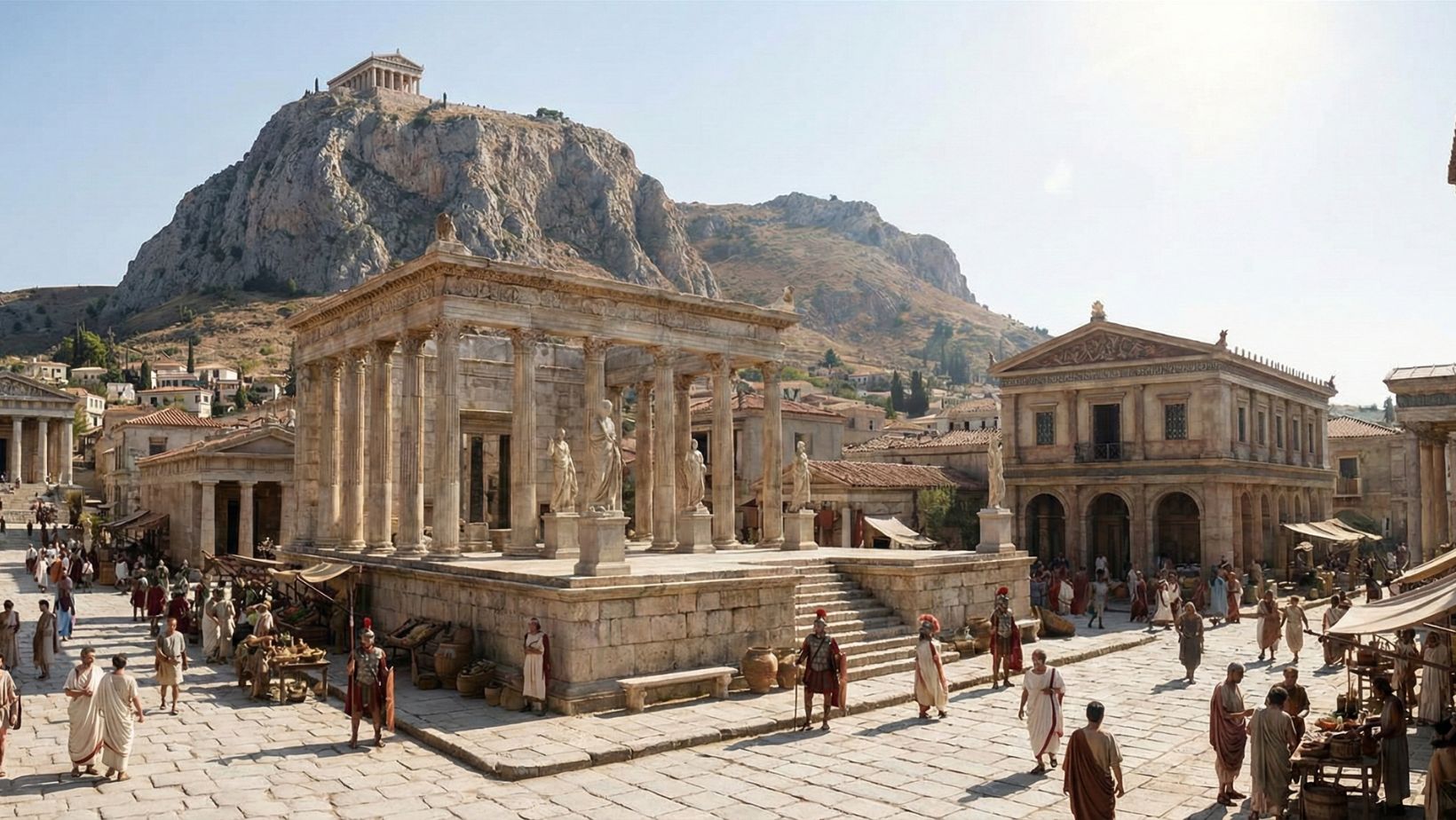
Corinth was a wealthy, morally complex Roman colony where the Apostle Paul planted a vibrant church, demonstrating that the Gospel could take root and flourish even in the most cosmopolitan and decadent of environments.
-
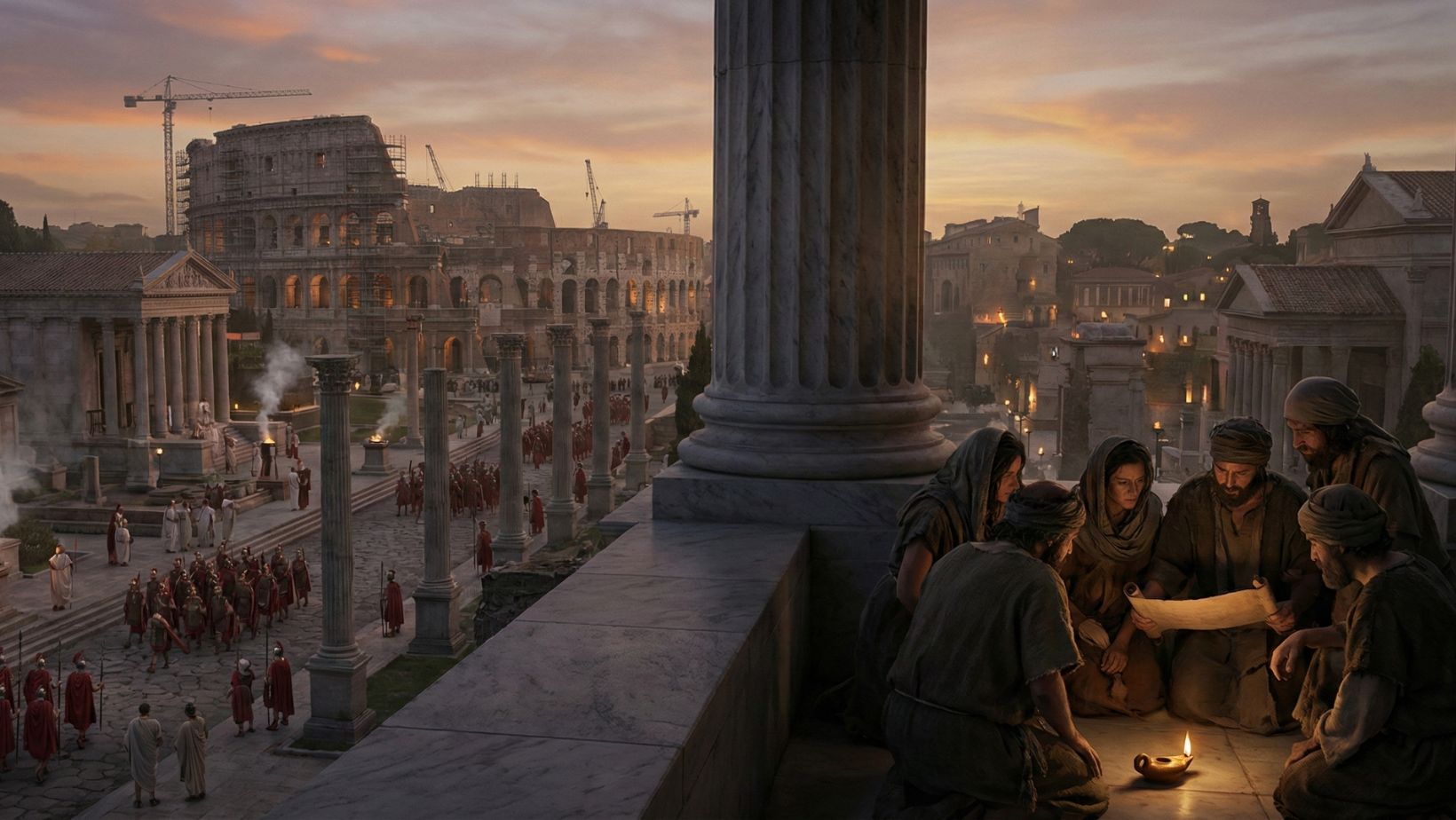
Rome
Rome was the iron-willed capital of the ancient world that served as both the executioner of the Apostles and the strategic launchpad for the global spread of the Gospel.
-
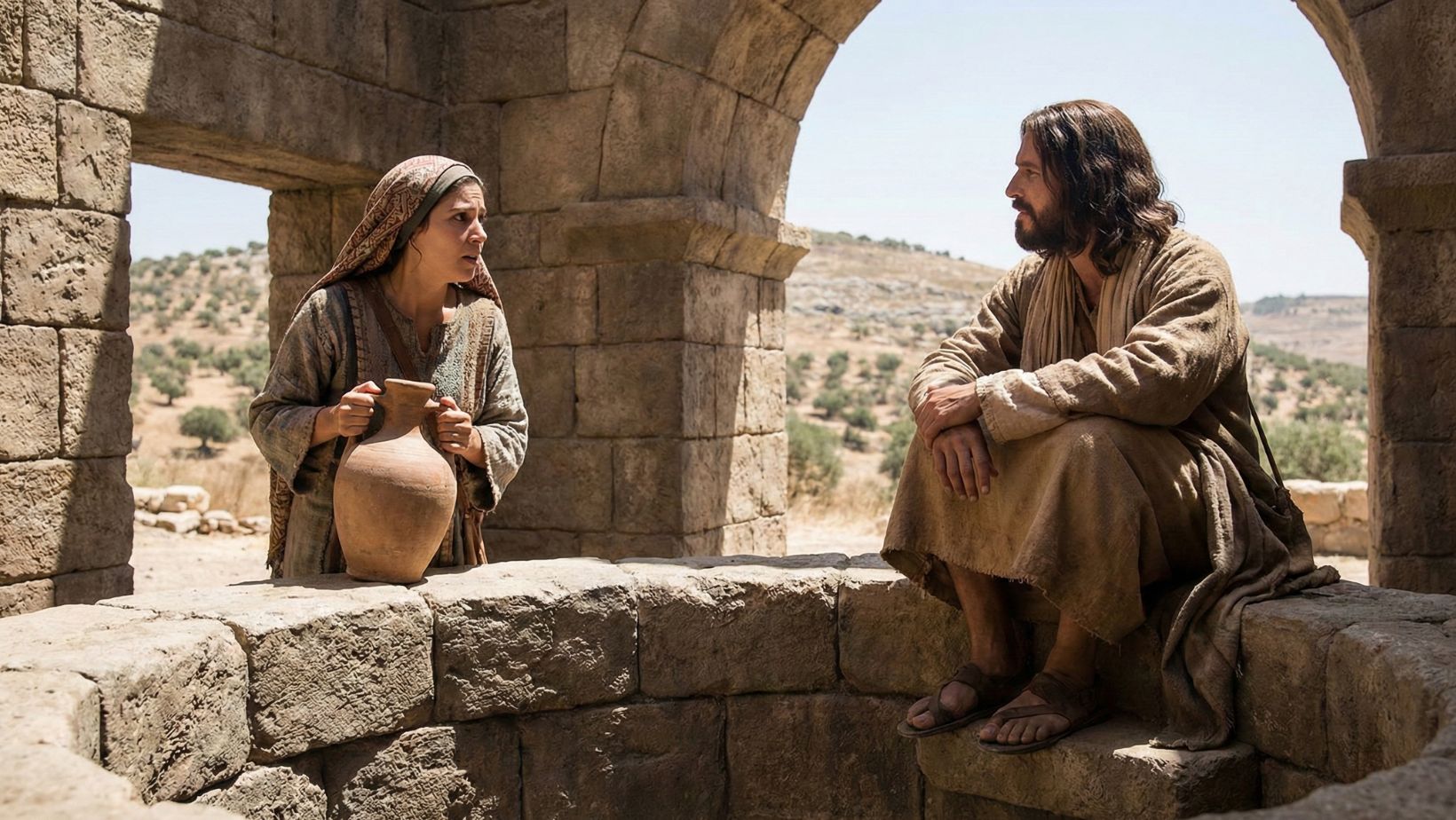
Well of Jacob
Jacob’s Well is the historic meeting place where the physical heritage of the Patriarchs met the spiritual fulfillment of the Messiah, transforming a site of division into a source of “living water” for the world.
-
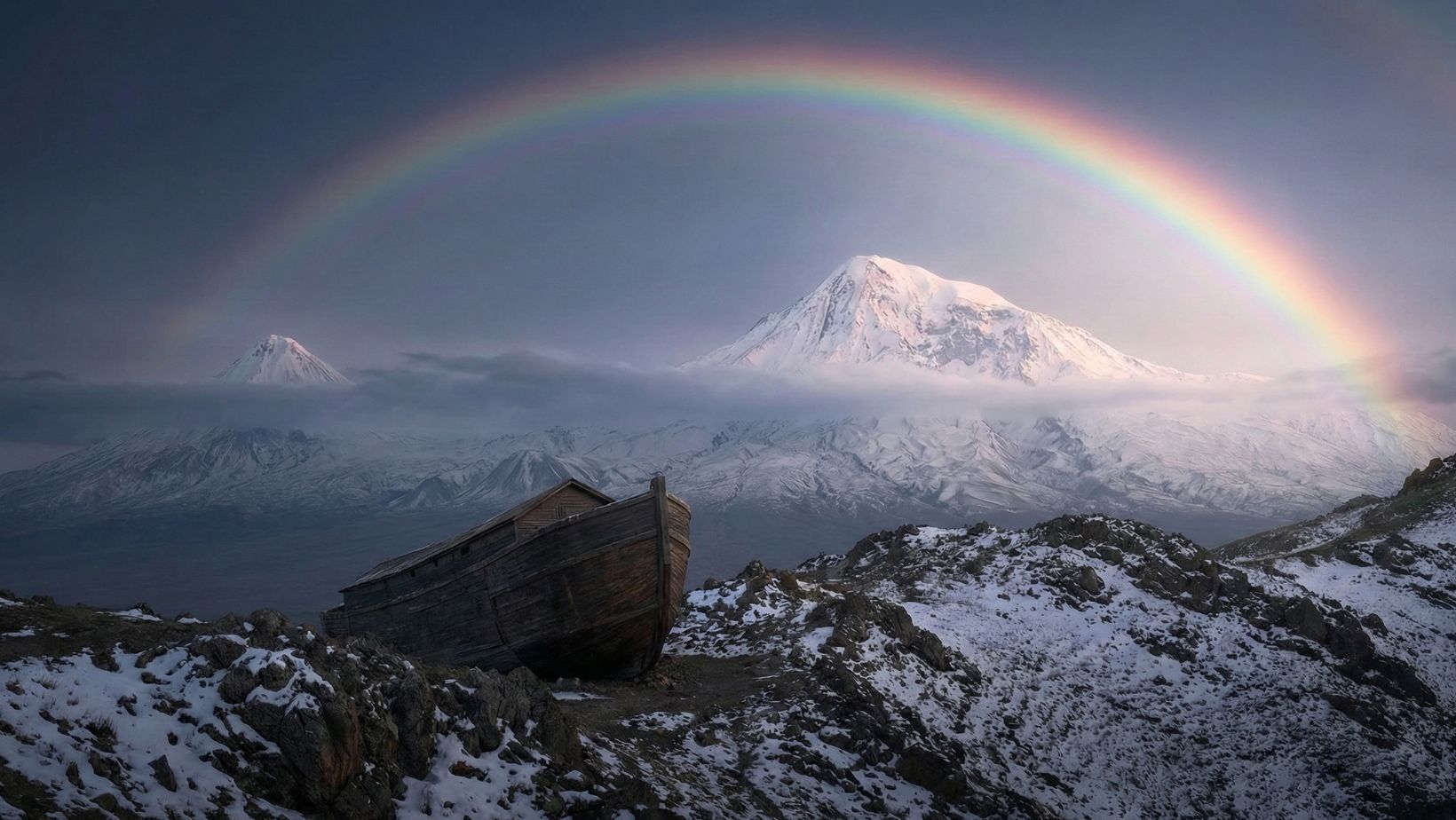
Mount Ararat
Mount Ararat is the majestic geological monument that marks the end of God’s judgment by water and the beginning of His covenant of grace with the post-flood world.
-
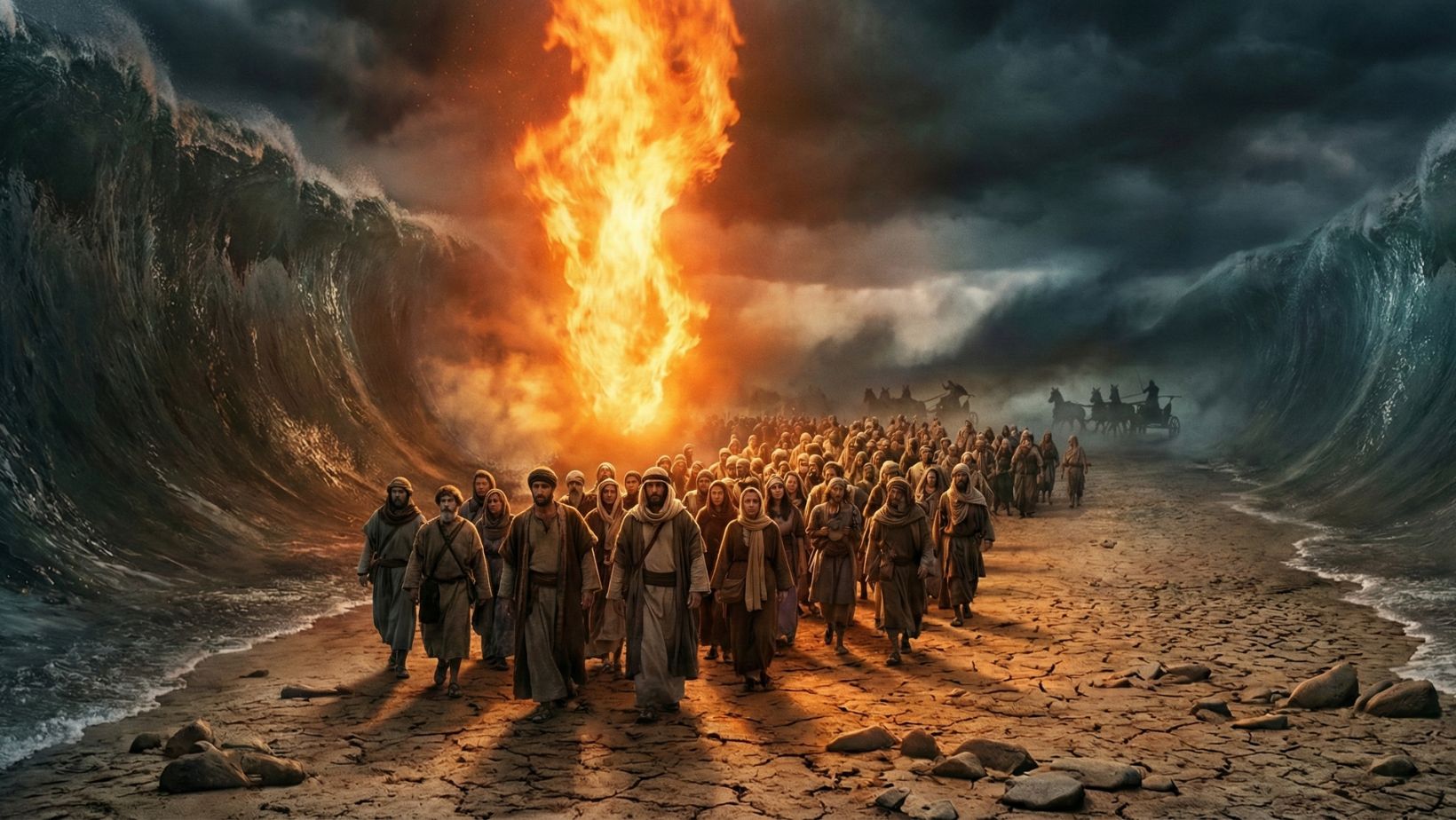
Red Sea
The Red Sea serves as the dramatic stage for God’s greatest act of Old Testament deliverance, symbolizing the transition from slavery to freedom and the washing away of the old life.
-
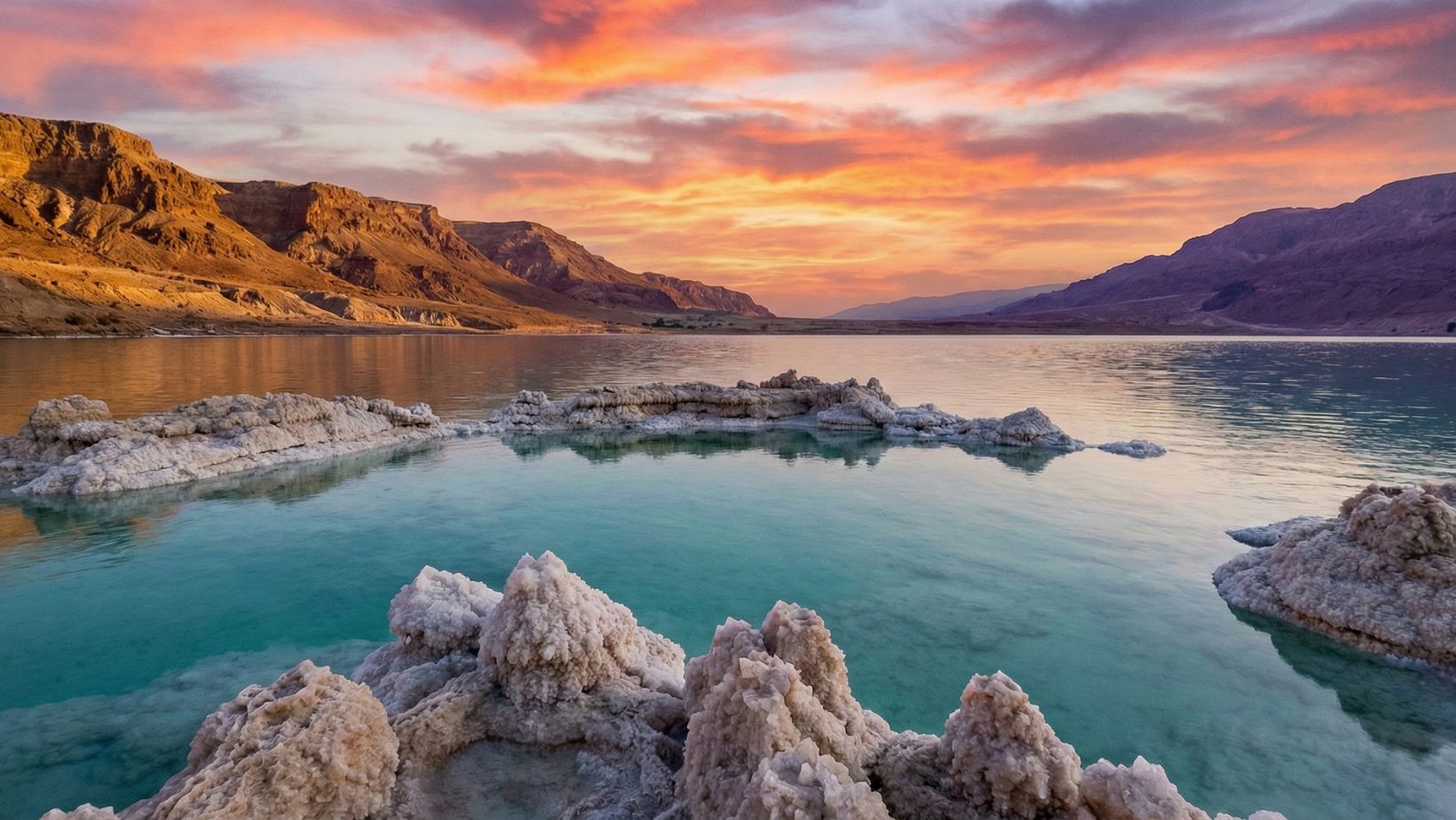
Dead Sea (Salt Sea)
The Dead Sea is a stark geographical testament to divine judgment and a profound prophetic symbol of God’s power to bring life out of absolute barrenness.
-

Eden (Garden of God)
Eden was the original sanctuary of delight where humanity dwelt in God’s presence, and though lost through sin, its imagery of the Tree of Life and the River defines the ultimate hope of the New Creation.
-
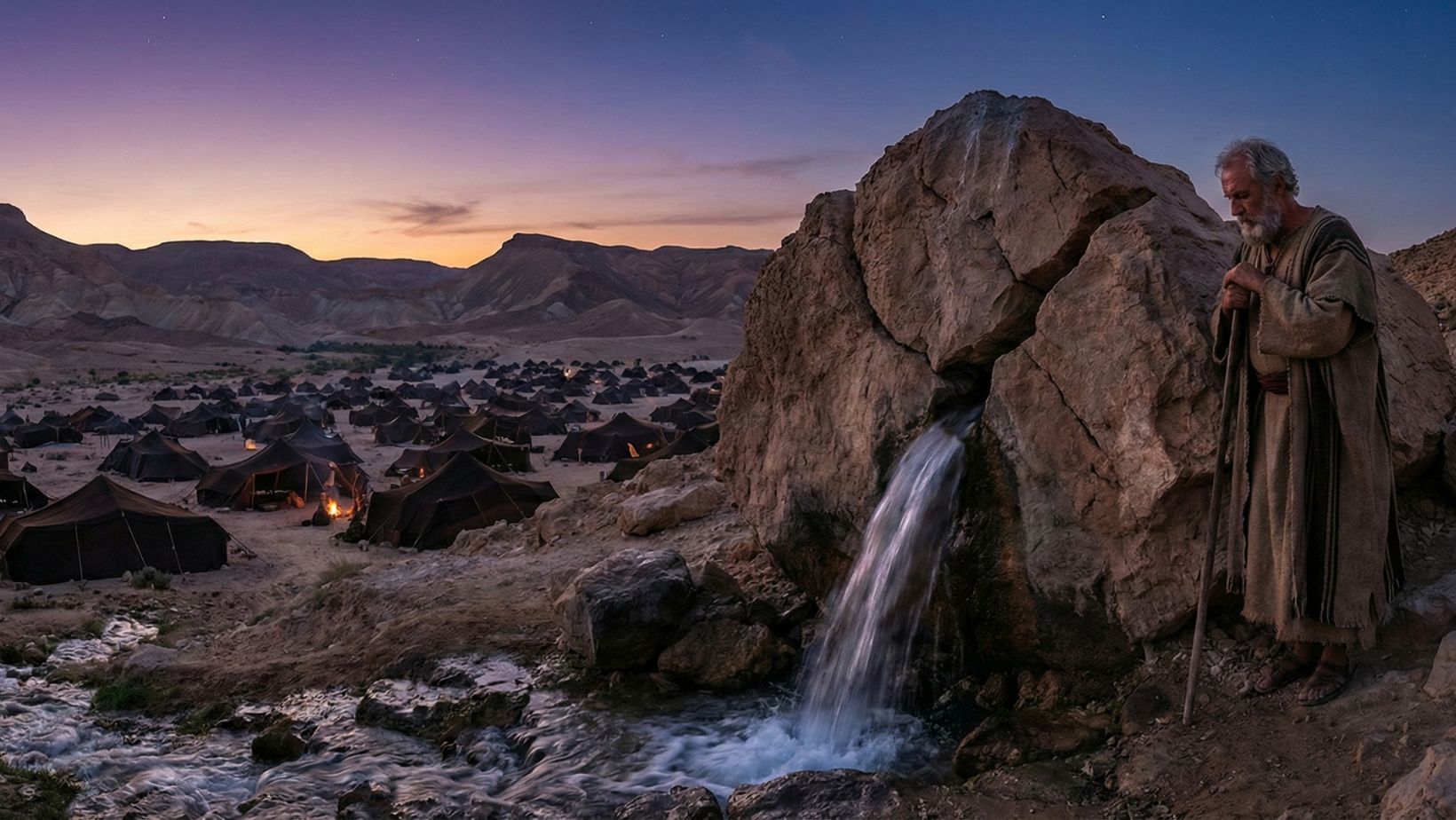
Kadesh-Barnea
Kadesh-Barnea was the oasis on the threshold of the Promised Land where Israel’s refusal to trust God turned a short journey into forty years of wandering, and where Moses forfeited his right to enter Canaan.
-
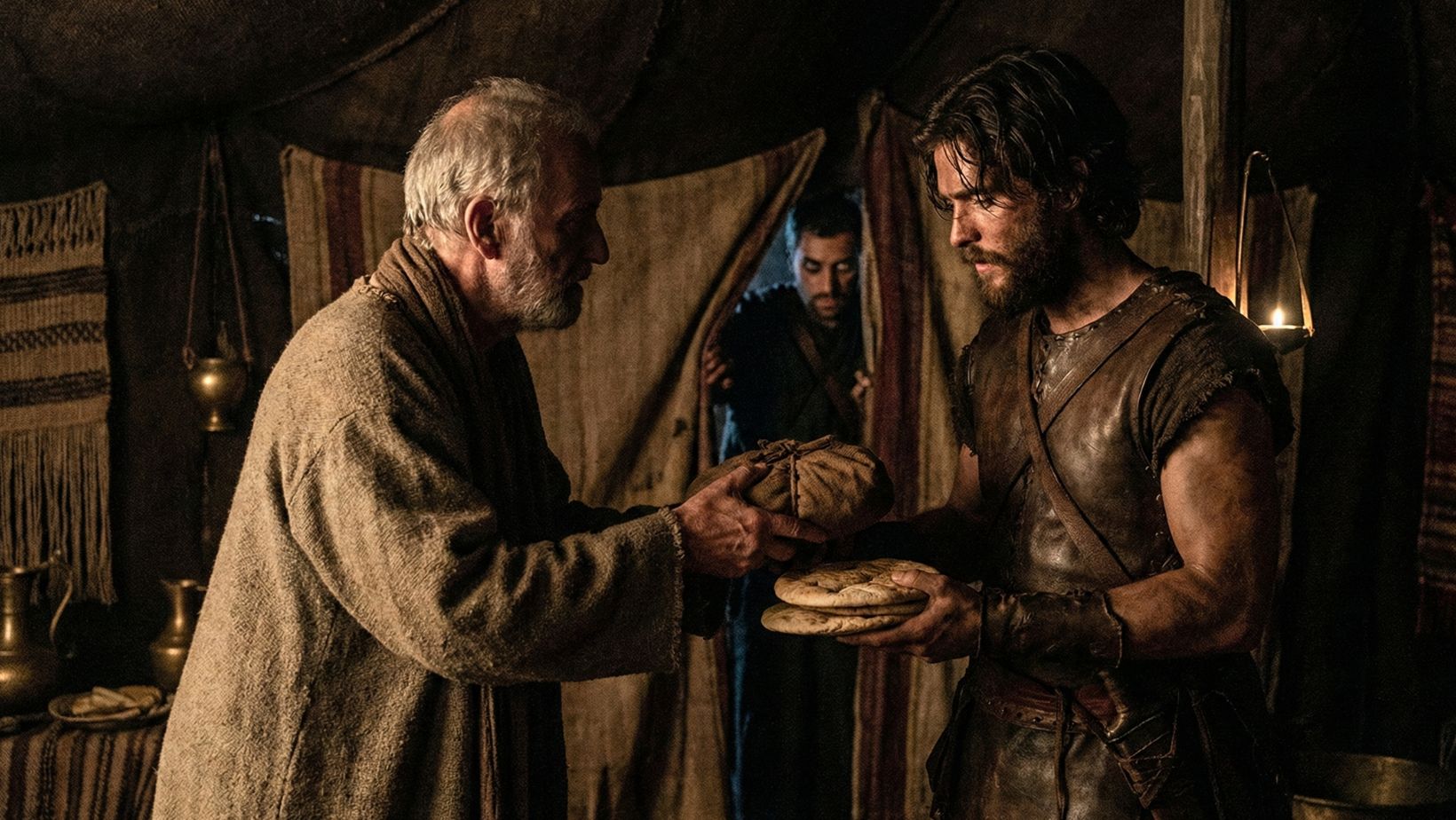
Nob
Nob was the city of priests where David received holy bread and Goliath’s sword, an act of mercy that resulted in a tragic massacre by King Saul and the fulfillment of the curse on the house of Eli.
Bible Characters

-
Jonathan
Jonathan was the valiant crown prince of Israel who chose loyalty to God’s anointed over his own ambition, becoming the Bible’s ultimate example of sacrificial friendship.
-
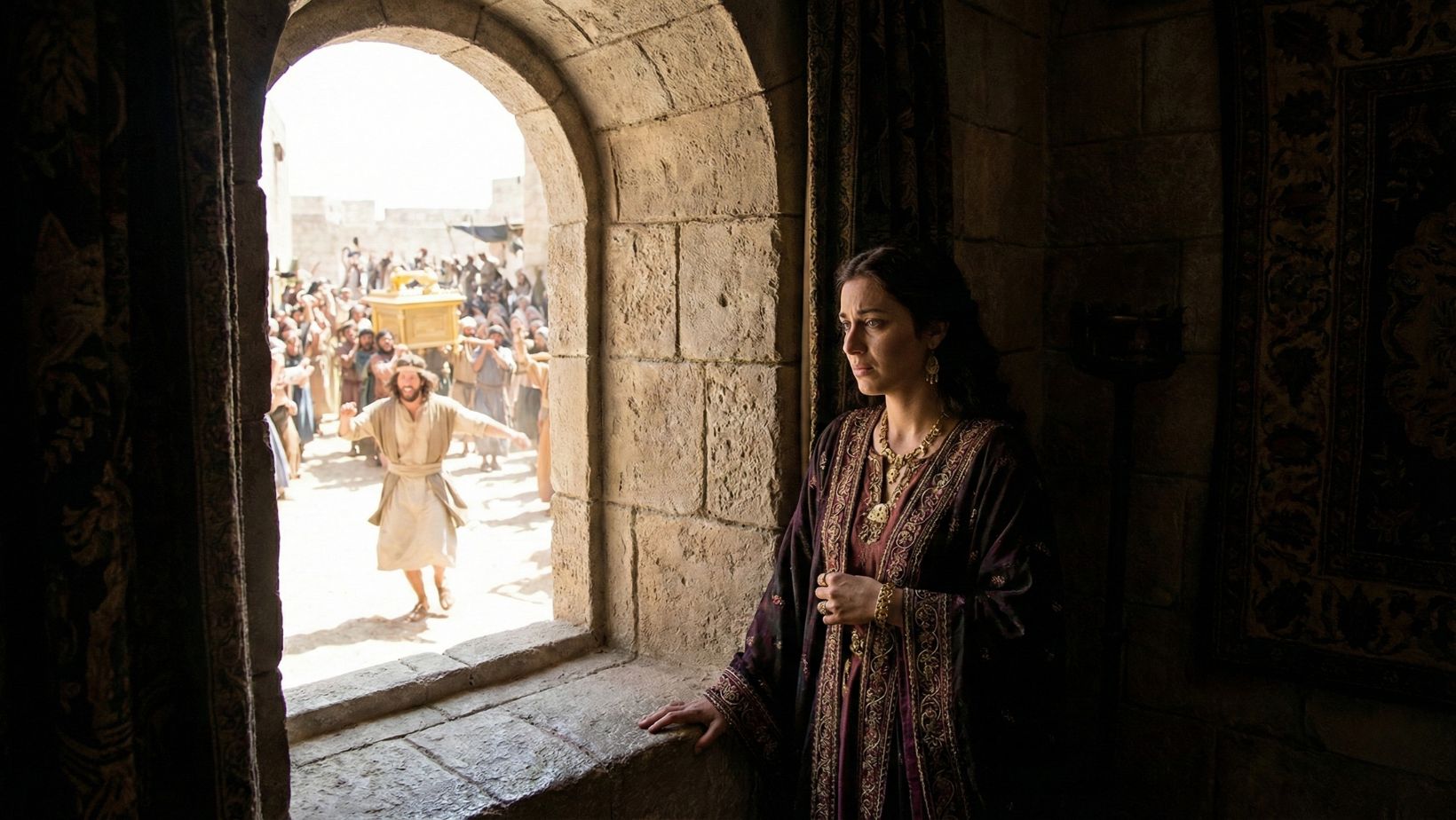
Michal
Michal was the daughter of King Saul who saved David’s life out of love but ultimately ended her life in barren isolation because she valued royal dignity over humble worship.
-
Abner
Abner was the powerful commander of Saul’s army who, after a long rivalry with David, sought to unite all Israel under David’s crown before being tragically assassinated by Joab.
Biblical Events

-
Jonathan
Jonathan was the valiant crown prince of Israel who chose loyalty to God’s anointed over his own ambition, becoming the Bible’s ultimate example of sacrificial friendship.
-
Michal
Michal was the daughter of King Saul who saved David’s life out of love but ultimately ended her life in barren isolation because she valued royal dignity over humble worship.
-
Abner
Abner was the powerful commander of Saul’s army who, after a long rivalry with David, sought to unite all Israel under David’s crown before being tragically assassinated by Joab.
Bible Locations

-
The City of David
The City of David is the ancient, fortified ridge where King David established his capital, serving as the historical seed from which Jerusalem grew and the spiritual center of the Israelite kingdom.
-
Mahanaim
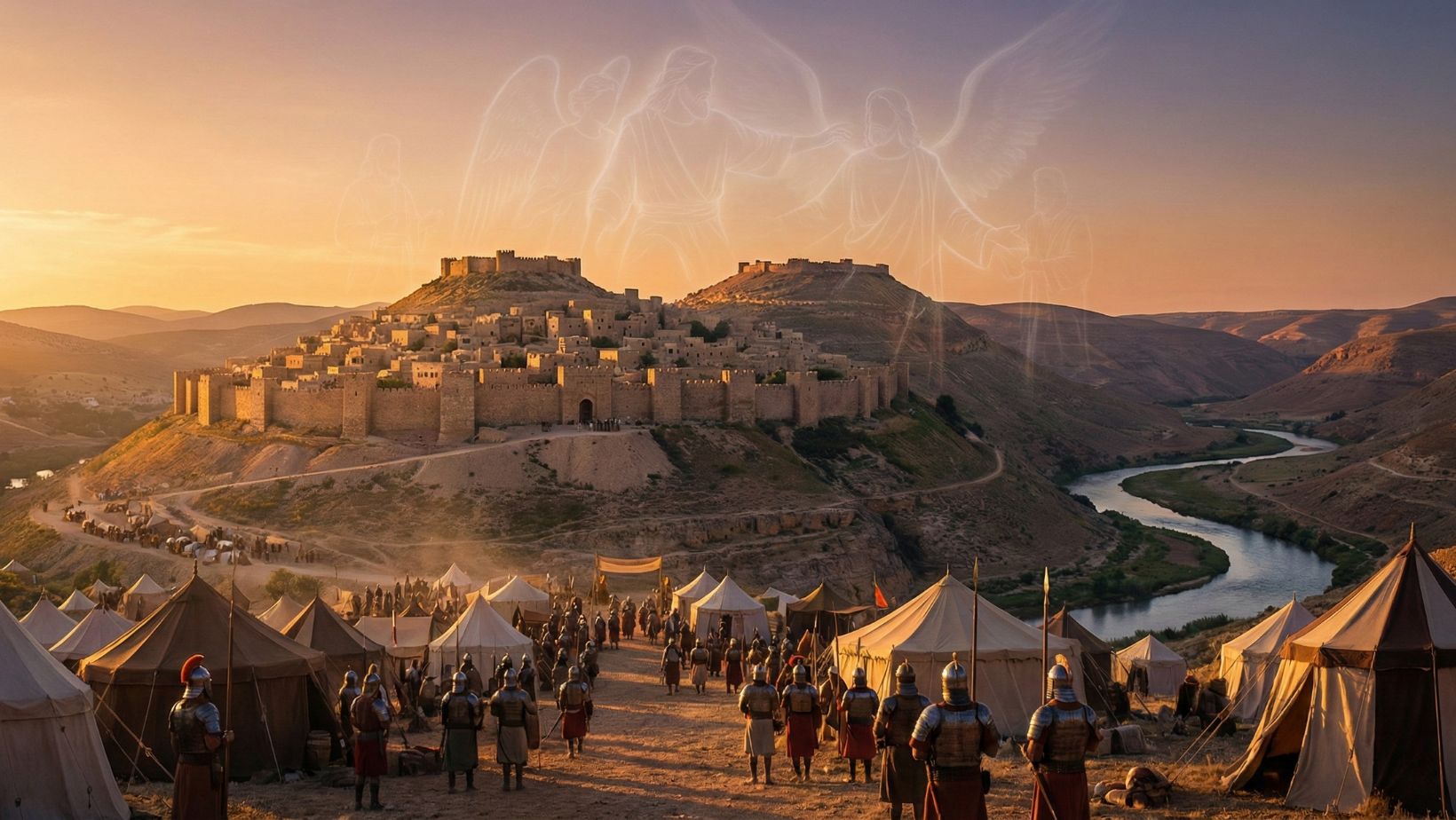
Mahanaim, meaning “Two Camps,” was the historic fortress city east of the Jordan where Jacob met angels and where kings Ishbosheth and David found refuge during Israel’s greatest civil wars.
-
Jabesh-gilead
Jabesh-gilead was a city defined by a legacy of survival and fierce loyalty, best known for the valiant night raid to retrieve the bodies of King Saul and his sons from Philistine desecration.
