

Bible Locations
Locations mark the sacred places where God’s promises, encounters, and miracles unfolded, grounding biblical stories in real historical settings.
-

Gibeah
Gibeah was the strategic capital of King Saul and the site of Israel’s first monarchy, but it is forever stained by the memory of a brutal atrocity during the time of the Judges that led to civil war.
-
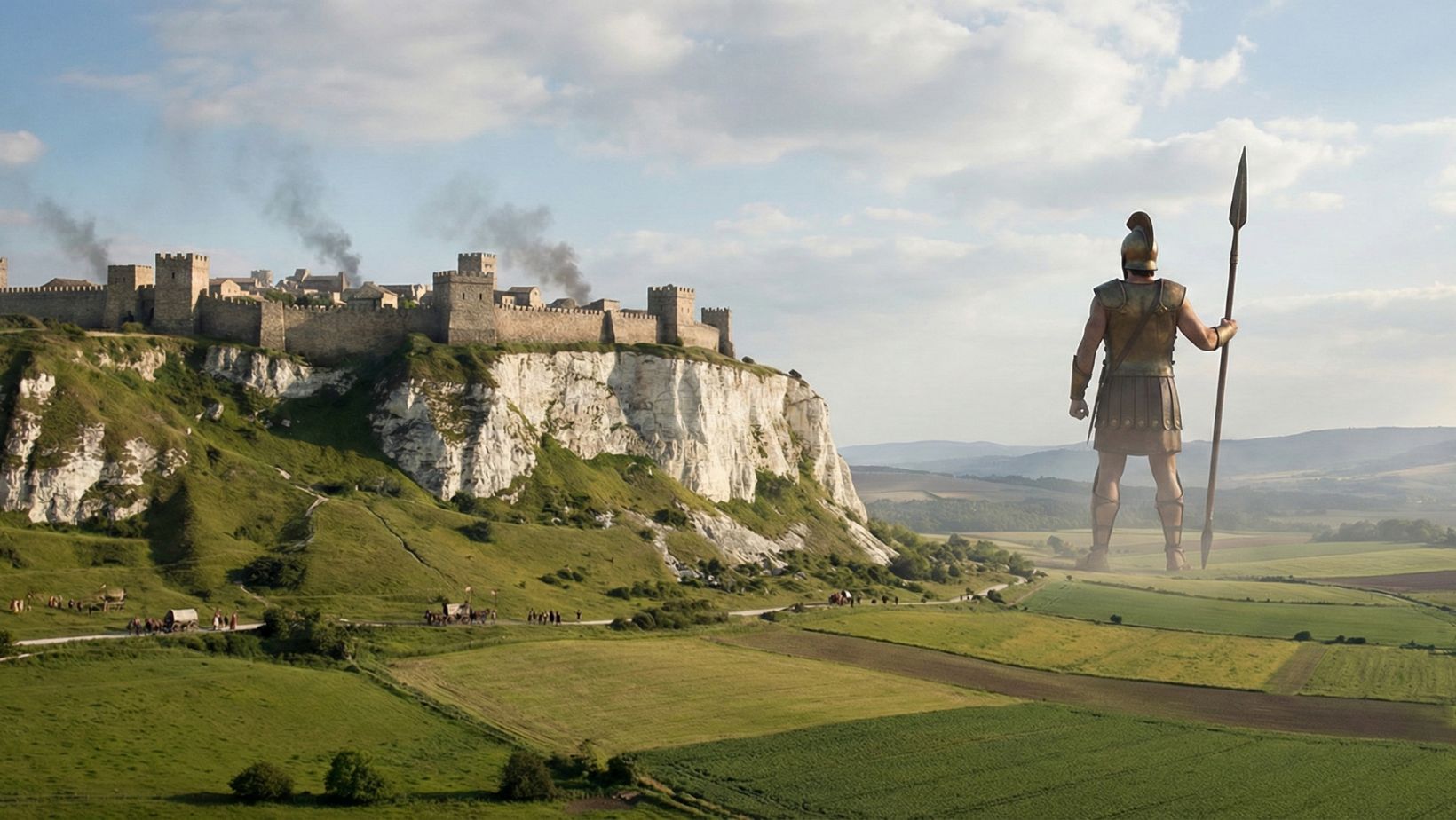
Gath
Gath was the home of the giant Goliath and a fierce enemy of Israel, yet it played a crucial role in David’s life as both a place of exile and the birthplace of some of his most loyal supporters.
-
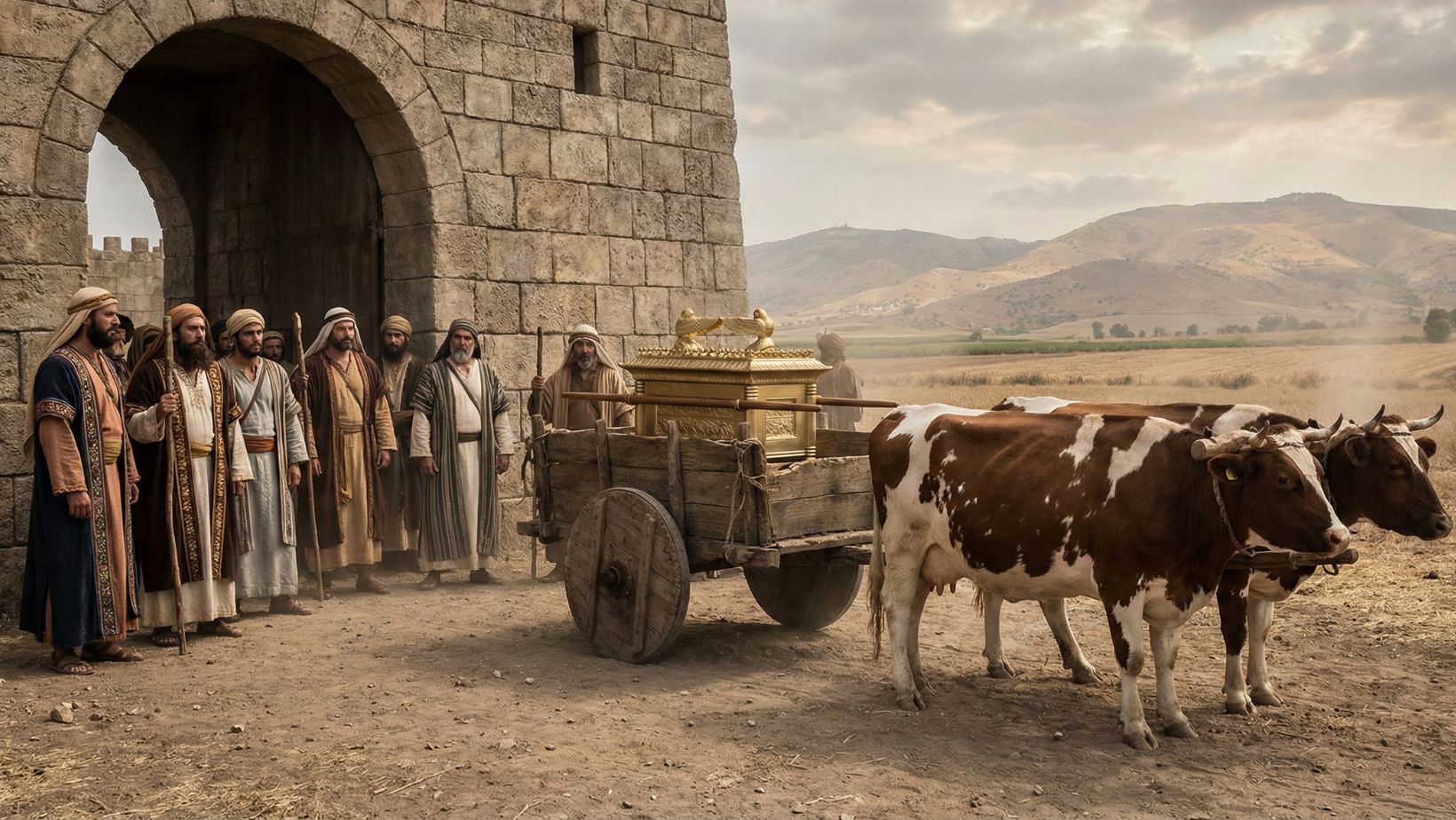
Ekron
Ekron was the northernmost Philistine city, famous for its olive oil industry and the worship of Baal-Zebub, which led to a fatal confrontation between the prophet Elijah and King Ahaziah.
-
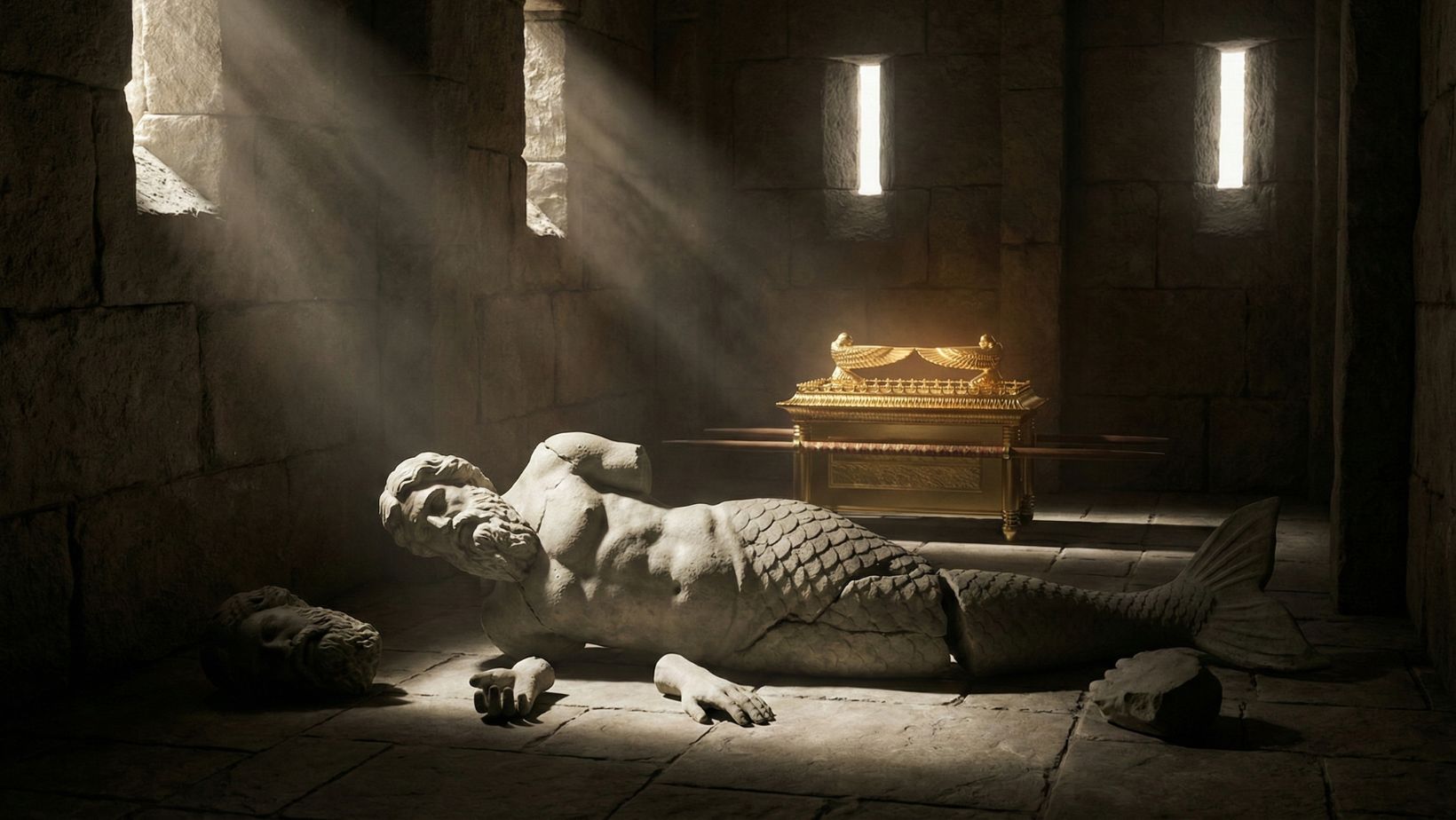
Ashdod
Ashdod was a powerful Philistine capital famous for the temple where the idol Dagon fell before the Ark of the Covenant, later becoming a site for early Christian evangelism under the name Azotus.
-
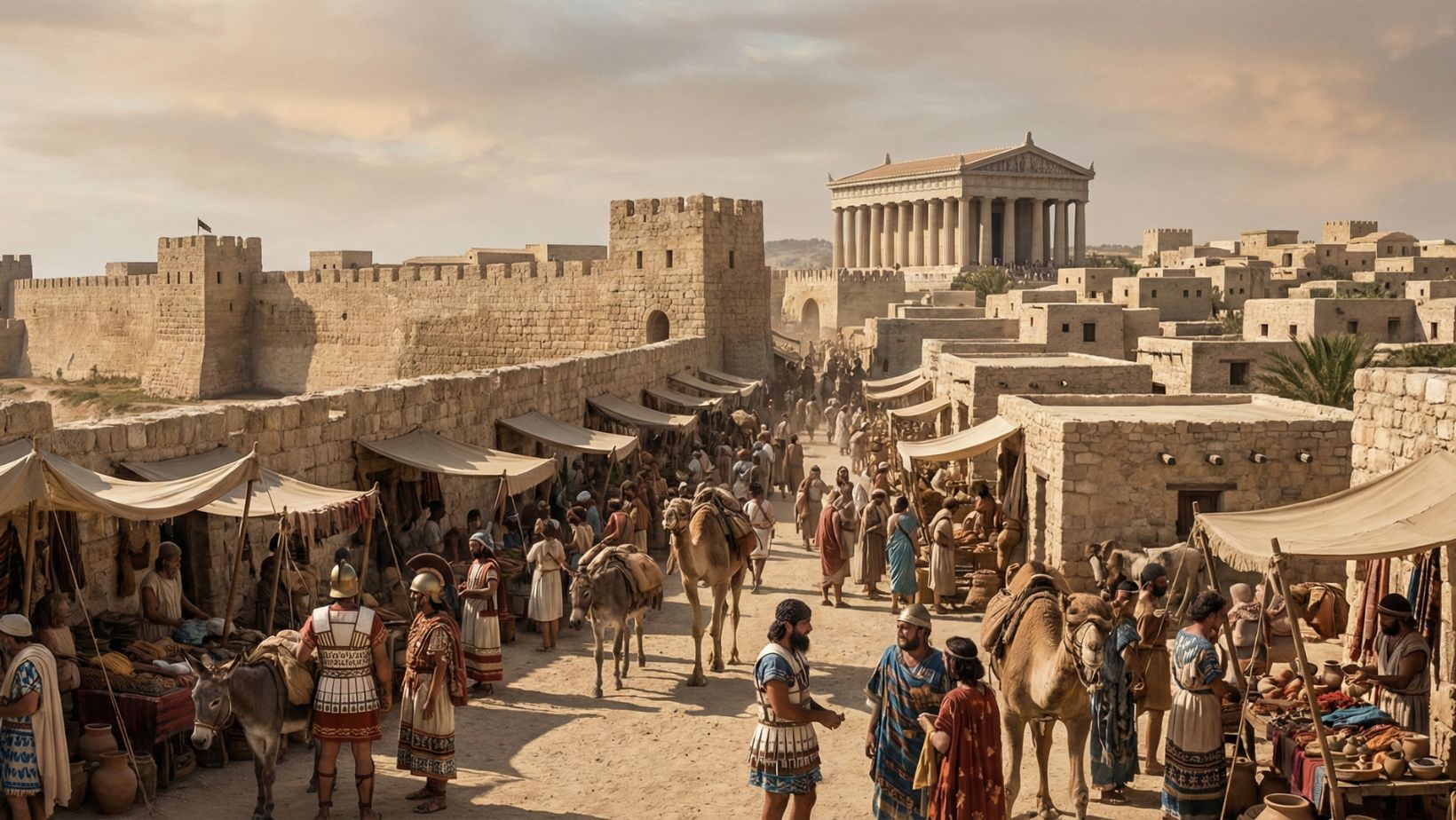
Ashkelon
Ashkelon was a wealthy Philistine coastal city and trade hub that served as a recurring antagonist to Israel, famously the site of Samson’s vengeance and the subject of David’s grief and prophetic judgment.
-
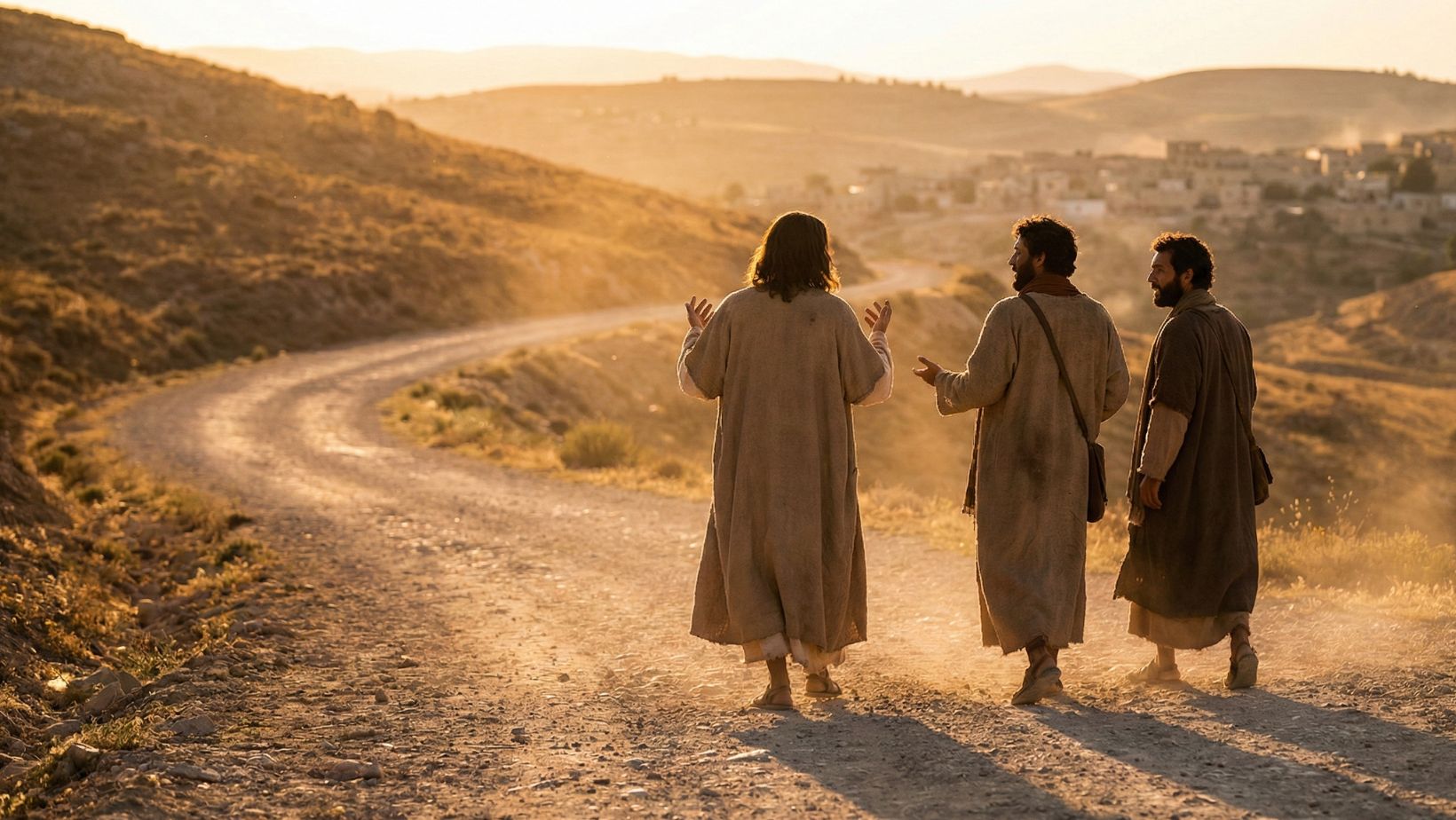
Emmaus
The disciples on the road to Emmaus were grief-stricken followers of Jesus whose sorrow was turned to burning joy when the Risen Lord opened the Scriptures to them and revealed Himself in the breaking of bread.
-
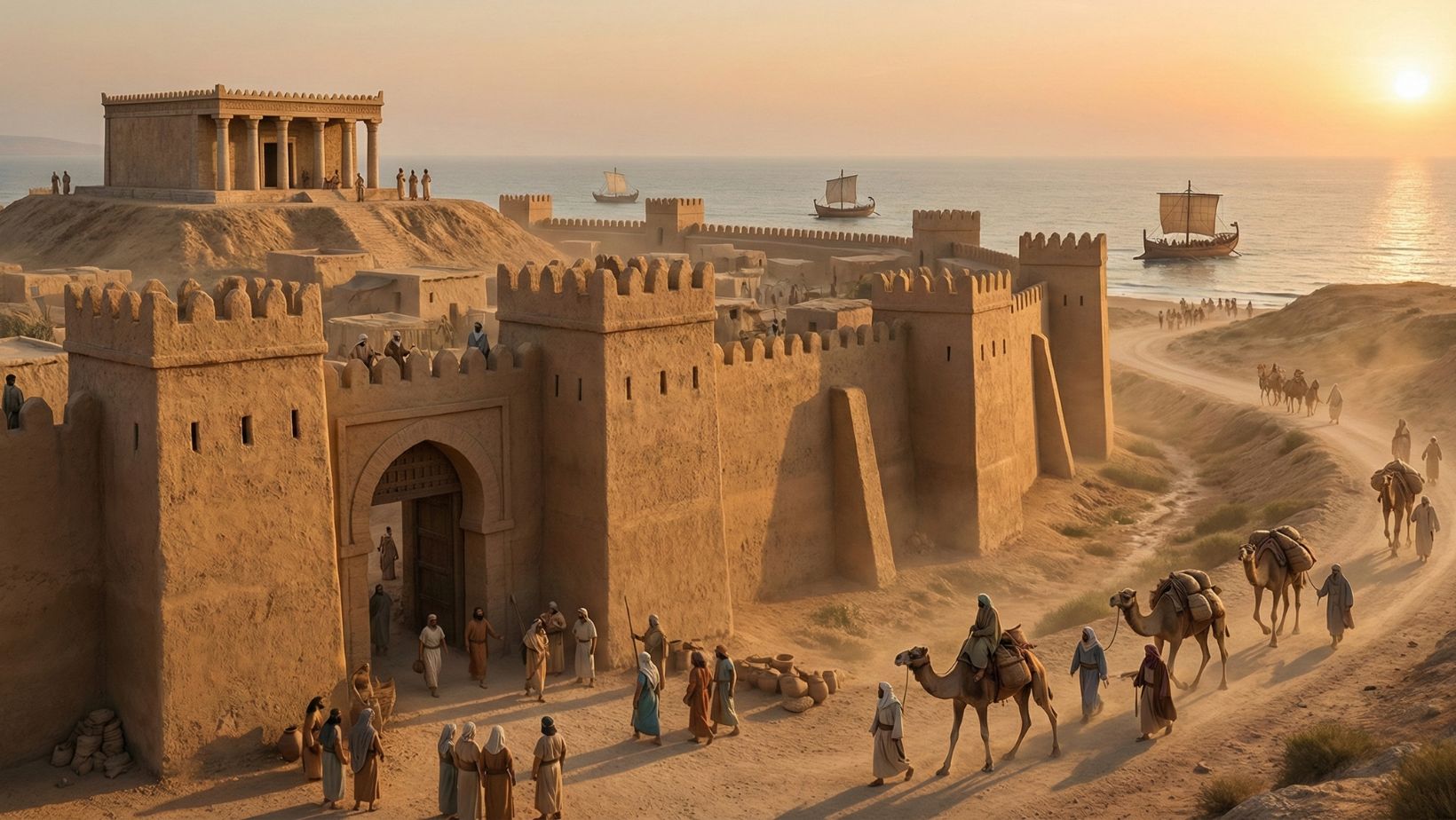
Gaza
Gaza was a powerful, fortified Philistine city known as the site of Samson’s death and a lingering stronghold of Israel’s enemies, later serving as the setting for a pivotal New Testament baptism.
-
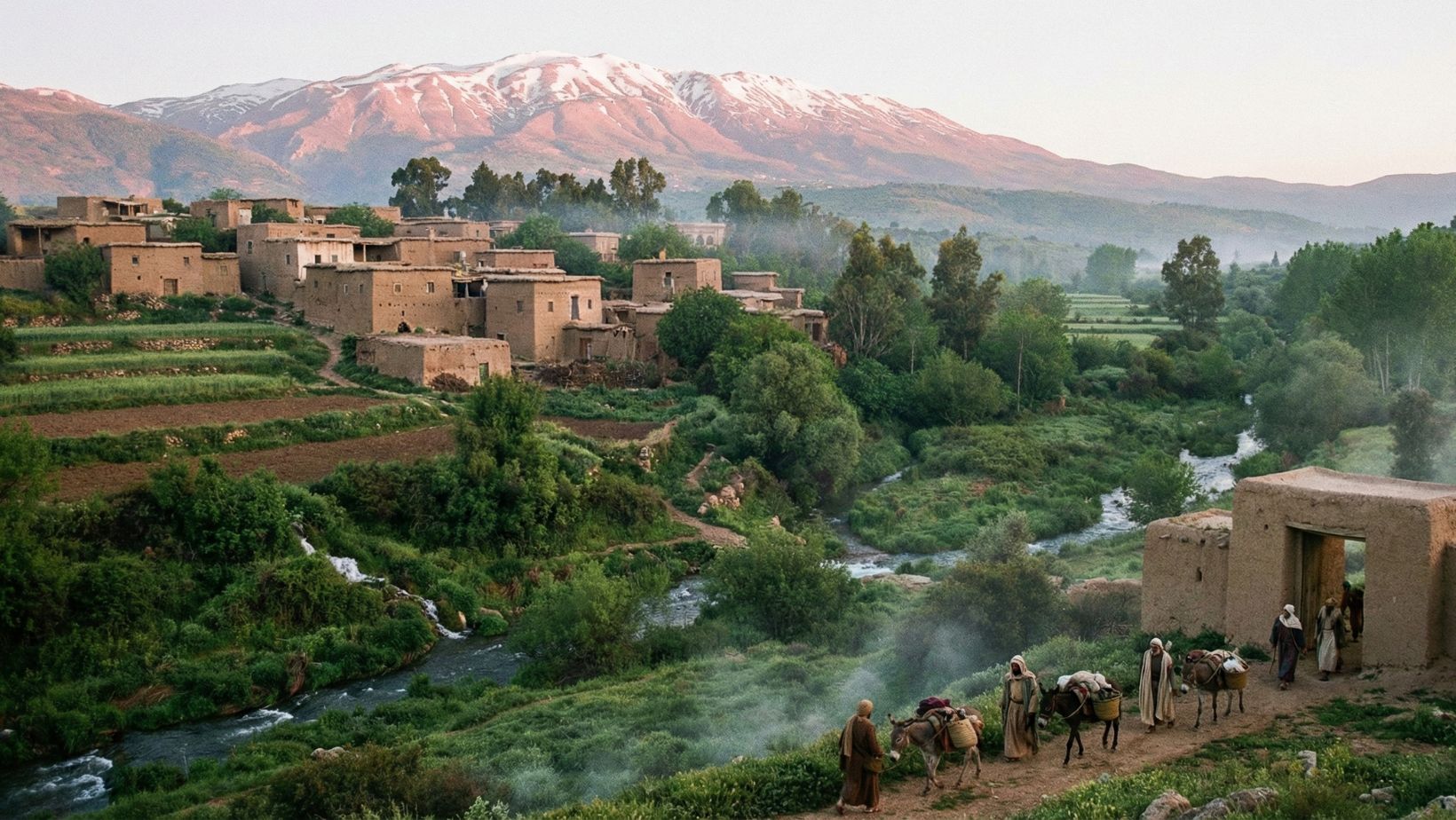
Gibeon
The Bible tells a tale of two cities—Babylon and Jerusalem—tracing humanity’s journey from a garden, through the rebellion of man-made cities, to the ultimate redemption of the New Jerusalem.
-
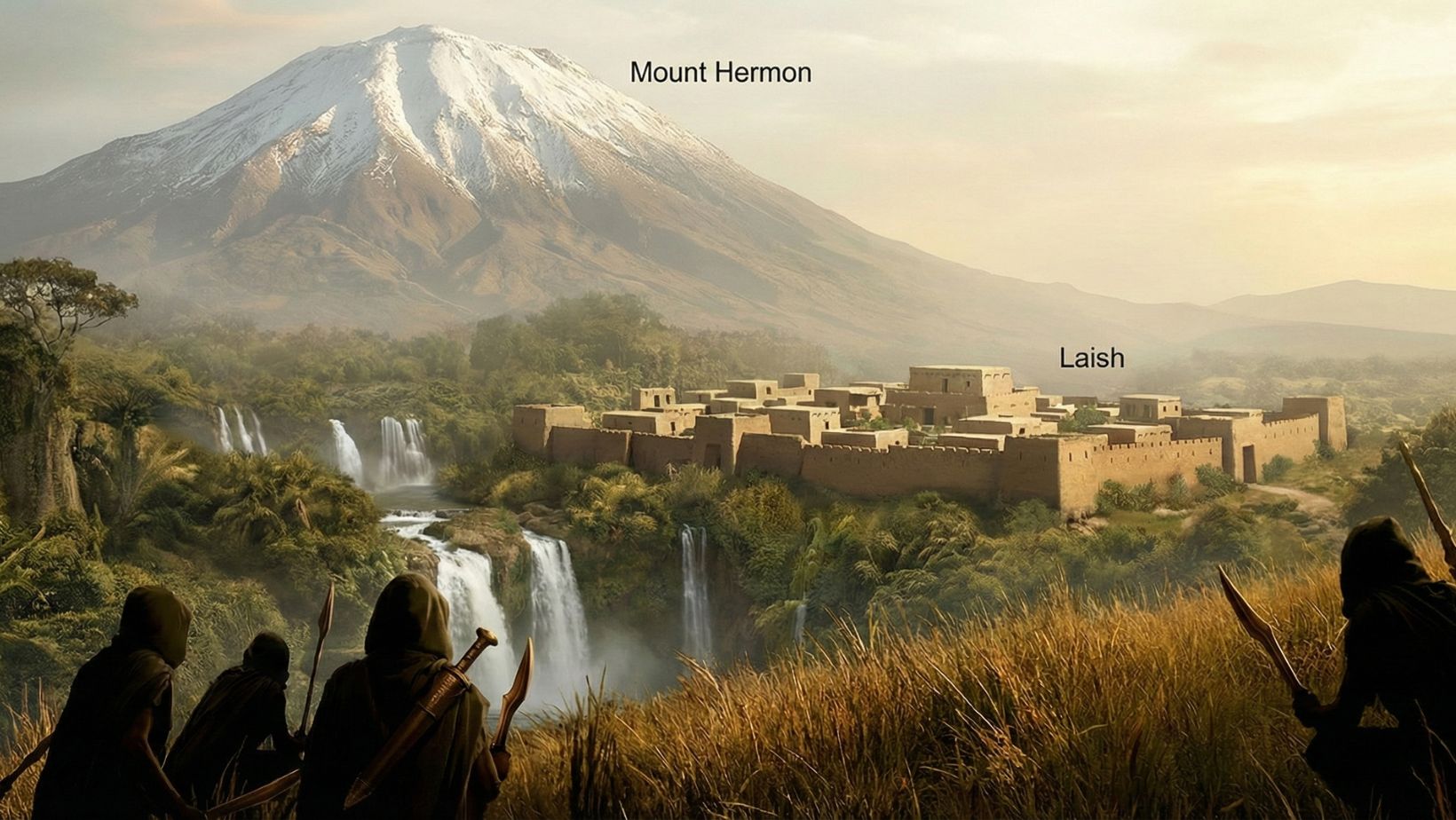
Laish (Leshem)
Laish was a lush, peaceful, and isolated Canaanite city that was massacred and burned by the migrating Tribe of Dan, who rebuilt it as a center for their tribe and their idols.
-
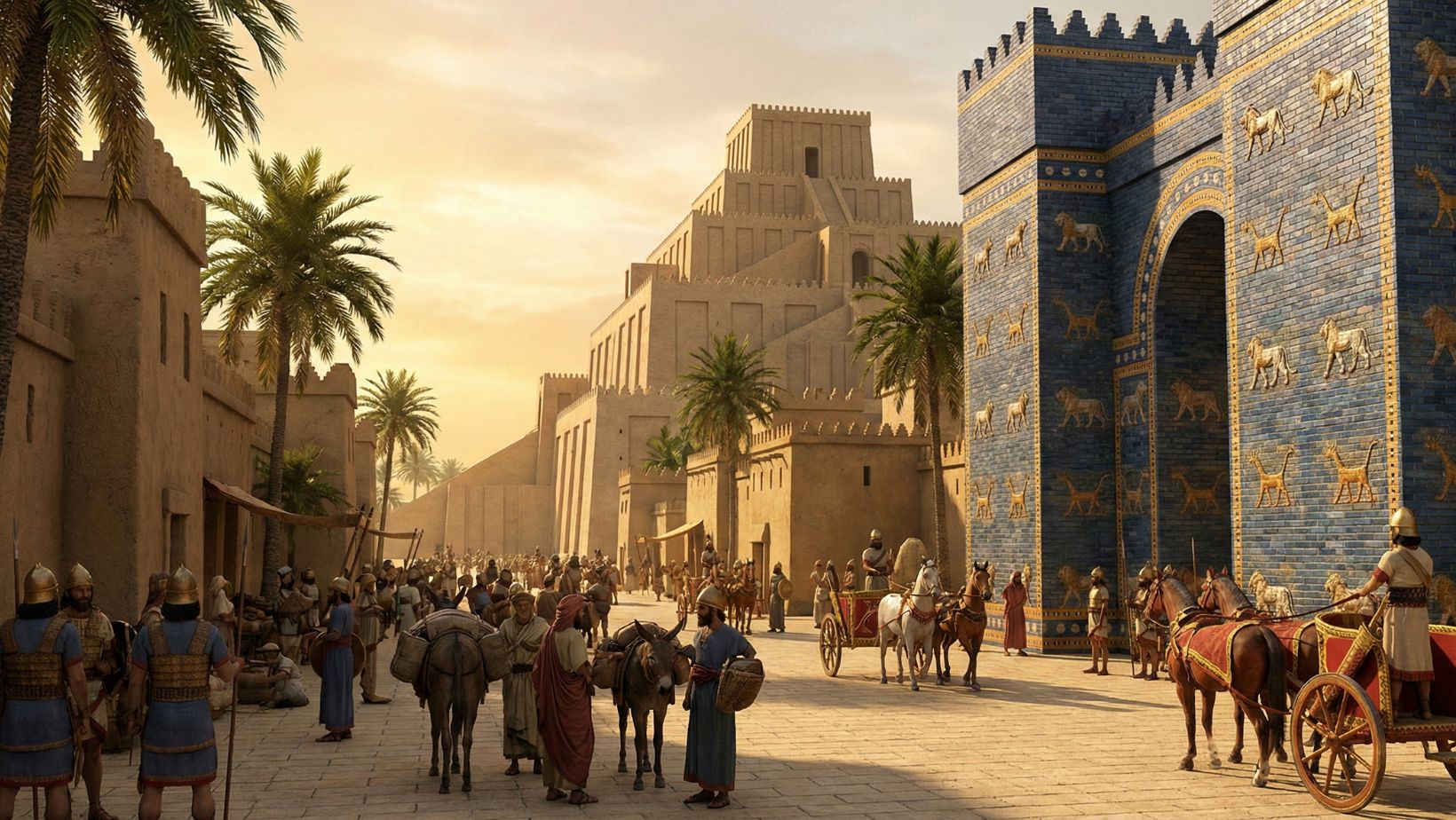
Babylon
Babylon was the superpower empire that destroyed Jerusalem and exiled the Jews, serving throughout Scripture as the ultimate symbol of human pride and rebellion against God.
Bible Characters

-
Jonathan
Jonathan was the valiant crown prince of Israel who chose loyalty to God’s anointed over his own ambition, becoming the Bible’s ultimate example of sacrificial friendship.
-
Michal
Michal was the daughter of King Saul who saved David’s life out of love but ultimately ended her life in barren isolation because she valued royal dignity over humble worship.
-
Abner
Abner was the powerful commander of Saul’s army who, after a long rivalry with David, sought to unite all Israel under David’s crown before being tragically assassinated by Joab.
Biblical Events

-
Jonathan
Jonathan was the valiant crown prince of Israel who chose loyalty to God’s anointed over his own ambition, becoming the Bible’s ultimate example of sacrificial friendship.
-
Michal
Michal was the daughter of King Saul who saved David’s life out of love but ultimately ended her life in barren isolation because she valued royal dignity over humble worship.
-
Abner
Abner was the powerful commander of Saul’s army who, after a long rivalry with David, sought to unite all Israel under David’s crown before being tragically assassinated by Joab.
Bible Locations

-
The City of David
The City of David is the ancient, fortified ridge where King David established his capital, serving as the historical seed from which Jerusalem grew and the spiritual center of the Israelite kingdom.
-
Mahanaim
Mahanaim, meaning “Two Camps,” was the historic fortress city east of the Jordan where Jacob met angels and where kings Ishbosheth and David found refuge during Israel’s greatest civil wars.
-
Jabesh-gilead
Jabesh-gilead was a city defined by a legacy of survival and fierce loyalty, best known for the valiant night raid to retrieve the bodies of King Saul and his sons from Philistine desecration.
