
Bible Locations
Locations mark the sacred places where God’s promises, encounters, and miracles unfolded, grounding biblical stories in real historical settings.
-
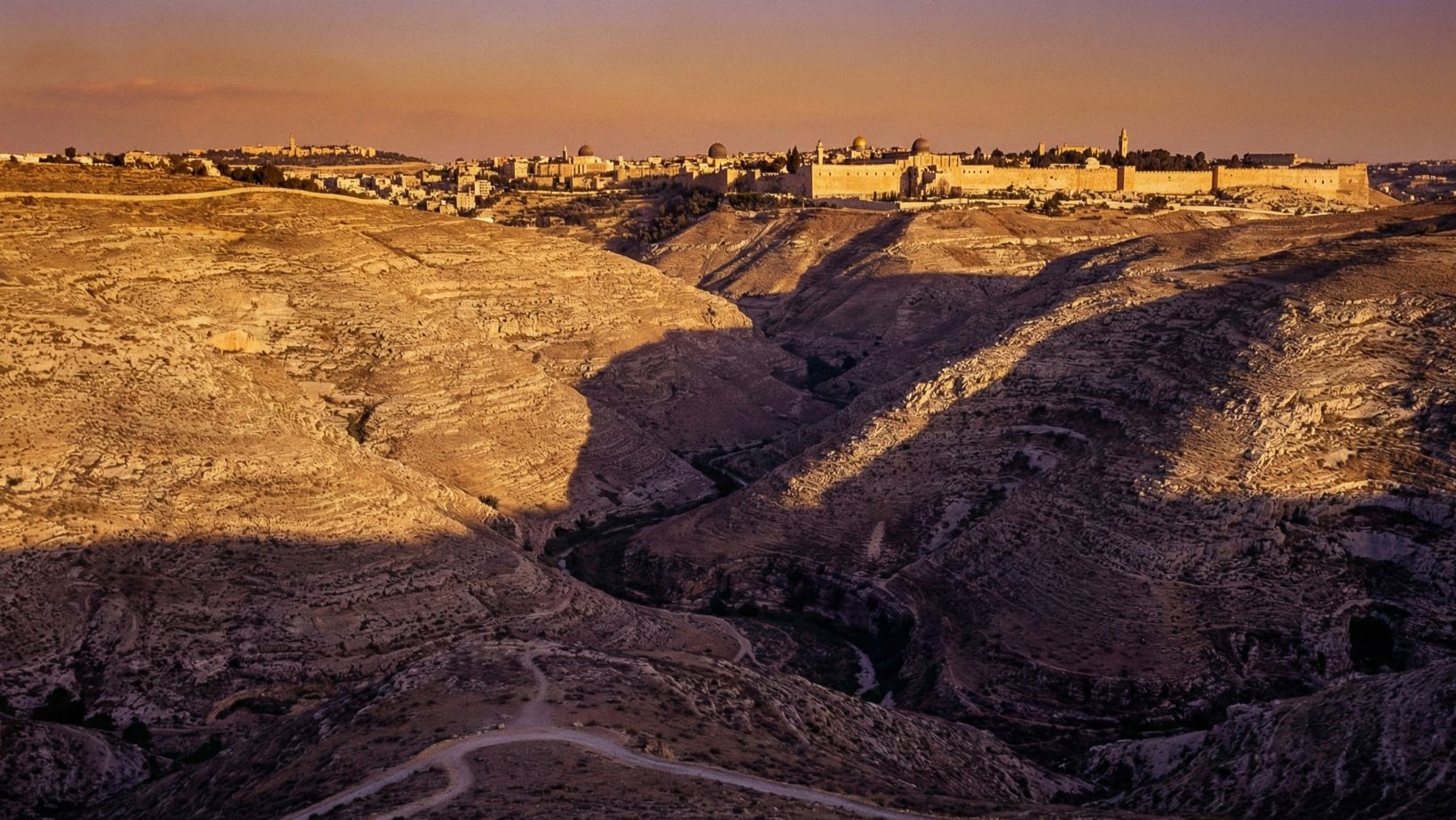
Judea
Judea is the rugged, mountainous southern region of Israel that served as the political and religious center of the Jewish people, the home of the Temple, and the stage for the birth and death of Jesus Christ.
-
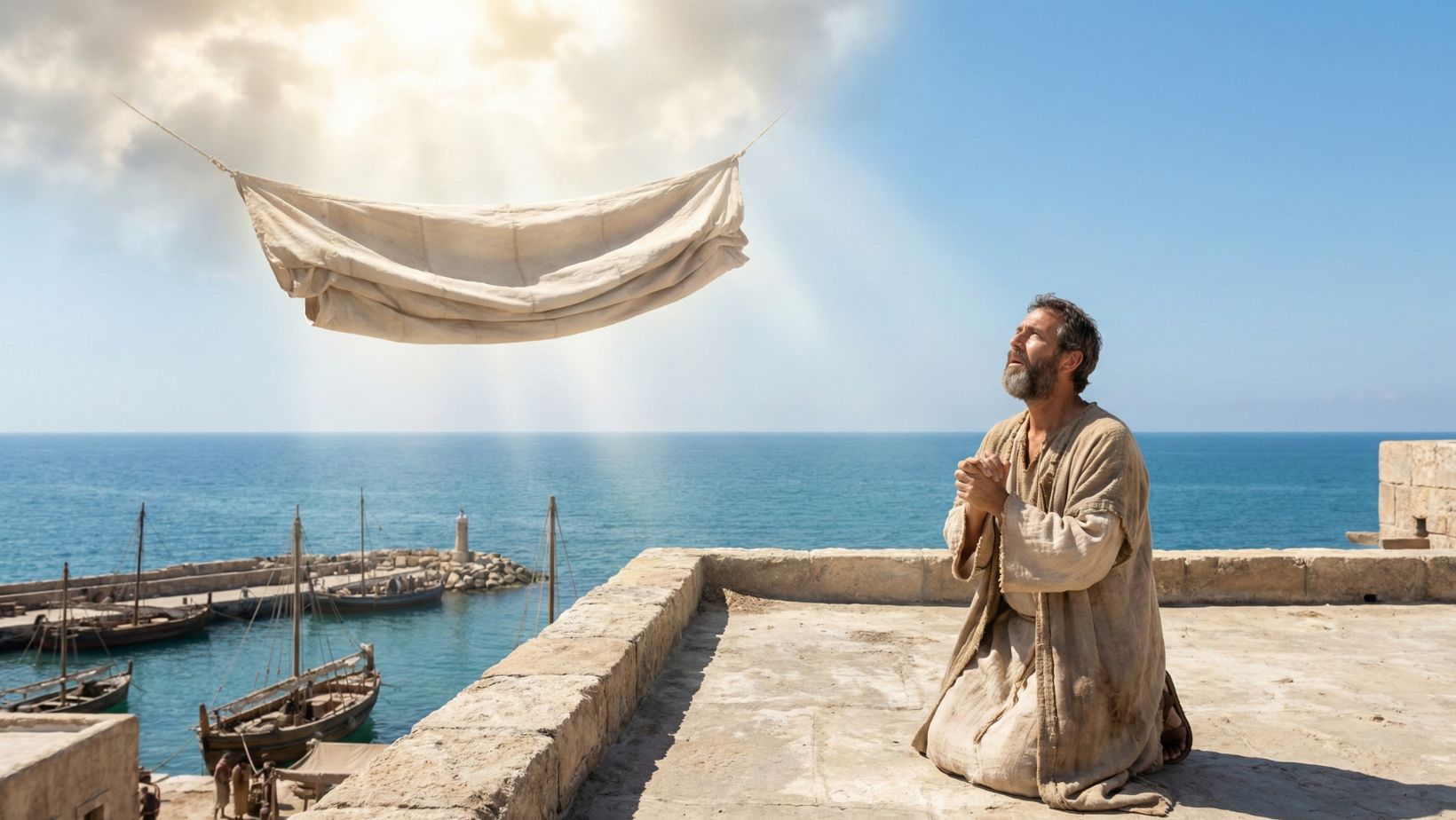
Joppa (Jaffa)
Joppa was ancient Israel’s primary seaport, famous as the place where Jonah tried to flee from his mission to the Gentiles and where Peter received the vision to embrace them.
-
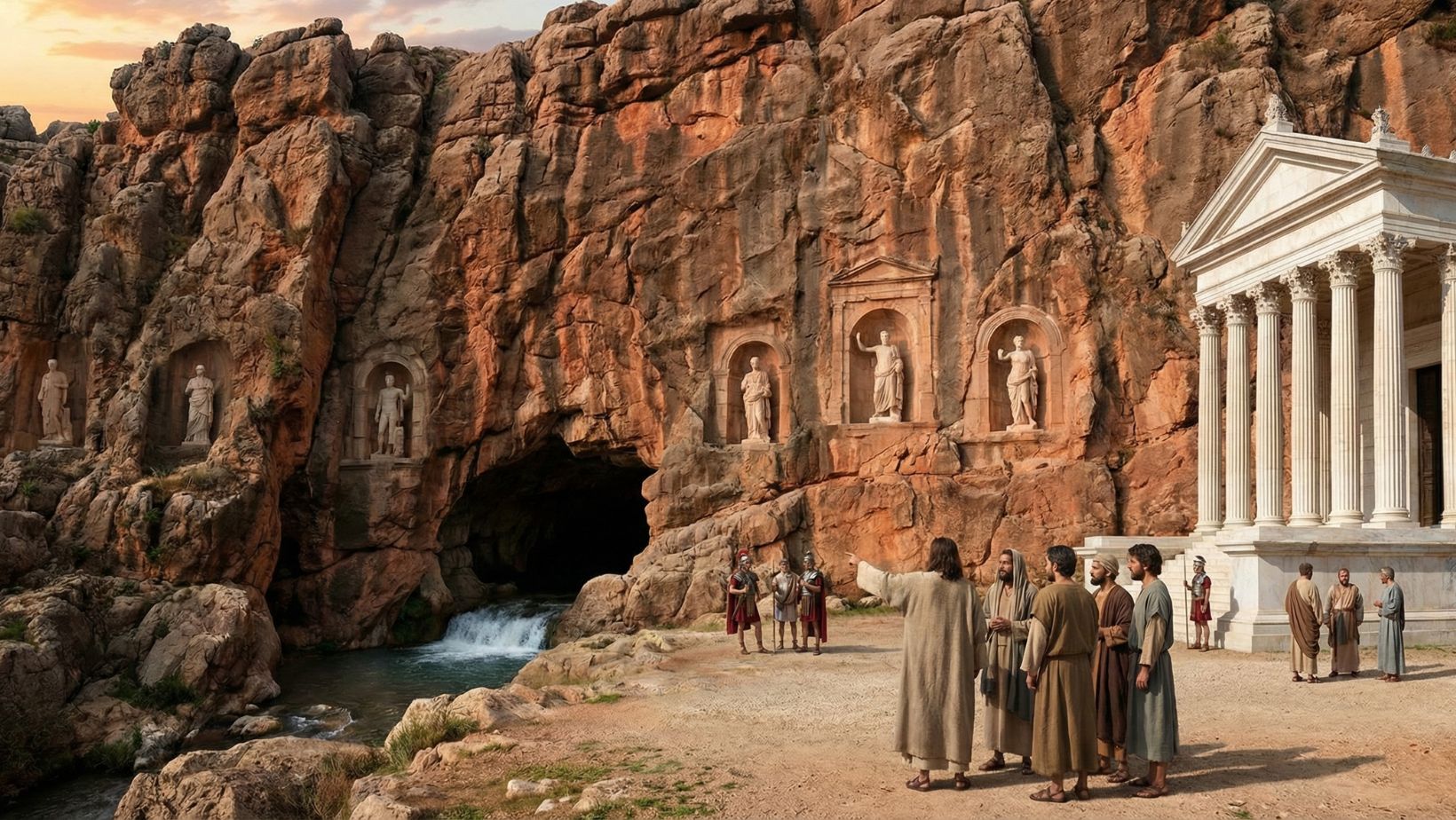
Caesarea Philippi
Caesarea Philippi was a center of pagan worship where Jesus took His disciples to declare war on the powers of darkness, establishing His Church on the bedrock of the confession that He is the Son of God.
-
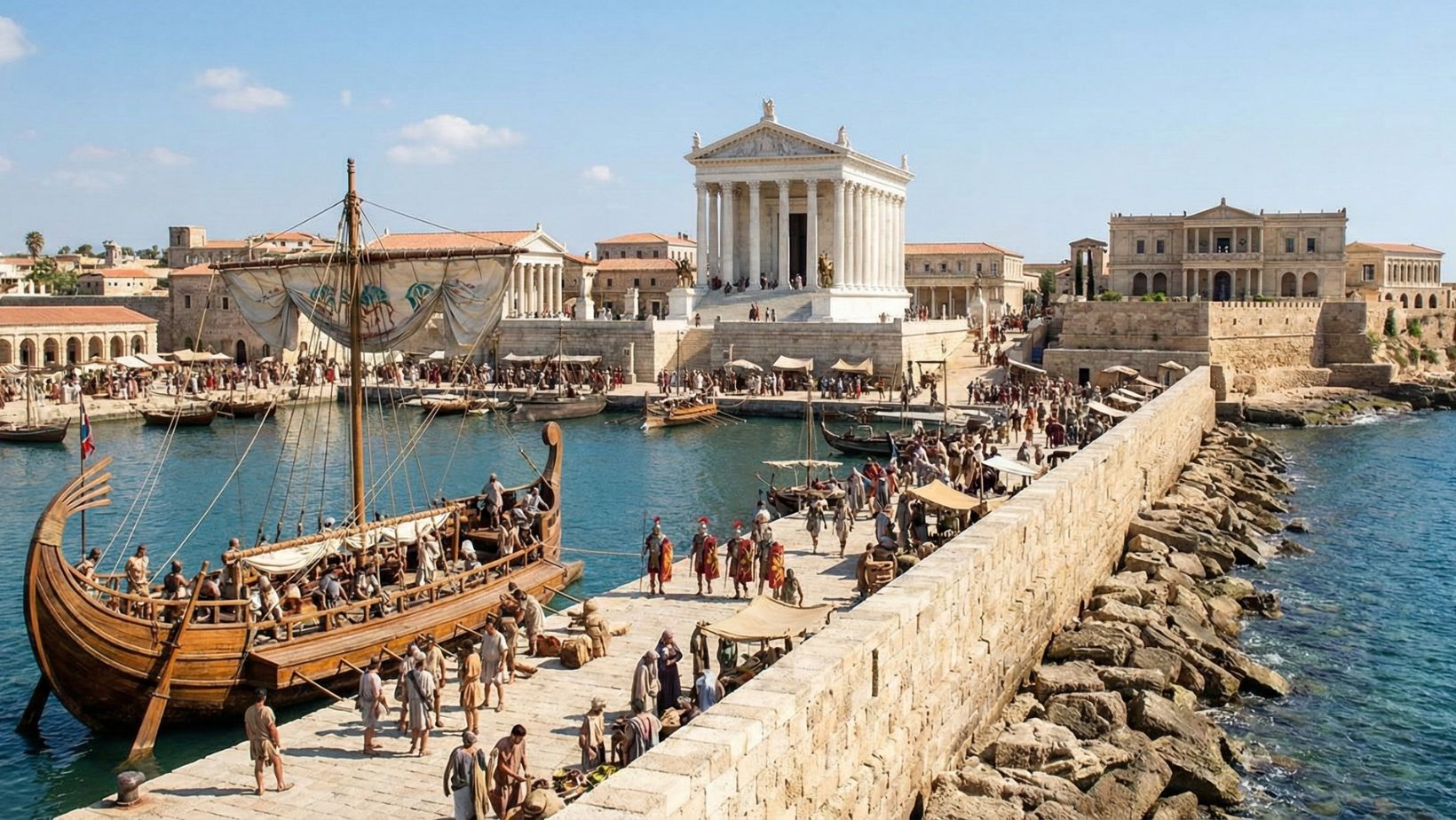
Caesarea Maritima
Caesarea Maritima was the glittering Roman capital of Judea where the barrier between Jew and Gentile was broken by the Holy Spirit, and where Paul defended the faith before the powers of the empire.
-
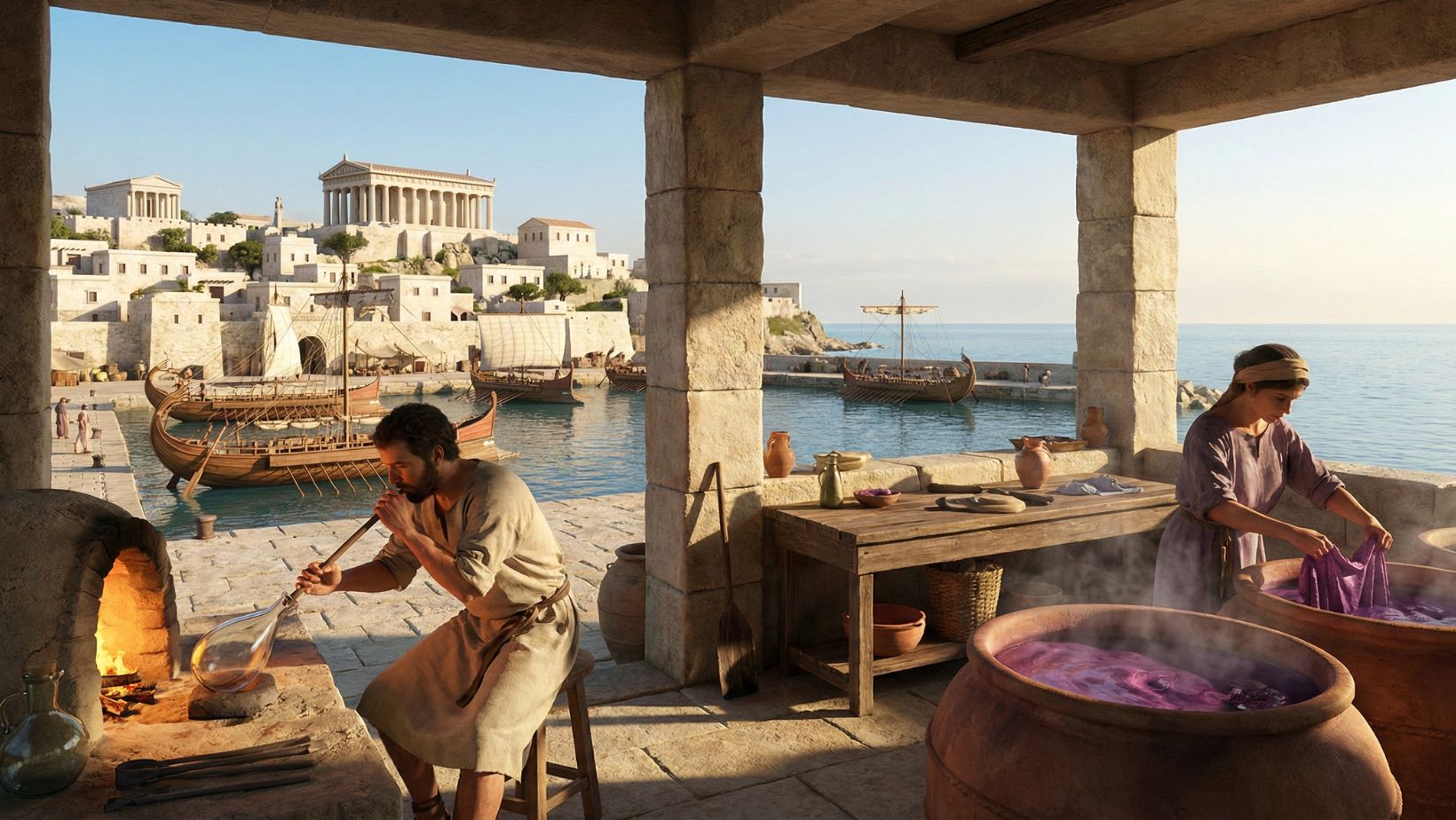
Sidon
Sidon was the ancient mother-city of Phoenicia, renowned for its craftsmanship and wealth, but biblically infamous as the source of the idolatry that corrupted Israel’s kings.
-
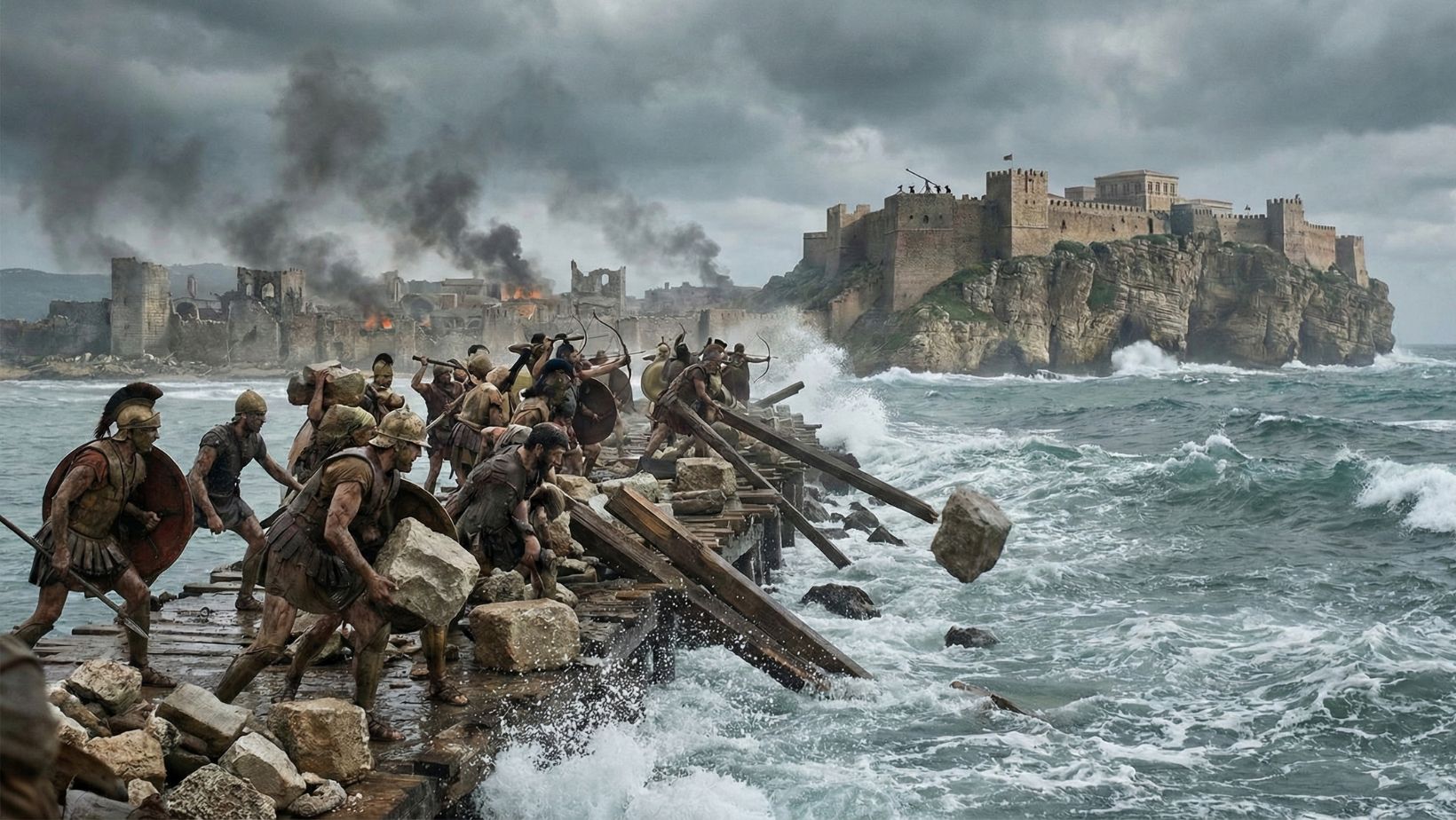
Tyre
Tyre was the opulent merchant capital of the ancient world that aided in building God’s Temple but was later destroyed for its arrogance, serving as a vivid example of how God judges pride and fulfills prophecy with precision.
-
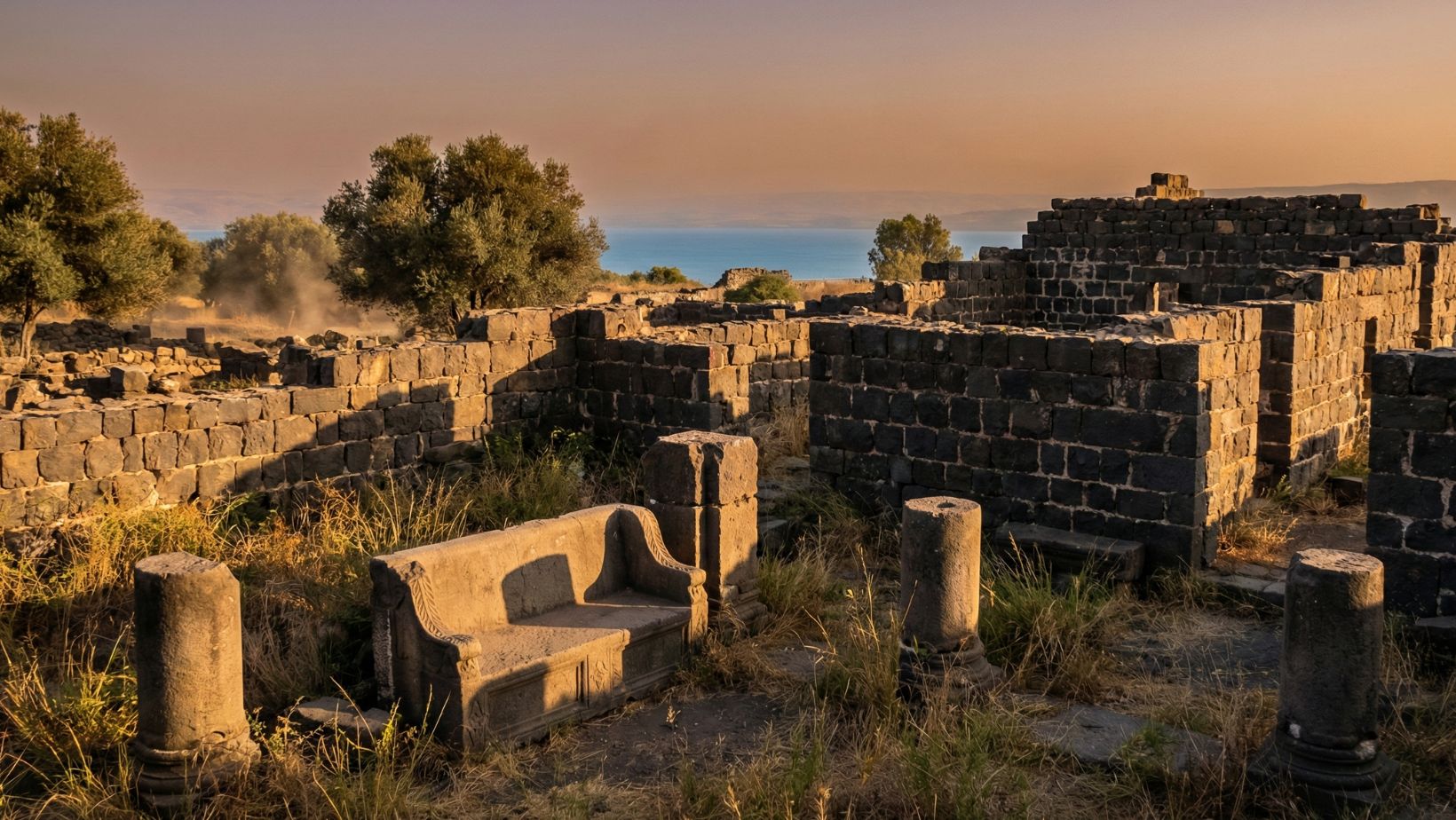
Chorazin
Chorazin was a prosperous Galilean town that enjoyed the immense privilege of witnessing Jesus’ miracles but stands in history as a monument to divine judgment for its refusal to repent.
-
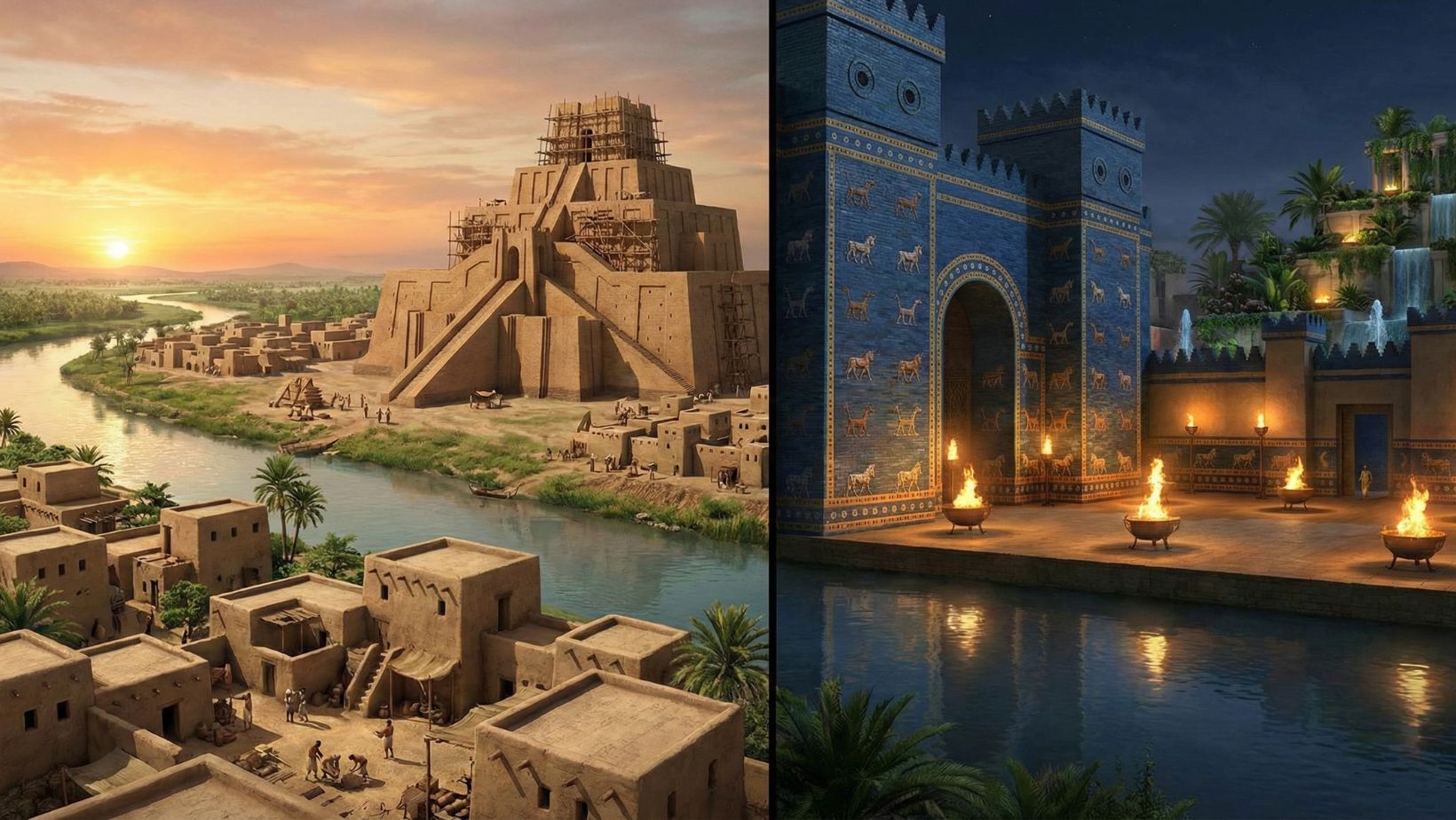
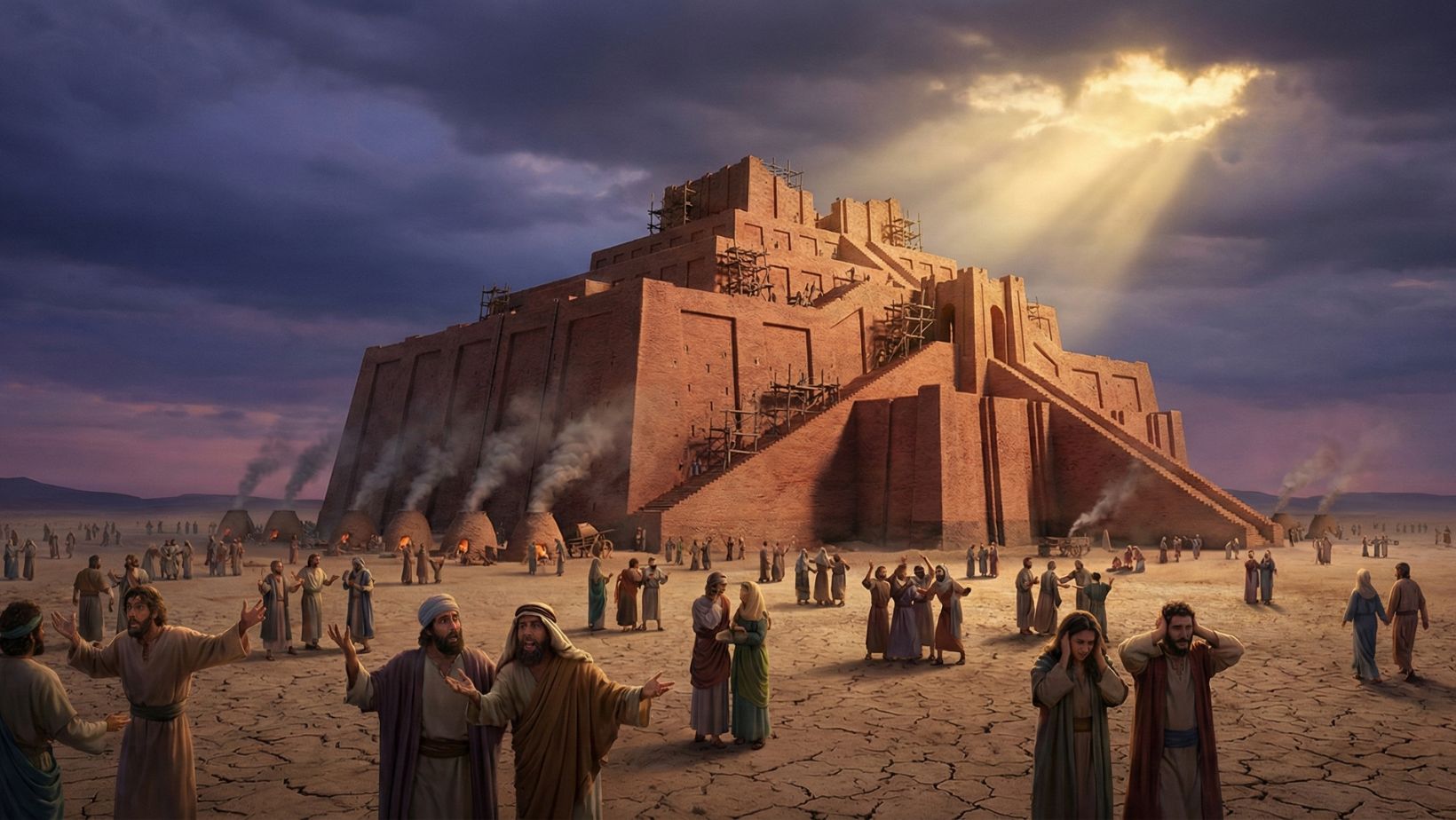
Mesopotamia
Mesopotamia is the geographical bookend of Old Testament history—the site of humanity’s creation and rebellion, the birthplace of the Hebrew patriarchs, and the land of captivity and refinement for God’s people.
-
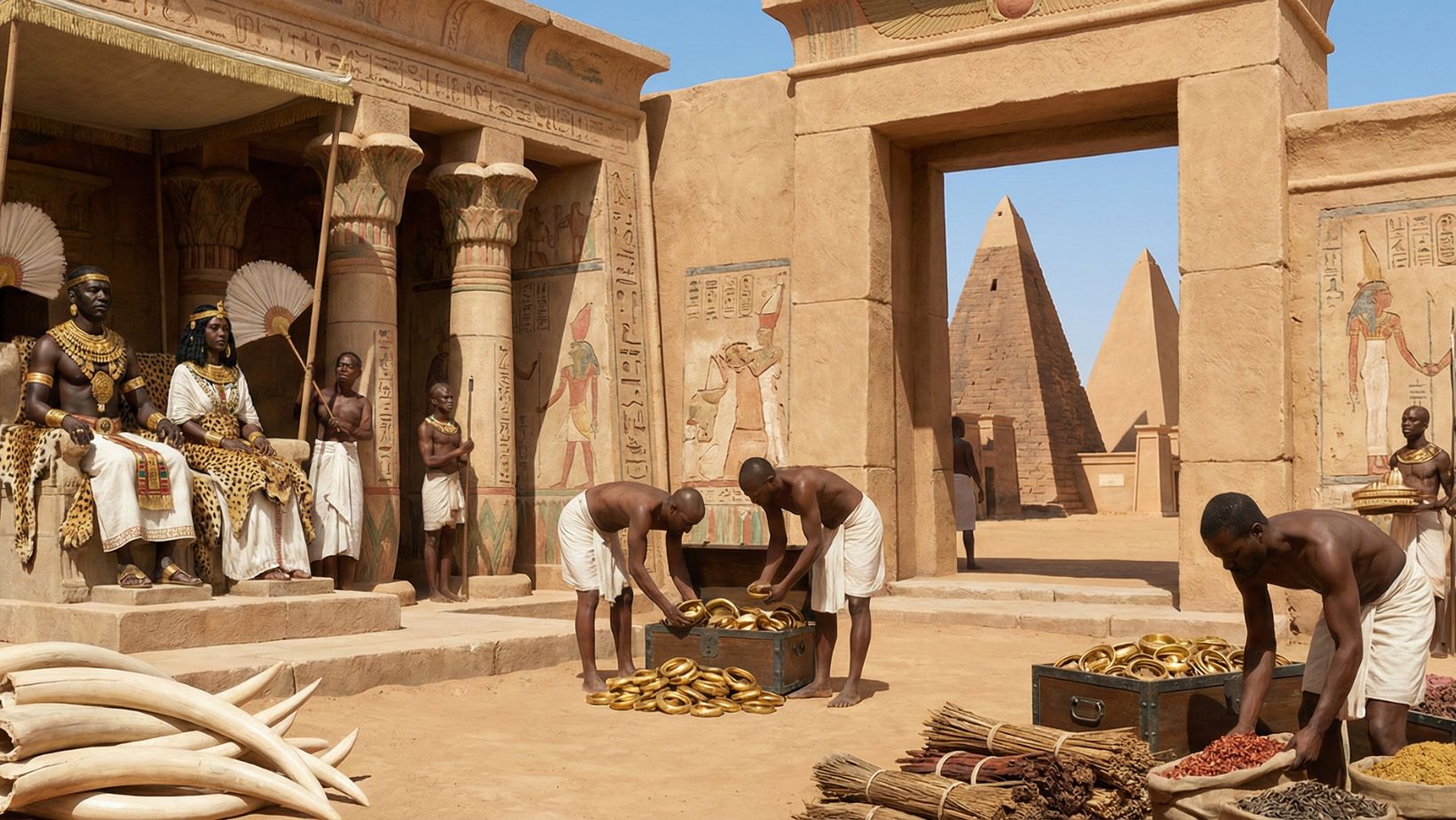
Cush (Ethiopia)
Cush was a formidable ancient African superpower whose people moved from being historical rivals of Israel to becoming some of the earliest and most faithful recipients of God’s grace.
-

Egypt
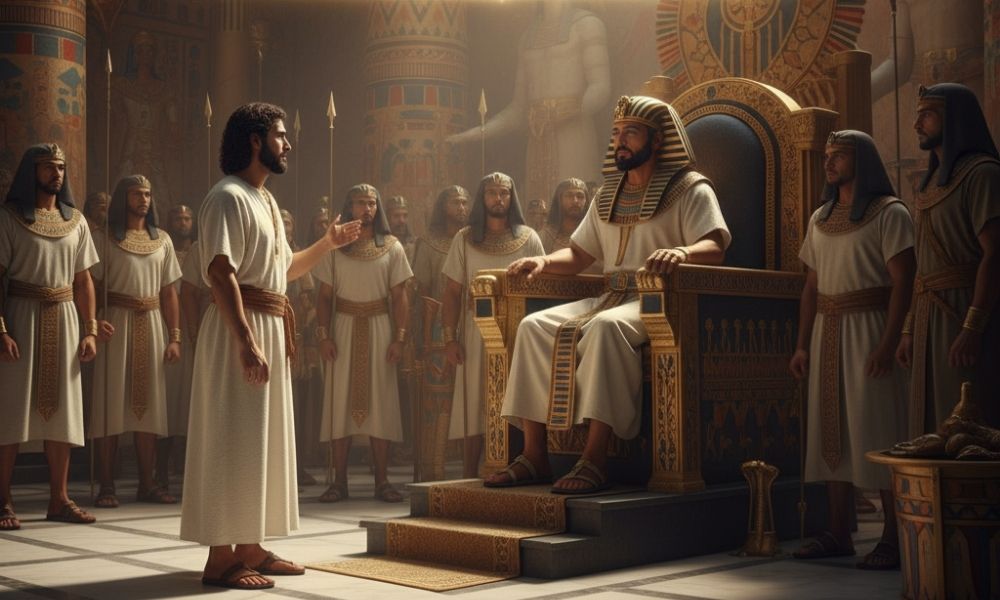
Egypt is the biblical archetype of worldly power and bondage, serving simultaneously as a refuge for the desperate and the furnace of affliction from which God delivered His people.
Bible Characters

-
Jonathan
Jonathan was the valiant crown prince of Israel who chose loyalty to God’s anointed over his own ambition, becoming the Bible’s ultimate example of sacrificial friendship.
-
Michal
Michal was the daughter of King Saul who saved David’s life out of love but ultimately ended her life in barren isolation because she valued royal dignity over humble worship.
-
Abner
Abner was the powerful commander of Saul’s army who, after a long rivalry with David, sought to unite all Israel under David’s crown before being tragically assassinated by Joab.
Biblical Events

-
Jonathan
Jonathan was the valiant crown prince of Israel who chose loyalty to God’s anointed over his own ambition, becoming the Bible’s ultimate example of sacrificial friendship.
-
Michal
Michal was the daughter of King Saul who saved David’s life out of love but ultimately ended her life in barren isolation because she valued royal dignity over humble worship.
-
Abner
Abner was the powerful commander of Saul’s army who, after a long rivalry with David, sought to unite all Israel under David’s crown before being tragically assassinated by Joab.
Bible Locations

-
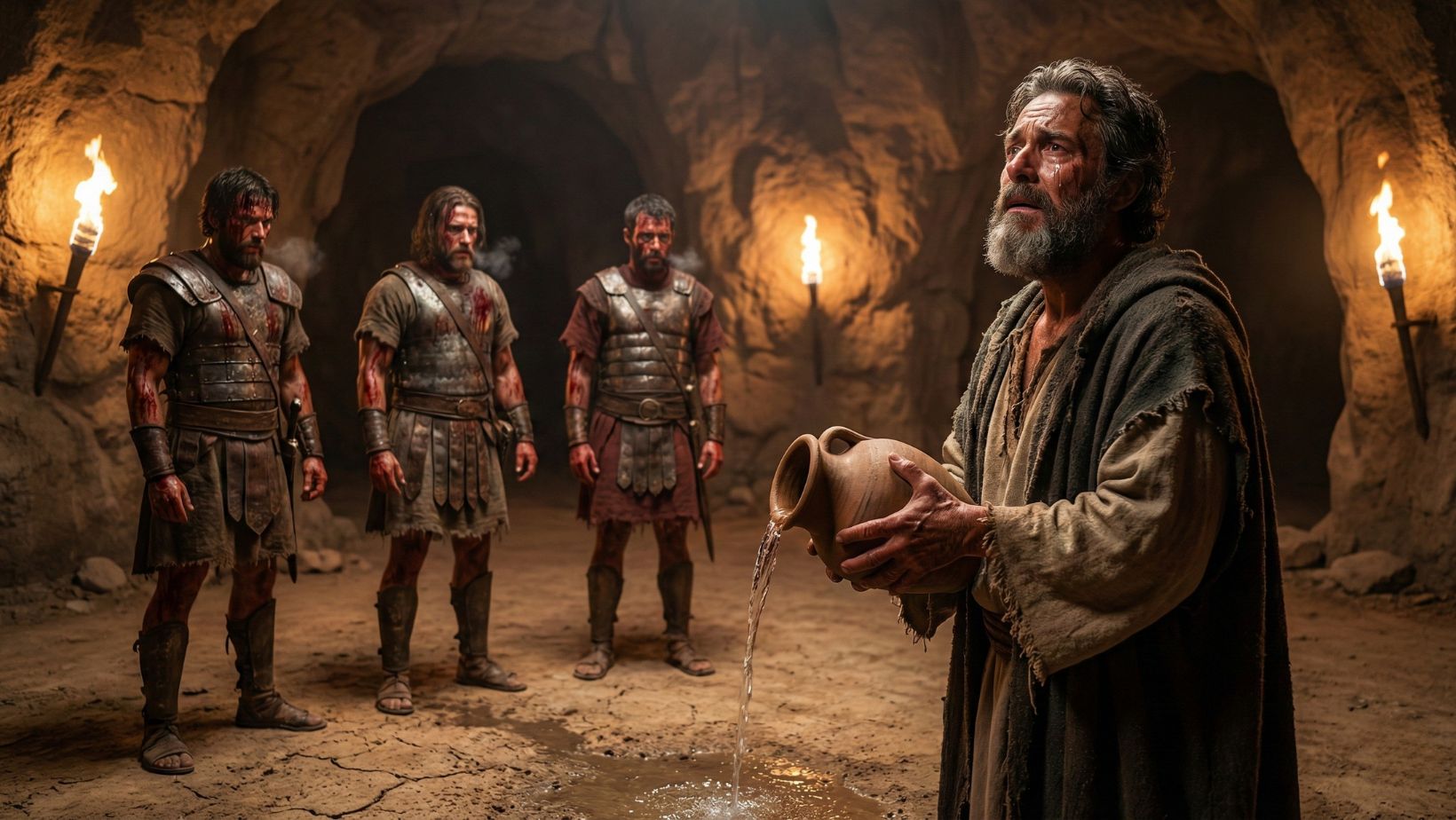
The City of David
The City of David is the ancient, fortified ridge where King David established his capital, serving as the historical seed from which Jerusalem grew and the spiritual center of the Israelite kingdom.
-
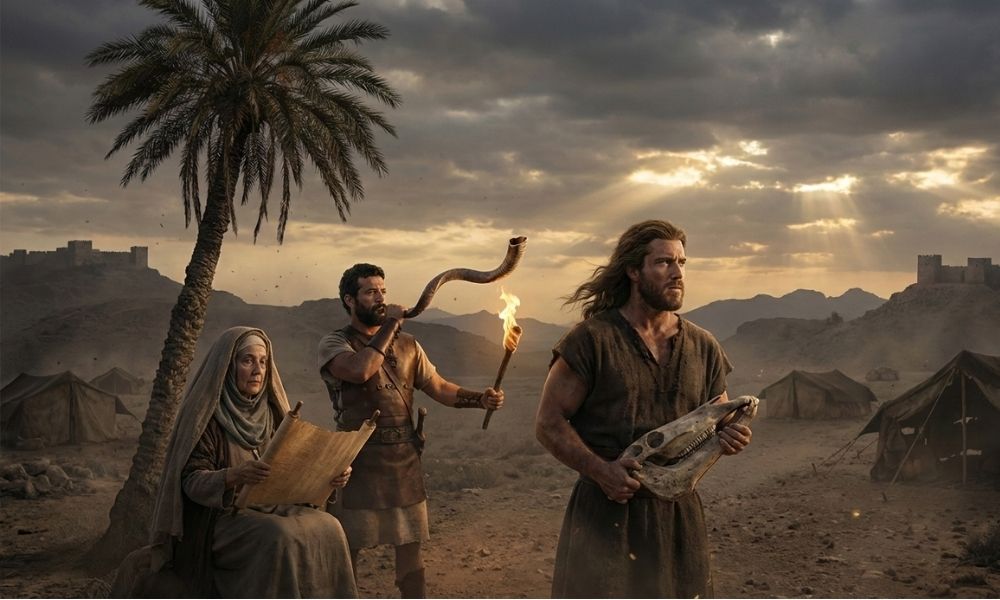
Mahanaim
Mahanaim, meaning “Two Camps,” was the historic fortress city east of the Jordan where Jacob met angels and where kings Ishbosheth and David found refuge during Israel’s greatest civil wars.
-
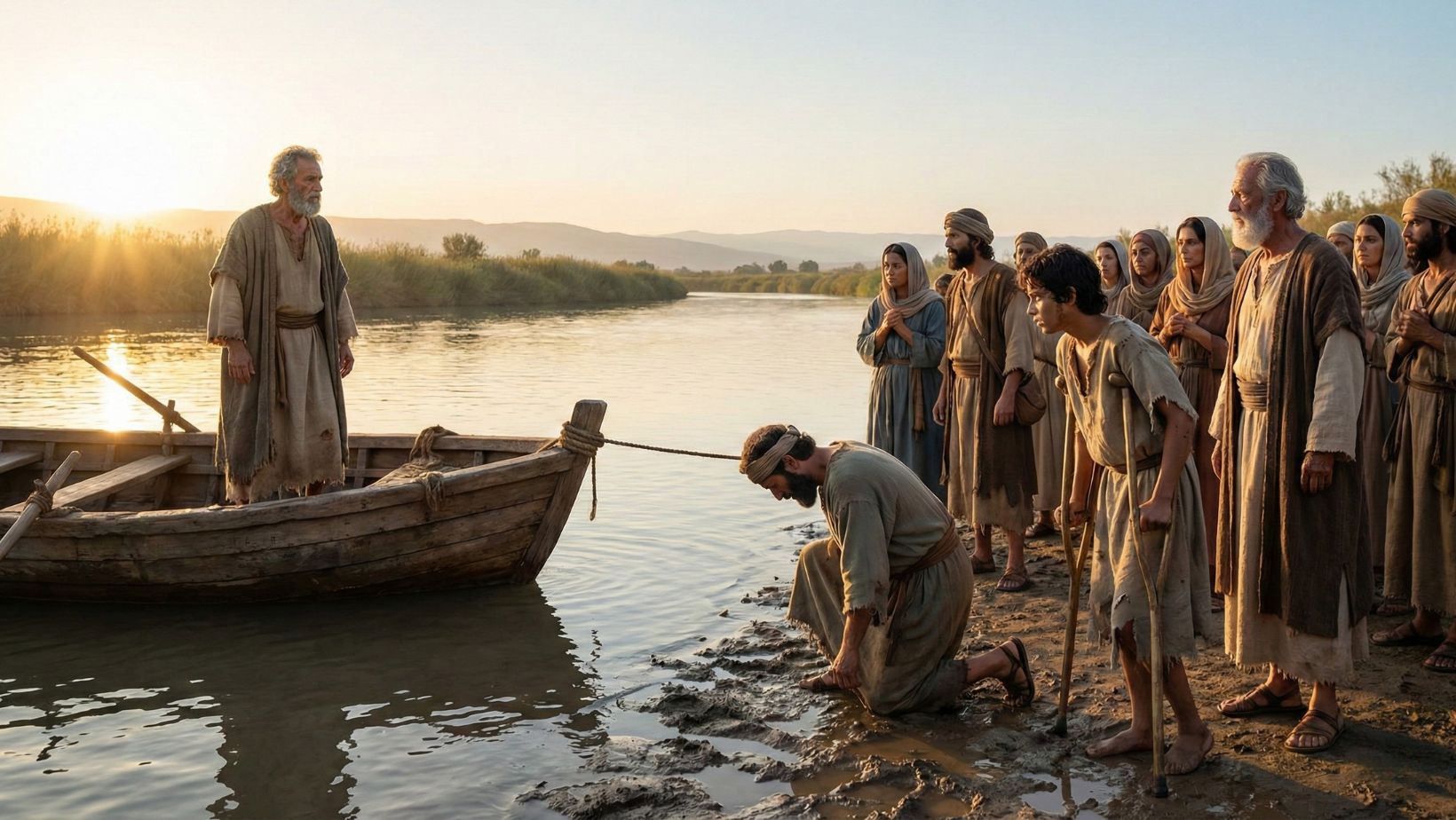
Jabesh-gilead
Jabesh-gilead was a city defined by a legacy of survival and fierce loyalty, best known for the valiant night raid to retrieve the bodies of King Saul and his sons from Philistine desecration.
