

Bible Locations
Locations mark the sacred places where God’s promises, encounters, and miracles unfolded, grounding biblical stories in real historical settings.
-
Galilee
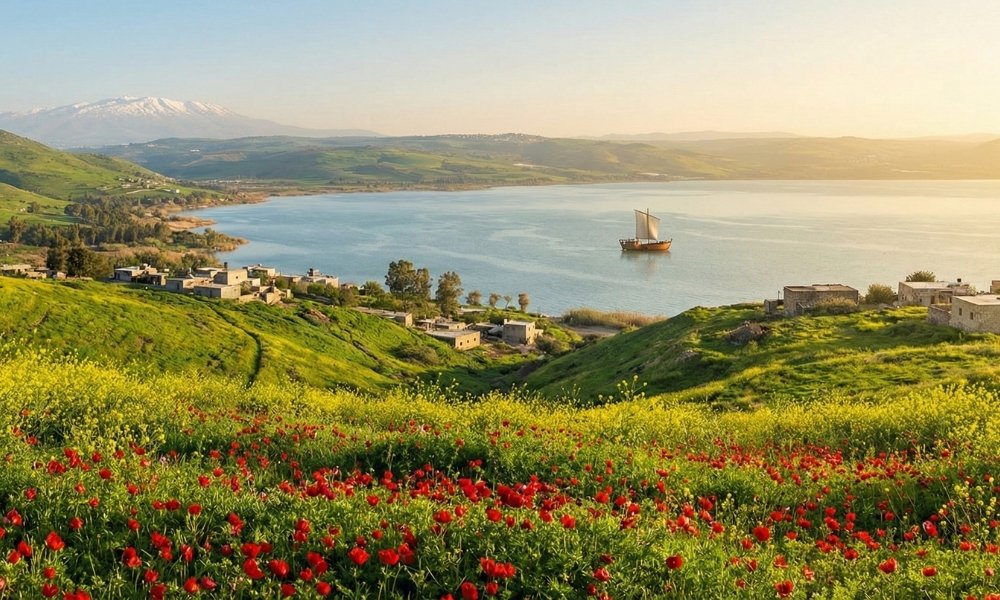
Galilee is the fertile, northern region where Jesus grew up, called His disciples, and performed the majority of His miracles, fulfilling the prophecy that a great light would dawn on the despised and marginalized.
-
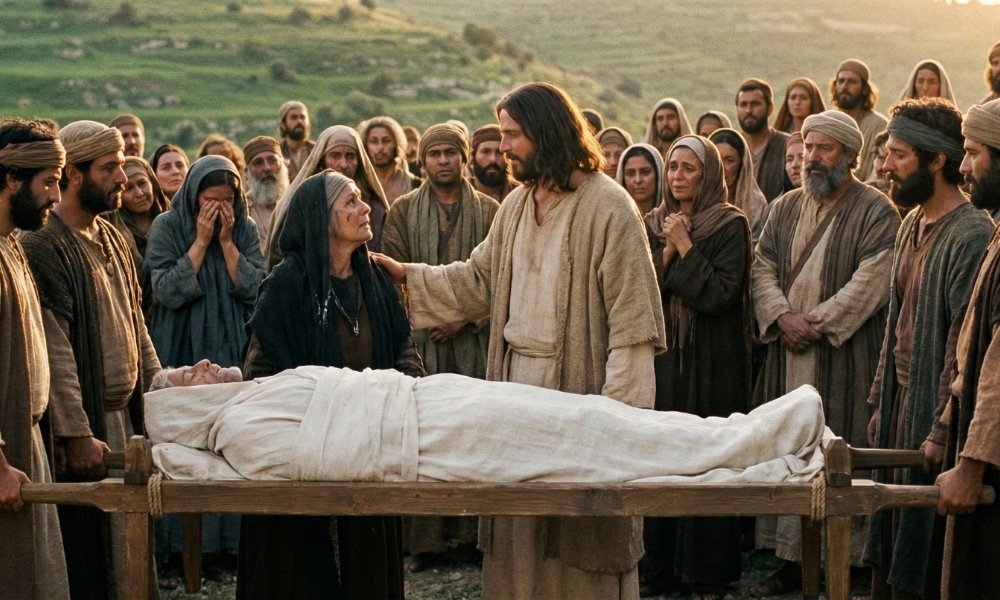
Nain
Nain is the village where Jesus, moved by deep compassion, interrupted a funeral procession to raise a widow’s only son from the dead, proving His power over the grave.
-
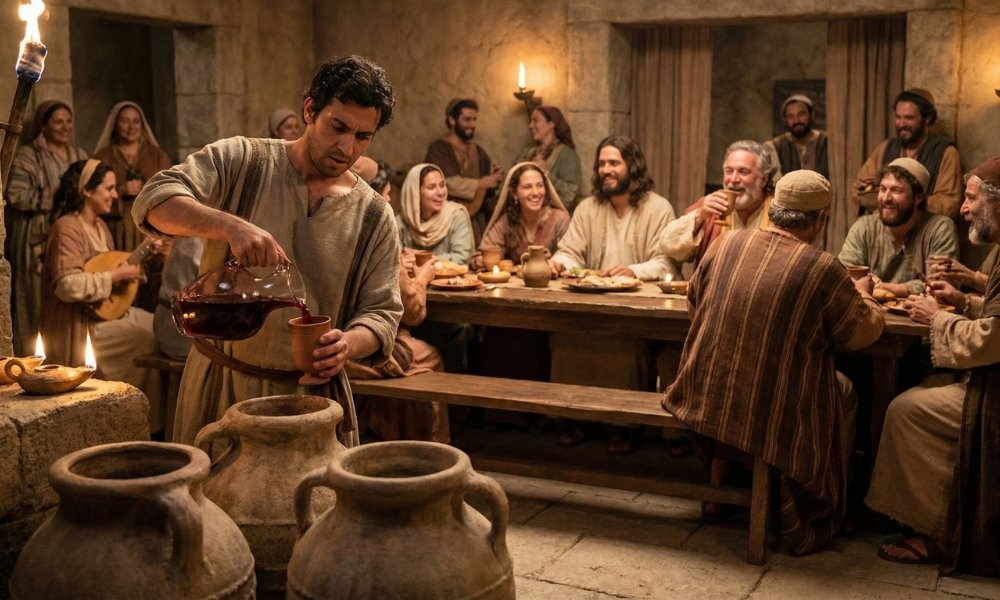
Cana
Cana of Galilee is the site of Jesus’ first miracle, where He revealed His glory by transforming water into wine, symbolizing the abundant joy and grace of the New Covenant.
-
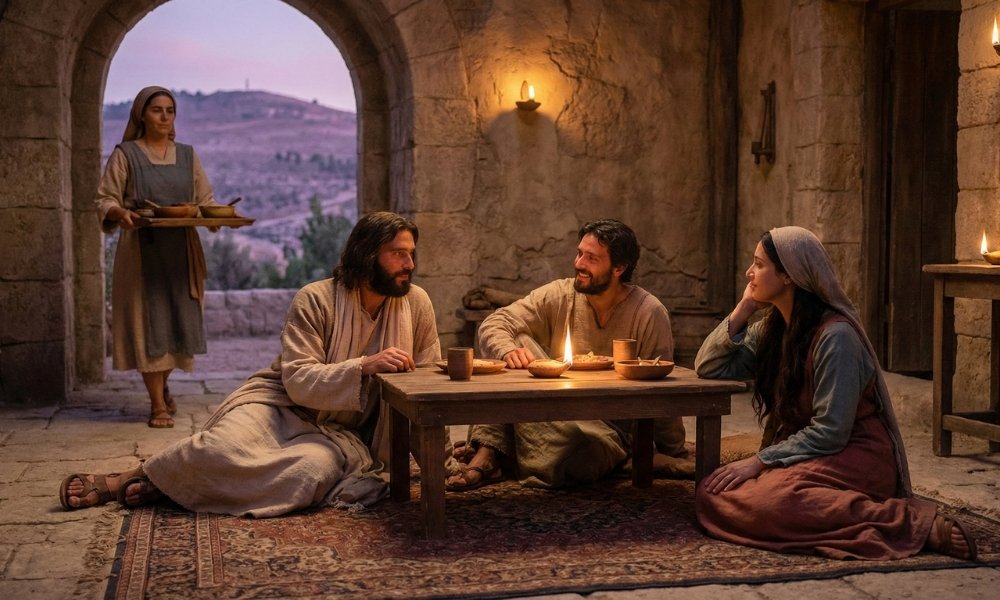
Bethany
Bethany was a village of refuge and friendship for Jesus, the site of Lazarus’ resurrection, and the place from which Christ ascended to heaven.
-
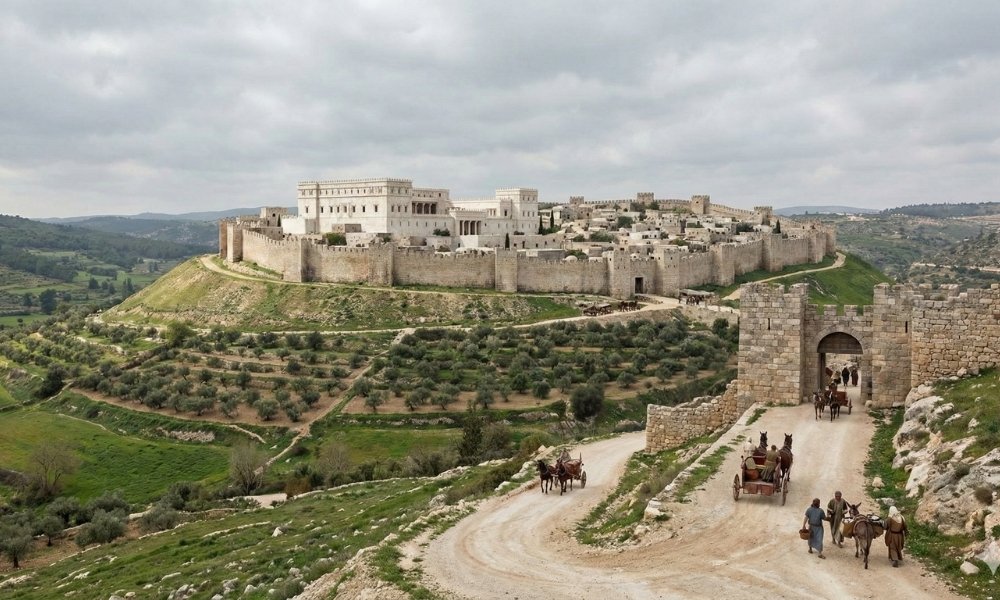
Samaria
Samaria was the strategic and splendid capital of the Northern Kingdom of Israel, founded by King Omri in the 9th century BCE. Standing as a political and religious rival to Jerusalem, it became synonymous with the Northern Kingdom’s wealth, power, and deep spiritual apostasy. Famous for its “Ivory House” and the dramatic confrontations between the…
-
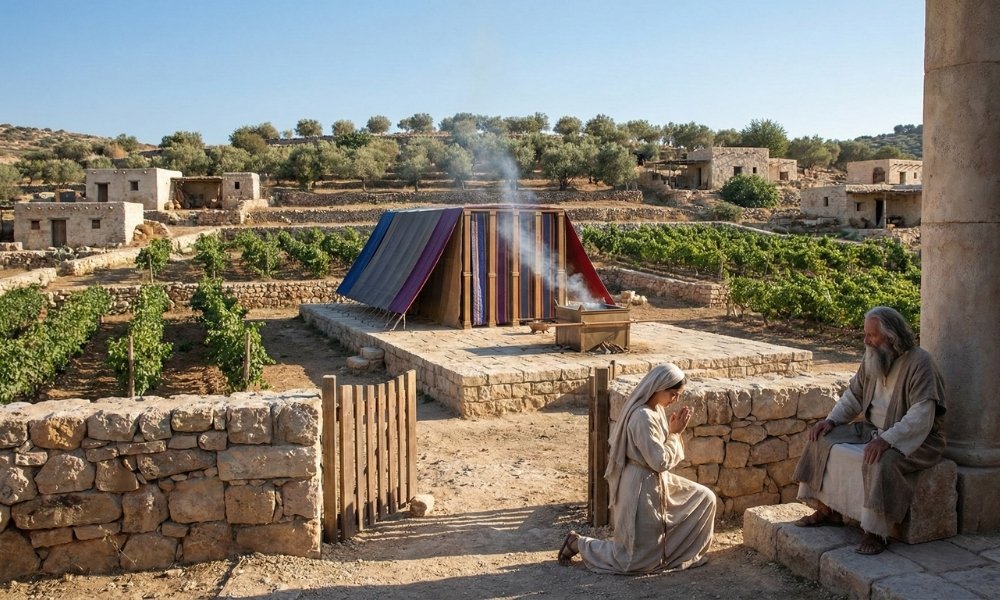
Shiloh
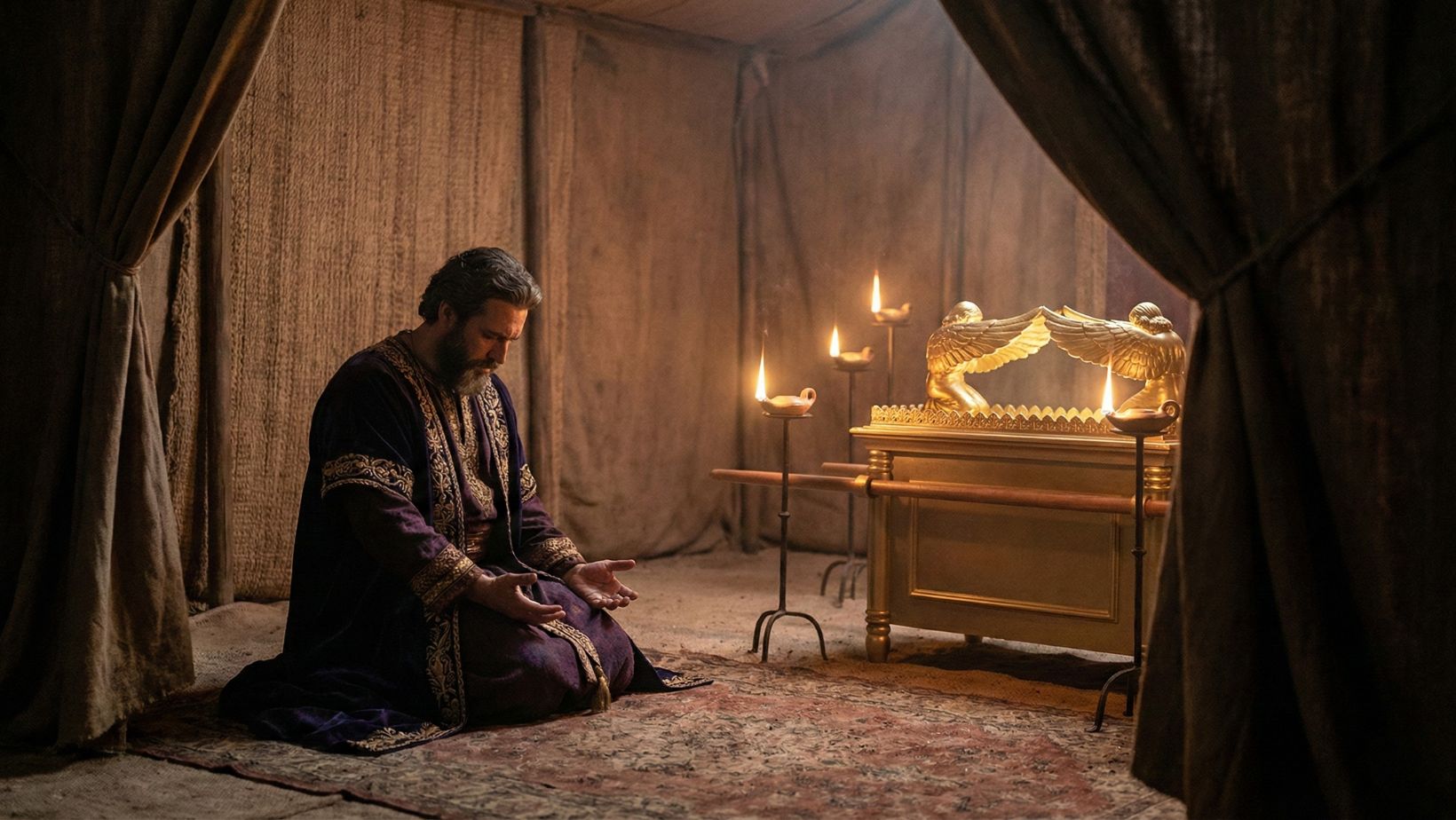
Shiloh was the first spiritual heart of Israel, the resting place of the Tabernacle and Ark for centuries, until its corruption and destruction served as a lasting warning that God demands holiness in His house.
-
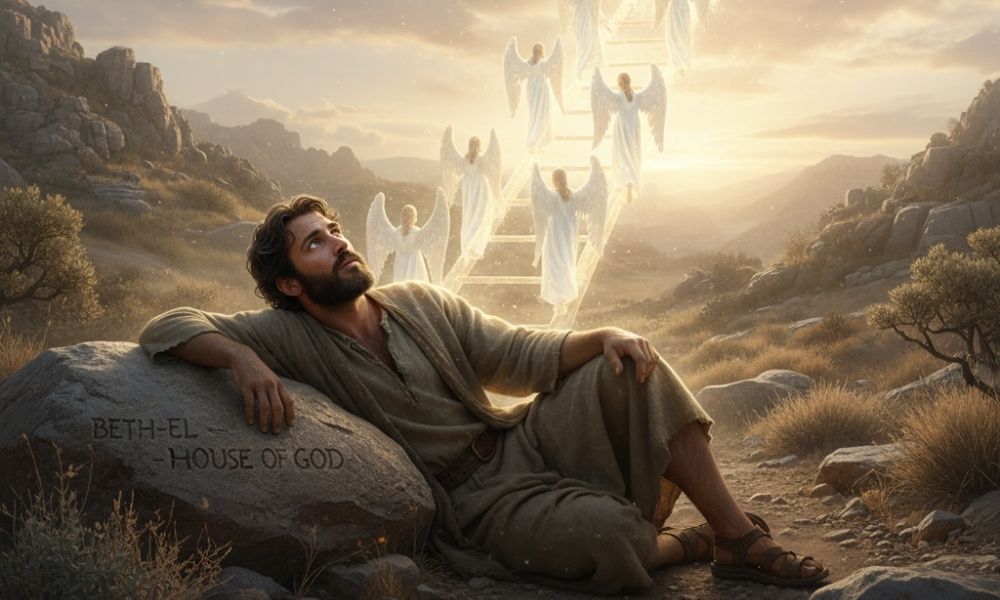
Bethel
Bethel was a sacred place in Israel where God revealed Himself, renewed His covenant, and guided His people.
-
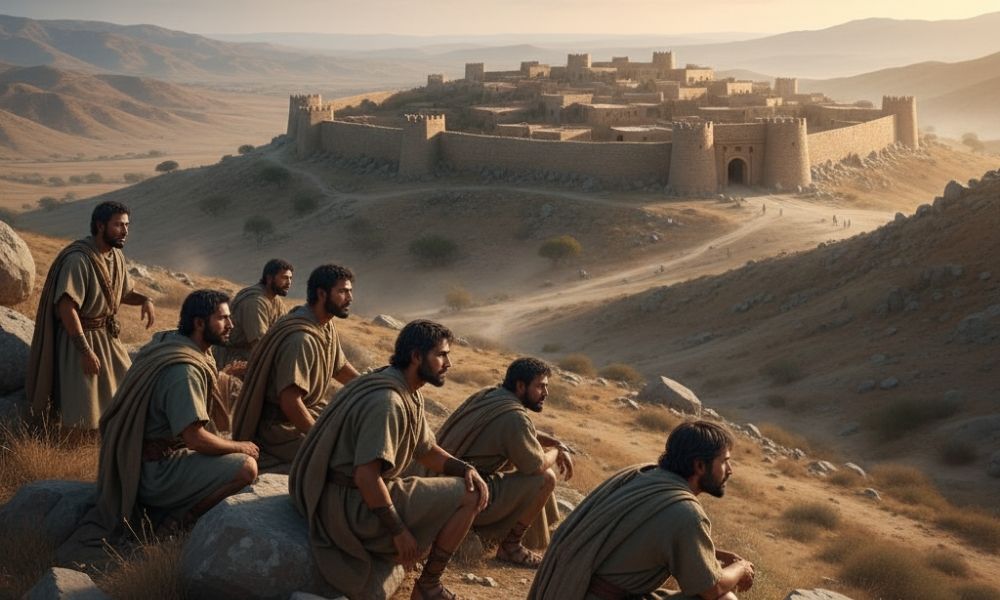
Ai
Ai was a small Canaanite town where Israel first stumbled but later triumphed, learning vital lessons about obedience and faith.
-
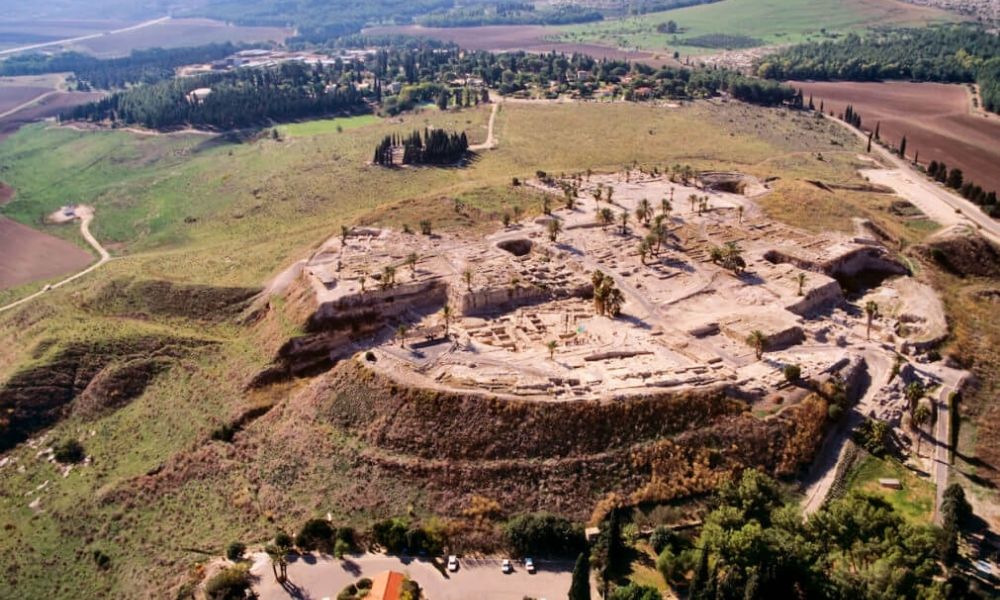
Megiddo
Megiddo is an ancient fortress city whose strategic battles inspired the biblical imagery of Armageddon.
-
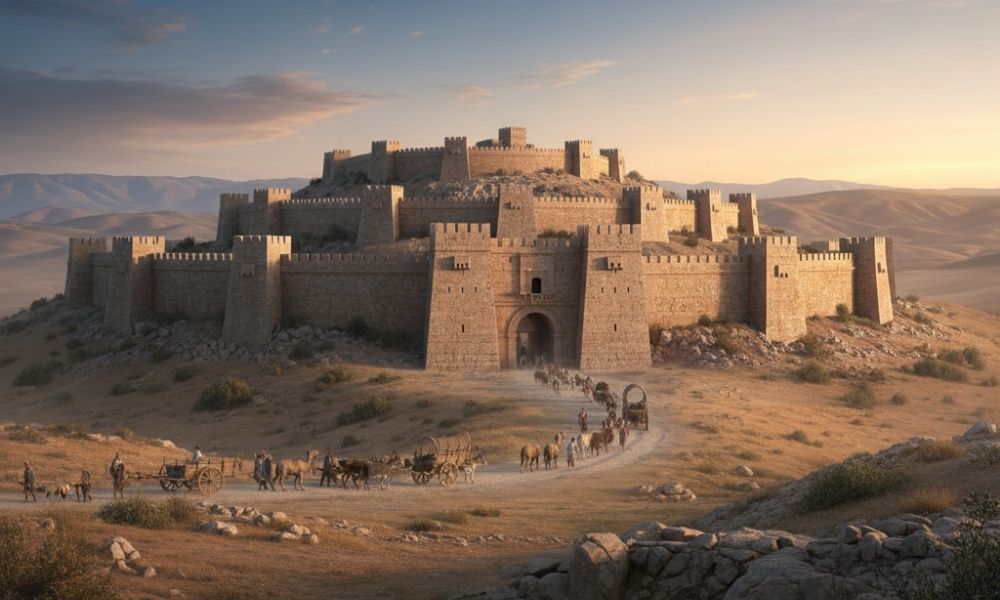
Hazor
Hazor was the dominant Canaanite fortress-city of northern Israel, known as the “head of all kingdoms” in the biblical era.
Bible Characters

-
Jonathan
Jonathan was the valiant crown prince of Israel who chose loyalty to God’s anointed over his own ambition, becoming the Bible’s ultimate example of sacrificial friendship.
-
Michal
Michal was the daughter of King Saul who saved David’s life out of love but ultimately ended her life in barren isolation because she valued royal dignity over humble worship.
-
Abner
Abner was the powerful commander of Saul’s army who, after a long rivalry with David, sought to unite all Israel under David’s crown before being tragically assassinated by Joab.
Biblical Events

-
Jonathan
Jonathan was the valiant crown prince of Israel who chose loyalty to God’s anointed over his own ambition, becoming the Bible’s ultimate example of sacrificial friendship.
-
Michal
Michal was the daughter of King Saul who saved David’s life out of love but ultimately ended her life in barren isolation because she valued royal dignity over humble worship.
-
Abner
Abner was the powerful commander of Saul’s army who, after a long rivalry with David, sought to unite all Israel under David’s crown before being tragically assassinated by Joab.
Bible Locations

-
The City of David
The City of David is the ancient, fortified ridge where King David established his capital, serving as the historical seed from which Jerusalem grew and the spiritual center of the Israelite kingdom.
-
Mahanaim
Mahanaim, meaning “Two Camps,” was the historic fortress city east of the Jordan where Jacob met angels and where kings Ishbosheth and David found refuge during Israel’s greatest civil wars.
-
Jabesh-gilead
Jabesh-gilead was a city defined by a legacy of survival and fierce loyalty, best known for the valiant night raid to retrieve the bodies of King Saul and his sons from Philistine desecration.
