

Bible People
-
Hittites
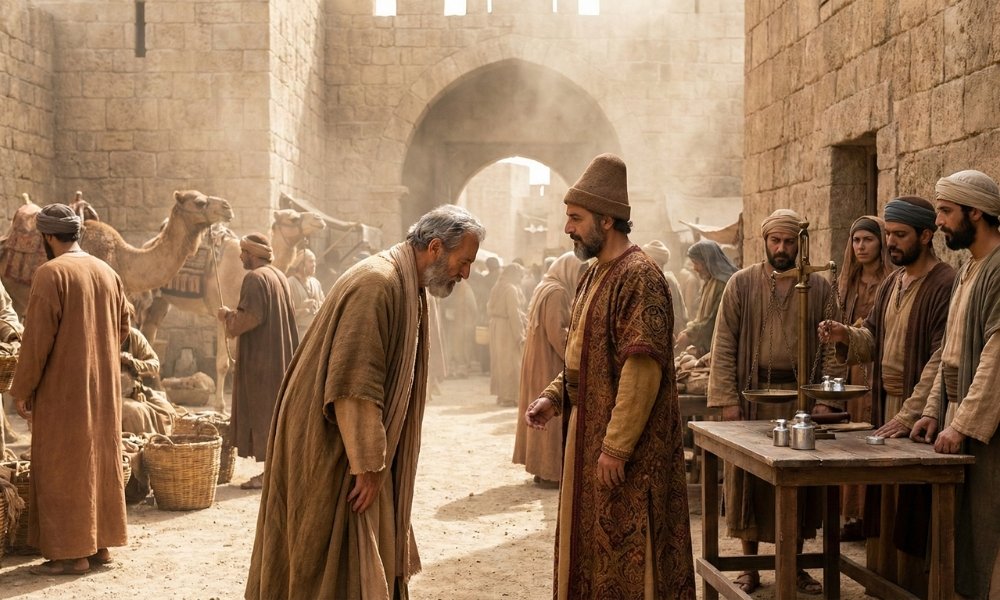
The Hittites were a formidable ancient empire and local Canaanite power who interacted with Israel as landowners, fierce military rivals, and loyal mercenaries like Uriah.
-
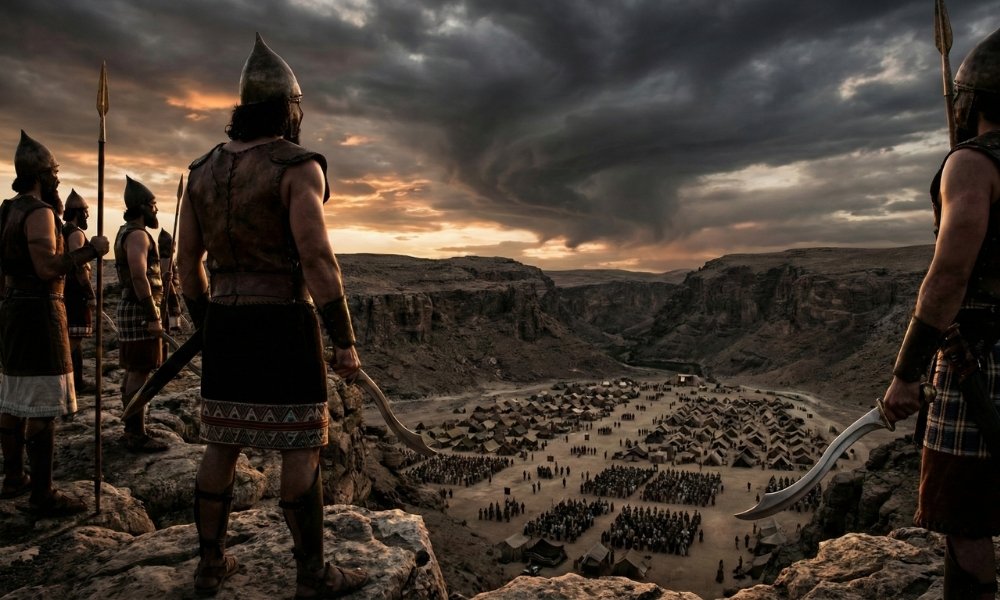
Amorites
The Amorites were a powerful, mountainous civilization whose entrenched wickedness and military might posed the greatest challenge to the Israelite conquest of the Promised Land.
-
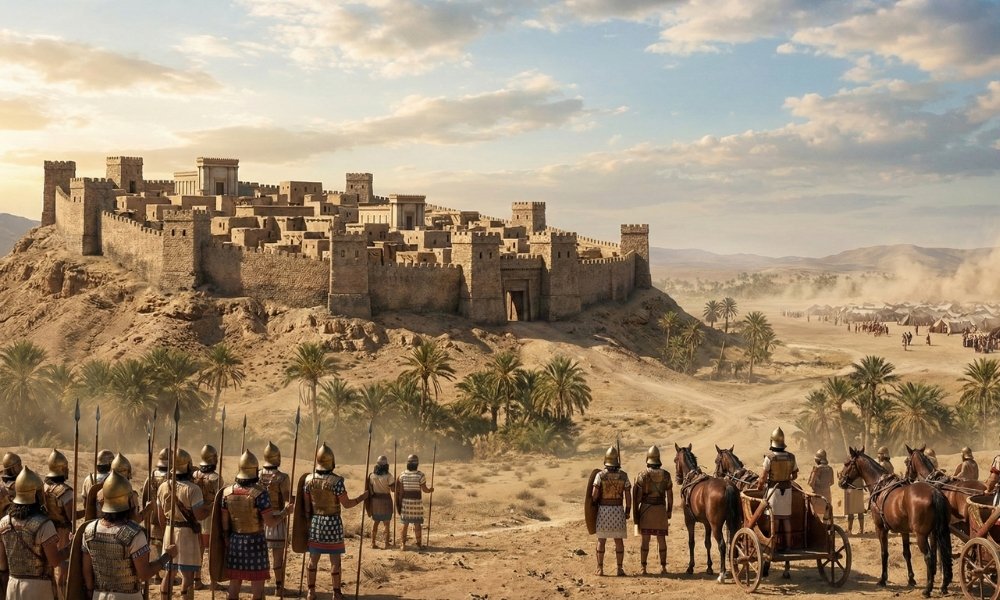
Canaanites
The Canaanites were the idolatrous inhabitants of the Promised Land whose culture and religion posed a continuous spiritual threat to the nation of Israel.
-
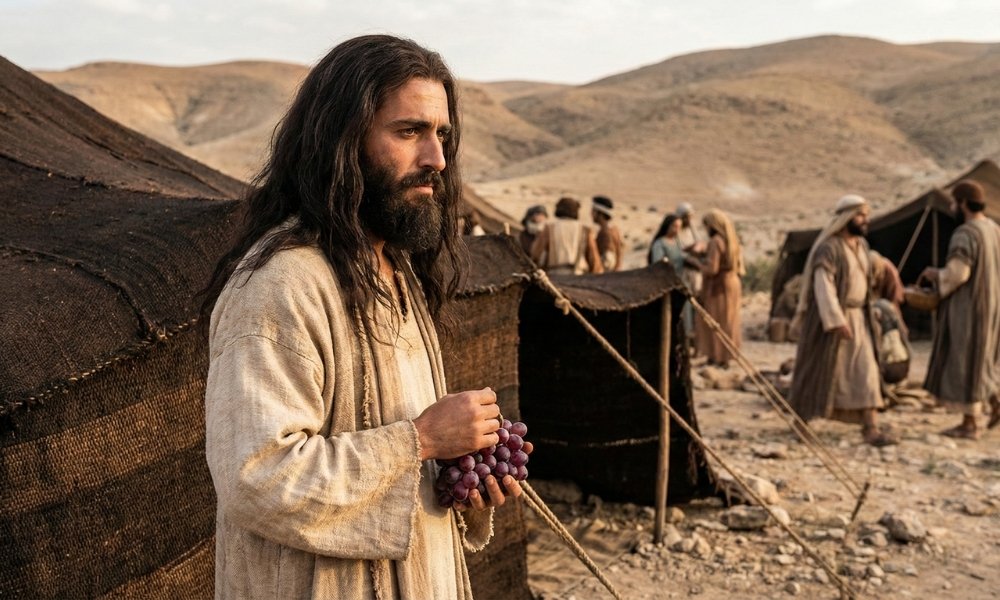
Nazarites
The Nazarites were individuals who voluntarily consecrated themselves to God through a vow of separation, marked by abstinence from wine, uncut hair, and strict ritual purity.
-
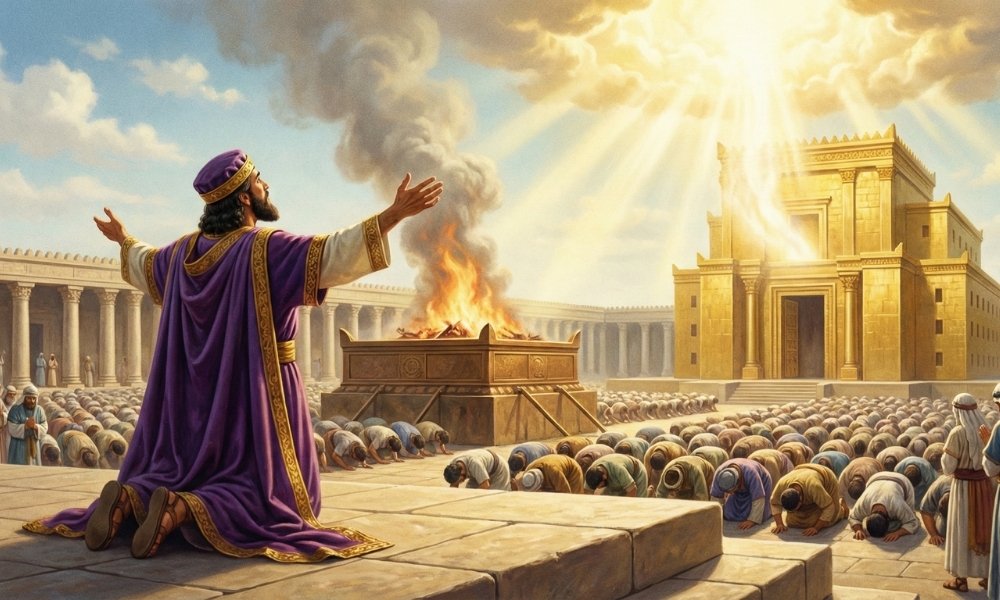
Kings
The Kings were the anointed rulers of Israel and Judah who, despite their frequent moral failures, established the Davidic lineage through which God promised an eternal kingdom and the coming Messiah.
-

Judges
The Judges were Spirit-empowered but flawed military leaders raised up by God to deliver Israel from oppression during a chaotic era of moral decline and tribal disunity.
-
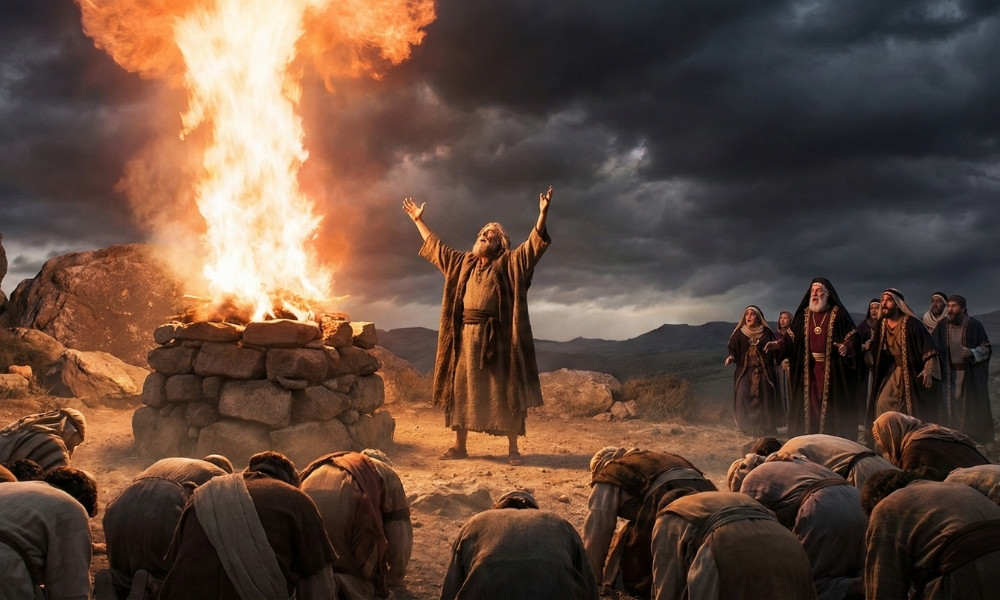
Prophets
The Prophets were God’s courageous messengers who called Israel back to their covenant through warnings of judgment and promises of hope, ultimately pointing toward the coming Messiah.
-
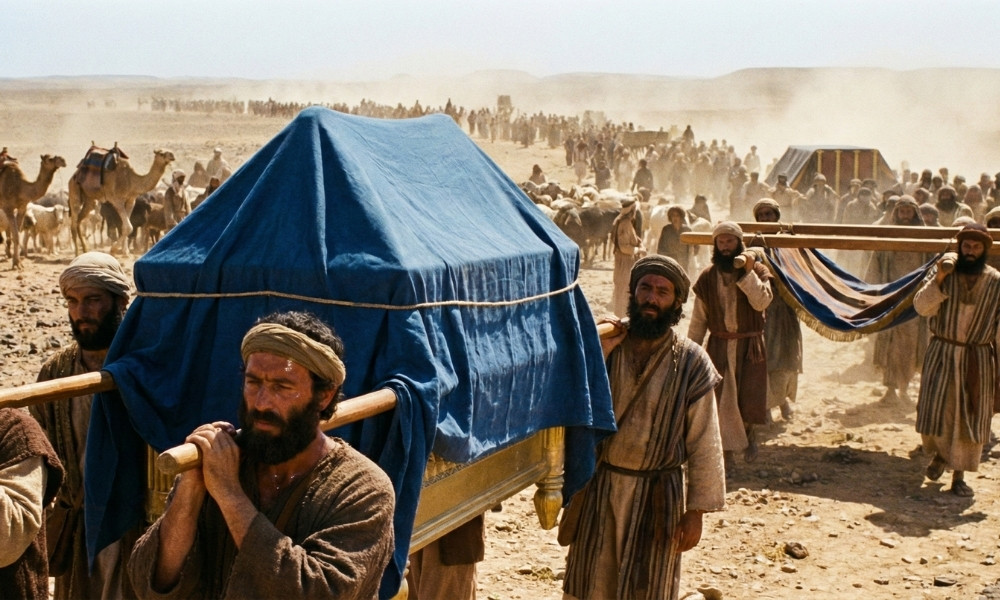
Levites
The Levites were the tribe set apart by God to support the priesthood and maintain the sanctity of Israel’s worship through service, music, and teaching, serving as the dedicated substitute for the nation’s firstborn.
-
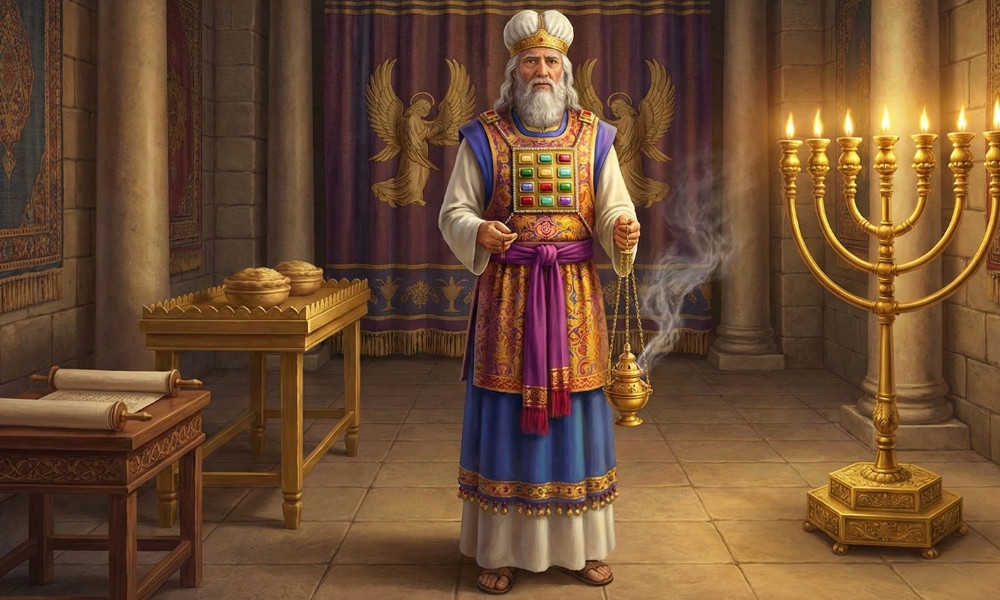
Priests
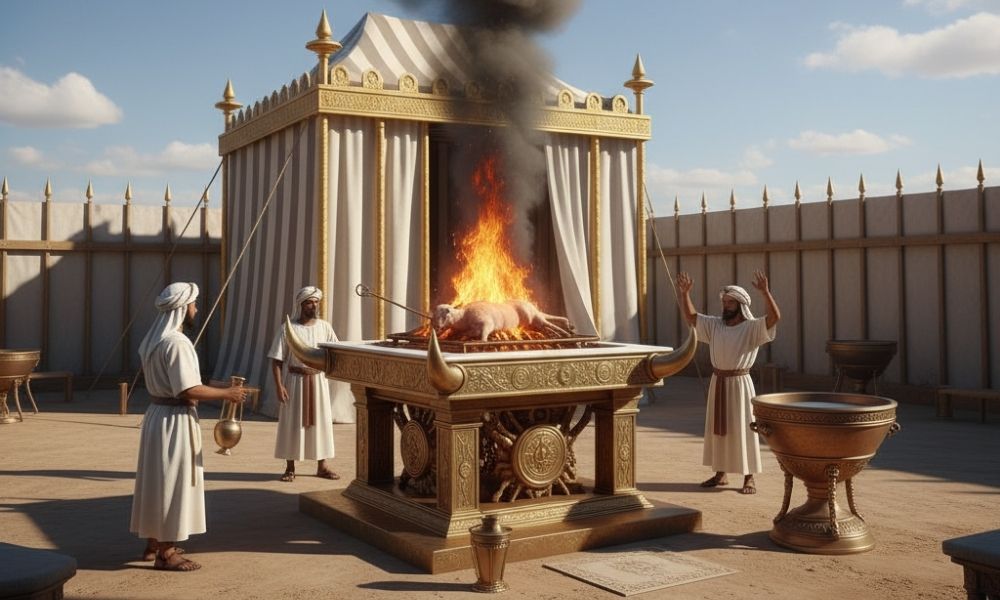
The Priests were the consecrated descendants of Aaron who served as mediators between God and Israel, maintaining the holiness of the Temple and foreshadowing the ultimate high priesthood of Jesus Christ.
-
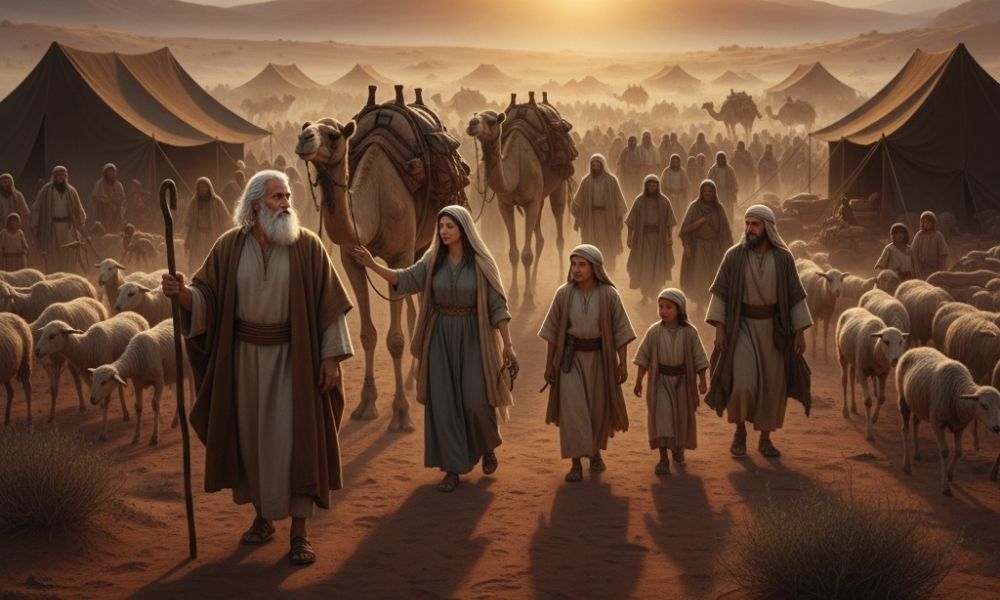
Hebrews
The Hebrews were the ancient people descended from Abraham, chosen by God to live by faith and become the foundation of Israel and the Jewish nation.
Bible Characters

-
Jonathan
Jonathan was the valiant crown prince of Israel who chose loyalty to God’s anointed over his own ambition, becoming the Bible’s ultimate example of sacrificial friendship.
-
Michal
Michal was the daughter of King Saul who saved David’s life out of love but ultimately ended her life in barren isolation because she valued royal dignity over humble worship.
-
Abner
Abner was the powerful commander of Saul’s army who, after a long rivalry with David, sought to unite all Israel under David’s crown before being tragically assassinated by Joab.
Biblical Events

-
Jonathan
Jonathan was the valiant crown prince of Israel who chose loyalty to God’s anointed over his own ambition, becoming the Bible’s ultimate example of sacrificial friendship.
-
Michal
Michal was the daughter of King Saul who saved David’s life out of love but ultimately ended her life in barren isolation because she valued royal dignity over humble worship.
-
Abner
Abner was the powerful commander of Saul’s army who, after a long rivalry with David, sought to unite all Israel under David’s crown before being tragically assassinated by Joab.
Bible Locations

-
The City of David
The City of David is the ancient, fortified ridge where King David established his capital, serving as the historical seed from which Jerusalem grew and the spiritual center of the Israelite kingdom.
-
Mahanaim
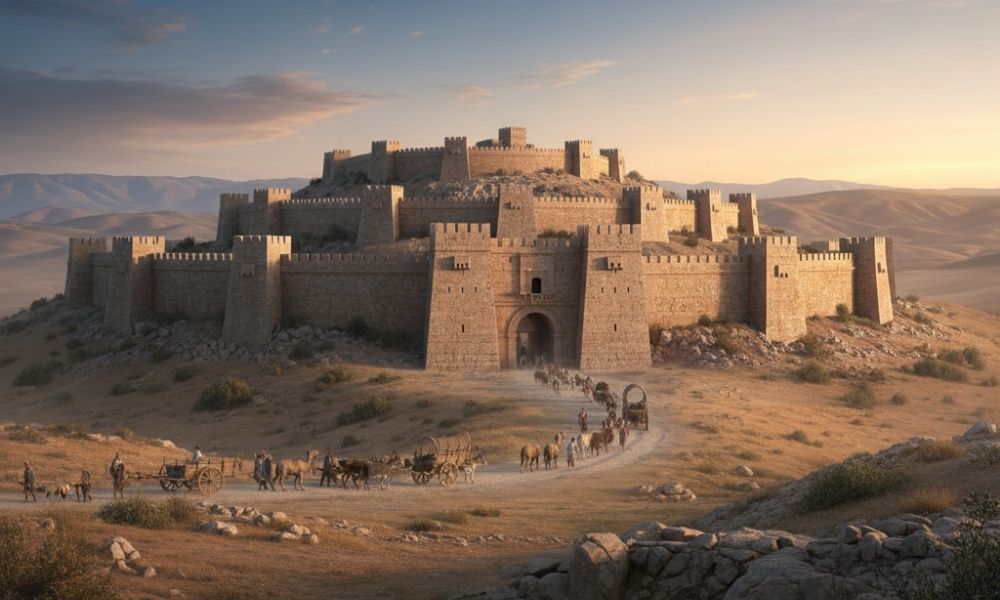
Mahanaim, meaning “Two Camps,” was the historic fortress city east of the Jordan where Jacob met angels and where kings Ishbosheth and David found refuge during Israel’s greatest civil wars.
-
Jabesh-gilead
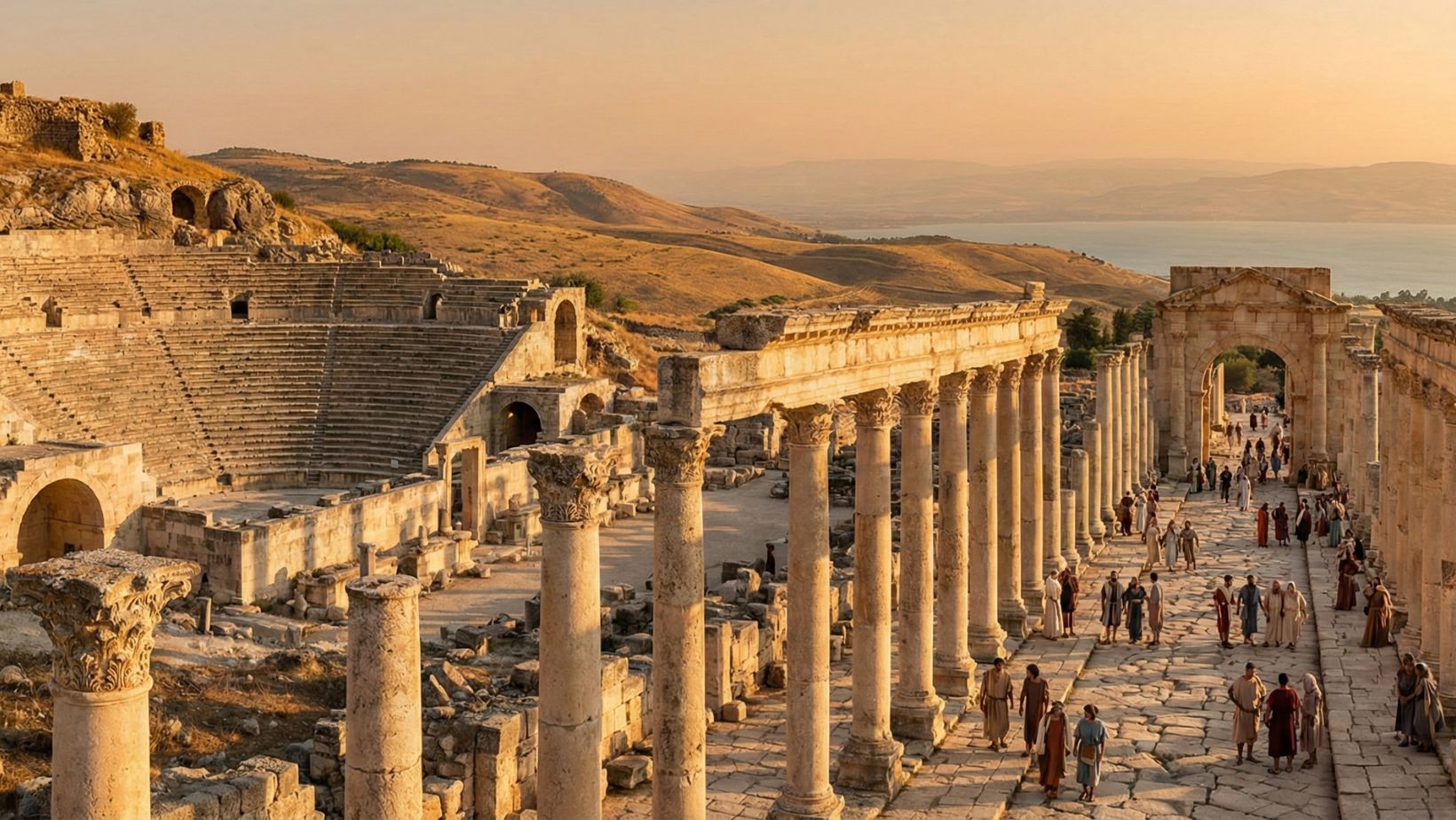
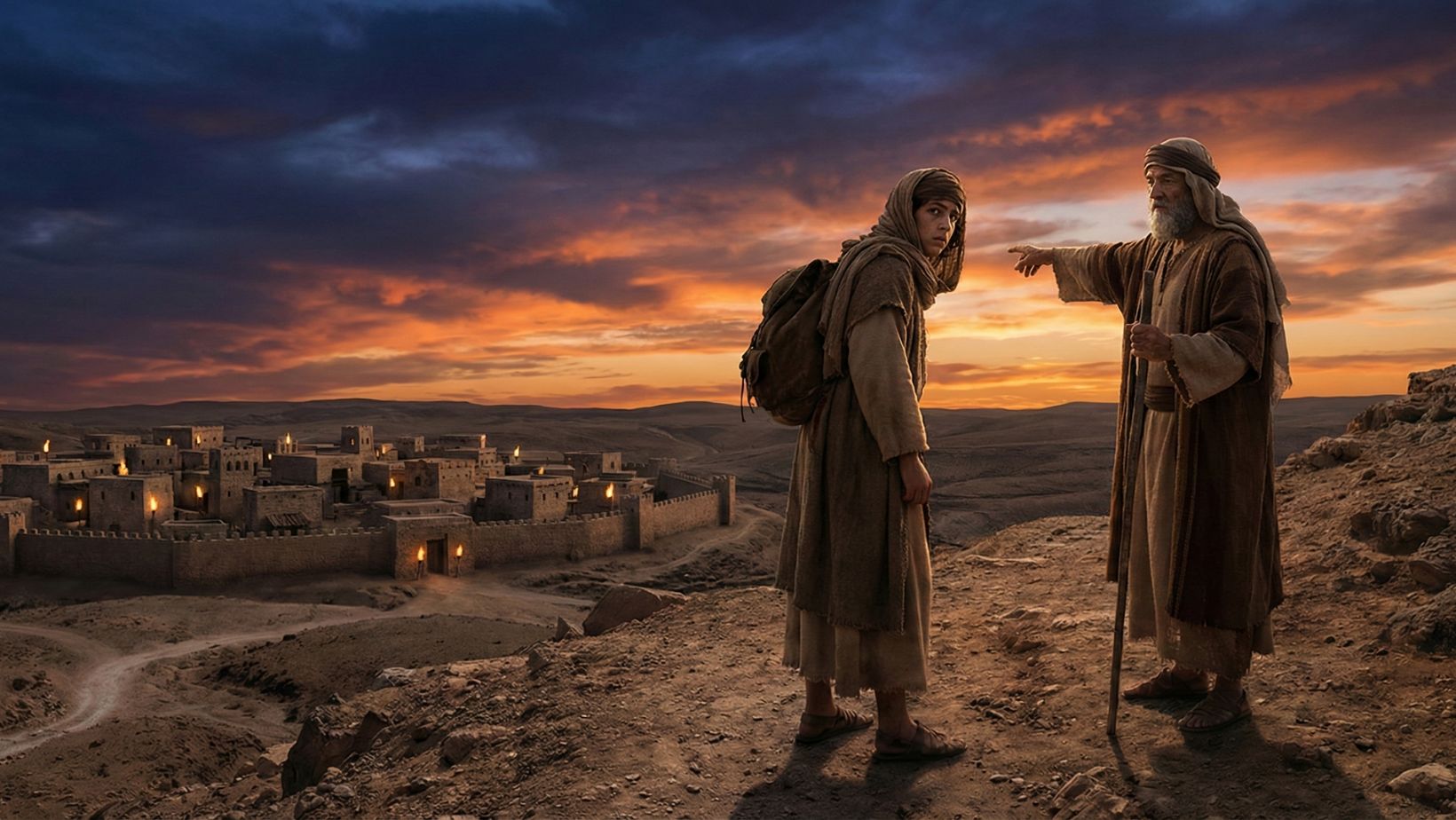
Jabesh-gilead was a city defined by a legacy of survival and fierce loyalty, best known for the valiant night raid to retrieve the bodies of King Saul and his sons from Philistine desecration.
